纸袋
CN → US| HS Code | Tariff Rate | Origin | Destination | Doc |
|---|---|---|---|---|
| 4823908680 | 35.0% | CN | US | Official Doc |
| 4819400040 | 35.0% | CN | US | Official Doc |
| 4819300040 | 35.0% | CN | US | Official Doc |
| 6305900000 | 23.7% | CN | US | Official Doc |
| 4819100040 | 35.0% | CN | US | Official Doc |
Product Images

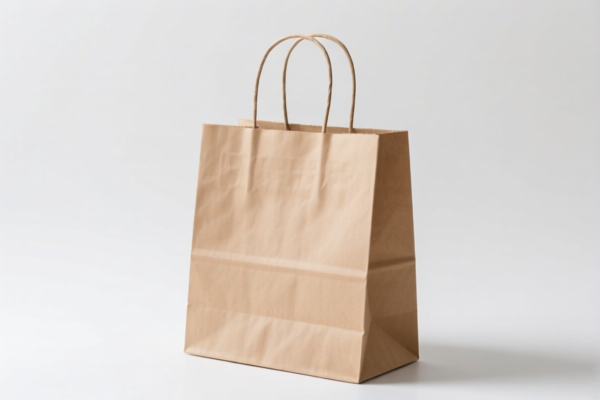
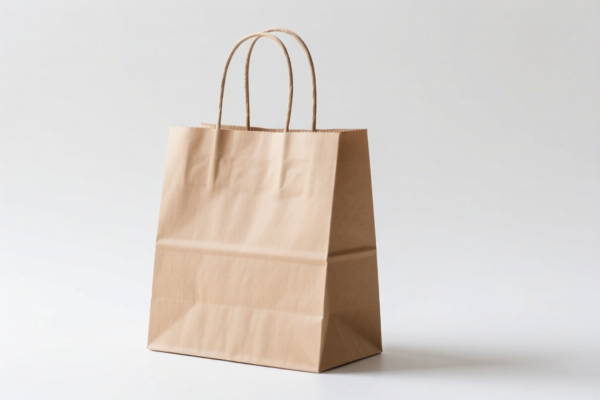
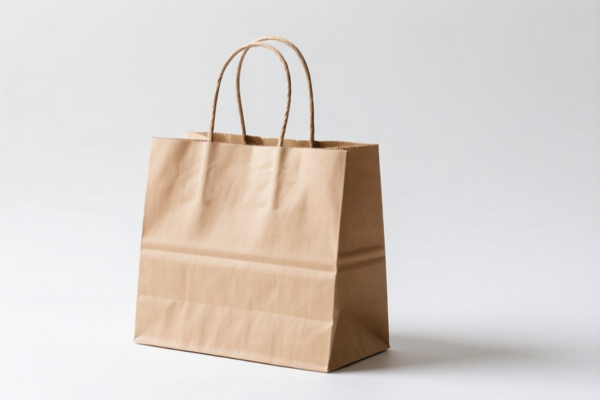
AI Analysis
📦 Paper Bags (Paper Bags for Packaging or General Use)
🌐 HS Code Reference & Customs Clearance Guide | 2026 Latest Tariff Analysis | Professional Import Strategy
📌 One, Product Definition & Classification: Do You Really Know What a "Paper Bag" Is?
A paper bag is a lightweight, flexible container made primarily from paper, used for packaging, carrying goods, or retail purposes. In international trade, its classification depends on material, structure, function, and intended use.
⚠️ Key Distinction: - If the bag is made of paper, shaped as a bag, and used for packaging → Likely falls under paper-based packaging containers (HS 4819.xxxx)
- If the bag is labeled as "textile" or "non-woven", even if made of paper-like material → May be misclassified under textile bags (HS 6305.90.00.00)
- If it’s a simple paper sack without structure → May fall under other paper products (HS 4823.90.86.80)🔍 Critical Insight:
- Material ≠ Final Classification – A paper bag made from paper is NOT automatically a "textile" just because it looks like one. - Form & Function Rule – A bag-shaped paper container used for packaging is not a textile, even if it has handles or resembles a fabric bag.
📦 Two, HS Code Classification Details (2026 Latest Tariff Authority Match)
| HS Code | Product Description | Classification Basis | Key Features |
|---|---|---|---|
4823.90.86.80 |
Paper bags, made of paper, categorized as other paper products | General paper product, fits "other paper articles" clause | No specific packaging form; broad兜底 category |
4819.40.00.40 |
Paper bags, made of paper, shaped as a container for packaging | Fits definition of paper packaging containers | Structured, used for carrying goods |
4819.30.00.40 |
Paper bags, made of paper, in bag form, used for packaging | Matches "paper bags" under packaging category | Clear form, functional design |
6305.90.00.00 |
Paper bags, shaped as bags, used for packaging, classified under other textile articles | Based on common-sense interpretation of material as "other textile" | Misclassification risk – paper ≠ textile |
4819.10.00.40 |
Paper boxes, made of paper, in box form, used for packaging | Matches "boxes made of paper or paperboard" | Not a bag, but similar in function |
📌 Critical Note:
- HS 4819.30.00.40, 4819.40.00.40, and 4823.90.86.80 are correct for paper bags made of paper. - HS 6305.90.00.00 is incorrect for paper bags unless the importer can prove it’s treated as a textile (e.g., coated, laminated, or marketed as "non-woven fabric"). - Misclassification under 6305.90.00.00 leads to higher risk of audit, penalties, and tariff disputes.
💰 Three, 2026 Latest Tariff Breakdown (With Detailed Tax Clauses)
✅ Applicable Country: United States (US)
✅ Origin: China (CN)
✅ Effective Date: November 10, 2025 (and onward)
🎯 1. 4823.90.86.80 — Paper Bags (Other Paper Products)
| Item | Detail |
|---|---|
| Base Duty | 0% (ad valorem) |
| USITC Additional Duty | +25% (under Section 301 of U.S. Trade Act) |
| IEEPA Additional Duty | +10% (under International Emergency Economic Powers Act) |
| Total Duty | 35.0% |
| Tax Calculation | CIF Value × 35% |
| De Minimis Exemption | ❌ Not available (denied under U.S. customs rules) |
| Legal Basis Path | IEEPA:9903.01.25 → IEEPA:9903.01.24 → USITC:4823.90.86.80 → FOOTNOTE:9903.88.01 |
📌 Explanation:
- USITC 25%: Imposed under Section 301 due to China’s alleged unfair trade practices (e.g., IP theft, forced tech transfer). - IEEPA 10%: Applied under international emergency powers targeting China, effective since 2025. - Total 35%: High tariff, especially for bulk imports.
🎯 2. 4819.40.00.40 — Paper Bags (Paper Packaging Containers)
| Item | Detail |
|---|---|
| Base Duty | 0% |
| USITC Additional Duty | +25% |
| IEEPA Additional Duty | +10% |
| Total Duty | 35.0% |
| Tax Calculation | CIF × 35% |
| De Minimis Exemption | ❌ Not available |
| Legal Basis Path | IEEPA:9903.01.25 → IEEPA:9903.01.24 → USITC:4819.40.00.40 → FOOTNOTE:9903.88.01 |
📌 Note:
- This is the most accurate and recommended HS code for standard paper bags. - Matches "bags made of paper" under Chapter 48 of the Harmonized System.
🎯 3. 4819.30.00.40 — Paper Bags (Paper Bags, Bag Form)
| Item | Detail |
|---|---|
| Base Duty | 0% |
| USITC Additional Duty | +25% |
| IEEPA Additional Duty | +10% |
| Total Duty | 35.0% |
| Tax Calculation | CIF × 35% |
| De Minimis Exemption | ❌ Not available |
| Legal Basis Path | IEEPA:9903.01.25 → IEEPA:9903.01.24 → USITC:4819.30.00.40 → FOOTNOTE:9903.88.01 |
📌 Insight:
- This code is functionally identical to 4819.40.00.40 but emphasizes the form (bag-shaped). - Preferred when the bag has handles, gussets, or a defined structure.
🎯 4. 6305.90.00.00 — Other Textile Bags (Incorrect for Paper Bags)
| Item | Detail |
|---|---|
| Base Duty | 6.2% |
| USITC Additional Duty | +7.5% |
| IEEPA Additional Duty | +10% |
| Total Duty | 23.7% |
| Tax Calculation | CIF × 23.7% |
| De Minimis Exemption | ✅ Available (if value ≤ $800) |
| Legal Basis Path | IEEPA:9903.01.25 → IEEPA:9903.01.24 → USITC:6305.90.00.00 → FOOTNOTE:9903.88.01 |
⚠️ Warning:
- This code is incorrect for paper bags unless the bag is coated, laminated, or marketed as a textile (e.g., "non-woven paper fabric"). - Misclassification risk: If the bag is purely paper, using this code may trigger customs audit or reclassification. - Lower tax (23.7%) is tempting, but not compliant with material facts.
🎯 5. 4819.10.00.40 — Paper Boxes (Not Bags)
| Item | Detail |
|---|---|
| Base Duty | 0% |
| USITC Additional Duty | +25% |
| IEEPA Additional Duty | +10% |
| Total Duty | 35.0% |
| Tax Calculation | CIF × 35% |
| De Minimis Exemption | ❌ Not available |
| Legal Basis Path | IEEPA:9903.01.25 → IEEPA:9903.01.24 → USITC:4819.10.00.40 → FOOTNOTE:9903.88.01 |
📌 Clarification:
- This code is for boxes, not bags. - Do not use for paper bags, even if they look similar. - Misuse leads to incorrect classification and customs penalties.
🛠️ Four, Customs Clearance Best Practices (Real-World Pro Tips)
✅ 1. Required Documentation (Must-Have List)
| Document | Required? | Purpose |
|---|---|---|
| ✅ Product Specifications | ✔️ | Confirm material (paper), shape (bag), function (packaging) |
| ✅ Product Photos (with labels) | ✔️ | Show handle, gusset, printing, material texture |
| ✅ Commercial Invoice | ✔️ | Clearly state "Paper Bag, Made of Paper, for Packaging Use" |
| ✅ Packing List | ✔️ | Show quantity, dimensions, weight, packaging type |
| ✅ Certificate of Origin (CO) | ✔️ | Prove origin (China, Vietnam, etc.) |
| ✅ Third-Party Test Report | ✔️ | If required (e.g., for food-grade bags, recyclability) |
| ✅ Bill of Lading | ✔️ | For shipment tracking and customs release |
✅ 2.申报技巧(Key Rules to Remember)
🔥 "Material First, Form Second, Use Last – Paper = Paper, Not Textile!"
| Scenario | Correct HS Code | Wrong Code | Risk |
|---|---|---|---|
| Standard paper bag (no coating) | 4819.30.00.40 or 4819.40.00.40 |
6305.90.00.00 |
Audit, penalty, reclassification |
| Paper bag with handles, gussets | 4819.40.00.40 |
4823.90.86.80 |
Higher risk of scrutiny |
| Pure paper bag, no structure | 4823.90.86.80 |
6305.90.00.00 |
Non-compliant |
| Paper box (not bag) | 4819.10.00.40 |
4819.30.00.40 |
Incorrect |
✅ 3. Special Cases & Handling
| Situation | Recommended Action |
|---|---|
| Paper bag with plastic coating | Use 4819.40.00.40 if paper is primary material; otherwise, may fall under 3923.21.00.00 (plastic) |
| Biodegradable paper bag | Still 4819.30.00.40 – material is key |
| Custom-printed paper bag | Use 4819.40.00.40 – printing doesn’t change classification |
| Bag used for food packaging | Must comply with FDA/food-grade standards; provide test report |
| Export to EU or Canada | Use correct HS code; no IEEPA/USITC duties, but check local rules |
🌍 Five, Global Market Customs Comparison (2026 Update)
| Country/Region | Recommended HS Code | Tariff Rate | Certification Required | Notes |
|---|---|---|---|---|
| 🇺🇸 USA | 4819.30.00.40 or 4819.40.00.40 |
35.0% (China origin) | None (unless food-grade) | High risk of audit |
| 🇨🇳 China | 4819.30.00.40 |
5% (general) | CCC, RoHS | No additional duties |
| 🇪🇺 EU | 4819.30.00.40 |
0% (if CE) | CE, REACH | No IEEPA/USITC |
| 🇦🇺 Australia | 4819.30.00.40 |
5% | RCM | No extra taxes |
| 🇯🇵 Japan | 4819.30.00.40 |
0% | PSE | No extra taxes |
📌 Conclusion:
- USA has the highest tariff on paper bags from China. - China, EU, AU, JP have low or zero tariffs. - Shift production to Vietnam, Mexico, or Thailand to avoid 35% US tariff.
📌 Six, Common Mistakes & Pitfalls (Avoid These!)
❌ Mistake 1: Using 6305.90.00.00 (textile bag) for a paper bag
👉 Result: Incorrect classification, risk of penalties, delays, or re-export
❌ Mistake 2: Using 4819.10.00.40 (paper box) for a paper bag
👉 Result: Wrong category, audit risk
❌ Mistake 3: Not providing photos or specs showing paper material
👉 Result: Customs may reclassify or delay release
❌ Mistake 4: Claiming "textile-like" appearance to justify lower tax
👉 Result: False declaration, legal risk
✅ Correct Way to Declare:
“Paper Bag, Made of Paper, with Handles, Used for Retail Packaging, 100% Recyclable, Model ABC”
🎯 Seven, Final Verdict: Accuracy Saves Money & Time!
🎯 Remember the Golden Rule:
🔹 "If it’s made of paper and shaped like a bag for packaging, it’s a paper bag – not a textile!"
🔹 "Use 4819.30.00.40 or 4819.40.00.40 – not 6305.90.00.00!"
🔹 "35% tariff in the US? Yes. But only if you’re from China. Move production, save 35%!"
📌 Pro Tip:
If your paper bags are produced in Vietnam, Mexico, or Thailand, you may qualify for IEEPA exemption → 0% tariff in the U.S.
📣 Take Action Now:
📞 Contact a customs broker + provide product photos + request HS Code pre-ruling
🚀 Avoid delays, penalties, and overpayment – get it right the first time!
✨ Professional Customs Starts with Accurate Classification!
💼 Your Profit Margin Depends on the Right HS Code!
Customer Reviews
About HS Code Classification
The Harmonized System (HS) is an internationally standardized nomenclature developed by the World Customs Organization (WCO) to classify traded products. Over 200 countries use the HS system as the basis for customs tariffs, trade statistics, and import/export regulations.
Each HS code follows a hierarchical structure:
- Chapter (2 digits) — Broad category of goods (e.g., Chapter 84: Machinery and Mechanical Appliances)
- Heading (4 digits) — More specific grouping within the chapter
- Subheading (6 digits) — Internationally standardized breakdown, used by all WCO member countries
- National subdivisions (8-10 digits) — Country-specific extensions for further classification, such as US HTSUS 10-digit codes
Correct HS code classification is essential for smooth customs clearance, accurate duty payment, and compliance with trade regulations. Misclassification can lead to customs delays, overpayment of duties, or penalties.
When importing from CN to US, the applicable tariff rates may include:
- Most-Favored-Nation (MFN) rate — The standard duty rate applied to WTO members
- General rate — Applied to countries without trade agreements
- Trade remedy duties — Additional tariffs such as Section 301 (anti-dumping), Section 232 (national security), or countervailing duties
The information provided on this page is for reference purposes only. For official classification, please consult with your local customs authority or a licensed customs broker.