编织绳
CN → US| HS Code | Tariff Rate | Origin | Destination | Doc |
|---|---|---|---|---|
| 7319402010 | 72.0% | CN | US | Official Doc |
| 7319403000 | 71.6% | CN | US | Official Doc |
| 5806321095 | 16.0% | CN | US | Official Doc |
| 5806321080 | 16.0% | CN | US | Official Doc |
| 4601999000 | 38.3% | CN | US | Official Doc |
Product Images

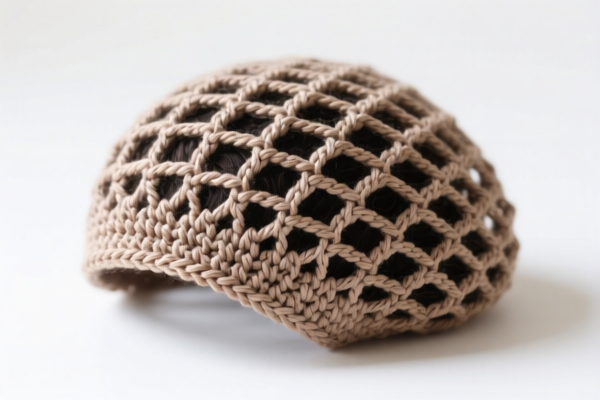
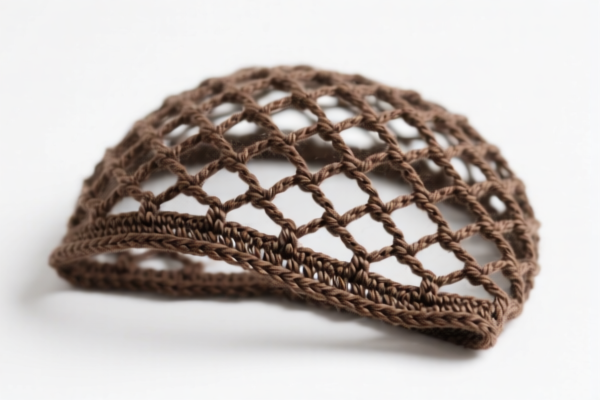
AI Analysis
🧶 Braided Rope, Cord, Belt & Strapping (Textile & Plastic-Based)
🌐 HS Code & Tariff Guide | 2026 Updated Duty Breakdown | Expert Customs Clearance Strategy
📌 One Product, Four Key Classifications – Know Which One Applies to You!
Braided ropes, cords, straps, and bands are widely used in packaging, construction, agriculture, marine, and industrial applications. Despite their similar appearance, small differences in form, material, and structure lead to very different HS codes and tariffs — especially under U.S. trade enforcement policies.
⚠️ Critical Insight:
- Rope-like or belt-shaped → Higher tariff due to "textile" classification
- Fine cord or cable-like → Still high duty, but different code
- Made from plastic or synthetic fiber → May fall under plastic products → slightly lower base rate
- All are subject to 10% IEEPA + 25% USITC (Section 301) if from China
📦 Two Main Categories: Textile vs. Plastic
✅ Material & Form Determine the HS Code
❌ Don’t assume “braided” = same code!
| HS Code | Product Description | Form | Material | Key Distinction |
|---|---|---|---|---|
5607.49.10.00 |
Braided rope, belt, or strap (rope-like or band-shaped) | Rope/Belt | Polyethylene, Polypropylene, or other synthetic fibers | Textile-like form, not fine cord |
5607.49.30.00 |
Braided cord, cable, or thread (fine, thread-like) | Fine Cord/Cable | Plastic (e.g., PE, PP) | Thin, flexible, thread-like — not broad band |
3926.90.99.89 |
Braided rope/strap made of plastic or synthetic fiber | Any shape | Plastic or synthetic fiber | Plastic product, not textile — broader category |
3926.90.85.00 |
Braided rope/strap made from polyester, nylon, or other plastic fibers | Any shape | Polyester, nylon, etc. | Synthetic fiber, but classified under plastic products |
🔍 Why the Split?
- HS 5607.49 = Textile-based braided goods (even if synthetic)
- HS 3926.90 = Plastic products, even if braided — lower base tariff
💰 2026 U.S. Tariff Breakdown (China-Origin Goods)
✅ Applicable to all 4 HS Codes
✅ Effective Date: November 10, 2025 (including all future imports)
✅ Origin: China (CN) — triggers full附加 tariffs
🎯 1. 5607.49.10.00 — Braided Rope/Belt (Rope-like or Band-shaped), Synthetic Fiber
| Item | Detail |
|---|---|
| Base Duty | 2.7% (ad valorem) |
| USITC Section 301 Tariff | +25.0% |
| IEEPA (International Emergency Economic Powers Act) | +10.0% |
| Total Effective Duty | 37.7% |
| Tax Calculation | CIF Value × 37.7% |
| De Minimis Exemption? | ❌ No (denied under U.S. law) |
| Legal Basis Path | IEEPA:9903.01.25 → USITC:5607.49.10.00 → FOOTNOTE:9903.88.01 |
📌 Explanation:
- "USITC 25%" = Section 301 Tariff on Chinese goods under U.S. Trade Act
- "IEEPA 10%" = Emergency economic powers targeting China (since 2025)
- Total: 37.7% — high but not the highest in this group
🎯 2. 5607.49.30.00 — Braided Cord/Cable (Fine, Thread-like), Plastic Material
| Item | Detail |
|---|---|
| Base Duty | 3.6% |
| USITC Section 301 Tariff | +25.0% |
| IEEPA Tariff | +10.0% |
| Total Effective Duty | 38.6% |
| Tax Calculation | CIF × 38.6% |
| De Minimis? | ❌ No |
| Legal Basis Path | IEEPA:9901.25 → USITC:5607.49.30.00 → FOOTNOTE:9903.88.01 |
📌 Why Higher?
- Though similar in material, fine cord is treated as higher-risk under U.S. trade policy
- Classified under textile category despite plastic origin → triggers full 301 + IEEPA
🎯 3. 3926.90.99.89 — Braided Rope/Strap, Plastic or Synthetic Fiber, "Other" Plastic Product
| Item | Detail |
|---|---|
| Base Duty | 5.3% |
| USITC Section 301 Tariff | +7.5% |
| IEEPA Tariff | +10.0% |
| Total Effective Duty | 22.8% |
| Tax Calculation | CIF × 22.8% |
| De Minimis? | ❌ No |
| Legal Basis Path | IEEPA:9901.25 → USITC:3926.90.99.89 → FOOTNOTE:9903.88.01 |
📌 Key Advantage:
- Lower base rate because it’s classified under plastic products (3926)
- USITC tariff reduced to 7.5% — not 25%
- Best option for plastic-based braided goods — save 15%+ in duty
🎯 4. 3926.90.85.00 — Braided Rope/Strap, Made from Polyester, Nylon, or Plastic Fibers
| Item | Detail |
|---|---|
| Base Duty | 6.5% |
| USITC Section 301 Tariff | +7.5% |
| IEEPA Tariff | +10.0% |
| Total Effective Duty | 24.0% |
| Tax Calculation | CIF × 24.0% |
| De Minimis? | ❌ No |
| Legal Basis Path | IEEPA:9901.25 → USITC:3926.90.85.00 → FOOTNOTE:9903.88.01 |
📌 Why This Code?
- Specifically for synthetic fiber (polyester, nylon) made into braided form
- Still under plastic product category, so lower 301 tariff (7.5%)
- Best for high-performance, industrial-grade braided cords
🛠️ Customs Clearance Pro Tips (Avoid Costly Mistakes!)
✅ 1. Documentation Must-Haves (No Exceptions!)
| Document | Required? | Why It Matters |
|---|---|---|
| ✅ Product Specs (Material, Diameter, Length) | ✔️ | Proves whether it's plastic or textile |
| ✅ Material Certificates (e.g., FDA, RoHS, REACH) | ✔️ | Supports plastic product classification |
| ✅ High-Res Product Photos (360°, close-up) | ✔️ | Shows form (rope vs. fine cord) |
| ✅ Commercial Invoice (Clear Description) | ✔️ | Must say: "Braided Polypropylene Rope, 5mm, 10m" |
| ✅ Packing List | ✔️ | Shows bulk vs. unit packaging |
| ✅ Certificate of Origin (CO) | ✔️ | Critical for IEEPA/USITC exemptions |
| ✅ Test Report (e.g., tensile strength, flammability) | ✔️ | Supports plastic product claim |
✅ 2. 申报技巧 (The Golden Rule)
🔥 "Form + Material = Code" — Never Guess!
| Scenario | Correct HS Code | Wrong Code | Risk |
|---|---|---|---|
| Braided rope, 10mm wide, polypropylene | 5607.49.10.00 |
3926.90.99.89 |
Higher duty |
| Fine braided cord, 2mm diameter, PE | 5607.49.30.00 |
3926.90.85.00 |
Higher duty |
| Braided strap, polyester, 12mm, plastic-based | 3926.90.85.00 |
5607.49.10.00 |
Missed savings |
| Plastic rope, 8mm, PE, no textile look | 3926.90.99.89 |
5607.49.30.00 |
Save 14% duty! |
✅ 3. Special Cases & Workarounds
| Situation | Recommended Action |
|---|---|
| Product looks like textile but is plastic | Use 3926.90.99.89 or 3926.90.85.00 — prove plastic origin |
| Mixed material (plastic + fiber) | Apply for Advance Ruling — avoid misclassification |
| Low-value shipment (<$150) | ❌ No de minimis relief — still pay full 22.8%–38.6% |
| Export from Vietnam/Mexico/Thailand | ✅ Apply for IEEPA/USITC exemption — 0% duty |
| Re-export from U.S. to Canada/Mexico | Check USMCA rules — possible duty-free |
🌍 Global Duty Comparison (2026)
| Country | Best HS Code | Base Duty | 301/IEEPA? | Notes |
|---|---|---|---|---|
| 🇺🇸 USA | 3926.90.99.89 |
5.3% | +17.5% (25% + 10%) | Total: 22.8% |
| 🇨🇳 China | 3926.90.99.89 |
5% | No | No extra tariffs |
| 🇪🇺 EU | 3926.90.99.89 |
0% (if CE) | No | No 301/IEEPA |
| 🇦🇺 Australia | 3926.90.99.89 |
5% | No | No extra |
| 🇯🇵 Japan | 3926.90.99.89 |
0% | No | No extra |
📌 Takeaway:
- U.S. is the only market with 301 + IEEPA tariffs
- Plastic-based braided goods are best in 3926 codes — save 15%+
- Vietnam/Mexico/Thailand origin = 0% duty — shift production if possible
📌 Common Mistakes & How to Avoid Them
❌ Mistake 1: Calling all braided goods "rope" — no matter the form
👉 Result: Misclassified as 5607.49.10.00 → 37.7% duty when you could have paid 22.8%
❌ Mistake 2: Using "synthetic fiber" in description without proving plastic origin
👉 Result: Classified as textile → higher duty + audit risk
❌ Mistake 3: Not providing material proof or photos
👉 Result: Customs may default to textile code → pay 38.6% instead of 22.8%
❌ Mistake 4: Shipment from China without CO or test report
👉 Result: Delayed release, penalties, or even seizure
✅ Correct Way to Describe:
"Braided Polypropylene Strap, 10mm width, 1m length, made from plastic fiber, not textile — for industrial packaging"
🎯 Final Verdict: Choose Wisely, Save Big!
🔹 If plastic-based → Use
3926.90.99.89or3926.90.85.00
🔹 If textile-like → Use5607.49.10.00or5607.49.30.00
🔹 If from Vietnam/Mexico/Thailand → Apply for 0% duty
🔹 If from China → Prove plastic origin, avoid textile code
📣 Action Now: Avoid 38.6% Tax — Save 15%+!
📞 Contact a U.S. Customs Broker + Request HS Code Pre-Ruling
🚀 Submit product photos, material certs, and specs
💼 Get a binding decision before shipment — no surprises, no penalties
✨ Pro Tip:
"Plastic ≠ Textile" in U.S. Customs — even if it looks like rope!
Form matters: rope vs. cord vs. band → each has its own code.
📌 Your Braided Rope’s Fate Starts with the Right HS Code
💼 One mistake = 15% more duty. One smart choice = real savings.
🎯 Your product. Your cost. Your control.
✅ Get it right — from the start!
Customer Reviews
About HS Code Classification
The Harmonized System (HS) is an internationally standardized nomenclature developed by the World Customs Organization (WCO) to classify traded products. Over 200 countries use the HS system as the basis for customs tariffs, trade statistics, and import/export regulations.
Each HS code follows a hierarchical structure:
- Chapter (2 digits) — Broad category of goods (e.g., Chapter 84: Machinery and Mechanical Appliances)
- Heading (4 digits) — More specific grouping within the chapter
- Subheading (6 digits) — Internationally standardized breakdown, used by all WCO member countries
- National subdivisions (8-10 digits) — Country-specific extensions for further classification, such as US HTSUS 10-digit codes
Correct HS code classification is essential for smooth customs clearance, accurate duty payment, and compliance with trade regulations. Misclassification can lead to customs delays, overpayment of duties, or penalties.
When importing from CN to US, the applicable tariff rates may include:
- Most-Favored-Nation (MFN) rate — The standard duty rate applied to WTO members
- General rate — Applied to countries without trade agreements
- Trade remedy duties — Additional tariffs such as Section 301 (anti-dumping), Section 232 (national security), or countervailing duties
The information provided on this page is for reference purposes only. For official classification, please consult with your local customs authority or a licensed customs broker.