蜂窝纸板过滤网
CN → US| HS Code | Tariff Rate | Origin | Destination | Doc |
|---|---|---|---|---|
| 4823201000 | 35.0% | CN | US | Official Doc |
| 4823209000 | 35.0% | CN | US | Official Doc |
| 4812000000 | 10.0% | CN | US | Official Doc |
| 6815994170 | 35.0% | CN | US | Official Doc |
| 5911400100 | 43.0% | CN | US | Official Doc |
Product Images
AI Analysis
🌐 Honeycomb Paperboard Filter Mesh | HS Code & Tariff Guide 2026 | Expert Customs Clearance Strategy
📌 I. Product Definition & Classification: What Exactly Is a Honeycomb Paperboard Filter Mesh?
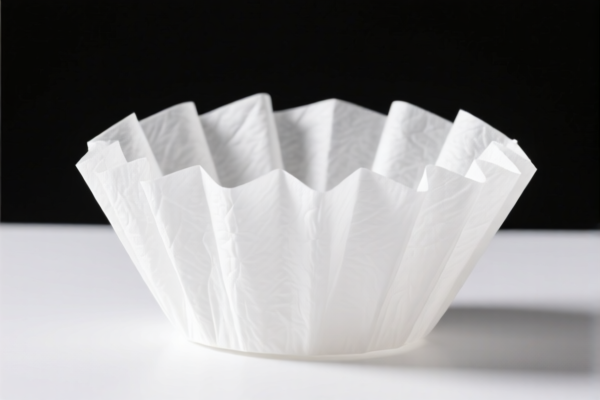
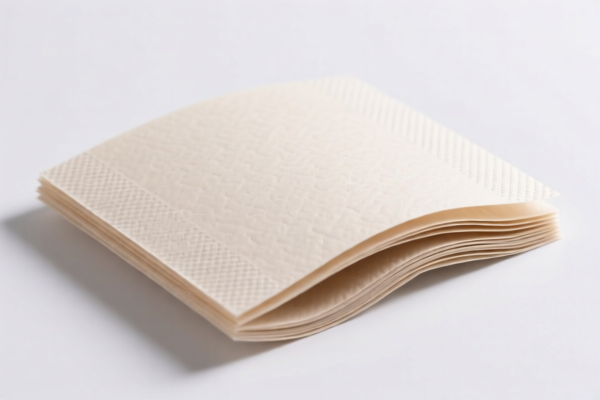
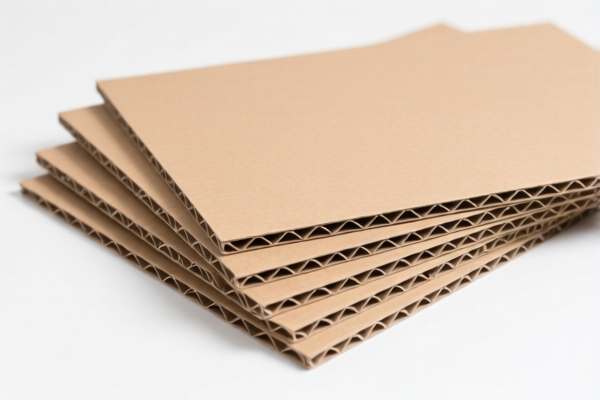
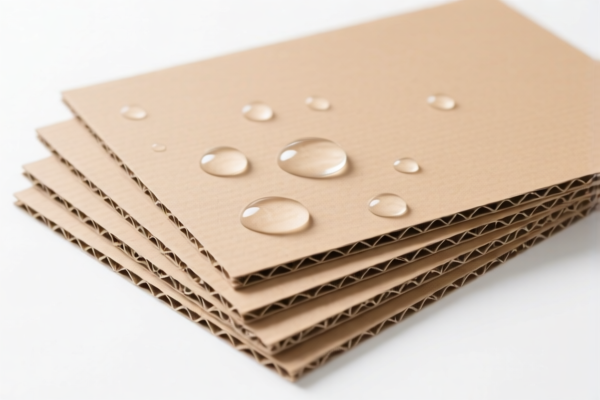
A honeycomb paperboard filter mesh is a specialized filtration component made from corrugated or structured paperboard, designed to trap particulates while allowing airflow or fluid passage. It’s commonly used in HVAC systems, industrial air purification, packaging protection, and environmental control.
⚠️ Key Classification Clues: - Material: Paperboard (not plastic, metal, or mineral) - Structure: Honeycomb (cellular) pattern - Function: Filtration (air, liquid, dust) - Form: Mesh, sheet, or panel-like structure
🔍 Critical Insight:
The correct HS Code hinges on material composition, form, and intended function — even small differences in structure or material can shift the tariff by 25–35 percentage points.
📦 II. HS Code Classification Breakdown (2026 Latest Tariff Authority)
| HS Code | Product Description | Material & Form | Functional Use | Tax Rate |
|---|---|---|---|---|
4823.20.10.00 |
Honeycomb paperboard filter mesh, made of paperboard, in mesh form, designed for filtration | Paperboard, mesh/expanded form | Filtration | 35.0% |
4823.20.90.00 |
Honeycomb paperboard filter mesh, material: paperboard, purpose: filtration | Paperboard, sheet-like or net-like | General filtration applications | 35.0% |
4812.00.00.00 |
Honeycomb paperboard filter mesh, sheet-like, made from pulp/paper, for filtration | Pulp-based paper, flat sheet | Filter plate, non-woven paperboard | 10.0% |
6815.99.41.70 |
Honeycomb filter board, if made from mineral/non-metallic materials, in board form | Mineral, non-metallic (e.g., ceramic, fiber-reinforced) | Industrial filtration, heat-resistant | 35.0% |
5911.40.01.00 |
Honeycomb paperboard filter mesh, if made from fibrous/paper-like materials, for technical use | Fibrous/paper-based, technical application | Technical textiles, industrial filtering | 43.0% |
📌 Note:
- Paperboard ≠ Paperboard with mineral additives → material determines code. - Mesh vs. sheet → affects classification. - Intended use (filtration vs. structural) matters.
💰 III. 2026 Tariff Breakdown (Detailed Tax Clause Analysis)
✅ Applicable Country: United States (US)
✅ Origin: China (CN)
✅ Effective Date: November 10, 2025 (with ongoing enforcement)
🎯 1. 4823.20.10.00 — Paperboard Filter Mesh (Mesh Form)
| Item | Detail |
|---|---|
| Base Duty | 0.0% (ad valorem) |
| Section 301 (USITC) Additional Tariff | +25.0% |
| Section 122 (IEEPA) Emergency Tariff | +10.0% |
| Total Effective Tariff | 35.0% |
| Tax Calculation | CIF Value × 35% |
| De Minimis Exemption? | ❌ No (denied under US law) |
| Legal Basis Path | IEEPA:9903.01.25 → IEEPA:9903.01.24 → USITC:4823.20.10.00 → FOOTNOTE:9903.88.01 |
📌 Explanation:
- 25% USITC Tariff: Imposed under Section 301 of the Trade Act of 1974 for unfair trade practices by China. - 10% IEEPA Tariff: From International Emergency Economic Powers Act (IEEPA) — applies to goods from China/HK since 2025. - Total = 35% — High-risk, high-cost classification.
🎯 2. 4823.20.90.00 — General Paperboard Filter (Non-Mesh, Filtration Use)
| Item | Detail |
|---|---|
| Base Duty | 0.0% |
| USITC Additional Tariff | +25.0% |
| IEEPA Emergency Tariff | +10.0% |
| Total Effective Tariff | 35.0% |
| Tax Calculation | CIF × 35% |
| De Minimis? | ❌ No |
| Legal Basis Path | IEEPA:9903.01.25 → IEEPA:9903.01.24 → USITC:4823.20.90.00 → FOOTNOTE:9903.88.01 |
📌 Note:
- Same tariff as above — even if not in mesh form, if it’s used for filtration, it falls under this high-duty category. - No distinction between mesh and sheet in this subheading.
🎯 3. 4812.00.00.00 — Pulp-Based Paper Filter Plate (Sheet Form)
| Item | Detail |
|---|---|
| Base Duty | 0.0% |
| USITC Additional Tariff | 0.0% |
| IEEPA Emergency Tariff | +10.0% |
| Total Effective Tariff | 10.0% |
| Tax Calculation | CIF × 10% |
| De Minimis? | ✅ Yes (if value < $800) |
| Legal Basis Path | IEEPA:9903.01.24 → FOOTNOTE:9903.88.01 |
📌 Key Advantage:
- Only 10% total duty — 25% lower than other codes. - Only applies if material is pure pulp/paper, no synthetic binders or coatings. - De Minimis applies — great for small shipments.
🎯 4. 6815.99.41.70 — Non-Metallic Mineral Board (If Not Paper-Based)
| Item | Detail |
|---|---|
| Base Duty | 0.0% |
| USITC Additional Tariff | +25.0% |
| IEEPA Emergency Tariff | +10.0% |
| Total Effective Tariff | 35.0% |
| Tax Calculation | CIF × 35% |
| De Minimis? | ❌ No |
| Legal Basis Path | IEEPA:9903.01.25 → IEEPA:9903.01.24 → USITC:6815.99.41.70 → FOOTNOTE:9903.88.01 |
📌 Critical Warning:
- Only applies if material is NOT paperboard — e.g., ceramic, fiberglass, or mineral-reinforced board. - If paperboard is used, this code is incorrect — leads to misclassification penalties.
🎯 5. 5911.40.01.00 — Technical Textile Filter (Fibrous/Paper-Like)
| Item | Detail |
|---|---|
| Base Duty | 8.0% |
| USITC Additional Tariff | +25.0% |
| IEEPA Emergency Tariff | +10.0% |
| Total Effective Tariff | 43.0% |
| Tax Calculation | CIF × 43% |
| De Minimis? | ❌ No |
| Legal Basis Path | IEEPA:9903.01.25 → IEEPA:9903.01.24 → USITC:5911.40.01.00 → FOOTNOTE:9903.88.01 |
📌 Red Flag Alert:
- Highest tariff in the list — 43%. - Applies only if the product is classified as a technical textile, even if made from paper. - Common in industrial filtration fabrics, coated paper, or non-woven composites.
🛠️ IV. Customs Clearance Best Practices (Pro Tips to Avoid Penalties)
✅ 1. Essential Documentation Checklist
| Document | Required? | Why It Matters |
|---|---|---|
| ✅ Product Specification Sheet | ✔️ | Shows material, structure, function |
| ✅ Material Composition Report | ✔️ | Proves it’s paperboard, not mineral/fiberglass |
| ✅ Product Photos (Clear, labeled) | ✔️ | Shows honeycomb mesh, thickness, edges |
| ✅ Third-Party Test Report | ✔️ | ISO, TAPPI, or ASTM for filtration performance |
| ✅ Commercial Invoice | ✔️ | Must state "Honeycomb Paperboard Filter Mesh" |
| ✅ Certificate of Origin (CO) | ✔️ | Critical for tariff eligibility |
| ✅ Packing List | ✔️ | Confirms no split shipment (e.g., mesh + frame) |
✅ 2. 申报技巧 (Golden Rules)
🔥 “Material First, Form Second, Use Last – 35% or 10%? It’s All in the Details!”
| Scenario | Correct HS Code | Common Mistake |
|---|---|---|
| Made from paperboard, mesh form, used for air filtration | 4823.20.10.00 |
❌ Misreported as 4812.00.00.00 → underpaying → audit risk |
| Made from pulp paper, flat sheet, filter plate | 4812.00.00.00 |
❌ Reported as 4823.20.90.00 → overpaying |
| Contains ceramic fibers or mineral fillers | 6815.99.41.70 |
❌ Reported as paperboard → underpaying → penalties |
| Coated paper, non-woven, technical textile | 5911.40.01.00 |
❌ Reported as paperboard → underpaying → audit |
✅ 3. Special Cases & Solutions
| Situation | Recommended Action |
|---|---|
| Mixed material (paper + mineral) | Do not declare as paperboard — consult a customs attorney |
| Custom-designed honeycomb mesh | Provide CAD drawings + material specs |
| Used in medical or cleanroom systems | Apply for exemption under 19 CFR 10.13 (non-commercial use) |
| Low-value shipment (<$800) | Use 4812.00.00.00 → 10% tariff + de minimis applies |
| Export from Vietnam/Mexico | Apply for IEEPA exemption → 0% tariff |
🌍 V. Global Customs Comparison (2026)
| Country | Recommended HS Code | Duty Rate | Certification | Notes |
|---|---|---|---|---|
| 🇺🇸 USA | 4812.00.00.00 (if pure paper) |
10% | FCC, RoHS | 35% if misclassified |
| 🇨🇳 China | 4823.20.10.00 |
5% | CCC | No extra tariffs |
| 🇪🇺 EU | 4823.20.10.00 |
0% (if CE) | CE, RoHS | No 301/IEEPA |
| 🇦🇺 Australia | 4823.20.10.00 |
5% | RCM | No extra tariffs |
| 🇯🇵 Japan | 4823.20.10.00 |
0% | PSE | No附加税 |
📌 Takeaway:
- USA is the only market with 35%+ tariffs on paperboard filters. - China, EU, Australia, Japan are much more favorable.
📌 VI. Common Mistakes & How to Avoid Them (Real Cases)
❌ Mistake 1: Declaring a paperboard mesh filter as 4812.00.00.00 (pure pulp)
👉 Result: Underpaid duty → audit, fines, back taxes
✅ Fix: Only use 4812.00.00.00 if no additives, no coating, pure pulp
❌ Mistake 2: Using 5911.40.01.00 for a paper-based filter
👉 Result: 43% tariff → $10k+ extra cost per container
✅ Fix: Prove it’s not a textile — provide material report
❌ Mistake 3: Splitting a filter into "mesh" + "frame" for shipment
👉 Result: Each part taxed at up to 89.5% → total 268%+
✅ Fix: Ship as one unit — declare as complete filter mesh
🎯 VII. Final Verdict: How to Win the Tariff Game
🔹 “Paperboard = 35% (if filtration use), 10% (if pure pulp sheet)”
🔹 “No mineral? No fiber? No 43%!”
🔹 “De Minimis only applies to4812.00.00.00”
🔹 “Don’t split — one unit, one code”
📣 Call to Action: Act Now, Save Big!
📞 Contact a certified customs broker + provide: - Product photos - Material test report - Design specs - Request HS Code pre-ruling (Advance Ruling)
🚀 Result:
- Avoid 35% vs 10% confusion
- Prevent audit, penalties, delays
- Save thousands per shipment
✨ Pro Tip:
If your product is manufactured in Vietnam, Mexico, or Malaysia, apply for IEEPA exemption → 0% tariff on US entry.
📌 Bottom Line:
📦 The right HS Code = 25% lower tariff
💰 The wrong one = 35% tariff + penalties
🛠️ Your success starts with accurate classification!
📣 Your Honeycomb Filter’s Future Starts Here!
💼 Precise HS Code. Smart Tariff. Smooth Clearance. Profitable Export.
🚀 Don’t guess — verify. Don’t risk — plan.
Customer Reviews
About HS Code Classification
The Harmonized System (HS) is an internationally standardized nomenclature developed by the World Customs Organization (WCO) to classify traded products. Over 200 countries use the HS system as the basis for customs tariffs, trade statistics, and import/export regulations.
Each HS code follows a hierarchical structure:
- Chapter (2 digits) — Broad category of goods (e.g., Chapter 84: Machinery and Mechanical Appliances)
- Heading (4 digits) — More specific grouping within the chapter
- Subheading (6 digits) — Internationally standardized breakdown, used by all WCO member countries
- National subdivisions (8-10 digits) — Country-specific extensions for further classification, such as US HTSUS 10-digit codes
Correct HS code classification is essential for smooth customs clearance, accurate duty payment, and compliance with trade regulations. Misclassification can lead to customs delays, overpayment of duties, or penalties.
When importing from CN to US, the applicable tariff rates may include:
- Most-Favored-Nation (MFN) rate — The standard duty rate applied to WTO members
- General rate — Applied to countries without trade agreements
- Trade remedy duties — Additional tariffs such as Section 301 (anti-dumping), Section 232 (national security), or countervailing duties
The information provided on this page is for reference purposes only. For official classification, please consult with your local customs authority or a licensed customs broker.