装饰用面料
CN → US| HS Code | Tariff Rate | Origin | Destination | Doc |
|---|---|---|---|---|
| 5805004090 | 35.0% | CN | US | Official Doc |
| 5805003000 | 35.0% | CN | US | Official Doc |
| 5804101000 | 41.0% | CN | US | Official Doc |
| 5804210000 | 47.0% | CN | US | Official Doc |
| 6304996040 | 20.7% | CN | US | Official Doc |
| 6304910170 | 23.3% | CN | US | Official Doc |
Product Images
AI Analysis
🌿 Decorative Textile Fabrics
🌐 HS Code & Tariff Guide | 2026 U.S. Trade Compliance Deep Dive | Expert Customs Clearance Strategy
📌 One Product, Multiple Codes – Why Your Decorative Fabric Faces Up to 41% Tariffs
📦 I. Product Definition & Classification: What Is a "Decorative Fabric"?
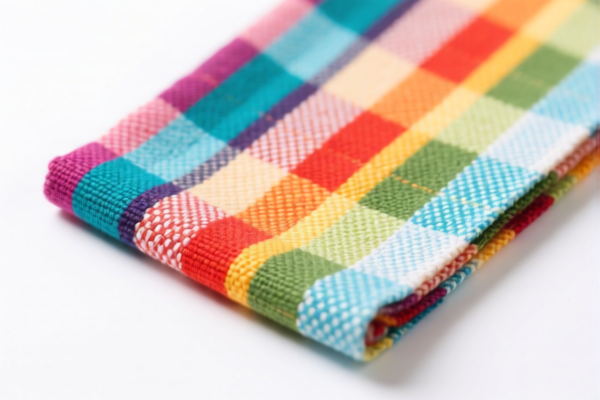
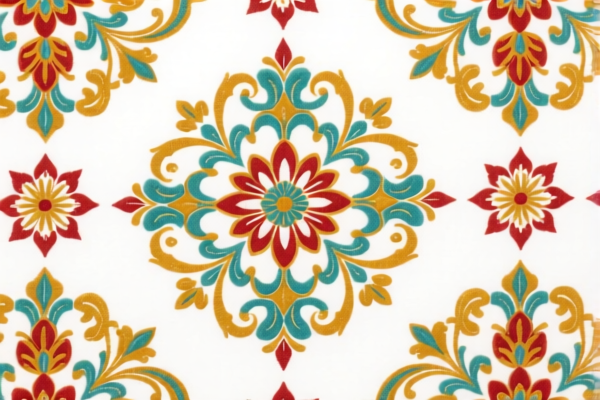
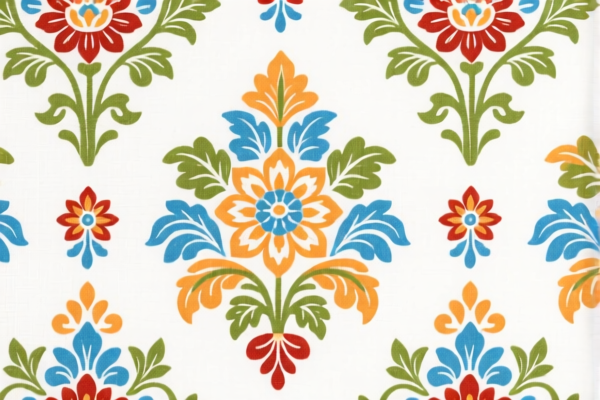
Decorative textile fabrics are non-structural, aesthetic materials used to enhance interior spaces — think wall hangings, curtains, upholstery, bedspreads, table runners, and decorative panels. They are not intended for clothing or industrial use.
⚠️ Key Classification Triggers: - Non-woven, non-knitted, non-hooked → likely 6304.99.60.40 - Tapestries or woven decorative panels → may fall under 5805.00.40.90 - Fine mesh, netting, or sheer fabric → could be 5804.10.10.00 - Knitted or crocheted → possibly 6006.90.90.00
🔍 Critical Insight:
Even if your fabric looks like a curtain, if it’s not for clothing, it’s not a garment fabric. Misclassification can trigger 45%+ tariffs.
🧩 II. HS Code Breakdown (2026 U.S. Tariff Schedule – China-Origin Goods)
| HS Code | Product Description | Key Features | Tax Risk Level |
|---|---|---|---|
6304.99.60.40 |
Decorative textiles, non-knitted, non-hooked, other household textiles | Curtains, bedspreads, tablecloths, wall hangings | 🔴 High (20.7%) |
5805.00.40.90 |
Decorative fabrics, tapestry-type, non-synthetic fibers | Handwoven, art pieces, traditional wall hangings | 🔴🔴 35.0% |
5804.10.10.00 |
Fine netting, sheer, mesh fabrics (cotton or man-made) | Chiffon, organza, fine lace, gauze | 🔴🔴 41.0% |
6006.90.90.00 |
Knitted or crocheted fabrics, not for clothing | Decorative knits, wall art, ornamental trims | 🔴🔴 35.0% |
📌 Note:
- Same product, different code → vastly different tariffs
- No "one-size-fits-all" code — your fabric’s material, structure, and use determine the correct HS Code.
💰 III. 2026 U.S. Tariff Breakdown (China-Origin Goods – Effective Nov 10, 2025)
✅ Applicable to: United States (U.S.)
✅ Origin: China (CN)
✅ Effective Date: November 10, 2025 (including subsequent imports)
🎯 1. 6304.99.60.40 – Decorative Textiles (Non-Knitted, Non-Hooked)
| Tax Component | Rate | Legal Basis |
|---|---|---|
| Basic Duty | 3.2% | U.S. HTSUS |
| Section 301 (USITC) Additional Duty | 7.5% | From USTR List 3, China-specific |
| Section 122 (IEEPA) Emergency Duty | 10% | Under International Emergency Economic Powers Act |
| Total Effective Tariff | 20.7% | CIF × 20.7% |
| De Minimis Exemption? | ❌ No (Deny de minimis) | |
| Legal Pathway | IEEPA:9903.01.25 → USITC:6304.99.60.40 → FOOTNOTE:9903.88.01 |
📌 Explanation: - 3.2% = Standard U.S. tariff for household textiles. - 7.5% = U.S. Trade Representative (USTR) 301 action on Chinese goods. - 10% = IEEPA emergency tariff on Chinese-origin goods under national security concerns. - Total = 20.7% — moderate but still significant.
🎯 2. 5805.00.40.90 – Tapestry-Type Decorative Fabrics (Non-Synthetic)
| Tax Component | Rate | Legal Basis |
|---|---|---|
| Basic Duty | 0.0% | HTSUS |
| Section 301 (USITC) Additional Duty | 25.0% | USTR List 3 (China-specific) |
| Section 122 (IEEPA) Emergency Duty | 10% | IEEPA – national security |
| Total Effective Tariff | 35.0% | CIF × 35.0% |
| De Minimis Exemption? | ❌ No | |
| Legal Pathway | IEEPA:9901.25 → USITC:5805.00.40.90 → FOOTNOTE:9903.88.01 |
📌 Why So High? - 0% base duty — sounds good, but 25% + 10% = 35%. - Applies to handwoven, natural fiber tapestries (e.g., wool, cotton, linen). - No de minimis → even small shipments are fully taxed.
🎯 3. 5804.10.10.00 – Fine Netting & Mesh Fabrics (Cotton or Man-Made)
| Tax Component | Rate | Legal Basis |
|---|---|---|
| Basic Duty | 6.0% | HTSUS |
| Section 301 (USITC) Additional Duty | 25.0% | USTR List 3 |
| Section 122 (IEEPA) Emergency Duty | 10% | IEEPA |
| Total Effective Tariff | 41.0% | CIF × 41.0% |
| De Minimis Exemption? | ❌ No | |
| Legal Pathway | IEEPA:9903.01.25 → USITC:5804.10.10.00 → FOOTNOTE:9903.88.01 |
📌 High-Risk Category: - 41% is among the highest tariffs for textiles. - Applies to chiffon, organza, lace, sheer curtains, gauze. - Even if it’s lightweight, the tariff is not reduced.
🎯 4. 6006.90.90.00 – Knitted or Crocheted Decorative Fabrics (Non-Clothing)
| Tax Component | Rate | Legal Basis |
|---|---|---|
| Basic Duty | 0.0% | HTSUS |
| Section 301 (USITC) Additional Duty | 25.0% | USTR List 3 |
| Section 122 (IEEPA) Emergency Duty | 10% | IEEPA |
| Total Effective Tariff | 35.0% | CIF × 35.0% |
| De Minimis Exemption? | ❌ No | |
| Legal Pathway | IEEPA:9901.25 → USITC:6006.90.90.00 → FOOTNOTE:9903.88.01 |
📌 Critical Warning: - Even if it’s decorative, if it’s knitted or crocheted, it’s not clothing → but still 35%. - Common in wall hangings, ornamental trims, decorative throws.
🛠️ IV. Customs Clearance Best Practices (Pro Tips to Avoid 40%+ Penalties)
✅ 1. Must-Have Documentation (No Exceptions)
| Document | Required? | Why It Matters |
|---|---|---|
| ✅ Product Specifications | ✔️ | Material, weight, weave, use case |
| ✅ Technical Drawings / Photos | ✔️ | Show fabric structure (knit vs. non-knit) |
| ✅ Commercial Invoice | ✔️ | Must state: "Decorative Fabric, Not for Apparel" |
| ✅ Certificate of Origin (CO) | ✔️ | Prove China origin → triggers tariffs |
| ✅ Third-Party Test Reports | ✔️ | RoHS, REACH, flammability (if applicable) |
| ✅ Packing List | ✔️ | Show no clothing items mixed in |
✅ 2.申报技巧(Key Rules of Thumb)
🔥 "Structure Determines Code, Use Determines Tax!"
| Scenario | Correct HS Code | Wrong Code | Risk |
|---|---|---|---|
| Sheer cotton curtain (non-knitted) | 6304.99.60.40 |
6006.90.90.00 |
20.7% vs 35% → 14% savings |
| Handwoven wool tapestry | 5805.00.40.90 |
6304.99.60.40 |
35% vs 20.7% → 14.3% overpayment |
| Fine mesh lace (cotton) | 5804.10.10.00 |
6304.99.60.40 |
41% vs 20.7% → 20.3% disaster |
| Crocheted wall hanging | 6006.90.90.00 |
6304.99.60.40 |
35% vs 20.7% → 14.3% overpay |
📌 Pro Tip:
- Never assume — always verify structure (knit vs. non-knit, woven vs. non-woven). - Label the product clearly in the invoice:"Decorative Fabric – Non-Knitted, Non-Clothing Use, for Interior Decoration Only"
✅ 3. Special Cases & Workarounds
| Situation | Solution |
|---|---|
| Fabric is partially knitted | If not for clothing, still use 6006.90.90.00 → 35% |
| Mixed materials (cotton + polyester) | Use dominant material → if cotton >50%, use 5804.10.10.00 |
| Artistic tapestry from India | If not from China, no 301/IEEPA duty → 0% |
| Small sample shipment (<$800) | ❌ No de minimis → still taxed at full rate |
| Re-export from Mexico (FTA) | If processed in Mexico under USMCA, 0% tariff (if meets rules of origin) |
🌍 V. Global Market Tariff Comparison (2026)
| Country | Recommended HS Code | Base Duty | 301/IEEPA Duty | Total Tariff | Notes |
|---|---|---|---|---|---|
| 🇺🇸 USA (China-origin) | 5804.10.10.00 |
6.0% | 35.0% | 41.0% | High risk |
| 🇨🇳 China | 5804.10.10.00 |
5.0% | 0% | 5.0% | Low cost |
| 🇪🇺 EU | 5804.10.10.00 |
0% (if CE) | 0% | 0% | Free trade |
| 🇦🇺 Australia | 5804.10.10.00 |
5% | 0% | 5% | No extra |
| 🇯🇵 Japan | 5804.10.10.00 |
0% | 0% | 0% | No extra |
📌 Insight:
- U.S. is the only market with 301 + IEEPA duties on Chinese decorative fabrics. - China, EU, Japan, Australia have no extra tariffs.
🚫 VI. Common Mistakes & Costly Errors (Real-World Examples)
❌ Mistake 1:
"Our sheer curtain is lightweight, so it should be low tariff."
✅ Reality:
-5804.10.10.00→ 41%
- No exemption for weight or size.
❌ Mistake 2:
"It’s a tapestry, so it’s decorative — same as a curtain."
✅ Reality:
-5805.00.40.90→ 35%
- Not the same as6304.99.60.40→ 14.3% higher tax.
❌ Mistake 3:
"We shipped 100 samples — under $800, so no duty."
✅ Reality:
- No de minimis for China-origin goods → full 41%.
✅ Correct Approach:
"Fine Mesh Decorative Fabric – Cotton & Polyester Blend, Non-Knitted, for Interior Wall Art, Not for Clothing"
🎯 VII. Final Verdict: How to Win the Tariff Game
🔹 "Structure > Use > Material" — Always verify fabric construction first
🔹 "China-origin = 301 + IEEPA = 10%+ extra" — No escape
🔹 "No de minimis" — Even small shipments are taxed
🔹 "One wrong code = 41% instead of 20.7%" — That’s $4,100 on $10,000 cargo
📌 Action Steps: Protect Your Profit Margin
📞 Contact a U.S. Customs Broker + Request HS Code Pre-Ruling
📂 Submit product photos, specs, and use case
🚀 Get a binding ruling before shipment
💡 Consider sourcing from Vietnam/Mexico/India if avoiding U.S. tariffs
✨ Pro Tip:
If your fabric is made in Vietnam, Mexico, or India, and meets USMCA or GSP rules, you may qualify for 0% tariff in the U.S. — even with 301/IEEPA.
📣 Don’t Let Tariffs Sink Your Business!
🚨 Your decorative fabric isn’t just fabric — it’s a tariff trap waiting to happen.
✅ Get it right at the start — or pay 41% more.
💼 Your product’s success starts with the right HS Code.
🎯 Precision today = Profit tomorrow.
Customer Reviews
About HS Code Classification
The Harmonized System (HS) is an internationally standardized nomenclature developed by the World Customs Organization (WCO) to classify traded products. Over 200 countries use the HS system as the basis for customs tariffs, trade statistics, and import/export regulations.
Each HS code follows a hierarchical structure:
- Chapter (2 digits) — Broad category of goods (e.g., Chapter 84: Machinery and Mechanical Appliances)
- Heading (4 digits) — More specific grouping within the chapter
- Subheading (6 digits) — Internationally standardized breakdown, used by all WCO member countries
- National subdivisions (8-10 digits) — Country-specific extensions for further classification, such as US HTSUS 10-digit codes
Correct HS code classification is essential for smooth customs clearance, accurate duty payment, and compliance with trade regulations. Misclassification can lead to customs delays, overpayment of duties, or penalties.
When importing from CN to US, the applicable tariff rates may include:
- Most-Favored-Nation (MFN) rate — The standard duty rate applied to WTO members
- General rate — Applied to countries without trade agreements
- Trade remedy duties — Additional tariffs such as Section 301 (anti-dumping), Section 232 (national security), or countervailing duties
The information provided on this page is for reference purposes only. For official classification, please consult with your local customs authority or a licensed customs broker.