过滤布
CN → US| HS Code | Tariff Rate | Origin | Destination | Doc |
|---|---|---|---|---|
| 5907003500 | 43.0% | CN | US | Official Doc |
| 5603949090 | 35.0% | CN | US | Official Doc |
| 5911900080 | 38.8% | CN | US | Official Doc |
| 5911400100 | 43.0% | CN | US | Official Doc |
| 5603930090 | 35.0% | CN | US | Official Doc |
| 5907008090 | 35.0% | CN | US | Official Doc |
Product Images
AI Analysis
🧵 Industrial Filtration Fabrics: The Ultimate 2026 HS Code & Duty Guide
🌐 Global Trade Compliance | Technical Textiles | 2026 Tax & Customs Strategy
Specializing in "Filtering Cloth for Oil Presses" & "Technical Nonwovens"
📌 1. Product Definition & Classification: What is "Filtering Cloth"?
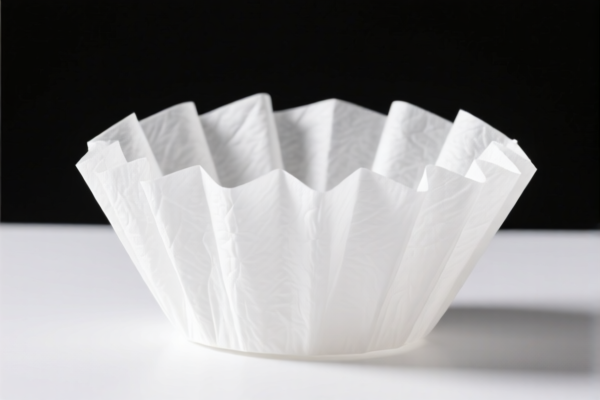
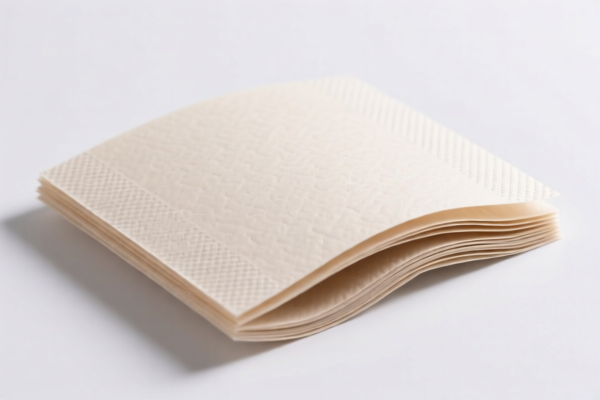
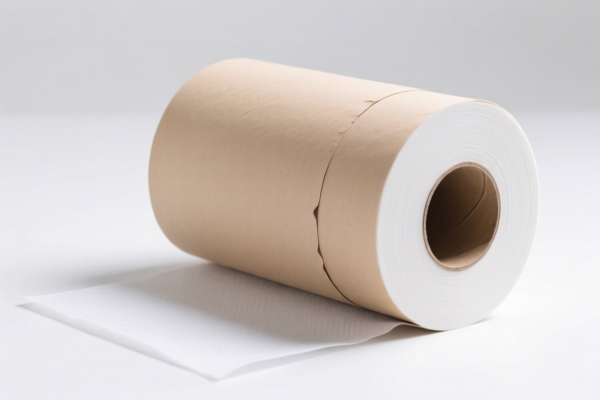
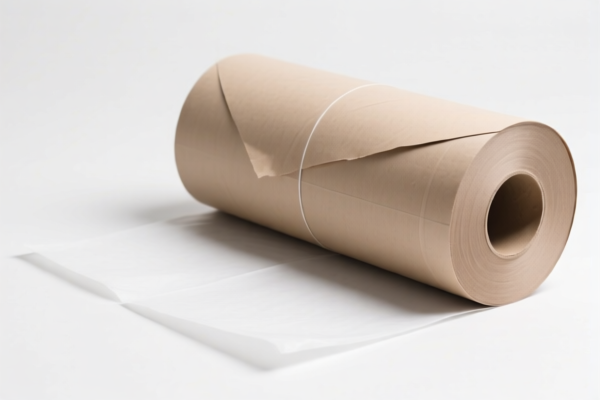
Filtering Cloth (often referred to as "Filter Bag" or "Press Cloth") is a critical technical textile used in industrial separation processes, primarily for oil extraction, chemical filtration, and solid-liquid separation.
In international trade, these products are NOT classified as standard clothing or simple fabric. They fall under Chapter 59 (Textile Fabrics Impregnated, Coated, or Covered; Technical Textile Articles).
Two Primary Categories Exist:
1. Specific Oil Press Filter Cloth (Human Hair/Heavy Duty):
* Used in oil presses (e.g., palm oil, soybean, rapeseed).
* Often woven from human hair, hemp, or heavy-duty synthetic fibers.
* Key Feature: Designed for high-pressure straining in specific machinery.
* HS Code Target: 5911.40.01.00
- Technical Nonwovens & Coated Fabrics (General):
- Includes nonwovens for filtration (weighing >70g/m² but ≤150g/m², or >150g/m²).
- Includes laminated fabrics, painted canvas (theatrical), and other technical textile articles.
- Key Feature: Material weight, fiber type (staple vs. filament), and whether it's nonwoven.
- HS Code Targets:
5603.93.00.90,5603.94.90.90,5907.00.35.00,5907.00.80.90,5911.90.00.80.
⚠️ Critical Distinction:
- If the product is specifically for oil presses and made of human hair, it must be classified under5911.40.01.00(0% Duty).
- If the product is a general nonwoven (>70g/m²) or coated fabric not specifically for oil presses, it faces a 25% additional tariff.
- Do not mix these! Misclassification can lead to massive duty discrepancies.
📦 2. HS Code Classification Matrix (2026 Latest Tariff Schedule)
| HS Code | Product Description | Material/Specs | Duty Status | Application Scenario |
|---|---|---|---|---|
5911.40.01.00 |
Filtering cloth for oil presses | Human hair or similar; specific for oil pressing machinery | ✅ 0.0% (Base + Additional) | Palm oil mills, soybean processing, industrial straining |
5911.90.00.80 |
Other technical textile articles | Other technical uses (general) | ✅ 0.0% (Base + Additional) | General industrial filters, not oil-specific |
5907.00.35.00 |
Laminated Fabrics | Specified in Note 9, Section XI | ✅ 0.0% (Base + Additional) | Laminated filter media, coated canvas |
5907.00.80.90 |
Other Coated/Covered Fabrics | Painted canvas, other non-specific coated textiles | ⚠️ 25.0% (Additional) | Theatrical scenery, non-standard coated fabrics |
5603.93.00.90 |
Nonwovens (70-150 g/m²) | Staple or filament fibers, non-impregnated | ⚠️ 25.0% (Additional) | Light-duty industrial filters, hygiene filters |
5603.94.90.90 |
Nonwovens (>150 g/m²) | Staple fibers, heavier weight | ⚠️ 25.0% (Additional) | Heavy-duty filtration, geotextiles, industrial backing |
🔍 Key Insight:
- The 0% duty codes (5911.40.01.00,5911.90.00.80,5907.00.35.00) are only for specific technical uses defined in the tariff notes.
- The 25% duty codes (5907.00.80.90,5603.93.00.90,5603.94.90.90) are the default for most non-specific nonwovens and coated fabrics.
- Human Hair is a critical keyword for the5911.40.01.00exemption.
💰 3. 2026 Tax & Duty Breakdown (Detailed Analysis)
✅ Scope: Import into US (based on 2026 Trade Policy context)
✅ Origin: China (CN)
✅ Status: 2026 Tariff Implementation
🎯 Scenario A: The "Zero-Tax" Hero
HS Code: 5911.40.01.00
Product: Filter cloth specifically for oil presses (including human hair).
| Item | Detail |
|---|---|
| Base Duty | 0.0% |
| Section XI Additional Duty | 0.0% |
| Total Duty | 0.0% |
| Calculation | CIF Value × 0% = $0 |
| Legal Basis | 5911.40 (Note 8 to Chapter 59) |
📌 Why?
This is a strategic exemption for essential industrial equipment parts. If you can prove the cloth is specifically designed for oil presses, you pay nothing.
💡 Tip: "Human hair" is the strongest evidence for this classification.
🎯 Scenario B: The "High-Tax" Trap
HS Codes: 5907.00.80.90, 5603.93.00.90, 5603.94.90.90
Product: General nonwovens, coated canvas, or fabrics >150g/m² (Staple fibers).
| Item | Detail |
|---|---|
| Base Duty | 0.0% |
| Additional Duty (Section XI) | +25.0% |
| Total Duty | 25.0% |
| Calculation | CIF Value × 25% |
| Legal Basis | 5603.94 / 5907.00 (Other) |
📌 Why?
These are considered "Other" technical textiles. If the product is not an oil press filter or not laminated under Note 9, it falls into the "Other" category.
⚠️ Risk: If you misclassify5603.94.90.90(Staple fiber nonwoven) as5911.40.01.00, you will face 25% back-taxes + penalties.
🛠️ 4. Customs Clearance Strategy: Pro Tips & Pitfalls
✅ 1. Documentation Checklist (Must-Haves)
| Document | Requirement | Why It Matters |
|---|---|---|
| Product Spec Sheet | Must explicitly state "For Oil Press" or "Straining". | Proves intent for 5911.40.01.00. |
| Material Composition | Must list "Human Hair" or "Staple Fiber" percentage. | Critical for distinguishing between 5911 (0%) and 5603 (25%). |
| Technical Diagram | Show application in a filter press/oil press. | Visual proof for Customs officers. |
| Bill of Lading | Accurate HS Code on B/L. | Mismatch between B/L and Invoice causes delays. |
✅ 2. Declaration Strategy
🔥 Golden Rule: "Be Specific, Not General!"
| Incorrect Declaration | Correct Declaration | Impact |
|---|---|---|
| "Filter Cloth" | "Filter cloth for oil presses, made of human hair" | ✅ 0% Duty |
| "Nonwoven Fabric" | "Nonwoven, weighing >150g/m², staple fiber" | ⚠️ 25% Duty |
| "Coated Canvas" | "Laminated fabric, technical use (Note 9)" | ✅ 0% Duty |
| "Industrial Filter" | "Industrial filter, general use" | ⚠️ 25% Duty |
⚠️ Common Pitfall:
If you ship "Nonwovens" without specifying the application, Customs will default to the 25% category. Always declare the specific application!
✅ 3. Special Case Handling
- Human Hair Filters: If the cloth contains human hair, this is the strongest evidence for
5911.40.01.00. Ensure the invoice mentions "Human Hair" explicitly. - Staple Fiber Nonwovens: If the weight is >150g/m² and made of staple fibers, it automatically falls under
5603.94.90.90(25% Duty) unless it has a specific "Note 8" designation. - Laminated Fabrics: Check if the fabric fits Note 9 criteria for Section XI. If yes, it's
5907.00.35.00(0%). If not, it's5907.00.80.90(25%).
🌍 5. Global Market Comparison (2026)
| Region | Recommended HS Code | Duty Rate | Key Requirement |
|---|---|---|---|
| 🇺🇸 USA | 5911.40.01.00 |
0% | Must prove "Oil Press" use & "Human Hair" |
| 🇺🇸 USA | 5603.94.90.90 |
25% | Default for heavy nonwovens |
| 🇪🇺 EU | 5911.40 |
0% (approx) | Subject to CE & REACH compliance |
| 🇯🇵 Japan | 5911.40 |
0% | Specific industrial use declaration |
📌 Conclusion:
- The US market is the most critical for accurate classification. A 25% duty on $100k shipment = $25,000 loss.
- EU & Japan are more lenient but still require strict adherence to technical definitions.
📌 6. Common Errors & How to Avoid Them
❌ Error 1: "Just call it 'Filter Cloth'."
👉 Result: Customs assigns 5603.94.90.90 (25%) because they can't prove it's for oil presses.
✅ Fix: Add "Oil Press" and "Human Hair" to the description.
❌ Error 2: "All filter cloths are 0%."
👉 Result: You pay 25% on general nonwoven filters.
✅ Fix: Only 5911.40.01.00 gets 0%. Others are 25%.
❌ Error 3: "Laminated fabric is always 0%."
👉 Result: Only if it meets Note 9 criteria.
✅ Fix: Verify the technical note compliance for your specific fabric.
🎯 7. Final Verdict: Action Plan
🚀 Step 1: Check if your fabric is specifically for oil presses and contains human hair.
🚀 Step 2: If yes → Declare as5911.40.01.00(0% Duty).
🚀 Step 3: If no → Check weight and fiber type.
🚀 Step 4: If >150g/m² & Staple → Expect 25% Duty (5603.94.90.90).
🚀 Step 5: If coated canvas/laminated → Check Note 9 compliance.💡 Pro Tip:
"Human Hair" is your golden ticket! If you can source or declare human hair content, you unlock the 0% duty pathway. If not, budget for 25% additional tax.
📣 Ready to Ship?
📞 Contact Customs Broker: Provide spec sheet with "Oil Press" & "Human Hair".
📄 Draft Invoice: Use exact descriptions from5911.40.01.00.
📦 Packaging: Ensure no "Other Technical Textile" labels contradict the "Oil Press" claim.
✨ Precision is Profit: A 25% difference is not just a number; it's your bottom line.
💼 Don't guess your HS Code. Declare with confidence.
Customer Reviews
About HS Code Classification
The Harmonized System (HS) is an internationally standardized nomenclature developed by the World Customs Organization (WCO) to classify traded products. Over 200 countries use the HS system as the basis for customs tariffs, trade statistics, and import/export regulations.
Each HS code follows a hierarchical structure:
- Chapter (2 digits) — Broad category of goods (e.g., Chapter 84: Machinery and Mechanical Appliances)
- Heading (4 digits) — More specific grouping within the chapter
- Subheading (6 digits) — Internationally standardized breakdown, used by all WCO member countries
- National subdivisions (8-10 digits) — Country-specific extensions for further classification, such as US HTSUS 10-digit codes
Correct HS code classification is essential for smooth customs clearance, accurate duty payment, and compliance with trade regulations. Misclassification can lead to customs delays, overpayment of duties, or penalties.
When importing from CN to US, the applicable tariff rates may include:
- Most-Favored-Nation (MFN) rate — The standard duty rate applied to WTO members
- General rate — Applied to countries without trade agreements
- Trade remedy duties — Additional tariffs such as Section 301 (anti-dumping), Section 232 (national security), or countervailing duties
The information provided on this page is for reference purposes only. For official classification, please consult with your local customs authority or a licensed customs broker.