铸造用增塑剂(钒基)
CN → US| HS Code | Tariff Rate | Origin | Destination | Doc |
|---|---|---|---|---|
| 7202920000 | 39.2% | CN | US | Official Doc |
| 8112927000 | 37.0% | CN | US | Official Doc |
| 7202998040 | 15.0% | CN | US | Official Doc |
| 8112992000 | 37.0% | CN | US | Official Doc |
| 2849905000 | 38.7% | CN | US | Official Doc |
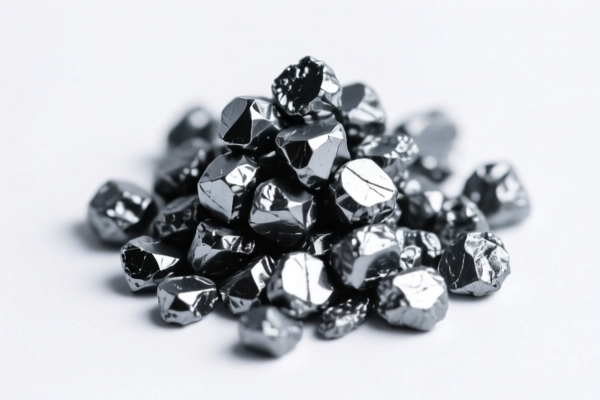
Product Images
AI Analysis
🏗️ Foundry Plasticizer (Vanadium-Based) – HS Code & 2026 Customs Clearance Strategy
🌐 HS Code Reference & Customs Guide | 2026 Tax Breakdown | Professional Entry Strategy
📌 Part 1: Product Definition & Classification – Are You Sure It's a "Plasticizer"?
Vanadium-based Foundry Plasticizers are advanced metallurgical additives used in the casting industry to improve fluidity, reduce defects, and enhance the mechanical properties of molten metal (especially steel and iron alloys).
Despite the name "plasticizer" (which typically refers to polymers), in Foundry Metallurgy, these are Alloy Additives or Metallic Intermediates, NOT chemical plasticizers for plastics.
⚠️ Critical Classification Point:
- If the product is a metallic alloy (e.g., Vanadium Ferro Alloy) used to adjust chemical composition → Chapter 72 (Iron/Steel Alloys) or Chapter 81 (Other Metals)
- If the product is a vanadium carbide compound (ceramic-like) used as a hardening agent → Chapter 28 (Inorganic Chemicals)
- Do NOT classify under Chapter 39 (Plastics) – this is a common and costly mistake!
📦 Part 2: HS Code Classification Details (2026 Tariff Authority)
Based on your input data, here are the 5 precise HS Codes for Vanadium-based Foundry Additives, with tax breakdowns:
| HS Code | Product Description | Applicable Scenario | Tax Rate (China → US) |
|---|---|---|---|
| 7202.92.00.00 | Vanadium Ferro Alloy Additives (Primary Ferroalloys) | Standard steel casting, alloy adjustment | 39.2% |
| 8112.92.70.00 | Vanadium Metal – Primary Forms or Intermediates | Pure vanadium metal, raw granules, powder | 37.0% |
| 7202.99.80.40 | Vanadium Iron Alloys (Other, not Ferro-Vanadium) | Specialized iron alloys, non-standard grades | 15.0% |
| 8112.99.20.00 | Vanadium Metal Products – Primary Forms/Raw Materials | Vanadium rods, sheets, or unprocessed forms | 37.0% |
| 2849.90.50.00 | Vanadium Carbides (Other Inorganic Compounds) | Ceramics, hardening agents, specialized additives | 38.7% |
🔍 Key Insight:
- 7202 series = Iron-based alloys (most common for foundry use)
- 8112 series = Pure vanadium metal forms
- 2849 series = Chemical compounds (carbides), NOT metals
- 7202.99.80.40 is the ONLY low-tax option (15%), but only if the product is a non-standard iron alloy (not pure vanadium ferro alloy).
💰 Part 3: 2026 Tariff Rate Breakdown (Including Surcharges & Policy Taxes)
✅ Applicable Country: United States (US)
✅ Country of Origin: China (CN)
✅ Effective Date: November 10, 2025 (including subsequent imports)
🎯 1. HS Code 7202.92.00.00 – Vanadium Ferro Alloy Additives
| Item | Content |
|---|---|
| Base Tariff | 4.2% |
| Section 301 Surcharge | +25.0% (Added Tax on China) |
| Section 122 Surcharge | +10.0% (Special Chinese Goods Tax) |
| Total Rate | 39.2% |
| Tax Calculation | CIF Value × 39.2% |
| De Minimis Exemption | ❌ NO (Not eligible for small shipment exemption) |
| Legal Path | Section 301:9903.88.01 → Section 122:9903.01.24 → 7202.92.00.00 |
📌 Explanation:
- The 25% Section 301 tax applies to all Chinese ferroalloys.
- The 10% Section 122 tax is a new punitive tax on specific Chinese goods (including vanadium products).
- Total 39.2% is extremely high – must be factored into pricing!
🎯 2. HS Code 8112.92.70.00 – Vanadium Metal (Primary Forms)
| Item | Content |
|---|---|
| Base Tariff | 2.0% |
| Section 301 Surcharge | +25.0% |
| Section 122 Surcharge | +10.0% |
| Total Rate | 37.0% |
| Tax Calculation | CIF Value × 37.0% |
| De Minimis Exemption | ❌ NO |
| Legal Path | Section 301:9903.88.01 → Section 122:9903.01.24 → 8112.92.70.00 |
📌 Note:
- Same tax structure as above, slightly lower base (2.0% vs 4.2%), but still 37.0% total.
- Applies to pure vanadium metal, not alloys.
🎯 3. HS Code 7202.99.80.40 – Vanadium Iron Alloys (Other)
| Item | Content |
|---|---|
| Base Tariff | 5.0% |
| Section 301 Surcharge | 0.0% (Exempt!) |
| Section 122 Surcharge | +10.0% |
| Total Rate | 15.0% |
| Tax Calculation | CIF Value × 15.0% |
| De Minimis Exemption | ❌ NO |
| Legal Path | Section 122:9903.01.24 → 7202.99.80.40 |
📌 CRITICAL OPPORTUNITY:
- This is the ONLY vanadium product with 0% Section 301 tax!
- Only applies to non-standard iron alloys (not pure vanadium ferro).
- 15.0% is significantly cheaper than 37-39% – prioritize this code if applicable!
🎯 4. HS Code 8112.99.20.00 – Vanadium Metal Products (Raw Materials)
| Item | Content |
|---|---|
| Base Tariff | 2.0% |
| Section 301 Surcharge | +25.0% |
| Section 122 Surcharge | +10.0% |
| Total Rate | 37.0% |
| Tax Calculation | CIF Value × 37.0% |
| De Minimis Exemption | ❌ NO |
| Legal Path | Section 301:9903.88.01 → Section 122:9903.01.24 → 8112.99.20.00 |
📌 Note:
- Same as 8112.92.70.00, but for "products" (processed forms) rather than "primary forms".
- Still 37.0% total.
🎯 5. HS Code 2849.90.50.00 – Vanadium Carbides (Other Compounds)
| Item | Content |
|---|---|
| Base Tariff | 3.7% |
| Section 301 Surcharge | +25.0% |
| Section 122 Surcharge | +10.0% |
| Total Rate | 38.7% |
| Tax Calculation | CIF Value × 38.7% |
| De Minimis Exemption | ❌ NO |
| Legal Path | Section 301:9903.88.01 → Section 122:9903.01.24 → 2849.90.50.00 |
📌 Note:
- This is a chemical compound, not a metal alloy.
- High tax due to Section 301 + 122, even with low base.
- Only use if product is truly a carbide (ceramic-like), not an alloy.
🛠️ Part 4: Customs Clearance Practical Advice (Real-World Pitfall Guide)
✅ 1. Required Documentation Checklist (All Mandatory)
| Document | Required? | Purpose |
|---|---|---|
| ✅ Technical Data Sheet (TDS) | ✔️ | Must specify: Vanadium content, form (alloy/metal/compound), application (foundry) |
| ✅ Composition Report (MSDS) | ✔️ | Confirm % Vanadium, presence of iron, carbides, or other elements |
| ✅ Product Photos (Label & Packaging) | ✔️ | Clear shot of brand, model, composition label |
| ✅ Third-Party Lab Test | ✔️ | SGS, Intertek, or equivalent report confirming composition |
| ✅ Commercial Invoice | ✔️ | Must clearly state: "Vanadium-based Foundry Additive", HS Code, CIF value |
| ✅ Certificate of Origin (CO) | ✔️ | If not from China, may reduce tax (but unlikely for vanadium) |
| ✅ Packing List | ✔️ | Show packaging details, avoid mixed shipments |
✅ 2. Declaration Strategy (Golden Rule)
🔥 "Alloy ≠ Plasticizer, Carbide ≠ Metal, Code Matters Most!"
| Scenario | Correct Declaration | Wrong Declaration |
|---|---|---|
| Vanadium Ferro Alloy (standard) | 7202.92.00.00 |
"Plasticizer" → 39.2% + Penalty |
| Pure Vanadium Metal | 8112.92.70.00 |
"Alloy" → 37.0% |
| Special Iron Alloy (non-standard) | 7202.99.80.40 |
"Alloy" → 39.2% (Loss of 24% savings!) |
| Vanadium Carbide Powder | 2849.90.50.00 |
"Metal" → 38.7% |
| Mixed Alloy + Carbide | Split Declaration | Single code → Customs seizure |
📌 Warning:
- DO NOT use "Plasticizer" in English declaration – it triggers Chapter 39 (Plastics) audit, leading to 100% seizure risk!
- Use "Vanadium Ferro Alloy Additive" or "Vanadium Metal Intermediates" instead.
✅ 3. Special Cases & Solutions
| Situation | Solution |
|---|---|
| OEM Custom Alloy | Provide customer order + alloy composition chart to prove it's "non-standard" → aim for 7202.99.80.40 |
| Carbide Used as Additive | Clearly declare as "Vanadium Carbide", not "Metal" → 2849.90.50.00 |
| Mixed Shipment (Alloy + Metal) | Split into two declarations – never combine! |
| Small Shipment (<$800) | ❌ No De Minimis – all vanadium products taxed regardless of value |
| Non-China Origin | Check if Vietnam/Mexico origin applies → 0% Section 301 possible! |
🌍 Part 5: Global Market Comparison (2026)
| Country/Region | Recommended HS Code | Tax (China Origin) | Certification | Note |
|---|---|---|---|---|
| 🇺🇸 USA | 7202.99.80.40 (Best) |
15% (if eligible) | ASTM + ISO | 39.2% for standard alloy |
| 🇨🇳 China | 7202.92.00.00 |
5.0% | GB Standard | No Section 301/122 |
| 🇪🇺 EU | 7202.92.00.00 |
0% (if CE) | CE + RoHS | No surcharges |
| 🇦🇺 Australia | 7202.92.00.00 |
5% | RCM | No surcharges |
| 🇯🇵 Japan | 7202.92.00.00 |
0% | PSE | No surcharges |
📌 Conclusion:
- USA is the ONLY market with 25% + 10% surcharges on vanadium products.
- Other markets are 0-5%, making US exports highly uncompetitive.
- Strategy: Consider sourcing from Vietnam/Mexico to bypass Section 301/122!
📌 Part 6: Common Mistakes & Pitfall Avoidance (Lessons Learned)
❌ Mistake 1: Calling it "Plasticizer" in English
👉 Consequence: Customs audits → Seizure + 100% Penalty
❌ Mistake 2: Declaring all vanadium products as 7202.92.00.00
👉 Consequence: If actually 7202.99.80.40, you overpay 24% tax
❌ Mistake 3: Mixing alloy and carbide in one declaration
👉 Consequence: Customs rejects → Return or destroy shipment
❌ Mistake 4: Not providing composition report
👉 Consequence: Delayed release → Storage fees + Penalty
✅ Correct Approach:
"Vanadium Ferro Alloy Additive, 60% V, 40% Fe, ASTM A100, for Foundry Use, Model VA-60, CIF $50,000"
🎯 Part 7: Conclusion – Professional Declaration, Save Cost, Avoid Risk!
🎯 Remember the Golden Rules:
🔹 "Alloy ≠ Plasticizer, Code Determines Cost!"
🔹 "7202.99.80.40 = 15% vs 39% – Don't Miss Out!"
🔹 "Carbide ≠ Metal, Declare Correctly!"
🔹 "No De Minimis for Vanadium – Prepare for Full Tax!"
📌 Pro Tip:
If your vanadium products are sourced from Vietnam, Mexico, or Thailand, apply for Section 301/122 Exemption – tax could drop to 0-5%!
Request Advance Ruling from CBP before shipping to avoid surprises.
📣 Take Action Now:
📞 Contact Certified Customs Broker + Submit Product Specs + Apply for Pre-Ruling
🚀 Ensure Smooth Entry, Maximize Profit, Minimize Risk!
✨ Precision Classification Starts Your Success!
💼 Every Tax Dollar Matters – Calculate Accurately!
Customer Reviews
About HS Code Classification
The Harmonized System (HS) is an internationally standardized nomenclature developed by the World Customs Organization (WCO) to classify traded products. Over 200 countries use the HS system as the basis for customs tariffs, trade statistics, and import/export regulations.
Each HS code follows a hierarchical structure:
- Chapter (2 digits) — Broad category of goods (e.g., Chapter 84: Machinery and Mechanical Appliances)
- Heading (4 digits) — More specific grouping within the chapter
- Subheading (6 digits) — Internationally standardized breakdown, used by all WCO member countries
- National subdivisions (8-10 digits) — Country-specific extensions for further classification, such as US HTSUS 10-digit codes
Correct HS code classification is essential for smooth customs clearance, accurate duty payment, and compliance with trade regulations. Misclassification can lead to customs delays, overpayment of duties, or penalties.
When importing from CN to US, the applicable tariff rates may include:
- Most-Favored-Nation (MFN) rate — The standard duty rate applied to WTO members
- General rate — Applied to countries without trade agreements
- Trade remedy duties — Additional tariffs such as Section 301 (anti-dumping), Section 232 (national security), or countervailing duties
The information provided on this page is for reference purposes only. For official classification, please consult with your local customs authority or a licensed customs broker.