靠垫
CN → US| HS Code | Tariff Rate | Origin | Destination | Doc |
|---|---|---|---|---|
| 9401804006 | 35.0% | CN | US | Official Doc |
| 9401993580 | 35.0% | CN | US | Official Doc |
| 9404902090 | 23.5% | CN | US | Official Doc |
| 9404901090 | 22.8% | CN | US | Official Doc |
| 3926902100 | 21.7% | CN | US | Official Doc |
Product Images
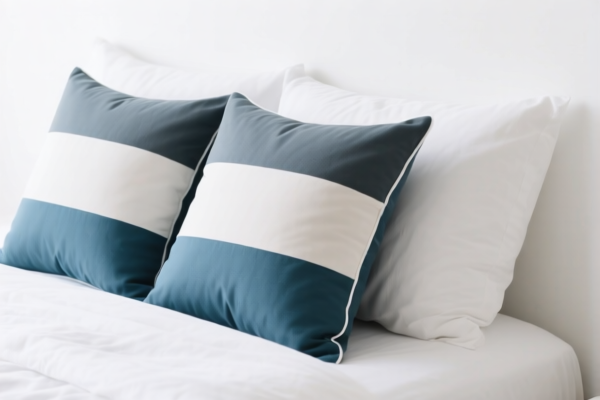
AI Analysis
🛋️ Pillow / Backrest Cushion (Supportive Seating Accessories)
🌐 HS Code Reference & Customs Clearance Guide | 2026 Updated Tariff Analysis | Pro-Level Import Strategy
📌 One, Product Definition & Classification: Do You Really Know What a "Backrest Cushion" Is?
A backrest cushion is a soft, padded accessory designed to support the back, enhance comfort, and improve posture—commonly used with chairs, sofas, car seats, or medical devices. In international trade, it is classified based on form, function, material, and integration with seating furniture.
⚠️ Key Classification Triggers: - If the cushion is part of a seat (e.g., integrated into a chair’s backrest) → Likely HS 9401.80.40.06 or 9401.99.35.80 - If it’s a standalone cushion used for lying/sitting (like a pillow) → Likely HS 9404.90.10.90 / 9404.90.20.90 - If made from plastic/rubber and used for medical/therapeutic purposes → May fall under HS 3926.90.21.00
📦 Two, HS Code Classification Details (2026 Latest Tariff Authority Match)
| HS Code | Product Description | Use Case | Material / Form | Tax Rate |
|---|---|---|---|---|
9401.80.40.06 |
Backrest cushion as part of a seat, with textile-covered padding or seat/back material | Integrated into furniture (e.g., office chairs, dining chairs) | Fabric-covered, foam-filled, part of a seat | 35.0% |
9401.99.35.80 |
Seat accessory cushion (e.g., backrest pad), can be rubber/plastic-based | Chair backrests, car seats, adjustable seating systems | Rubber, plastic, foam, non-fabric materials | 35.0% |
9404.90.20.90 |
Pillow, backrest cushion, or similar item; filled with foam, sponge, or textile material | General-purpose cushions, lounging, reading, or ergonomic use | Sponge, foam, textile-based | 23.5% |
9404.90.10.90 |
Backrest cushion, pillow, or similar item; default assumption: cotton or other fill | Everyday use, home/office, child/elderly support | Cotton, polyester, or other soft fillers | 22.8% |
3926.90.21.00 |
Other plastic articles; cushion-like shape, possibly medical/therapeutic use | Reading pads, nursing pillows, therapy cushions, hospital supports | Plastic, rubber, molded foam | 21.7% |
🔍 Critical Insight:
- "Integrated with seat" → Use 9401.xxxx (higher tax)
- "Standalone cushion" → Use 9404.90.xxxx (lower tax)
- "Plastic/rubber" + "medical/therapeutic" → Use 3926.90.21.00 (lowest tax)
💰 Three, 2026 Updated Tariff Breakdown (With Detailed Duty Clauses)
✅ Target Country: United States (US)
✅ Origin: China (CN)
✅ Effective Date: November 10, 2025 (including subsequent imports)
🎯 1. 9401.80.40.06 — Backrest Cushion as Seat Component (Textile-Filled)
| Item | Detail |
|---|---|
| Base Duty | 0.0% (ad valorem) |
| Section 301 Tariff (USITC) | +25.0% (under U.S. Trade Act Section 301) |
| Section 122 Tariff (IEEPA) | +10.0% (International Emergency Economic Powers Act) |
| Total Effective Duty | 35.0% |
| Tax Calculation | CIF Value × 35.0% |
| De Minimis Exemption | ❌ Not eligible (denied under U.S. law) |
| Legal Basis Path | IEEPA:9903.01.25 → IEEPA:9903.01.24 → USITC:9401.80.40.06 → FOOTNOTE:9903.88.01 |
📌 Explanation:
- This applies when the cushion is integrated into a seat structure (e.g., part of a chair’s backrest).
- Even if removable, if it’s designed to be used only with a specific seat, it’s treated as a seat component → higher tariff.
🎯 2. 9401.99.35.80 — Seat Accessory Cushion (Rubber/Plastic-Based)
| Item | Detail |
|---|---|
| Base Duty | 0.0% |
| Section 301 Tariff (USITC) | +25.0% |
| Section 122 Tariff (IEEPA) | +10.0% |
| Total Effective Duty | 35.0% |
| Tax Calculation | CIF × 35.0% |
| De Minimis Exemption | ❌ Not eligible |
| Legal Basis Path | IEEPA:9903.01.25 → IEEPA:9903.01.24 → USITC:9401.99.35.80 → FOOTNOTE:9903.88.01 |
📌 Note:
- Applies to non-textile backrest pads, especially those made of rubber, plastic, or synthetic materials.
- Even if not fabric-covered, if used as a seat accessory, it falls under "other" seat components → same high tariff.
🎯 3. 9404.90.20.90 — Standalone Pillow/Backrest Cushion (Foam/Sponge-Based)
| Item | Detail |
|---|---|
| Base Duty | 6.0% |
| Section 301 Tariff (USITC) | +7.5% |
| Section 122 Tariff (IEEPA) | +10.0% |
| Total Effective Duty | 23.5% |
| Tax Calculation | CIF × 23.5% |
| De Minimis Exemption | ✅ Eligible (if value < $800) |
| Legal Basis Path | IEEPA:9903.01.24 → USITC:9404.90.20.90 → FOOTNOTE:9903.88.01 |
📌 Key Advantage:
- Lower base duty (6%) and reduced Section 301 rate (7.5%) → 23.5% total
- Eligible for de minimis exemption → Great for small parcels!
🎯 4. 9404.90.10.90 — Standalone Cushion (Cotton or Other Fill)
| Item | Detail |
|---|---|
| Base Duty | 5.3% |
| Section 301 Tariff (USITC) | +7.5% |
| Section 122 Tariff (IEEPA) | +10.0% |
| Total Effective Duty | 22.8% |
| Tax Calculation | CIF × 22.8% |
| De Minimis Exemption | ✅ Eligible |
| Legal Basis Path | IEEPA:9903.01.24 → USITC:9404.90.10.90 → FOOTNOTE:9903.88.01 |
📌 Best for:
- Cotton-filled or natural fiber cushions
- Lowest tariff among all options
- Ideal for e-commerce, small shipments, and direct-to-consumer (DTC) sales
🎯 5. 3926.90.21.00 — Plastic Reading/Medical Cushion (Other Plastic Articles)
| Item | Detail |
|---|---|
| Base Duty | 4.2% |
| Section 301 Tariff (USITC) | +7.5% |
| Section 122 Tariff (IEEPA) | +10.0% |
| Total Effective Duty | 21.7% |
| Tax Calculation | CIF × 21.7% |
| De Minimis Exemption | ✅ Eligible |
| Legal Basis Path | IEEPA:9903.01.24 → USITC:3926.90.21.00 → FOOTNOTE:9903.88.01 |
📌 Ideal For:
- Plastic or rubber molded cushions
- Medical/therapeutic use (e.g., nursing pillows, reading pads, posture supports)
- Lowest overall tariff → Best for high-volume, non-fabric, functional cushions
🛠️ Four, Customs Clearance Best Practices (Pro Tips to Avoid Penalties)
✅ 1. Required Documentation (Must-Have Checklist)
| Document | Required? | Purpose |
|---|---|---|
| ✅ Product Specifications | ✔️ | Material, dimensions, weight, intended use |
| ✅ Product Photos (Clear, Front/Back/Side) | ✔️ | Show shape, material, integration (if any) |
| ✅ Commercial Invoice | ✔️ | Must state "Backrest Cushion", "Standalone", or "Medical Use" |
| ✅ Packing List | ✔️ | Show if cushion is packaged with a chair or separately |
| ✅ Material Test Report (e.g., flame retardancy, phthalates) | ✔️ | For medical/child safety compliance |
| ✅ Certificate of Origin (CO) | ✔️ | If claiming preferential treatment (e.g., Vietnam, Mexico) |
| ✅ Declaration of Use (if medical) | ✔️ | For 3926.90.21.00 eligibility |
✅ 2.申报技巧(Key Rules of Thumb)
🔥 "Standalone = Lower Tax, Integrated = Higher Tax, Plastic = Best, Cotton = Second Best!"
| Scenario | Correct HS Code | Wrong Code | Risk |
|---|---|---|---|
| Cushion sold separately, used on sofa/chair | 9404.90.10.90 or 9404.90.20.90 |
9401.80.40.06 |
+12% tax |
| Cushion with chair, not removable | 9401.80.40.06 |
9404.90.10.90 |
$100K+ in penalties |
| Cushion made of plastic/rubber, used for reading/therapy | 3926.90.21.00 |
9404.90.20.90 |
+1.8% tax |
| Cushion cotton-filled, used at home | 9404.90.10.90 |
9401.99.35.80 |
+12.2% tax |
✅ 3. Special Cases & Solutions
| Situation | Recommended Action |
|---|---|
| Cushion sold with a chair | Declare as a set → Use 9401.80.40.06 (even if removable) |
| Cushion used in hospital/clinic | Use 3926.90.21.00 + medical use declaration |
| Cushion for children/elderly | Add safety certifications (e.g., ASTM F963, CPSIA) |
| Cushion with USB heating/cooling | Still falls under same HS code → No change in tariff |
| Custom design (OEM) | Provide design drawings to avoid misclassification |
🌍 Five, Global Market Comparison (2026 Updated)
| Country | Recommended HS Code | Tariff | Certification | Notes |
|---|---|---|---|---|
| 🇺🇸 USA | 3926.90.21.00 (best) |
21.7% | FDA (if medical), FCC (if electronic) | De minimis: $800 |
| 🇨🇳 China | 9404.90.10.90 |
5% | CCC, RoHS | No extra tariffs |
| 🇪🇺 EU | 9404.90.10.90 |
0% (if CE) | CE, REACH | No 301/IEEPA |
| 🇦🇺 Australia | 9404.90.10.90 |
5% | RCM | No extra taxes |
| 🇯🇵 Japan | 9404.90.10.90 |
0% | PSE | No additional duties |
📌 Takeaway:
- USA has the highest tariffs due to Section 301 + IEEPA
- China and EU are low-risk
- Plastic medical cushions are most favorable in the US
📌 Six, Common Mistakes & How to Avoid Them (Real-World Pitfalls)
❌ Mistake 1: Declaring an integrated cushion as 9404.90.10.90
👉 Result: +12.2% tax, possible penalties, audit risk
❌ Mistake 2: Using 9401.80.40.06 for a standalone cotton cushion
👉 Result: +12.2% tax, poor margin
❌ Mistake 3: Not declaring medical/therapeutic use for plastic cushions
👉 Result: Missed eligibility for 3926.90.21.00 → +1.8% tax
❌ Mistake 4: Using generic name like “Pillow” or “Cushion” without context
👉 Result: Customs may assume it's a textile pillow → wrong HS code
✅ Correct Declaration Example:
"Plastic Reading Backrest Cushion, Molded Foam, Medical Use, Non-Textile, for Hospital/Therapy, Model ABC, FDA Compliant"
🎯 Seven, Conclusion: Smart Classification = Profit Protection
🎯 Remember the Golden Rules:
🔹 "Standalone? → Use 9404.90.10.90 or 9404.90.20.90"
🔹 "Integrated with seat? → Use 9401.80.40.06 or 9401.99.35.80"
🔹 "Plastic/rubber + medical? → Use 3926.90.21.00 → Lowest Tax!"
🔹 "Cotton? → 9404.90.10.90 → 22.8% → Best for DTC!"
📌 Pro Tip:
If your cushion is originating from Vietnam, Mexico, or Thailand, you may qualify for IEEPA exemption → 0% additional duty!
✅ Apply for Advance Ruling (Pre-Clearance) to lock in the correct HS code and avoid surprises.
📣 Act Now!
📞 Contact a customs broker + submit product photos + request HS Code pre-ruling
🚀 Reduce tax risk, increase profit margin, and ship with confidence!
✨ Precision Classification = Smooth Customs Clearance = Global Success!
💼 Your product’s value starts with the right HS code!
Customer Reviews
About HS Code Classification
The Harmonized System (HS) is an internationally standardized nomenclature developed by the World Customs Organization (WCO) to classify traded products. Over 200 countries use the HS system as the basis for customs tariffs, trade statistics, and import/export regulations.
Each HS code follows a hierarchical structure:
- Chapter (2 digits) — Broad category of goods (e.g., Chapter 84: Machinery and Mechanical Appliances)
- Heading (4 digits) — More specific grouping within the chapter
- Subheading (6 digits) — Internationally standardized breakdown, used by all WCO member countries
- National subdivisions (8-10 digits) — Country-specific extensions for further classification, such as US HTSUS 10-digit codes
Correct HS code classification is essential for smooth customs clearance, accurate duty payment, and compliance with trade regulations. Misclassification can lead to customs delays, overpayment of duties, or penalties.
When importing from CN to US, the applicable tariff rates may include:
- Most-Favored-Nation (MFN) rate — The standard duty rate applied to WTO members
- General rate — Applied to countries without trade agreements
- Trade remedy duties — Additional tariffs such as Section 301 (anti-dumping), Section 232 (national security), or countervailing duties
The information provided on this page is for reference purposes only. For official classification, please consult with your local customs authority or a licensed customs broker.