靠垫套
CN → US| HS Code | Tariff Rate | Origin | Destination | Doc |
|---|---|---|---|---|
| 6304920000 | 23.8% | CN | US | Official Doc |
| 6304910170 | 23.3% | CN | US | Official Doc |
| 9404901030 | 22.8% | CN | US | Official Doc |
| 9404909636 | 17.3% | CN | US | Official Doc |
| 6304994000 | 21.3% | CN | US | Official Doc |
Product Images
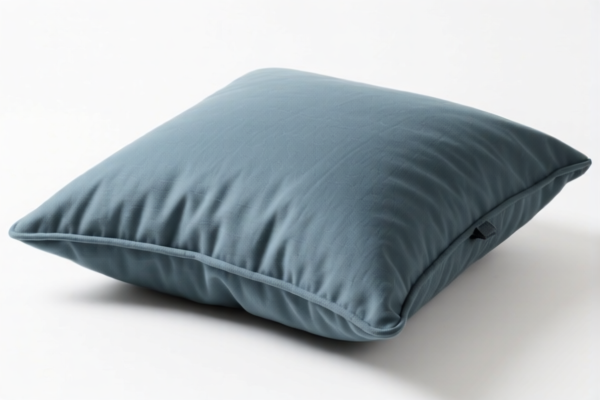


AI Analysis
🛋️ Cushion Covers (Decorative Textile Accessories)
🌐 HS Code Reference & Customs Clearance Guide | 2026 Latest Tariff Analysis | Professional Entry Strategy
📌 I. Product Definition & Classification: Do You Really Understand "Cushion Covers"?
Cushion covers are decorative textile products used to cover pillows or cushions for home furnishing. In international trade, their classification depends heavily on material composition (cotton, synthetic fiber, wool, etc.) and manufacturing method (knitted vs. non-knitted/woven). Misclassification often leads to significant tariff discrepancies.
⚠️ Key Distinction Point:
- If the product is primarily a textile good (furniture accessory), it typically falls under Chapter 63 (Other Made-up Textile Articles).
- If the product is classified strictly as a pillow/cushion core or general upholstery, it may fall under Chapter 94 (Furniture).
- Crucial Note: In the US tariff schedule, specific cotton-based non-knitted items often have different rates than synthetic or wool-based items under general "other" categories.
📦 II. HS Code Classification Details (2026 Latest Tariff Authority Mapping)
| HS Code | Product Description | Material/Logic | Total Tax Rate |
|---|---|---|---|
6304.92.00.00 |
Textile cushion covers, non-knitted/woven, made of cotton | Cotton-based (Non-knitted/Woven furniture accessories) | 23.8% |
6304.91.01.70 |
Textile cushion covers, other categories (e.g., man-made fibers) | Synthetic/Other Textiles (Non-specific material logic) | 23.3% |
9404.90.10.30 |
Cushion-type articles (pillows/cushions), textile material | General Cushion/Pillow (Based on "Other" category principles) | 22.8% |
9404.90.96.36 |
Cushion-related categories, textile material (other fabrics) | Other Textile Materials (No material conflict) | 17.3% |
6304.99.40.00 |
Pillowcases, other made-up textile articles | Pillowcases (Bottom-category rule, possibly wool/fine animal hair) | 21.3% |
🔍 Key Insight:
-6304Series: Typically applies to furniture accessories like slipcovers and cushion covers made of specific textiles (cotton, synthetics).
-9404Series: Applies to upholstery stuffing and pillows/cushions themselves. However, some "covers" or loose cushion items may be classified here if deemed "other articles of bedding."
-9404.90.96.36offers the lowest base tariff (7.3%) because it avoids the higher "Additional Tariffs" often applied to specific cotton or synthetic categories in Chapter 63.
💰 III. 2026 Latest Tariff Rate Breakdown (Including Additional Duties & Policy Surcharges)
✅ Applicable Country: United States (US)
✅ Origin: China (CN)
✅ Effective Time: Current Rates Include Section 122 & Section 301 Surcharges
🎯 1. 6304.92.00.00 —— Cotton-based Non-Knitted/Woven Cushion Covers
| Item | Content |
|---|---|
| Base Tariff | 6.3% |
| Additional Tariff (Section 301/122) | 7.5% |
| Section 122 Tariff | 10% |
| Total Tariff | 23.8% |
| Calculation | CIF Value × 23.8% |
| De Minimis Exemption | ❌ Not Eligible (Section 122/301 goods generally excluded from de minimis) |
| Legal Path | HTSUS:6304.92.00 → Section 122: 19 CFR 178 → Section 301: Footnote 9903.88 |
📌 Explanation:
- This is a standard cotton textile article.
- The 10% Section 122 tariff is a specific surcharge often applied to certain textile imports from China to manage trade balances or specific industry protections.
- The 7.5% Section 301 tariff is the standard additional duty on Chinese textiles.
- Total: 23.8% is a significant cost driver for cotton goods.
🎯 2. 6304.91.01.70 —— Other Textile Cushion Covers (e.g., Synthetic)
| Item | Content |
|---|---|
| Base Tariff | 5.8% |
| Additional Tariff (Section 301) | 7.5% |
| Section 122 Tariff | 10% |
| Total Tariff | 23.3% |
| Calculation | CIF Value × 23.3% |
| De Minimis Exemption | ❌ Not Eligible |
| Legal Path | HTSUS:6304.91.01 → Section 122 → Section 301 |
📌 Note:
- Slightly cheaper than cotton (6304.92) due to a lower base rate (5.8% vs 6.3%), but the surcharges remain the same.
- Applies to man-made fibers or mixed textiles that don't fit the specific "cotton" definition.
🎯 3. 9404.90.10.30 —— General Cushion/Pillow Articles (Textile)
| Item | Content |
|---|---|
| Base Tariff | 5.3% |
| Additional Tariff (Section 301) | 7.5% |
| Section 122 Tariff | 10% |
| Total Tariff | 22.8% |
| Calculation | CIF Value × 22.8% |
| De Minimis Exemption | ❌ Not Eligible |
| Legal Path | HTSUS:9404.90.10 → Section 122 → Section 301 |
📌 Key Insight:
- Classification under Chapter 94 ("Furniture") can sometimes yield a slightly lower base rate than Chapter 63.
- This classification is often used for "pillows" or "cushions" that are considered complete articles rather than just "covers."
🎯 4. 9404.90.96.36 —— Other Upholstery/Cushion Articles (Lowest Total Rate)
| Item | Content |
|---|---|
| Base Tariff | 7.3% |
| Additional Tariff (Section 301) | 0.0% |
| Section 122 Tariff | 10% |
| Total Tariff | 17.3% |
| Calculation | CIF Value × 17.3% |
| De Minimis Exemption | ❌ Not Eligible (Check specific Section 122 applicability) |
| Legal Path | HTSUS:9404.90.96 → Section 122 |
📌 CRITICAL ADVANTAGE:
- This is the most cost-effective classification!
- Why? The Additional Tariff (Section 301) is 0% for this specific subheading.
- While the Section 122 tariff (10%) still applies, the absence of the 7.5% Section 301 surcharge saves 7.5% on the total value.
- Condition: Must strictly meet the "Other" category definition for cushion-related items under Chapter 94, with no material conflict (e.g., not classified as a standard "pillow" under 10.30).
🎯 5. 6304.99.40.00 —— Pillowcases (Other Textile Articles)
| Item | Content |
|---|---|
| Base Tariff | 3.8% |
| Additional Tariff (Section 301) | 7.5% |
| Section 122 Tariff | 10% |
| Total Tariff | 21.3% |
| Calculation | CIF Value × 21.3% |
| De Minimis Exemption | ❌ Not Eligible |
| Legal Path | HTSUS:6304.99.40 → Section 122 → Section 301 |
📌 Explanation:
- Specifically for pillowcases (not full cushion covers).
- Lower base rate (3.8%) due to its specific "other made-up" status, but still subject to full surcharges.
🛠️ IV. Customs Clearance Practical Advice (Battle-Tested Pitfall Guide)
✅ 1. Documentation Checklist (Non-Negotiable)
| Document | Required | Purpose |
|---|---|---|
| ✅ Product Specification Sheet | ✔️ | Must clearly state: "Cushion Cover" (not "Pillow Core") |
| ✅ Material Composition Label | ✔️ | E.g., "100% Cotton," "100% Polyester." Crucial for Chapter 63 vs 94 distinction. |
| ✅ Product Photos | ✔️ | Show zippered/opening mechanism to prove it's a cover, not a stuffed pillow. |
| ✅ Commercial Invoice | ✔️ | Description must match HS Code logic (e.g., "Decorative Cushion Cover, Cotton, Non-Knitted"). |
| ✅ Packing List | ✔️ | Confirm no stuffed pillows are included in the same shipment if declaring only covers. |
✅ 2. Declaration Strategy (Key Mantra)
🔥 "Covers not Pillows, Material Matters Most, Avoid 'Pillow' Word, Save Tariff Cost!"
| Scenario | Correct Declaration | Incorrect Declaration |
|---|---|---|
| Empty Cushion Cover | 9404.90.96.36 (if eligible) or 6304.92.00.00 |
"Pillow" or "Cushion" → Leads to 9404.90.10.30 (22.8%) or higher |
| 100% Cotton Cover | 6304.92.00.00 |
Vague "Textile Accessory" → High Risk of Audit |
| Synthetic Cover | 6304.91.01.70 |
"Cotton" → Misdeclaration → Penalties |
| Pillowcase Only | 6304.99.40.00 |
"Cushion Cover" → Mismatch |
💡 Pro Tip:
If you can justify the product as an "other article of upholstery" under Chapter 94 (specifically9404.90.96.36), you save 7.5% in Section 301 tariffs. Ensure your product description emphasizes "Upholstery Accessory" or "Cushion Shell" rather than "Cushion Cover" to align with the lower-tax Chapter 94 logic.
✅ 3. Special Handling
| Situation | Handling Advice |
|---|---|
| Mixed Shipments (Covers + Pillows) | Declare Separately! Pillows (stuffed) are 9404.90.10.30 (22.8%). Mixing them may cause the entire shipment to be audited or misclassified. |
| Labeling | Ensure internal labels say "Cushion Cover" and "Not for Sale as Pillow." |
| Sample Import | Even for samples, if the value exceeds de minimis limits and is subject to Section 122/301, duties apply. |
| Origin Marking | Must clearly mark "Made in China" to trigger Section 122/301 correctly. |
🌍 V. Global Market Comparison (2026 Latest)
| Country/Region | Recommended HS Code | Tariff (China Origin) | Notes |
|---|---|---|---|
| 🇺🇸 USA | 9404.90.96.36 |
17.3% | Lowest rate due to 0% Section 301 |
| 🇺🇸 USA | 6304.92.00.00 |
23.8% | Higher due to 10% Section 122 + 7.5% Section 301 |
| 🇨🇳 China | 6304.92.00.00 |
~10-15% | Import duties apply when bringing in |
| 🇪🇺 EU | 6304.91.00 |
~4-6% | No Section 122/301 equivalents |
| 🇬🇧 UK | 6304.91.00 |
~4-6% | Post-Brexit tariff schedules apply |
📌 Conclusion:
- USA is the most complex market for textile cushions due to Section 122 (10%) and Section 301 (7.5%) surcharges.
- Strategic Move: Try to classify empty cushion covers under9404.90.96.36to avoid the 7.5% Section 301 tariff, reducing the total burden from 23.8% to 17.3%.
📌 VI. Common Errors & Pitfall Guide (Lessons Learned)
❌ Error 1: Declaring "Cushion Cover" as "Pillow" (9404.90.10.30)
👉 Result: Higher base rate (5.3% vs 7.3%) but no savings because Section 301 (7.5%) and Section 122 (10%) still apply. Missed Opportunity: You failed to use the lower-tax 9404.90.96.36 path.
❌ Error 2: Declaring "Cotton Cover" under 6304.92.00.00 when it's Synthetic
👉 Result: Severe Penalty for Misdeclaration. Customs will reclassify and charge back-duties + fines.
❌ Error 3: Ignoring Section 122 Tariff
👉 Result: Underpayment by 10%. Customs will issue a CBP (Customs and Border Protection) Demand Notice for back-taxes + interest.
❌ Error 4: Using "Pillowcase" for a "Cushion Cover"
👉 Result: Classification mismatch. 6304.99.40.00 is for pillowcases. Cushion covers are larger and used for furniture. Misclassification may lead to detention.
✅ Correct Practice:
"Decorative Cushion Cover, 18x18 inch, Polyester Fabric, Zippered Closure, Empty (No Filling), Made in China"
🎯 VII. Conclusion: Precision Classification, Cost Optimization!
🎯 Remember the Mantra:
🔹 "Empty is Key, Chapter 94 Saves Money, Cotton Costs More!"
🔹 "17.3% vs 23.8%: A 6.5% Difference Can Save Thousands!"
🔹 "Declare 'Cushion Cover', Not 'Pillow', and Check Material!"
📌 Tips:
- If your product is 100% Cotton, you must use 6304.92.00.00 (23.8%) unless you can successfully argue for the "Other" category under Chapter 94 (which is risky for cotton).
- If your product is Synthetic/Polyester, aggressively pursue 9404.90.96.36 (17.3%) to save 7.5% in Section 301 tariffs.
- Always consult a licensed customs broker for a Pre-Ruling to confirm eligibility for the lower-tax Chapter 94 subheadings.
📣 Take Action Now:
📞 Contact a Customs Broker + Provide Material Spec + Request Pre-Ruling for
9404.90.96.36
🚀 Optimize Your Tariff, Clear Customs Smoothly, Boost Your Profit Margin!
✨ Professional Clearance Starts with Accurate Classification!
💼 Every Percent Counts in Global Trade!
Customer Reviews
About HS Code Classification
The Harmonized System (HS) is an internationally standardized nomenclature developed by the World Customs Organization (WCO) to classify traded products. Over 200 countries use the HS system as the basis for customs tariffs, trade statistics, and import/export regulations.
Each HS code follows a hierarchical structure:
- Chapter (2 digits) — Broad category of goods (e.g., Chapter 84: Machinery and Mechanical Appliances)
- Heading (4 digits) — More specific grouping within the chapter
- Subheading (6 digits) — Internationally standardized breakdown, used by all WCO member countries
- National subdivisions (8-10 digits) — Country-specific extensions for further classification, such as US HTSUS 10-digit codes
Correct HS code classification is essential for smooth customs clearance, accurate duty payment, and compliance with trade regulations. Misclassification can lead to customs delays, overpayment of duties, or penalties.
When importing from CN to US, the applicable tariff rates may include:
- Most-Favored-Nation (MFN) rate — The standard duty rate applied to WTO members
- General rate — Applied to countries without trade agreements
- Trade remedy duties — Additional tariffs such as Section 301 (anti-dumping), Section 232 (national security), or countervailing duties
The information provided on this page is for reference purposes only. For official classification, please consult with your local customs authority or a licensed customs broker.