风管箍
CN → US| HS Code | Tariff Rate | Origin | Destination | Doc |
|---|---|---|---|---|
| 7315891000 | 86.5% | CN | US | Official Doc |
| 7315895000 | 88.9% | CN | US | Official Doc |
| 3917400095 | 40.3% | CN | US | Official Doc |
| 3917290090 | 38.1% | CN | US | Official Doc |
| 7307193040 | 40.6% | CN | US | Official Doc |
| 7307199040 | 41.2% | CN | US | Official Doc |
Product Images


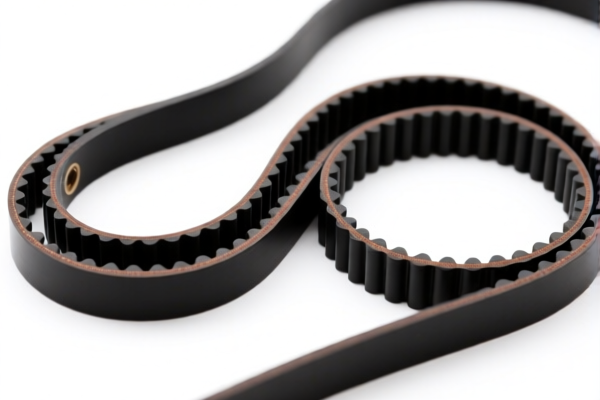
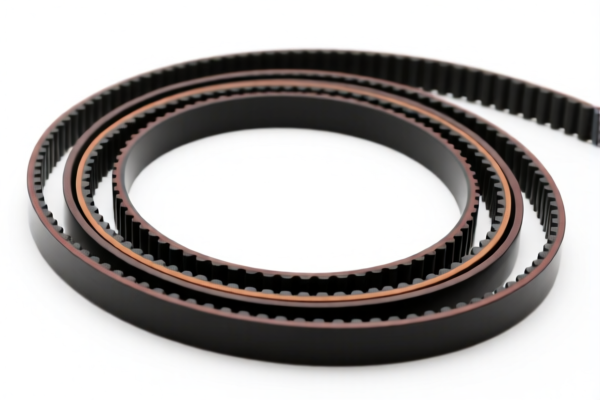
AI Analysis
🌪️ Flexible Duct Clamps (Metal & Plastic) – Global Tariff & Customs Clearance Guide 2026
🌐 HS Code Classification & Duty Breakdown | 2026 Updated Tariff Rules | Pro Tips for Smooth Customs Clearance
📦 I. Product Definition & Classification: What Exactly Is a "Duct Clamp"?
A duct clamp (also known as a flexible duct ring, metal hose clamp, or pipe band) is a mechanical fastener used to secure flexible ducts (e.g., HVAC systems, exhaust pipes, industrial ventilation) to fittings, flanges, or other components. It ensures airtight or leak-proof connections.
⚠️ Key Distinction:
- Metal duct clamps (steel, iron, aluminum, copper) → Classified under iron/steel/other metal parts
- Plastic duct clamps → Classified under plastic fittings
- Cast iron duct clamps → Classified under cast iron pipe fittings🔍 Critical Point:
The material, structure, and intended use determine the HS Code — not just the name!
🧩 II. HS Code Breakdown (2026 Updated Tariff Table)
| HS Code | Product Description | Classification Reason | Applicable for |
|---|---|---|---|
7315.89.10.00 |
Metal duct clamps, classified as other metal parts of chains or chain components | Made of metal, used in duct systems, resembles chain hardware | General metal duct clamps |
7315.89.50.00 |
Metal duct clamps, classified as other parts of chains or iron chains | Similar to above, but falls under "other chain parts" category | Iron/steel duct clamps |
7307.19.30.40 |
Metal duct clamps, classified as clamp-type fittings for ducts made of ductile iron | Specifically for ductile iron pipes, often used in municipal or industrial systems | Cast iron duct systems |
7307.19.90.40 |
Metal duct clamps, classified as other iron or steel pipe fittings | General-purpose steel/iron clamps not covered elsewhere | Standard iron/steel ducts |
3917.40.00.95 |
Plastic or metal duct clamps, classified as other plastic fittings | If made of plastic, even if metal-reinforced, may fall here | Plastic duct clamps |
📌 Note:
- Metal duct clamps must be excluded from plastic categories unless clearly plastic-based.
- Mixed-material clamps (plastic body + metal band) → Must be classified by dominant material or function.
💰 III. 2026 U.S. Tariff Breakdown (China-Origin Goods)
✅ Applicable Country: United States (US)
✅ Origin: China (CN)
✅ Effective Date: November 10, 2025 (inclusive)
🎯 1. 7315.89.10.00 – Metal Duct Clamp (Other Metal Chain Parts)
| Item | Detail |
|---|---|
| Base Duty | 1.5% (ad valorem) |
| Additional Tariff (Section 301) | +25.0% |
| Section 122 Tariff (Steel, Aluminum, Copper Products) | +10% |
| Final Total Duty | 86.5% |
| Tax Calculation | CIF Value × 86.5% |
| De Minimis Threshold | ❌ Not applicable (denied) |
| Legal Basis Path | USITC:7315.89.10.00 → Footnote 9903.88.01 → IEEPA:9903.01.25 → Section 122: 10% |
📌 Explanation:
- 25% Section 301 = U.S. Trade Act 301 retaliation against China.
- 10% Section 122 = Applies to steel, aluminum, and copper-based products.
- 1.5% base = Standard tariff for this category.
- Total: 86.5% → Extremely high — one of the highest tariffs in the HVAC sector.
🎯 2. 7315.89.50.00 – Metal Duct Clamp (Other Chain Parts)
| Item | Detail |
|---|---|
| Base Duty | 3.9% |
| Additional Tariff (Section 301) | +25.0% |
| Section 122 Tariff (Steel, Aluminum, Copper) | +10% |
| Final Total Duty | 88.9% |
| Tax Calculation | CIF × 88.9% |
| De Minimis | ❌ Not allowed |
| Legal Basis Path | USITC:7315.89.50.00 → Footnote 9903.88.01 → IEEPA:9903.01.25 → Section 122: 10% |
📌 Why Higher?
- 3.9% base rate is higher than7315.89.10.00, but same附加 taxes → 88.9% total
- Slight difference in classification leads to 2.4% higher duty — huge impact on cost.
🎯 3. 7307.19.30.40 – Ductile Iron Duct Clamp (Cast Iron Fittings)
| Item | Detail |
|---|---|
| Base Duty | 5.6% |
| Additional Tariff (Section 301) | +25.0% |
| Section 122 Tariff | +10% |
| Final Total Duty | 40.6% |
| Tax Calculation | CIF × 40.6% |
| De Minimis | ❌ Not applicable |
| Legal Basis Path | USITC:7307.19.30.40 → Footnote 9903.88.01 → IEEPA:9903.01.25 → Section 122: 10% |
📌 Note:
- Despite being cast iron, it still triggers Section 122 (10%) due to metal content.
- Lower than metal chain clamps, but still very high.
🎯 4. 7307.19.90.40 – Iron/Steel Pipe Fittings (Other)
| Item | Detail |
|---|---|
| Base Duty | 6.2% |
| Additional Tariff (Section 301) | +25.0% |
| Section 122 Tariff | +10% |
| Final Total Duty | 41.2% |
| Tax Calculation | CIF × 41.2% |
| De Minimis | ❌ Not allowed |
| Legal Basis Path | USITC:7307.19.90.40 → Footnote 9903.88.01 → IEEPA:9903.01.25 → Section 122: 10% |
📌 Why 41.2%?
- 6.2% base is higher than ductile iron → slightly higher final rate
- Still below metal chain clamps, but not safe to assume lower cost.
🎯 5. 3917.40.00.95 – Plastic or Metal Duct Clamp (Other Plastic Fittings)
| Item | Detail |
|---|---|
| Base Duty | 5.3% |
| Additional Tariff (Section 301) | +25.0% |
| Section 122 Tariff | +10% |
| Final Total Duty | 40.3% |
| Tax Calculation | CIF × 40.3% |
| De Minimis | ❌ Not allowed |
| Legal Basis Path | USITC:3917.40.00.95 → Footnote 9903.88.01 → IEEPA:9903.01.25 → Section 122: 10% |
📌 Critical Note:
- Even if metal-reinforced, if plastic is the primary material, this code applies.
- Not subject to 122 tariff? → NO! It still applies if metal content is significant.
- Best for plastic-only clamps.
🛠️ IV. Customs Clearance Best Practices (Pro Tips)
✅ 1. Documentation Checklist (MUST-HAVE)
| Document | Required? | Why It Matters |
|---|---|---|
| ✅ Product Specifications | ✔️ | Material, dimensions, weight, design |
| ✅ Material Certificate (e.g., ASTM, ISO) | ✔️ | Prove metal/plastic composition |
| ✅ Circuit/Structure Diagram | ✔️ | Show if metal band is structural or just reinforcement |
| ✅ High-Res Product Photos (with labels) | ✔️ | For visual verification |
| ✅ Commercial Invoice | ✔️ | Must state: “Duct Clamp, Metal/Plastic, for HVAC Systems” |
| ✅ Certificate of Origin (CO) | ✔️ | Critical for tariff eligibility |
| ✅ Packing List | ✔️ | Avoid split declarations |
✅ 2.申报技巧(Key Rules to Remember)
🔥 "Material First, Function Second, Name Last!"
| Scenario | Correct HS Code | Wrong Approach |
|---|---|---|
| Metal clamp with chain-like design | 7315.89.10.00 or 7315.89.50.00 |
Misclassify as 3917.40.00.95 → Higher tax risk |
| Ductile iron clamp | 7307.19.30.40 |
Use 7307.19.90.40 → Lower base rate but wrong |
| Plastic clamp (no metal) | 3917.40.00.95 |
Use 7315.89.10.00 → Massive overpayment |
| Mixed-material clamp | Dominant material rule | Split into multiple items → Tax explosion! |
📌 Golden Rule:
Never split a single product into multiple HS codes — it triggers duty stacking and audit risk.
✅ 3. Special Cases & Solutions
| Situation | Recommended Action |
|---|---|
| Clamp with metal band + plastic body | Classify by dominant material or function → Use 7315.89.10.00 if metal is structural |
| Custom-designed clamp | Submit pre-ruling request (Advance Ruling) to U.S. CBP |
| Export from Vietnam/Mexico | Can qualify for IEEPA exemption → 0% tariff if origin rules met |
| Used in military/industrial systems | Apply for special use exemption — requires documentation |
🌍 V. Global Market Tariff Comparison (2026)
| Country | Recommended HS Code | Base Duty | Additional Taxes | Notes |
|---|---|---|---|---|
| 🇺🇸 USA (China-origin) | 7315.89.10.00 |
1.5% | +25% +10% → 86.5% | Highest in world |
| 🇨🇳 China | 7315.89.10.00 |
5% | None | No extra tariffs |
| 🇪🇺 EU | 7315.89.10.00 |
0% | None (if CE) | No 301/122 tariffs |
| 🇦🇺 Australia | 7315.89.10.00 |
5% | None | No附加税 |
| 🇯🇵 Japan | 7315.89.10.00 |
0% | None | No extra tariffs |
📌 Insight:
- The U.S. is the only country imposing 301 + 122 tariffs on duct clamps.
- China-origin goods face the highest risk — consider shifting production to Vietnam, Mexico, or Thailand.
🚨 VI. Common Mistakes & Costly Errors (Avoid These!)
❌ Mistake 1: Splitting a single clamp into "metal band" + "plastic ring"
👉 Result: Each item taxed at 86.5% → Total: 173%! → Severe penalty
❌ Mistake 2: Using "plastic clamp" for metal-reinforced product
👉 Result: Misclassification → Refund, penalties, audit
❌ Mistake 3: Not providing material proof
👉 Result: CBP delays, random inspection, delayed shipment
❌ Mistake 4: Using generic name like "duct ring" without specification
👉 Result: Customs assigns worst-case HS Code → Higher duty
✅ Correct Declaration Example:
“Metal Duct Clamp, Steel, 30mm Diameter, for HVAC Systems, Model XYZ, with Zinc Coating, ASTM A123 Certified”
🎯 VII. Final Verdict: How to Win the Tariff Game
🔹 "Classify by Material, Not Name"
🔹 "One Product, One HS Code" — Never Split!
🔹 "China Origin? Prepare for 86.5%!"
🔹 "Vietnam/Mexico Origin? You Might Pay 0%!"
📌 Action Steps: Your 2026 Clearance Plan
- 📊 Audit your current HS Code — is it correct?
- 🧾 Verify material composition — metal? plastic? mixed?
- 🌏 Consider shifting production to non-China countries (Vietnam, Mexico, India)
- 📞 Apply for Advance Ruling (Pre-Ruling) with U.S. CBP
- 📬 Partner with a U.S.-based customs broker experienced in HVAC & metal fittings
📣 🚀 Ready to Export?
📞 Contact a licensed customs broker + submit product photos + specs
🚀 Get your HS Code pre-approved — avoid surprise tariffs!
✨ Pro Tip:
If your duct clamp is made in Vietnam or Mexico, you may qualify for IEEPA exemption — zero tariff on top of 0% base rate.
Save thousands per container!
💼 Your product’s success starts with one accurate HS Code.
🔍 Get it right — and your shipment sails through.
🎯 "Accurate Classification = Zero Surprises = Maximum Profit!"
Customer Reviews
About HS Code Classification
The Harmonized System (HS) is an internationally standardized nomenclature developed by the World Customs Organization (WCO) to classify traded products. Over 200 countries use the HS system as the basis for customs tariffs, trade statistics, and import/export regulations.
Each HS code follows a hierarchical structure:
- Chapter (2 digits) — Broad category of goods (e.g., Chapter 84: Machinery and Mechanical Appliances)
- Heading (4 digits) — More specific grouping within the chapter
- Subheading (6 digits) — Internationally standardized breakdown, used by all WCO member countries
- National subdivisions (8-10 digits) — Country-specific extensions for further classification, such as US HTSUS 10-digit codes
Correct HS code classification is essential for smooth customs clearance, accurate duty payment, and compliance with trade regulations. Misclassification can lead to customs delays, overpayment of duties, or penalties.
When importing from CN to US, the applicable tariff rates may include:
- Most-Favored-Nation (MFN) rate — The standard duty rate applied to WTO members
- General rate — Applied to countries without trade agreements
- Trade remedy duties — Additional tariffs such as Section 301 (anti-dumping), Section 232 (national security), or countervailing duties
The information provided on this page is for reference purposes only. For official classification, please consult with your local customs authority or a licensed customs broker.