餐桌
CN → US| HS Code | Tariff Rate | Origin | Destination | Doc |
|---|---|---|---|---|
| 9403608040 | 35.0% | CN | US | Official Doc |
| 9403409040 | 35.0% | CN | US | Official Doc |
| 7117909000 | 28.5% | CN | US | Official Doc |
| 3924901050 | 13.3% | CN | US | Official Doc |
| 3924905650 | 20.9% | CN | US | Official Doc |
| 6802930090 | 38.7% | CN | US | Official Doc |
Product Images
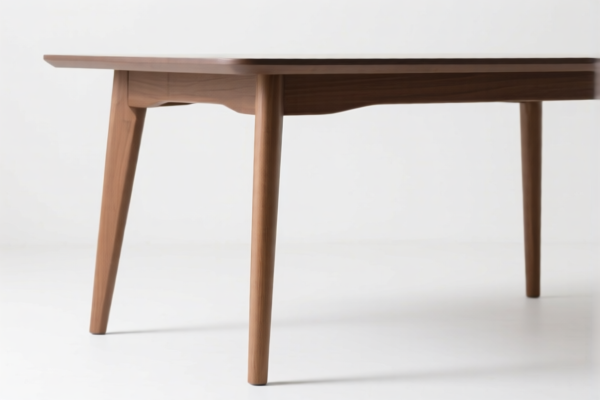
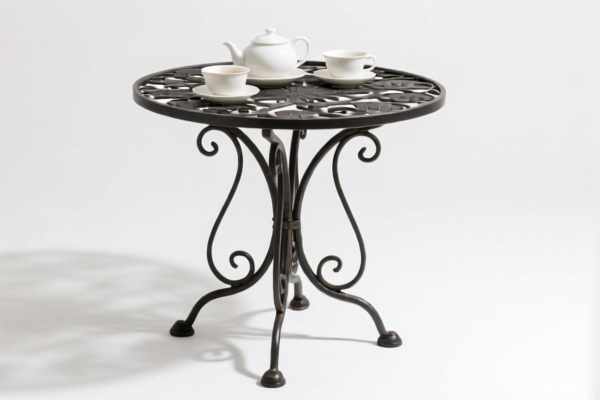
AI Analysis
🍽️ Dining Table (Wooden & Decorative Components)
🌐 HS Code Reference & Customs Clearance Guide | 2026 Latest Tariff Breakdown | Pro-Level Import Strategy
📌 One-Stop Classification & Taxation Masterclass for Dining Tables & Accessories
📦 一、Product Definition & Classification: What Exactly Is a "Dining Table"?
A dining table is a furniture item designed for serving meals, typically featuring a flat top supported by legs or a base. In international trade, it is classified based on material composition, construction, and function.
⚠️ Critical Distinction:
- If the table is wood-based and used primarily for dining → HS Code 9403.60.80.40 or 9403.40.90.40
- If the table includes decorative elements made of plastic, stone, or imitation jewelry → Classified separately under different HS codes based on material✅ Key Insight:
- Wooden tables are treated as furniture;
- Decorative items (e.g., centerpieces, inlays, trims) are not part of the main table and must be declared separately — otherwise, misclassification risks heavy penalties.
🔍 二、HS Code Breakdown (2026 Official Tariff List) – Full Transparency
| HS Code | Product Description | Material Basis | Tax Rate | Key Tax Components |
|---|---|---|---|---|
9403.60.80.40 |
Dining table, based on wood furniture classification | Wood-based construction | 35.0% | Base: 0%, Add-on: 25%, Section 122: 10% |
9403.40.90.40 |
Dining table, based on wood furniture classification | Wood-based construction | 35.0% | Base: 0%, Add-on: 25%, Section 122: 10% |
3924.90.10.50 |
Table decoration, based on plastic material | Plastic components | 13.3% | Base: 3.3%, Add-on: 0%, Section 122: 10% |
7117.90.90.00 |
Table decoration, based on imitation jewelry classification | Imitation jewelry / metal-plated | 28.5% | Base: 11.0%, Add-on: 7.5%, Section 122: 10% |
6802.93.00.90 |
Table decoration, based on granite material | Natural stone (granite) | 38.7% | Base: 3.7%, Add-on: 25.0%, Section 122: 10% |
3924.90.56.50 |
Table decoration, based on plastic material | Plastic components | 20.9% | Base: 3.4%, Add-on: 7.5%, Section 122: 10% |
📌 Note:
- Wooden tables (9403.60.80.40 / 9403.40.90.40) are not subject to base tariff but face 25% + 10% in additional duties.
- Decorative accessories are not taxed as part of the table — they must be declared separately to avoid misclassification.
💰 三、Detailed Tariff Explanation (U.S. 2026 Tariff Regime)
✅ Applicable Country: United States (US)
✅ Origin: China (CN)
✅ Effective Date: November 10, 2025 (and onward)
🎯 1. 9403.60.80.40 — Wooden Dining Table (High-Tax Category)
| Item | Detail |
|---|---|
| Base Duty | 0% (ad valorem) |
| Section 301 (USITC) Add-on | +25% (from U.S. Trade Act Section 301) |
| Section 122 (IEEPA) Additional Duty | +10% (under International Emergency Economic Powers Act) |
| Total Effective Duty | 35.0% |
| Tax Calculation | CIF Value × 35% |
| De Minimis Exemption | ❌ Not applicable (denied under U.S. law) |
| Legal Basis Path | IEEPA:9903.01.25 → IEEPA:9903.01.24 → USITC:9403.60.80.40 → FOOTNOTE:9903.88.01 |
📌 Why This Applies:
- This code covers wooden dining tables regardless of style (round, rectangular, extendable).
- Even if the table has non-wooden legs (e.g., metal), if the top is wood, it still falls under this category.
🎯 2. 9403.40.90.40 — Wooden Dining Table (Same as Above)
| Item | Detail |
|---|---|
| Base Duty | 0% |
| Section 301 Add-on | +25% |
| Section 122 Add-on | +10% |
| Total Duty | 35.0% |
| Tax Calculation | CIF × 35% |
| De Minimis | ❌ Not allowed |
| Legal Path | Same as above |
📌 Key Difference?
- No difference in tax — this code applies to other wooden tables not covered under 9403.60.80.40 (e.g., custom or non-standard designs).
- Still subject to same 35% total duty.
🎯 3. 3924.90.10.50 — Plastic Table Decoration
| Item | Detail |
|---|---|
| Base Duty | 3.3% |
| Section 301 Add-on | 0% |
| Section 122 Add-on | +10% |
| Total Duty | 13.3% |
| Tax Calculation | CIF × 13.3% |
| De Minimis | ✅ Applicable (if value ≤ $800) |
| Legal Path | USITC:3924.90.10.50 → FOOTNOTE:9903.88.01 |
📌 Important:
- This code applies to plastic centerpieces, table runners, decorative inserts, or trays.
- Not part of the table itself — must be declared separately.
🎯 4. 7117.90.90.00 — Decorative Item Based on Imitation Jewelry
| Item | Detail |
|---|---|
| Base Duty | 11.0% |
| Section 301 Add-on | +7.5% |
| Section 122 Add-on | +10% |
| Total Duty | 28.5% |
| Tax Calculation | CIF × 28.5% |
| De Minimis | ❌ Not allowed |
| Legal Path | IEEPA:9903.01.24 → USITC:7117.90.90.00 → FOOTNOTE:9903.88.01 |
📌 What Counts?
- Items like metallic inlays, plated trim, faux gemstone accents, or ornamental plaques on the table surface.
- Even if small, if classified as imitation jewelry, this rate applies.
🎯 5. 6802.93.00.90 — Granite-Based Table Decoration
| Item | Detail |
|---|---|
| Base Duty | 3.7% |
| Section 301 Add-on | +25.0% |
| Section 122 Add-on | +10% |
| Total Duty | 38.7% |
| Tax Calculation | CIF × 38.7% |
| De Minimis | ❌ Not allowed |
| Legal Path | USITC:6802.93.00.90 → FOOTNOTE:9903.88.01 |
📌 Why So High?
- Granite is considered non-wood, non-plastic, non-metallic, and falls under natural stone.
- Section 301 (25%) + Section 122 (10%) apply due to China origin.
🎯 6. 3924.90.56.50 — Plastic Decoration (Higher-Value Plastic Item)
| Item | Detail |
|---|---|
| Base Duty | 3.4% |
| Section 301 Add-on | +7.5% |
| Section 122 Add-on | +10% |
| Total Duty | 20.9% |
| Tax Calculation | CIF × 20.9% |
| De Minimis | ❌ Not allowed |
| Legal Path | IEEPA:9903.01.24 → USITC:3924.90.56.50 → FOOTNOTE:9903.88.01 |
📌 When It Applies:
- Higher-end plastic decorative elements (e.g., molded floral designs, engraved inserts, luxury table inserts).
- Not basic plastic trays — more complex, value-added plastic items.
🛠️ 四、Customs Clearance Best Practices (Pro Tips to Avoid Penalties)
✅ 1. Required Documentation (MUST-HAVE List)
| Document | Required? | Why It Matters |
|---|---|---|
| ✅ Product Specification Sheet | ✔️ | Shows material, dimensions, construction |
| ✅ Material Certificates (e.g., wood origin, plastic grade) | ✔️ | Proves classification basis |
| ✅ High-Resolution Product Photos (with labels) | ✔️ | Proves composition (wood vs. plastic vs. stone) |
| ✅ Commercial Invoice | ✔️ | Must clearly state: “Dining Table – Wood” or “Plastic Decoration – Table Centerpiece” |
| ✅ Packing List | ✔️ | Separates table from accessories |
| ✅ Certificate of Origin (CO) | ✔️ | Needed for tariff claims (if applicable) |
| ✅ Test Reports (RoHS, FCC if electronic) | ✔️ | If applicable (e.g., LED lighting in table) |
✅ 2. Smart申报 Strategies (Golden Rules)
🔥 “Table ≠ Decoration! Declare Separately! Tax Splits, Risk Drops!”
| Scenario | Correct Action | Wrong Action |
|---|---|---|
| Wooden table with plastic centerpiece | Split into two entries: 9403.60.80.40 + 3924.90.10.50 |
Combine → 35% on all → overpay |
| Table with granite inlay | Declare inlay as 6802.93.00.90 |
Treat as part of table → 38.7% on whole |
| Metal-plated trim | Use 7117.90.90.00 |
Misclassify as metal → higher rate |
| Plastic legs on wooden table | Still classify as 9403.60.80.40 |
Split → risk of misclassification |
📌 Golden Rule:
- The main table = wood-based → 35%
- All decorative parts = separate HS codes → lower tax
- Do not combine — separate declaration = lower total tax
✅ 3. Special Cases & Risk Mitigation
| Situation | Recommended Action |
|---|---|
| Table with built-in LED lighting | Declare as furniture with electrical component → may require 9405.40.00.00 (lighting fixtures) |
| Custom-designed table (non-standard) | Apply for Advance Ruling (Pre-ruling) to lock in HS code |
| Table shipped with matching chairs | Do not combine — declare separately (chairs: 9403.50.00.00) |
| Table made in Vietnam/Mexico | Apply for IEEPA exemption → 0% on Section 122 → total tax drops to 25% |
| Small decorative item (<$800) | If plastic → de minimis applies → no duty if under $800 |
🌍 五、Global Customs Comparison (2026)
| Country | Recommended HS Code | Tariff | Certification | Notes |
|---|---|---|---|---|
| 🇺🇸 USA | 9403.60.80.40 (table), 3924.90.10.50 (decoration) |
35% (table), 13.3% (plastic decor) | None (if < $800) | No de minimis for table |
| 🇨🇳 China | 9403.60.80.40 |
5% | CCC | No extra tariffs |
| 🇪🇺 EU | 9403.60.80.40 |
0% (if CE) | CE, RoHS | No 301/122 tariffs |
| 🇦🇺 Australia | 9403.60.80.40 |
5% | RCM | No extra duties |
| 🇯🇵 Japan | 9403.60.80.40 |
0% | PSE | No extra duties |
📌 Insight:
- Only the U.S. imposes 35% + 10% on wooden dining tables from China.
- China, EU, Japan, Australia are much more favorable — consider re-routing to avoid U.S. tariffs.
📌 六、Common Mistakes & How to Avoid Them (Real Cases)
❌ Mistake 1: Combining wooden table + plastic centerpiece in one entry
👉 Result: 35% on entire shipment → overpay by 20%+
✅ Fix: Split into two entries → pay only 13.3% on decoration
❌ Mistake 2: Calling a granite inlay “wood” to avoid 38.7%
👉 Result: Customs audit → penalties + seizure
✅ Fix: Use 6802.93.00.90 — accurate classification = safe clearance
❌ Mistake 3: Not declaring plastic decor separately
👉 Result: Misclassified as table → 35% on all items
✅ Fix: Use separate invoice line items with correct HS codes
❌ Mistake 4: Using “dining table” as only description
👉 Result: Customs can’t verify material → delay or rejection
✅ Fix: Use detailed description:
“Wooden Dining Table, 6 ft x 3 ft, Solid Oak Top, Metal Legs, with Plastic Centerpiece (HS: 3924.90.10.50)”
🎯 七、Final Verdict: Win the Trade Game with Smart Classification
🎯 Pro Tips to Remember:
🔹 “Wood Table = 35%”
🔹 “Plastic Decor = 13.3% (if under $800)”
🔹 “Granite Inlay = 38.7% — declare separately!”
🔹 “Never combine table + decoration”
🔹 “Use pre-ruling if custom”
📣 Act Now!
📞 Contact a licensed U.S. Customs Broker + Provide product photos + Request HS Code Pre-Ruling
🚀 Save 15–30% in duties by splitting and classifying correctly
💼 Your profit margin depends on precise classification — don’t gamble!
✨ Smart Customs = Smooth Shipping = Higher Profits!
💼 Every dollar saved starts with the right HS code.
Customer Reviews
About HS Code Classification
The Harmonized System (HS) is an internationally standardized nomenclature developed by the World Customs Organization (WCO) to classify traded products. Over 200 countries use the HS system as the basis for customs tariffs, trade statistics, and import/export regulations.
Each HS code follows a hierarchical structure:
- Chapter (2 digits) — Broad category of goods (e.g., Chapter 84: Machinery and Mechanical Appliances)
- Heading (4 digits) — More specific grouping within the chapter
- Subheading (6 digits) — Internationally standardized breakdown, used by all WCO member countries
- National subdivisions (8-10 digits) — Country-specific extensions for further classification, such as US HTSUS 10-digit codes
Correct HS code classification is essential for smooth customs clearance, accurate duty payment, and compliance with trade regulations. Misclassification can lead to customs delays, overpayment of duties, or penalties.
When importing from CN to US, the applicable tariff rates may include:
- Most-Favored-Nation (MFN) rate — The standard duty rate applied to WTO members
- General rate — Applied to countries without trade agreements
- Trade remedy duties — Additional tariffs such as Section 301 (anti-dumping), Section 232 (national security), or countervailing duties
The information provided on this page is for reference purposes only. For official classification, please consult with your local customs authority or a licensed customs broker.