10 Children's Paint Brushes (Colorful)
CN → US| HS Code | Tariff Rate | Origin | Destination | Doc |
|---|---|---|---|---|
| 3926909989 | 22.8% | CN | US | Official Doc |
| 9603306000 | 10.0% | CN | US | Official Doc |
| 9603404060 | 14.0% | CN | US | Official Doc |
| 3926100000 | 15.3% | CN | US | Official Doc |
| 9503000071 | 10.0% | CN | US | Official Doc |
Product Images
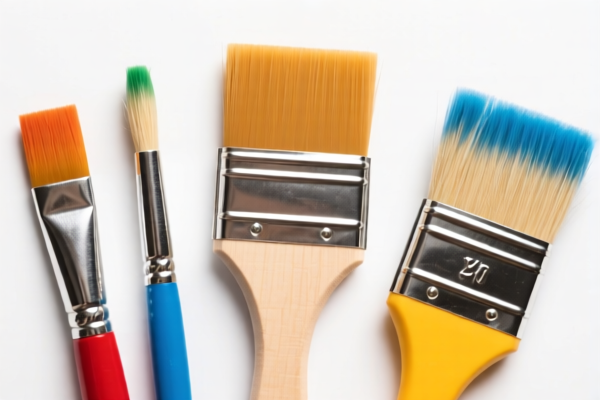
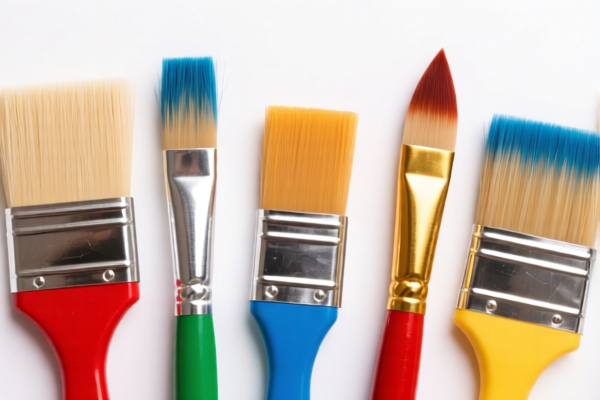
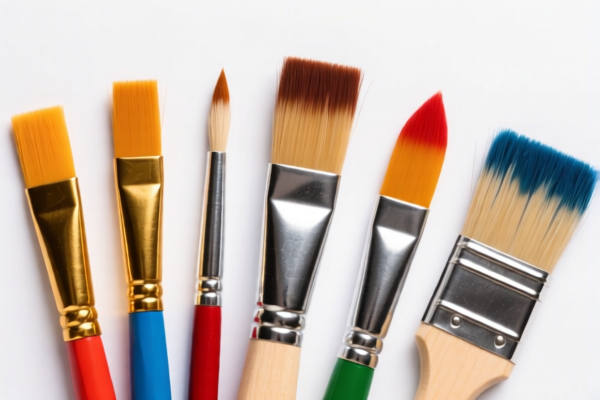
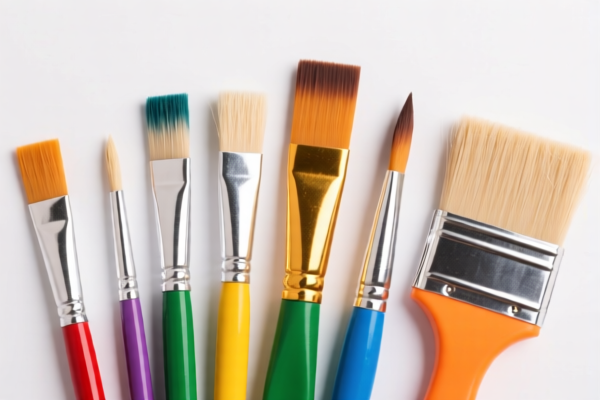
AI Analysis
🎨 Children's Paint Brushes (Colorful)
🌐 HS Code Reference & Customs Clearance Guide | 2026 Latest Tariff Analysis | Professional Entry Strategy
📌 I. Product Definition & Classification: What Exactly Are "Children's Paint Brushes"?
Children's paint brushes are artistic tools designed specifically for young users. They are typically characterized by short handles, large heads, soft bristles, and vibrant, child-safe materials. In international trade, their classification is complex because they straddle multiple categories: Toys, Brushes, and Plastic Articles.
The critical distinction lies in the primary intent and physical structure: * Are they toys? (Educational/Play context) → Look at Chapter 95. * Are they brushes? (Artistic tool context) → Look at Chapter 96. * Are they generic plastic items? (Material context) → Look at Chapter 39.
⚠️ Key Distinction Point:
- If the brush is marketed explicitly as a toy/art supply for children with simple, durable construction → Often falls under 9503 (Toys).
- If it has the specific morphology of a brush (handle + bristle bundle) used for painting → Often falls under 9603 (Brushes).
- If it lacks specific "brush" features or is just a plastic stick with paint residue → Falls under 3926 (Other Plastic Articles).
📦 II. HS Code Classification Details (2026 Latest Tariff Authority Comparison)
| HS Code | Product Description | Application Scenario | Key Classification Basis |
|---|---|---|---|
9503.00.00.71 |
Children's products, including toy accessories and art supplies for children | Educational toys, play-dough tools, basic children's art sets | ✅ Toys/Art Supplies: Specifically for children's use. |
9503.00.00.73 |
Toys / Painting Tools category, conforming to children's utensil usage | Children's painting kits, crayons, brushes sold as part of toy sets | ✅ Toys/Tools: Emphasis on "children's utensils" and material compatibility. |
9603.30.60.00 |
Matches brush purpose and morphology, fitting "brushes for artists and similar uses" | Standard artist brushes, fine-detail brushes, professional-grade children's brushes | ✅ Brushes: Focus on the form (handle + bristles) and function (artistic application). |
9603.40.40.60 |
Belongs to the "paint, varnish, or similar brushes" category under other rules | Industrial-style brushes, larger brushes for kids' craft projects (painting walls/canvas) | ✅ Brushes: Broad category for painting applications, not limited to fine art. |
3926.10.00.00 |
Office or school supplies, typically made of plastic handles, fitting plastic products category | Cheap plastic-handled brushes, school art class supplies where plastic is dominant | ✅ Plastic/Office: Emphasis on material (plastic) and institutional use (school/office). |
3926.90.99.89 |
Other products made of plastic and other materials, serving as a residual category | Brushes that don't fit neatly into brush or toy categories, composite materials | ✅ Residual Plastic: Catch-all for plastic articles not specified elsewhere. |
🔍 Key Reminder:
- Toys (9503) usually carry the lowest base duty (0%) but are subject to the same Section 301 tariffs.
- Brushes (9603) are the most "standard" classification for actual painting tools.
- Plastic Articles (3926) are generally higher risk for classification disputes if the item clearly functions as a brush.
💰 III. 2026 Latest Tariff Rate Details (Including Add-on Taxes & Policy Add-ons)
✅ Applicable Country: United States (US)
✅ Origin: China (CN)
✅ Effective Time: From November 10, 2025 onwards (including subsequent imports)
🎯 1. 9503.00.00.71 & 9503.00.00.73 —— Children's Products & Toys
| Item | Content |
|---|---|
| Base Duty Rate | 0.0% (ad valorem) |
| Section 301 Add-on Tax | 0.0% |
| Section 122 Tariff | +10% (Specific to China-origin goods under Section 122 provisions) |
| Total Duty Rate | 10.0% |
| Tax Calculation | CIF Value × 10% |
| De Minimis Exemption Eligibility | ❌ No (subject to trade remedies) |
| Legal Basis Path | Section 122: 10% → HTS: 9503.00.00.71/73 |
📌 Explanation:
- These codes are classified under Chapter 95 (Toys), which benefits from a 0% base duty. - However, they are still subject to the 10% Section 122 tariff imposed on certain Chinese goods. - Result: Only 10% total duty. This is the most tax-efficient classification for children's items.
🎯 2. 9603.30.60.00 & 9603.40.40.60 —— Brushes (Artistic & Paint)
A. 9603.30.60.00 (Artists' Brushes)
| Item | Content |
|---|---|
| Base Duty Rate | 0.0% |
| Section 301 Add-on Tax | 0.0% |
| Section 122 Tariff | +10% |
| Total Duty Rate | 10.0% |
| Tax Calculation | CIF Value × 10% |
| De Minimis Exemption Eligibility | ❌ No |
| Legal Basis Path | Section 122: 10% → HTS: 9603.30.60.00 |
B. 9603.40.40.60 (Paint/Varnish Brushes)
| Item | Content |
|---|---|
| Base Duty Rate | 4.0% |
| Section 301 Add-on Tax | 0.0% |
| Section 122 Tariff | +10% |
| Total Duty Rate | 14.0% |
| Tax Calculation | CIF Value × 14% |
| De Minimis Exemption Eligibility | ❌ No |
| Legal Basis Path | Section 122: 10% + HTS: 9603.40.40.60 |
📌 Note:
-9603.30.60.00(Artists' brushes) has 0% base, totaling 10%.
-9603.40.40.60(General paint brushes) has 4% base, totaling 14%.
- Crucial: If your brushes are high-quality "artist" style, aim for9603.30.60.00. If they are generic craft brushes, they might fall into the higher9603.40bucket.
🎯 3. 3926.10.00.00 & 3926.90.99.89 —— Plastic Office Supplies & Other Articles
A. 3926.10.00.00 (Plastic Office/School Supplies)
| Item | Content |
|---|---|
| Base Duty Rate | 5.3% |
| Section 301 Add-on Tax | 0.0% |
| Section 122 Tariff | +10% |
| Total Duty Rate | 15.3% |
| Tax Calculation | CIF Value × 15.3% |
| De Minimis Exemption Eligibility | ❌ No |
| Legal Basis Path | Section 122: 10% + HTS: 3926.10.00.00 |
B. 3926.90.99.89 (Other Plastic Articles - Residual)
| Item | Content |
|---|---|
| Base Duty Rate | 5.3% |
| Section 301 Add-on Tax | 7.5% (Note: Data shows 7.5% here, possibly specific section 301 list) |
| Section 122 Tariff | +10% |
| Total Duty Rate | 22.8% |
| Tax Calculation | CIF Value × 22.8% |
| De Minimis Exemption Eligibility | ❌ No |
| Legal Basis Path | Section 301: 7.5% + Section 122: 10% + HTS: 3926.90.99.89 |
📌 Warning:
- Classifying children's brushes as "Plastic Articles" (Chapter 39) is risky and expensive.
-3926.90.99.89carries the highest total duty (22.8%) due to higher Section 301 rates.
- Avoid this unless the item is not clearly a brush or toy (e.g., a plastic handle with no bristles).
🛠️ IV. Customs Clearance Practical Advice (Real-World Pitfall Guide)
✅ 1. Preparation Checklist (None Can Be Omitted)
| Material | Must Provide | Description |
|---|---|---|
| ✅ Product Specification Sheet | ✔️ | Includes material (nylon/animal hair/plastic), handle length, bristle type. |
| ✅ Product Photos (Labeled) | ✔️ | Clear images of brush head, handle, and any packaging showing "Children's Toy". |
| ✅ Commercial Invoice | ✔️ | Must clearly state "Children's Paint Brushes" or "Art Brushes", not just "Plastic Items". |
| ✅ Packing List | ✔️ | Details quantity, weight, and dimensions. |
| ✅ Certificate of Origin (CO) | ✔️ | Required for Section 122 application. |
| ✅ CPSIA Compliance (If Toy) | ✔️ | If claiming 9503 (Toy), proof of child-safety compliance is crucial. |
✅ 2. Declaration Tips (Key Mnemonics)
🔥 "Toy vs. Brush: Name Matters, Tax Saves Half!"
| Scenario | Correct Declaration | Error to Avoid |
|---|---|---|
| Children's Art Set | 9503.00.00.71 or 73 |
Calling it "Plastic Brush" → 15-22% |
| High-Quality Artist Brush | 9603.30.60.00 |
Calling it "Toy" → Might be rejected if too professional |
| Generic Craft Brush | 9603.40.40.60 or 9603.30.60.00 |
Calling it "Plastic Part" → 22.8% |
| Plastic Stick with Paint | 3926.90.99.89 |
Calling it "Brush" → Misclassification penalty |
✅ 3. Special Situation Handling
| Situation | Handling Advice |
|---|---|
| OEM Custom Brushes | Provide design drawings. If designed for kids, argue for 9503. |
| Mixed Packaging (Brush + Toy) | Declare as a set. If toy is the primary value, use 9503. |
| "Not for Play" Label | If labeled "Artist Use Only", use 9603. Avoid 9503 to prevent child-safety scrutiny. |
| Very Cheap Plastic Brushes | Risk of being classified as 3926. Ensure the "brush" function is clear. |
🌍 V. Global Market Comparison (2026 Latest)
| Country/Region | Recommended HS Code | Duty Rate | Certification | Notes |
|---|---|---|---|---|
| 🇺🇸 USA | 9503.00.00.71/73 |
10% | CPSIA | Best for children's items. |
| 🇺🇸 USA | 9603.30.60.00 |
10% | N/A | Best for artist-style brushes. |
| 🇨🇳 China | 9503.00.00 |
0-5% | CCC | Low import duty to China. |
| 🇪🇺 EU | 9603.30 |
4.5% | CE | No Section 122 equivalent. |
| 🇯🇵 Japan | 9603.30 |
6.0% | PSE | Stable tariffs. |
📌 Conclusion:
- USA is the key market with significant differences based on Chapter (Toy vs. Brush vs. Plastic).
- Children's brushes should ideally be classified under 9503 to leverage the 0% base duty, resulting in only 10% total duty.
- Brushes (9603) are a safe second choice at 10-14%.
- Plastic (3926) should be avoided due to higher tariffs (up to 22.8%).
📌 VI. Common Errors & Pitfalls Guide (Lessons Learned)
❌ Error 1: Declaring children's brushes as "Plastic Art Supplies" (3926)
👉 Consequence: Duty jumps from 10% to 22.8% → Cost increase of 12.8%!
❌ Error 2: Using "Toy" classification (9503) for professional artist brushes
👉 Consequence: Customs may reject the classification, demanding re-classification to 9603 → Delays + Penalties.
❌ Error 3: Ignoring Section 122 Tariff
👉 Consequence: Even with 0% base duty, forgetting the 10% Section 122 leads to underpayment → Audit Risk.
❌ Error 4: Ambiguous Product Name ("Brush")
👉 Consequence: Customs may choose the highest duty rate (3926) → 22.8%.
✅ Correct Practice:
"Children's Plastic Paint Brushes, Non-Toxic, For Art & Play, Model XYZ, CPSIA Compliant"
Use HS Code:9503.00.00.71
🎯 VII. Conclusion: Professional Declaration, Save Money & Time!
🎯 Remember the Mnemonic:
🔹 "Toy 10%, Brush 10-14%, Plastic 15-22%. Pick the right chapter, save the cash!"
🔹 "Children's Brushes: Aim for 9503 (Toy) for 10% Total. Avoid 3926 (Plastic) to dodge 22.8%."
📌 Tips:
- If your brushes are sold in a kit with other toys, declare as a set under 9503.
- If they are standalone professional brushes, use 9603.
- Always ensure Section 122 is applied correctly for China-origin goods.
📣 Immediate Action:
📞 Contact a licensed customs broker + Provide product photos + Apply for Advance Ruling if uncertain.
🚀 Ensure your children's paint brushes pass customs smoothly, reduce costs, and maximize profit!
✨ Professional Clearance Starts with Accurate Classification!
💼 Every dollar of tax saved is a dollar of profit earned!
Customer Reviews
About HS Code Classification
The Harmonized System (HS) is an internationally standardized nomenclature developed by the World Customs Organization (WCO) to classify traded products. Over 200 countries use the HS system as the basis for customs tariffs, trade statistics, and import/export regulations.
Each HS code follows a hierarchical structure:
- Chapter (2 digits) — Broad category of goods (e.g., Chapter 84: Machinery and Mechanical Appliances)
- Heading (4 digits) — More specific grouping within the chapter
- Subheading (6 digits) — Internationally standardized breakdown, used by all WCO member countries
- National subdivisions (8-10 digits) — Country-specific extensions for further classification, such as US HTSUS 10-digit codes
Correct HS code classification is essential for smooth customs clearance, accurate duty payment, and compliance with trade regulations. Misclassification can lead to customs delays, overpayment of duties, or penalties.
When importing from CN to US, the applicable tariff rates may include:
- Most-Favored-Nation (MFN) rate — The standard duty rate applied to WTO members
- General rate — Applied to countries without trade agreements
- Trade remedy duties — Additional tariffs such as Section 301 (anti-dumping), Section 232 (national security), or countervailing duties
The information provided on this page is for reference purposes only. For official classification, please consult with your local customs authority or a licensed customs broker.