4 Layer Twill Cotton Blend Fabric > 200gsm Home Textiles
CN → US| HS Code | Tariff Rate | Origin | Destination | Doc |
|---|---|---|---|---|
| 5514120020 | 49.9% | CN | US | Official Doc |
| 5514220020 | 49.9% | CN | US | Official Doc |
| 5209520020 | 43.4% | CN | US | Official Doc |
| 5209430030 | 43.4% | CN | US | Official Doc |
| 5514120020 | 49.9% | CN | US | Official Doc |
Product Images
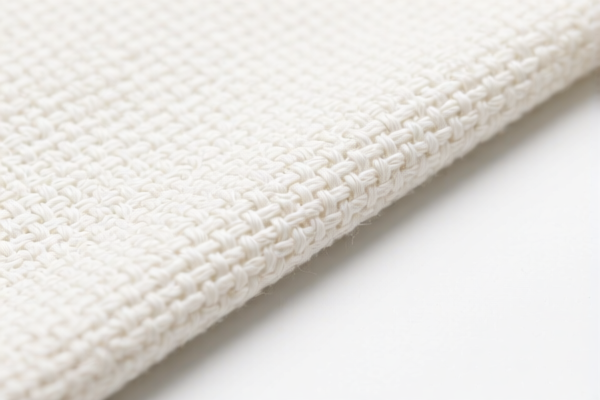
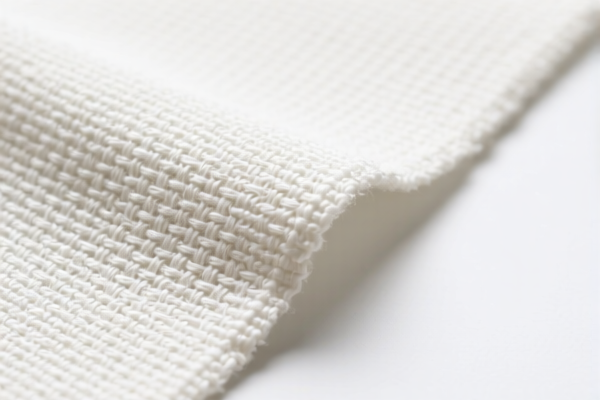
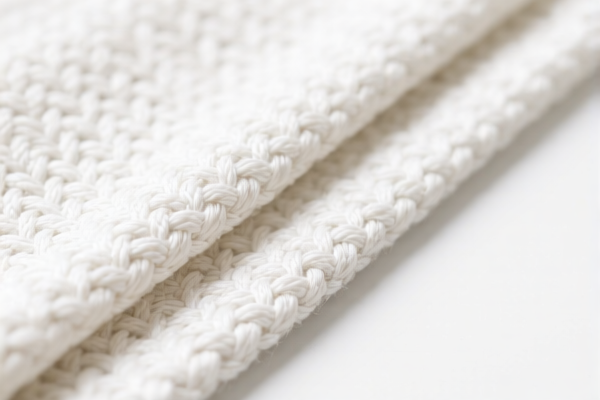
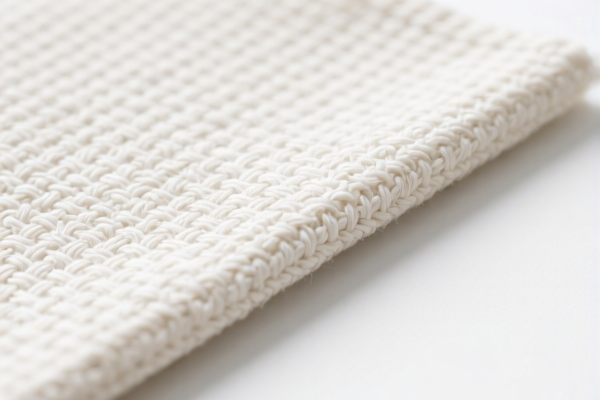
AI Analysis
🧵 4-Layer Twill Cotton Blend Fabric (>200gsm) | Home Textiles Edition
🌐 HS Code Reference & Customs Clearance Guide | 2026 Latest Tariff Analysis | Professional Home Textile Strategy
📌 I. Product Definition & Classification: Is it Really "Cotton Blend"?
4-Layer Twill Cotton Blend Fabric (>200gsm) is a high-density, multi-layered textile structure primarily used for heavy-duty home textiles such as premium duvet covers, weighted blankets, quilted upholstery, and luxury sheet sets. In international trade, the classification hinges on the fiber composition ratio (Cotton vs. Synthetic Short Fiber) and the weave structure (Twill/Satin/Plain).
Key Distinction for Classification: - Woven Fabric (Textile): If the fabric is made by interlacing warp and weft yarns, it falls under Chapter 52 (Cotton) or Chapter 55 (Synthetic Short Fiber). - "4-Layer" Structure: This usually refers to a double-ply or multi-ply yarn construction or a laminated/layered woven structure. It does not change the fundamental HS chapter unless it becomes a finished article (e.g., a quilted bedspread >50x50cm might be considered an article, but fabric is still Chapter 52/55). - Twill Weave: Characterized by diagonal parallel ribs (e.g., satin twill, sateen). This is crucial for distinguishing from plain weave.
⚠️ Critical Classification Point:
- If the fabric contains >85% Cotton by weight → Chapter 52 (Cotton).
- If the fabric contains ≤85% Cotton and >15% Synthetic Short Fiber (Polyester, etc.) → Chapter 55 (Synthetic Short Fiber).
- The "4-layer" aspect confirms high weight (>200gsm), which aligns with specific subheadings for heavier fabrics.
📦 II. HS Code Classification Details (2026 Latest Tariff Authority)
Based on the provided data, here are the four potential HS Codes for this product. The choice depends on the exact cotton vs. synthetic ratio and technical weave definition.
| HS Code | Product Description | Key Classification Criteria | Tax Rate |
|---|---|---|---|
5514.12.00.20 |
Cotton Blend Twill Fabric, 4-ply, >200gsm | Fits definition of "Synthetic Short Fiber Mixed with Cotton, Twill, >200gsm". Used for apparel/home textiles. | 49.9% |
5514.22.00.20 |
Cotton Blend Twill Fabric, 4-ply, >170gsm | Fits "Synthetic Short Fiber Mixed with Cotton, Twill, >170gsm". Broadly covers heavier blends. | 49.9% |
5209.52.00.20 |
Cotton Blend Twill Fabric, 4-ply, >200gsm | Fits "Cotton Fabric, Twill, >200gsm". Assumes high cotton content (Chapter 52). | 43.4% |
5209.43.00.30 |
Cotton Blend Twill Fabric, Interwoven, >200gsm | Fits "Cotton Fabric, Interwoven/Complex Weave, >200gsm". Specific weave pattern match. | 43.4% |
🔍 Selection Strategy:
- If Cotton Content ≤ 85%: You MUST use5514.xx.xx.xx(Ch 55). Misdeclaring as Ch 52 leads to severe penalties.
- If Cotton Content > 85%: You MUST use5209.xx.xx.xx(Ch 52).
- "4-Layer" Clarification: If "4-layer" means 4-ply yarn (two-ply warp + two-ply weft), it is still classified as a single woven fabric. If it means laminated layers (e.g., fabric + foam + fabric), it may no longer be "fabric" but a "composite material," potentially changing the code. Assuming standard woven 4-ply yarn for this guide.
💰 III. 2026 Latest Tariff Rate Breakdown (US Market Focus)
✅ Applicable Country: United States (US)
✅ Origin: China (CN)
✅ Effective Date: Post-2025 adjustments (Section 301 + IEEPA)
🎯 Group A: Synthetic Blend Codes (5514.12.00.20, 5514.22.00.20)
| Item | Detail |
|---|---|
| Base Tariff | 14.9% (Ad Valorem) |
| Section 301 Tariff | +25.0% (USITC Footnote) |
| IEEPA Tariff | +10.0% (122 Clause, China-specific) |
| Total Tax Rate | 49.9% |
| Calculation Basis | CIF Value × 49.9% |
| De Minimis Exemption | ❌ NOT Applicable (Deny De Minimis) |
| Legal Authority | IEEPA:9903.01.25 → USITC:5514.xx.xx.xx → SECTION301 |
📌 Explanation:
- These codes are classified under Chapter 55 (Synthetic Short Fiber).
- The 14.9% is the standard MFN rate.
- The 25% is the Section 301 tariff on Chinese textiles.
- The 10% is the additional IEEPA tariff targeting Chinese goods.
- Total: 49.9%. This is a high-cost entry for Chinese-origin synthetic-cotton blends.
🎯 Group B: High-Cotton Codes (5209.52.00.20, 5209.43.00.30)
| Item | Detail |
|---|---|
| Base Tariff | 8.4% (Ad Valorem) |
| Section 301 Tariff | +25.0% (USITC Footnote) |
| IEEPA Tariff | +10.0% (122 Clause, China-specific) |
| Total Tax Rate | 43.4% |
| Calculation Basis | CIF Value × 43.4% |
| De Minimis Exemption | ❌ NOT Applicable (Deny De Minimis) |
| Legal Authority | IEEPA:9903.01.25 → USITC:5209.xx.xx.xx → SECTION301 |
📌 Explanation:
- These codes are classified under Chapter 52 (Cotton).
- The 8.4% is the lower standard MFN rate for cotton fabrics.
- The 25% and 10% surcharges remain identical.
- Total: 43.4%. While lower than Group A, it is still significantly higher than pre-trade-war rates.
🛠️ IV. Customs Clearance Practical Advice (Avoid Pitfalls)
✅ 1. Documentation Checklist (Non-Negotiable)
| Document | Required? | Purpose |
|---|---|---|
| ✅ Composition Label | ✔️ | Must explicitly state % Cotton vs. % Polyester/Other. Exact numbers required. |
| ✅ Fabric Specification Sheet | ✔️ | Include: Weave type (Twill), Ply (4-ply), GSM (>200), Width, Finish. |
| ✅ Product Photos | ✔️ | Show the diagonal twill pattern clearly. Show the "4-layer" structure if visible. |
| ✅ Commercial Invoice | ✔️ | Must describe as "Woven Fabric, Cotton/Synthetic Blend, Twill Weave, >200gsm". |
| ✅ Certificate of Origin | ✔️ | To prove origin (China) and determine tariff applicability. |
| ✅ Third-Party Test Report | ✔️ | Confirm fiber content and GSM.海关 may request this for disputes. |
✅ 2. Declaration Strategy (Key Mnemonic)
🔥 "Weave Type, Fiber Ratio, Weight Threshold!"
| Scenario | Correct HS Code | Risk if Misdeclared |
|---|---|---|
| Cotton ≤ 85%, Twill, >200gsm | 5514.12.00.20 |
Misdeclaring as Ch 52 → Underpayment + Penalty |
| Cotton > 85%, Twill, >200gsm | 5209.52.00.20 |
Misdeclaring as Ch 55 → Overpayment + Refund Delay |
| "4-Layer" = Laminated/Non-Woven | Different Code (e.g., 5602) | Misdeclaring as Woven → Classification Error |
| GSM < 200 | Different Subheading | Misdeclaring >200gsm → Wrong Rate |
📌 Note on "4-Layer":
- If "4-layer" means 4-ply yarn (twisted strands), it is Woven Fabric.
- If "4-layer" means 4 bonded layers (e.g., fabric + glue + fabric), it may be Non-Woven or Composite, requiring HS 5602 or similar. Confirm with supplier!
✅ 3. Special Cases & Mitigation
| Situation | Recommendation |
|---|---|
| OEM Custom Fabric | Provide buyer’s spec sheet. Ensure "Twill" is explicitly stated. |
| Mixed Shipment (Cotton & Synthetic) | Separate declarations by HS Code. Do not mix Ch 52 and Ch 55 in one line item. |
| Origin: Not China | If made in Vietnam/India, IEEPA 10% may not apply. Verify Rule of Origin. |
| Home Textile vs. Apparel | The HS Code is the same, but the Use (Home Textile) should be declared to avoid "Apparel" confusion. |
🌍 V. Global Market Comparison (2026)
| Country | Recommended HS Code | Total Tariff (China Origin) | Notes |
|---|---|---|---|
| 🇺🇸 USA | 5514.12.00.20 / 5209.52.00.20 |
49.9% / 43.4% | High Section 301 + IEEPA tariffs. |
| 🇨🇳 China | 5514.12.00.20 / 5209.52.00.20 |
Varies (Import Duty) | Lower import duty, but check domestic VAT. |
| 🇪🇺 EU | 5514.12.00 / 5209.52.00 |
~8-10% | No Section 301. Lower tariffs, but strict REACH compliance. |
| 🇬🇧 UK | 5514.12.00 / 5209.52.00 |
~8-10% | Post-Brexit rules. Similar to EU. |
| 🇯🇵 Japan | 5514.12.00 / 5209.52.00 |
~8-9% | JETRO certified suppliers may get benefits. |
📌 Conclusion:
- The US is the most expensive market due to geopolitical tariffs.
- European and Asian markets offer significantly lower tariff burdens.
- Consider supply chain diversification if targeting the US market heavily.
📌 VI. Common Errors & Pitfalls (Lessons Learned)
❌ Error 1: Misidentifying "4-Layer" as "Quilted Bedding" (Article)
👉 Consequence: If it’s fabric, it’s Ch 52/55. If it’s finished bedding, it’s Ch 63. Misclassification leads to incorrect tariff application.
❌ Error 2: Ignoring Fiber Composition %
👉 Consequence: A 5% shift in cotton content can move you from Ch 55 (49.9%) to Ch 52 (43.4%). Always test!
❌ Error 3: Failing to Declare "Twill" Weave
👉 Consequence: If declared as "Plain Weave," customs may reclassify to a different subheading with higher duties.
❌ Error 4: Using "Cotton Blend" Vaguely
👉 Consequence: Customs requires specific percentages (e.g., 65% Cotton, 35% Polyester). Vague terms lead to hold-ups and inspections.
✅ Correct Practice:
"Woven Fabric, 4-Ply Twill, 200gsm, 60% Cotton / 40% Polyester, Home Textile Use, Model XYZ"
🎯 VII. Conclusion: Precision Pays Off
🎯 Key Takeaway:
🔹 "Fiber % Dictates Chapter (52 vs 55)"
🔹 "Twill Weave Must Be Explicit"
🔹 ">200gsm Aligns with Specific Subheadings"
🔹 "US Tariffs Are High (43-50%) – Plan Accordingly"
📌 Pro Tip:
If your fabric contains >85% Cotton, aim for
5209.52.00.20to save 6.5% in tariffs (43.4% vs 49.9%).
Consider pre-clearance rulings if your "4-layer" structure is non-standard.
📣 Immediate Action:
📞 Verify Fiber Content with your mill.
📄 Confirm Weave Structure (Twill vs. Plain).
🧾 Declare Correctly to avoid 50%+ tariff shocks.
🚀 Clear Customs Smoothly, Protect Your Margins!
✨ Professional Classification, Predictable Costs!
💼 Every Percent in Tariff Is Profit Lost!
Customer Reviews
About HS Code Classification
The Harmonized System (HS) is an internationally standardized nomenclature developed by the World Customs Organization (WCO) to classify traded products. Over 200 countries use the HS system as the basis for customs tariffs, trade statistics, and import/export regulations.
Each HS code follows a hierarchical structure:
- Chapter (2 digits) — Broad category of goods (e.g., Chapter 84: Machinery and Mechanical Appliances)
- Heading (4 digits) — More specific grouping within the chapter
- Subheading (6 digits) — Internationally standardized breakdown, used by all WCO member countries
- National subdivisions (8-10 digits) — Country-specific extensions for further classification, such as US HTSUS 10-digit codes
Correct HS code classification is essential for smooth customs clearance, accurate duty payment, and compliance with trade regulations. Misclassification can lead to customs delays, overpayment of duties, or penalties.
When importing from CN to US, the applicable tariff rates may include:
- Most-Favored-Nation (MFN) rate — The standard duty rate applied to WTO members
- General rate — Applied to countries without trade agreements
- Trade remedy duties — Additional tariffs such as Section 301 (anti-dumping), Section 232 (national security), or countervailing duties
The information provided on this page is for reference purposes only. For official classification, please consult with your local customs authority or a licensed customs broker.