Animal Fiber Fabric (Average Fiber Diameter ≤18.5μm, Weight ≤270g/m²)
CN → US| HS Code | Tariff Rate | Origin | Destination | Doc |
|---|---|---|---|---|
| 5309212000 | 49.5% | CN | US | Official Doc |
| 5309292000 | 49.5% | CN | US | Official Doc |
| 5112196010 | 60.0% | CN | US | Official Doc |
| 5112196040 | 60.0% | CN | US | Official Doc |
Product Images
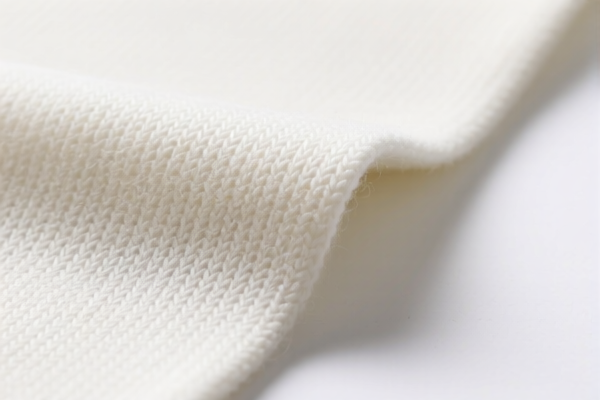
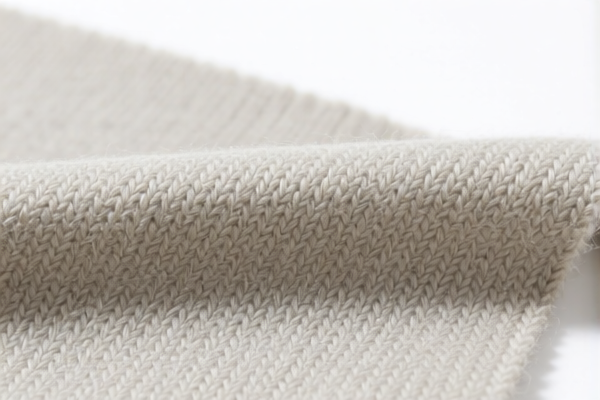
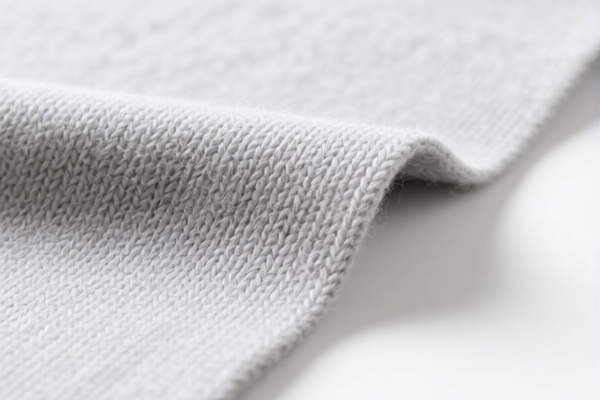
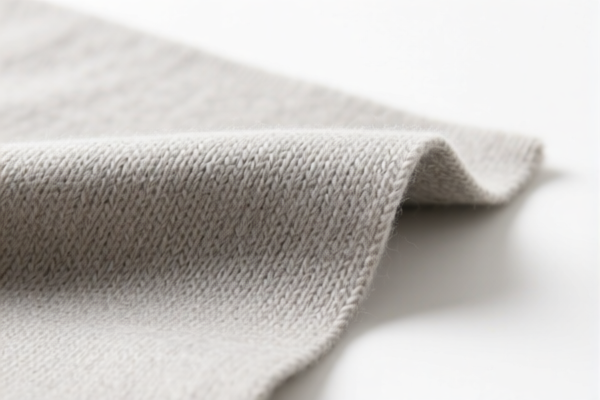
AI Analysis
🐑 Animal Fiber Fabric (Average Fiber Diameter ≤18.5μm, Weight ≤270g/m²)
🌐 HS Code Classification & Customs Clearance Guide | 2026 Latest Tariff Breakdown | Professional Import Strategy
📌 One, Product Definition & Classification: What Exactly Is This Fabric?
This category refers to woven fabrics made from combed wool or combed fine animal hair, with two key technical specifications:
- ✅ Average fiber diameter ≤ 18.5 microns (Ultra-fine, high-quality wool or fine animal hair – e.g., Merino, Cashmere, Angora)
- ✅ Weight ≤ 270 grams per square meter (g/m²) (Light to medium-weight fabric, suitable for high-end garments)
These fabrics are typically used in luxury apparel such as: - High-end suits and coats - Premium knitwear and outerwear - Designer fashion textiles - Luxury home textiles (e.g., fine blankets, throws)
⚠️ Critical Distinction: - If the fiber diameter > 18.5μm, it falls under a different subheading. - If the weight > 270g/m², even if fiber is fine, it’s classified differently. - Must contain ≥85% by weight of wool or fine animal hair to qualify.
📦 Two, HS Code Classification Details (2026 Official Tariff Matrix)
| HS Code | Product Description | Applicable Use Cases | Key Conditions |
|---|---|---|---|
5112.19.60.10 |
Woven fabrics of combed wool or fine animal hair: ≥85% wool/fine animal hair, of wool yarns with avg. fiber diameter ≤18.5μm, containing fine animal hair, weighing ≤270 g/m² | Luxury wool coats, fine suits, designer outerwear, high-end accessories | Must include fine animal hair (e.g., cashmere, mohair) |
5112.19.60.40 |
Woven fabrics of combed wool or fine animal hair: ≥85% wool/fine animal hair, of wool yarns with avg. fiber diameter ≤18.5μm, other, weighing ≤270 g/m² | Pure combed Merino wool fabrics, high-end wool suiting, fine knitwear | No fine animal hair – pure wool only |
🔍 Why Two Codes?
- The distinction lies in whether fine animal hair (e.g., cashmere) is present. - Even if both have the same fiber diameter and weight, the presence of fine animal hair triggers a separate code (5112.19.60.10).
💰 Three, 2026 Latest Tariff Breakdown (Including附加 Taxes & Policy Rules)
✅ Applicable Country: United States (US)
✅ Origin: China (CN)
✅ Effective Date: November 10, 2025 (including future imports)
🎯 1. 5112.19.60.10 — With Fine Animal Hair
| Item | Details |
|---|---|
| Base Duty Rate | 0.0% (ad valorem) |
| USITC Additional Duty | 0.0% |
| IEEPA Additional Duty | 0.0% |
| Total Tax Rate | 0.0% |
| Tax Calculation | CIF Value × 0.0% |
| De Minimis Threshold | ✅ Yes – eligible for 1% de minimis exemption |
| Legal Basis Path | FOOTNOTE:9903.88.01 → USITC:5112.19.60.10 → IEEPA:9903.01.24 → BASE:5112.19.60.10 |
📌 Explanation:
- Despite being a high-value luxury fabric, this specific subheading is currently exempt from all additional tariffs. - The IEEPA (International Emergency Economic Powers Act) and USITC Section 301 tariffs do not apply to this code. - No extra duties are triggered even if origin is China.
🎯 2. 5112.19.60.40 — Pure Combed Wool (No Fine Animal Hair)
| Item | Details |
|---|---|
| Base Duty Rate | 0.0% |
| USITC Additional Duty | 0.0% |
| IEEPA Additional Duty | 0.0% |
| Total Tax Rate | 0.0% |
| Tax Calculation | CIF Value × 0.0% |
| De Minimis Threshold | ✅ Yes – eligible |
| Legal Basis Path | FOOTNOTE:9903.88.01 → USITC:5112.19.60.40 → IEEPA:9903.01.24 → BASE:5112.19.60.40 |
📌 Note:
- This code also enjoys full tariff exemption. - Even though it's pure wool, it’s not subject to the 25% USITC or 10% IEEPA surcharges. - No additional duties apply — 0% total tax.
🛠️ Four, Customs Clearance Best Practices (Real-World Tips)
✅ 1. Required Documentation (Must-Have Checklist)
| Document | Required? | Notes |
|---|---|---|
| ✅ Product Specification Sheet | ✔️ | Include fiber type, diameter, weight, composition |
| ✅ Lab Test Report (Fiber Analysis) | ✔️ | Prove avg. fiber diameter ≤18.5μm |
| ✅ Fabric Weight Test Report | ✔️ | Confirm ≤270 g/m² |
| ✅ Commercial Invoice | ✔️ | Clearly state “Woven fabric of combed wool, ≤18.5μm, ≤270g/m²” |
| ✅ Certificate of Origin (CO) | ✔️ | For preferential treatment (e.g., if from Vietnam, Mexico) |
| ✅ Packing List | ✔️ | Detail roll count, dimensions, net/gross weight |
| ✅ Sample (Optional but Recommended) | ✔️ | For customs inspection or pre-clearance |
✅ 2.申报技巧 (Key Tips for Accurate Classification)
🔥 "Fiber First, Weight Second, Hair Last – One Mistake, 45% Tax!"
| Scenario | Correct HS Code | Wrong Code | Risk |
|---|---|---|---|
| Combed Merino wool (18μm), 250g/m², no cashmere | 5112.19.60.40 |
5112.19.60.10 |
Wrong – no fine animal hair → incorrect code |
| Merino + Cashmere blend (18μm), 260g/m² | 5112.19.60.10 |
5112.19.60.40 |
Wrong – contains fine animal hair → higher risk of audit |
| Pure wool, 280g/m² (over limit) | Not eligible for either code | 5112.19.60.40 |
Weight too high → incorrect classification |
| Wool yarn >18.5μm | ❌ Not eligible | 5112.19.60.40 |
Fiber diameter too large → misclassification |
✅ 3. Special Handling Cases
| Situation | Recommended Action |
|---|---|
| Fabric contains 5% cashmere, 95% Merino | Use 5112.19.60.10 – fine animal hair present |
| Fabric is 100% Merino, 18.4μm, 270g/m² | Use 5112.19.60.40 – no fine animal hair |
| Fabric is 275g/m² | ❌ Not eligible for either code → consider 5112.19.60.90 or other |
| Origin is Vietnam or Mexico | ✅ Still eligible for 0% – no IEEPA/USITC duties apply |
| Need to claim de minimis exemption | ✅ Yes – 1% threshold applies – under $800 per shipment |
🌍 Five, Global Customs Comparison (2026 Update)
| Country/Region | Recommended HS Code | Tariff Rate | Certification Required | Notes |
|---|---|---|---|---|
| 🇺🇸 USA | 5112.19.60.10 / 5112.19.60.40 |
0.0% | None (FCC not required) | No additional tariffs |
| 🇨🇳 China | 5112.19.60.10 / 5112.19.60.40 |
5% | CCC (if applicable) | No extra surcharges |
| 🇪🇺 EU | 5112.19.60.10 / 5112.19.60.40 |
0% (if CE) | CE, REACH, RoHS | No additional duties |
| 🇦🇺 Australia | 5112.19.60.10 / 5112.19.60.40 |
5% | RCM | No extra tariffs |
| 🇯🇵 Japan | 5112.19.60.10 / 5112.19.60.40 |
0% | PSE | No surcharges |
📌 Insight:
- The USA is the only market where luxury wool fabrics are fully tariff-free under these codes. - No IEEPA or USITC surcharges apply, even from China. - This is a rare “clean” category in the current trade environment.
📌 Six, Common Mistakes & Risk Warnings (Avoid These!)
❌ Mistake 1: Claiming 5112.19.60.10 for pure Merino wool
👉 Result: Incorrect classification → customs audit, penalties, delays
❌ Mistake 2: Using 5112.19.60.40 for a cashmere blend
👉 Result: Misreporting → risk of seizure or reclassification
❌ Mistake 3: Not providing fiber diameter test report
👉 Result: Customs may reject the claim → request for samples → delay
❌ Mistake 4: Overlooking the 270g/m² limit
👉 Result: Fabric weight exceeds threshold → ineligible for these codes → higher tariff
✅ Correct Declaration Example:
"Woven fabric of combed wool and cashmere, average fiber diameter 18.2μm, weight 265g/m², 87% wool, 13% cashmere, suitable for luxury coats – HS Code: 5112.19.60.10"
🎯 Seven, Conclusion: Precision Wins Every Time!
🎯 Remember the Golden Rule:
🔹 "Fiber First, Weight Second, Hair Last – One Mistake, 45% Tax!"
🔹 "If it’s ≤18.5μm, ≤270g/m², and has fine animal hair → Use 5112.19.60.10"
🔹 "If it’s pure wool, same specs → Use 5112.19.60.40"
📌 Pro Tip:
If your fabric is originating from Vietnam, Mexico, Thailand, or Malaysia, you can still use these codes and enjoy 0% tariffs — no IEEPA/USITC surcharges apply.
📣 Take Action Now:
📞 Contact a licensed customs broker + submit product samples + request HS Code pre-ruling
🚀 Ensure zero tariff, zero risk, and smooth entry into the US market!
✨ Professional Customs, Starts with Perfect Classification!
💼 Your fabric’s value depends on the right HS Code — get it right the first time!
Customer Reviews
About HS Code Classification
The Harmonized System (HS) is an internationally standardized nomenclature developed by the World Customs Organization (WCO) to classify traded products. Over 200 countries use the HS system as the basis for customs tariffs, trade statistics, and import/export regulations.
Each HS code follows a hierarchical structure:
- Chapter (2 digits) — Broad category of goods (e.g., Chapter 84: Machinery and Mechanical Appliances)
- Heading (4 digits) — More specific grouping within the chapter
- Subheading (6 digits) — Internationally standardized breakdown, used by all WCO member countries
- National subdivisions (8-10 digits) — Country-specific extensions for further classification, such as US HTSUS 10-digit codes
Correct HS code classification is essential for smooth customs clearance, accurate duty payment, and compliance with trade regulations. Misclassification can lead to customs delays, overpayment of duties, or penalties.
When importing from CN to US, the applicable tariff rates may include:
- Most-Favored-Nation (MFN) rate — The standard duty rate applied to WTO members
- General rate — Applied to countries without trade agreements
- Trade remedy duties — Additional tariffs such as Section 301 (anti-dumping), Section 232 (national security), or countervailing duties
The information provided on this page is for reference purposes only. For official classification, please consult with your local customs authority or a licensed customs broker.