Artificial Fiber Women's Handbag
CN → US| HS Code | Tariff Rate | Origin | Destination | Doc |
|---|---|---|---|---|
| 4202923120 | 52.6% | CN | US | Official Doc |
| 6305390000 | 25.9% | CN | US | Official Doc |
| 6305900000 | 23.7% | CN | US | Official Doc |
| 4202923131 | 52.6% | CN | US | Official Doc |
| 4202923120 | 52.6% | CN | US | Official Doc |
Product Images

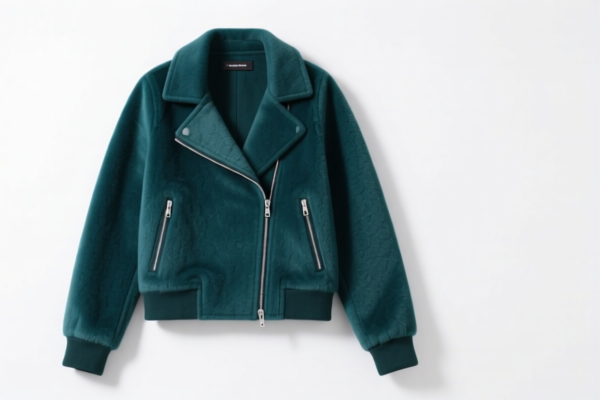
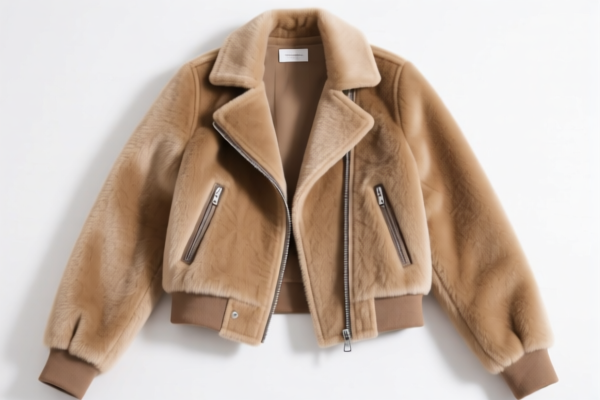
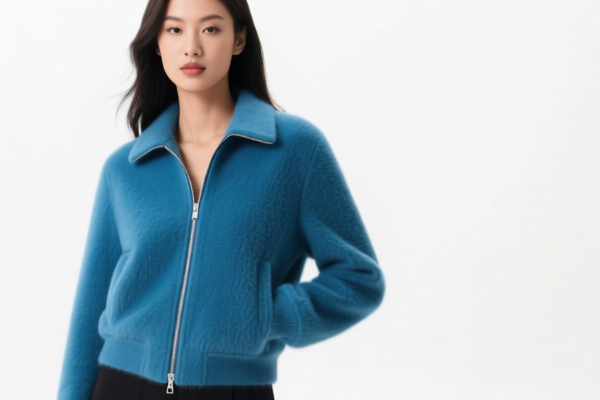
AI Analysis
👜 Artificial Fiber Women's Handbags (Fashion Bags)
🌐 HS Code Reference & Customs Clearance Guide | 2026 Latest Tariff Analysis | Professional Entry Strategy
📌 I. Product Definition: What is an "Artificial Fiber Handbag"?
Artificial fiber handbags (often referred to as synthetic leather bags, PU/PVC bags, or non-leather fashion bags) are accessories primarily used for carrying personal items. In international trade, they are classified based on their material composition (artificial vs. natural textile) and specific use (travel vs. general fashion).
⚠️ Key Classification Logic:
- Chapter 42 (Articles of Leather; Saddle Harness): Includes bags made of artificial leather or sheets of textile material coated with plastics. If the bag is "structured" and used as a handbag, it often falls here. - Chapter 63 (Other Made Up Textile Articles): Includes bags made of textile materials (woven/knitted) that do not fit specific leather-like descriptions. This is the "catch-all" for textile bags. - The "Artificial Fiber" Distinction: Does it feel like leather (Ch 42) or is it clearly woven textile (Ch 63)? This is the main battleground for HS Code selection.
📦 II. HS Code Classification Details (2026 Latest Tariff Authority Comparison)
Based on the provided data, the product is classified into four potential HS Codes. Note that 4202.92.31.20 and 4202.92.31.31 share identical tax rates, while the Ch 63 codes offer lower but still significant tariffs.
| HS Code | Product Description | Applicable Scenario | Material/Form |
|---|---|---|---|
4202.92.31.20 |
Artificial Fiber Travel Bag, Material: Artificial Fiber, Use: Travel Bag | Structured travel bags, duffel-style, or bags coated with plastic resembling leather | ✅ Artificial Fiber / Synthetic Leather |
4202.92.31.31 |
Artificial Fiber Travel Bag, Material: Artificial Fiber Textile, Use: Travel Class Bags | Similar to above, often used for broader "travel bag" definitions in specific customs jurisdictions | ✅ Artificial Fiber / Synthetic Leather |
6305.39.00.00 |
Artificial Fiber Travel Bag, Material: Artificial Textile Material, Form: Bag Type | Woven/Knitted synthetic bags, non-leather-like texture, general textile bags | ✅ Textile (Woven/Knitted) |
6305.90.00.00 |
Artificial Fiber Travel Bag, Form: Bag, Material: Other Textile Materials | Less common textile bags, miscellaneous textile bags not covered elsewhere | ✅ Other Textiles |
🔍 Critical Distinction:
- Ch 42 (4202.xx): Generally higher tariffs due to "leather-like" classification. If the bag has a plastic coating that resembles leather, Customs often prefers 4202.92.31. - Ch 63 (6305.xx): Lower tariffs. Applicable if the bag is clearly made of woven synthetic fabric (like nylon, polyester canvas) without a leather-like coating. - Duplicate Entry:4202.92.31.20appears twice in the data with identical tax details. Treat them as the same classification tier.
💰 III. 2026 Latest Tariff Rate Breakdown (Including Surcharges)
✅ Applicable Country: United States (US)
✅ Origin: China (CN) (Implied by the specific tariff structure: Base + Section 301 + Section 122/IEEPA)
✅ Effective Time: Current 2026 Tariff Schedule
🎯 1. 4202.92.31.20 & 4202.92.31.31 —— Artificial Fiber Travel Bags (Leather-Like/Coated)
| Item | Content |
|---|---|
| Base Tariff (MFN) | 17.6% (ad valorem) |
| Section 301 Surcharge | +25.0% (Targeted on Chinese Goods) |
| Section 122 / IEEPA Surcharge | +10.0% (Targeted on Chinese Goods) |
| Total Tax Rate | 52.6% |
| Tax Calculation | CIF Value × 52.6% |
| De Minimis Eligibility | ❌ No (High tariff goods generally excluded from $800 exemption if deemed high-risk or specific category) |
| Legal Basis Path | HTSUS:4202.92.31 → USITC:301 → IEEPA:122 |
📌 Explanation:
- These codes attract the highest total tax (52.6%).
- Customs may view "artificial fiber" bags that resemble leather as competing with domestic leather goods, hence the higher base + 301 tariff.
- Risk: High likelihood of scrutiny regarding "material composition." If declared as "Artificial Fiber" but customs inspectors determine it's actually leather (natural), penalties apply.
🎯 2. 6305.39.00.00 —— Artificial Textile Bags (Woven/Knitted)
| Item | Content |
|---|---|
| Base Tariff (MFN) | 8.4% (ad valorem) |
| Section 301 Surcharge | +7.5% |
| Section 122 / IEEPA Surcharge | +10.0% |
| Total Tax Rate | 25.9% |
| Tax Calculation | CIF Value × 25.9% |
| De Minimis Eligibility | ❌ No (Still significant tax burden) |
| Legal Basis Path | HTSUS:6305.39 → USITC:301 → IEEPA:122 |
📌 Explanation:
- Significant Savings: Compared to Ch 42, this saves 26.7% in total tax.
- Condition: The bag must be clearly identified as textile material (e.g., nylon, polyester, canvas) and not have a plastic coating that mimics leather.
- Strategy: If the product is indeed a woven synthetic bag (common in women's handbags), argue for this classification.
🎯 3. 6305.90.00.00 —— Other Textile Bags
| Item | Content |
|---|---|
| Base Tariff (MFN) | 6.2% (ad valorem) |
| Section 301 Surcharge | +7.5% |
| Section 122 / IEEPA Surcharge | +10.0% |
| Total Tax Rate | 23.7% |
| Tax Calculation | CIF Value × 23.7% |
| De Minimis Eligibility | ❌ No |
| Legal Basis Path | HTSUS:6305.90 → USITC:301 → IEEPA:122 |
📌 Explanation:
- Lowest Total Tax (23.7%) among all options.
- Risk: This is a "basket" category. If the bag fits6305.39(specific artificial textile), using6305.90might be seen as misclassification. Only use if the material doesn't fit standard "artificial textile" definitions or is a specialized bag type.
🛠️ IV. Customs Clearance Practical Advice (Battle-Tested Pitfall Avoidance)
✅ 1. Documentation Checklist (Non-Negotiable)
| Document | Required | Description |
|---|---|---|
| ✅ Product Composition Statement | ✔️ | Must specify % of Artificial Fiber (e.g., 100% Polyurethane, 100% Nylon). |
| ✅ High-Res Photos | ✔️ | Show texture. Is it glossy/coated (Ch 42) or woven/ matte (Ch 63)? |
| ✅ Commercial Invoice | ✔️ | Clearly state "Women's Handbag" or "Travel Bag." Avoid vague terms like "Accessory." |
| ✅ Material Certificate | ✔️ | Supplier declaration confirming no natural leather content. |
| ✅ Packing List | ✔️ | Weight and dimensions must match invoice. |
✅ 2. Declaration Strategy (Key Mnemonics)
🔥 “Textile Weave = Low Tax, Leather Look = High Tax”
| Scenario | Correct HS Code | Incorrect Way | Consequence |
|---|---|---|---|
| Bag looks like leather (PU/PVC coated) | 4202.92.31.20 (52.6%) |
Declare as "Textile Bag" | Misclassification penalty + 26.7% back tax |
| Bag is woven Nylon/Polyester (Canvas) | 6305.39.00.00 (25.9%) |
Declare as "Leather Bag" | Wrong tax rate, but lower risk than over-declaring |
| Bag is miscellaneous textile | 6305.90.00.00 (23.7%) |
Declare as "Plastic Bag" | Customs may reclassify to 6305.39 |
✅ 3. Special Situations
| Situation | Handling Advice |
|---|---|
| Mixed Materials | If a bag has a textile body but leather-like trim, Customs may classify the whole bag under the higher category (Ch 42). Be transparent. |
| Sample vs. Bulk | Samples still require proper HS declaration. Do not use "Gift" or "Sample" to avoid taxes; it raises red flags. |
| Brand Name | If the brand is luxury, Customs may scrutinize valuation. Ensure invoice value reflects actual transaction value. |
🌍 V. Global Market Comparison (2026 Latest)
| Country/Region | Recommended HS Code | Tariff (China Origin) | Notes |
|---|---|---|---|
| 🇺🇸 USA | 6305.39.00.00 |
25.9% | Best value if textile. 4202 is 52.6%. |
| 🇨🇳 China | 4202.92.90 / 6305.33 |
~10-15% | Different classification logic. No Section 301. |
| 🇪🇺 EU | 4202.92 / 6305.33 |
0% (if under quota/allowance) | Most bags are 0% duty, but VAT applies (19-25%). |
| 🇬🇧 UK | 4202.92 / 6305.33 |
12% | Post-Brexit tariffs. No Section 301. |
📌 Conclusion:
- The US market is the most punitive for Chinese artificial fiber bags due to the combination of Base + 301 + 122 tariffs.
- Ch 63 (Textile) is significantly more cost-effective than Ch 42 (Leather-like).
- If your product is woven synthetic, always aim for 6305.39.00.00.
📌 VI. Common Errors & Pitfall Guide (Blood Lessons)
❌ Error 1: Declaring a PU-coated bag as "Textile" to get 25.9% tax.
👉 Consequence: Customs inspects and finds plastic coating → Re classified to 4202 → Back tax + Fine.
❌ Error 2: Using "Bag" as the description without material detail.
👉 Consequence: Customs assigns highest possible rate (often 4202) → 52.6% tax.
❌ Error 3: Ignoring Section 122/IEEPA surcharges.
👉 Consequence: Underpayment of tax → Seizure or delayed release.
✅ Correct Declaration Example:
"Women's Handbag, 100% Polyester Woven Fabric, Lined, No Leather Content. HS Code: 6305.39.00.00"
🎯 VII. Conclusion: Professional Declaration, Save Money, Avoid Delays
🎯 Remember the Mantra:
🔹 "Look Like Leather = 52.6% Tax, Woven Textile = 25.9% Tax."
🔹 "HS Code is Life, Tariff Difference is Profit. One Step Wrong, Tax Bill Skyrockets!"
📌 Pro Tip:
If you are importing large volumes, consider Advance Rulings from US Customs to lock in the HS Code classification (e.g., proving your bag is 6305.39 and not 4202). This provides legal certainty and protects against future audits.
📣 Immediate Action:
📞 Contact your customs broker with high-res photos and material specs.
🚀 Choose 6305.39.00.00 if possible to save 26.7% in taxes.
📦 Declare accurately to avoid customs holds.
✨ Professional Clearance Starts with Precise Classification!
💼 Every Dollar Saved in Tariffs is Pure Profit!
Customer Reviews
About HS Code Classification
The Harmonized System (HS) is an internationally standardized nomenclature developed by the World Customs Organization (WCO) to classify traded products. Over 200 countries use the HS system as the basis for customs tariffs, trade statistics, and import/export regulations.
Each HS code follows a hierarchical structure:
- Chapter (2 digits) — Broad category of goods (e.g., Chapter 84: Machinery and Mechanical Appliances)
- Heading (4 digits) — More specific grouping within the chapter
- Subheading (6 digits) — Internationally standardized breakdown, used by all WCO member countries
- National subdivisions (8-10 digits) — Country-specific extensions for further classification, such as US HTSUS 10-digit codes
Correct HS code classification is essential for smooth customs clearance, accurate duty payment, and compliance with trade regulations. Misclassification can lead to customs delays, overpayment of duties, or penalties.
When importing from CN to US, the applicable tariff rates may include:
- Most-Favored-Nation (MFN) rate — The standard duty rate applied to WTO members
- General rate — Applied to countries without trade agreements
- Trade remedy duties — Additional tariffs such as Section 301 (anti-dumping), Section 232 (national security), or countervailing duties
The information provided on this page is for reference purposes only. For official classification, please consult with your local customs authority or a licensed customs broker.