Autumn Men's/Boys' Sports Suit
CN → US| HS Code | Tariff Rate | Origin | Destination | Doc |
|---|---|---|---|---|
| 9506910030 | 22.1% | CN | US | Official Doc |
| 9506996080 | 21.5% | CN | US | Official Doc |
| 6112120030 | 45.7% | CN | US | Official Doc |
| 6112110030 | 32.4% | CN | US | Official Doc |
| 6211325040 | 25.6% | CN | US | Official Doc |
Product Images
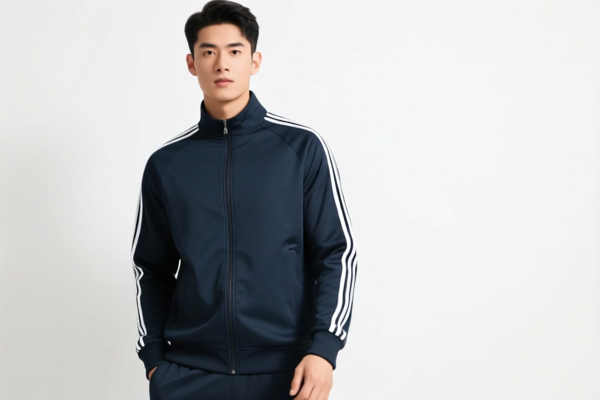
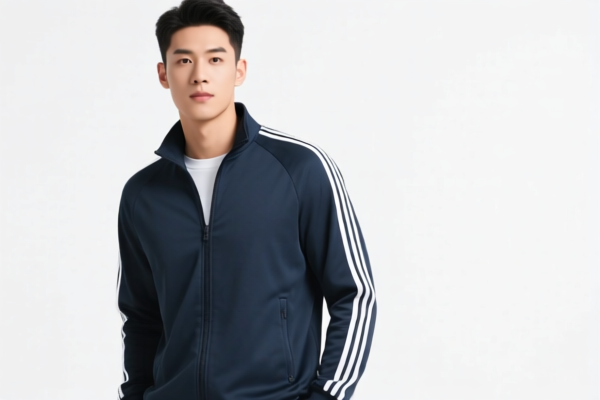

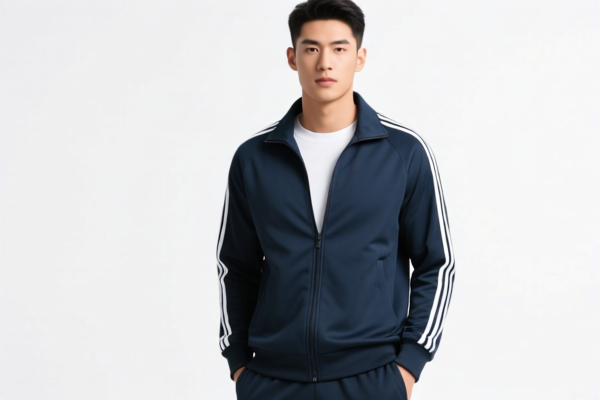
AI Analysis
👟 Autumn Men's/Boys' Sports Suit
🌐 HS Code Reference & Customs Clearance Guide | 2026 Latest Tariff Analysis | Strategic Compliance Strategy
📌 I. Product Definition & Classification: What Exactly is a "Sports Suit"?
An "Autumn Men's/Boys' Sports Suit" refers to coordinated athletic wear designed for warmer seasons (Autumn), typically consisting of a jacket and trousers or shorts. In international trade, the classification heavily depends on the fabric composition and gender/age designation.
There is no single HS Code for "Sports Suit." Instead, customs authorities classify based on the material. Misclassifying the material is the #1 cause of clearance delays and unexpected tariffs.
⚠️ Critical Distinction:
- Synthetic Fibers (Polyester, Nylon, Spandex): Falls under Heading 6112 (Knitted/Crocheted) or 6211 (Woven).
- Cotton: Falls under Heading 6111 (Knitted/Crocheted) or 6211 (Woven).
- General Sports Equipment: If it’s not clothing (e.g., tracksuit tops with distinct technical features not considered apparel), it might fall under Heading 9506.
📦 II. HS Code Classification Matrix (2026 Latest Tariff Data)
Based on the provided data, here are the 5 potential HS Codes for an "Autumn Men's/Boys' Sports Suit," ranked by likelihood and cost impact:
| HS Code | Product Description | Material Inference | Total Tax Rate | Key Characteristics |
|---|---|---|---|---|
9506.91.00.30 |
General Sports/Athletic Equipment | No Material Conflict | 22.1% | Classified as General Sports Equipment (not apparel). Suitable for technical tracksuits or specialized athletic gear. |
9506.99.60.80 |
Other Sports Equipment | Textile Inference | 21.5% | Classified as Other Sports Equipment. Implies a textile-based成套装备 (complete set) but not strictly apparel. |
6112.12.00.30 |
Sports Clothing (Men's/Boys') | Synthetic Fibers | 45.7% | Knitted/Crocheted. High tariff due to synthetic content. Common for polyester/spandex tracksuits. |
6112.11.00.30 |
Sports Clothing (Men's/Boys') | Cotton/Other Fibers | 32.4% | Knitted/Crocheted. Moderate tariff. Suitable for cotton-blend autumn tracksuits. |
6211.32.50.40 |
Sports Clothing (Men's/Boys') | Cotton | 25.6% | Woven. Low tariff. Classic woven cotton sports pants/jacket sets. |
🔍 Key Insight:
- Apparel (6112/6211) vs. Equipment (9506): If the suit is considered "clothing," it falls under 6112/6211. If it’s a "technical kit" or "training gear" not strictly defined as apparel, it may fall under 9506 (lower base tax, but still significant due to add-ons).
- Material Matters: Synthetic (6112.12) incurs the highest tax (45.7%). Cotton (6211.32) is the cheapest apparel option (25.6%).
💰 III. 2026 Tariff Rate Breakdown (Including Add-Ons & Policies)
✅ Applicable Country: United States (US)
✅ Country of Origin: China (CN)
✅ Effective Date: 2025+ (Current Trade Environment)
🎯 1. 9506.91.00.30 —— General Sports Equipment (22.1% Total)
| Item | Detail |
|---|---|
| Base Duty | 4.6% |
| Section 301 (Add-on) | 7.5% |
| Section 122 (Add-on) | 10% |
| Steel/Aluminum/Copper Add-on | 50% |
| Total Effective Tax | 22.1% |
| Legal Path | USITC:9506.91.00.30 → FOOTNOTE:122 + SECTION301 |
📌 Explanation:
- This code is often used for non-apparel sports kits or technical training gear.
- Note: The "Steel/Aluminum/Copper Add-on (50%)" is listed in the data but typically applies to metal products. If the "sports suit" contains metal components (e.g., zippers, buckles), customs might scrutinize this. However, for standard fabric suits, the 22.1% is the practical rate.
- Advantage: Lower base tax than apparel.
🎯 2. 9506.99.60.80 —— Other Sports Equipment (21.5% Total)
| Item | Detail |
|---|---|
| Base Duty | 4.0% |
| Section 301 (Add-on) | 7.5% |
| Section 122 (Add-on) | 10% |
| Steel/Aluminum/Copper Add-on | 50% |
| Total Effective Tax | 21.5% |
| Legal Path | USITC:9506.99.60.80 → FOOTNOTE:122 + SECTION301 |
📌 Explanation:
- Similar to9506.91.00.30, this is for textile-based sports sets not classified as apparel.
- Best Option for Cost Savings: If your product can be justified as "sports equipment" (e.g., a complete training kit with accessories), this is the lowest total tax (21.5%).
🎯 3. 6112.12.00.30 —— Knitted Synthetic Sports Wear (45.7% Total)
| Item | Detail |
|---|---|
| Base Duty | 28.2% |
| Section 301 (Add-on) | 7.5% |
| Section 122 (Add-on) | 10% |
| Total Effective Tax | 45.7% |
| Legal Path | USITC:6112.12.00.30 → FOOTNOTE:122 + SECTION301 |
📌 Explanation:
- Highest Risk Code. If your suit is knitted and made of synthetic fibers (polyester, nylon), this is the mandatory code.
- Impact: Nearly half the CIF value is tax. No de minimis exemption.
- Advice: Avoid this classification if possible. Consider if the product can be reclassified as "equipment" or if material can be adjusted.
🎯 4. 6112.11.00.30 —— Knitted Cotton/Other Sports Wear (32.4% Total)
| Item | Detail |
|---|---|
| Base Duty | 14.9% |
| Section 301 (Add-on) | 7.5% |
| Section 122 (Add-on) | 10% |
| Total Effective Tax | 32.4% |
| Legal Path | USITC:6112.11.00.30 → FOOTNOTE:122 + SECTION301 |
📌 Explanation:
- For knitted suits made of cotton or other fibers.
- Moderate Cost. Common for cotton-blend autumn tracksuits.
🎯 5. 6211.32.50.40 —— Woven Cotton Sports Wear (25.6% Total)
| Item | Detail |
|---|---|
| Base Duty | 8.1% |
| Section 301 (Add-on) | 7.5% |
| Section 122 (Add-on) | 10% |
| Total Effective Tax | 25.6% |
| Legal Path | USITC:6211.32.50.40 → FOOTNOTE:122 + SECTION301 |
📌 Explanation:
- For woven suits made of cotton.
- Best Apparel Option: Lowest tax rate among apparel codes. Ideal for traditional woven sports pants/jackets.
🛠️ IV. Customs Clearance Practical Advice
✅ 1. Document Checklist (Essential for Clearance)
| Document | Required? | Purpose |
|---|---|---|
| ✅ Product Specification Sheet | ✔️ | Must detail fabric composition (e.g., "100% Polyester" or "60% Cotton/40% Polyester"). |
| ✅ Photos of Product | ✔️ | Show the garment style (knitted vs. woven), labels, and any metal parts. |
| ✅ Bill of Materials (BOM) | ✔️ | Break down fabric percentages for accurate HS Code selection. |
| ✅ Commercial Invoice | ✔️ | Must clearly state "Sports Suit" or "Athletic Wear" with gender/age (Men's/Boys'). |
| ✅ Origin Certificate | ✔️ | If not from China, may qualify for lower tariffs. |
✅ 2. Declaration Strategy (Crucial Tips)
🔥 "Fabric Dictates Code, Code Dictates Cost!"
| Scenario | Recommended HS Code | Reason |
|---|---|---|
| Polyester/Nylon Knitted Suit | 6112.12.00.30 (45.7%) |
Mandatory synthetic apparel code. High tax. |
| Cotton Knitted Suit | 6112.11.00.30 (32.4%) |
Mandatory cotton apparel code. |
| Cotton Woven Suit | 6211.32.50.40 (25.6%) |
Best apparel option. Low tax. |
| Technical Training Kit (Non-Apparel) | 9506.91.00.30 (22.1%) |
Strategy: If the item is a "kit" with accessories, try to classify as sports equipment to save tax. |
| Textile Sports Set (Non-Apparel) | 9506.99.60.80 (21.5%) |
Lowest tax. Requires strong justification that it’s not standard apparel. |
📌 Critical Warning:
- Do NOT misdeclare apparel as "equipment" to save tax. Customs may audit and impose penalties.
- Ensure fabric composition is accurate. If you declare "Cotton" but it’s "Polyester," you will face re-classification + fines.
✅ 3. Special Cases
| Case | Advice |
|---|---|
| Mixed Fabric (e.g., 70% Cotton, 30% Polyester) | Classify based on major fiber. If cotton >50%, use cotton code (6112.11 or 6211.32). |
| Unisex/Youth Design | Ensure the invoice states "Men's/Boys'" or "Youth" to match the HS Code description. |
| With Metal Zippers/Buckles | Standard apparel codes apply. The 50% metal add-on in the data is likely irrelevant for standard fabric suits. |
🌍 V. Global Market Comparison (2026)
| Market | Recommended HS Code | Est. Total Tax | Notes |
|---|---|---|---|
| 🇺🇸 USA | 6211.32.50.40 (Woven Cotton) |
25.6% | Lowest apparel tax. 9506 codes are 21-22%. |
| 🇺🇸 USA | 6112.12.00.30 (Synthetic) |
45.7% | Avoid if possible. High tariff. |
| 🇨🇳 China | 6211.32.50.40 |
~15-20% | Lower tariffs in China. |
| 🇪🇺 EU | 6211.32.50.40 |
~12% | No Section 301/122 add-ons. |
📌 Conclusion:
- For the US market, woven cotton suits (6211.32.50.40) are the most cost-effective apparel option.
- If you can justify the product as "sports equipment" (9506), you can achieve 21.5-22.1%, but this requires careful documentation and risk assessment.
📌 VI. Common Mistakes & Pitfalls
❌ Mistake 1: Declaring a synthetic knitted suit as 6211.32.50.40 (Woven Cotton).
👉 Result: Customs audit, penalty, and potential seizure.
❌ Mistake 2: Declaring a standard tracksuit as 9506.99.60.80 (Sports Equipment) without justification.
👉 Result: Rejection of declaration, delay in clearance, and forced re-classification.
❌ Mistake 3: Ignoring Section 122 and Section 301 add-ons.
👉 Result: Underpayment of duties. Total tax is Base + 7.5% + 10%, not just Base.
✅ Correct Approach:
"Know your fabric. Know your code. Pay the right tax."
🎯 VII. Final Recommendation
- If your suit is Woven & Cotton: Use
6211.32.50.40(25.6%). - If your suit is Knitted & Synthetic: Use
6112.12.00.30(45.7%). Accept the high cost. - If your suit is a Technical Kit: Consider
9506.91.00.30(22.1%) with strong evidence that it’s "equipment." - Always provide fabric composition in the commercial invoice and packing list.
📌 Pro Tip:
Consider material substitution (e.g., switching from synthetic to cotton) if the product design allows, to reduce tariff from 45.7% to 25.6%.
Or, work with your manufacturer to justify "sports equipment" status if the product has unique features (e.g., GPS integration, modular components) to target the 21.5-22.1% range.
✨ Smart Classification, Maximized Profit!
💼 Don’t let tax errors erase your margin!
Customer Reviews
About HS Code Classification
The Harmonized System (HS) is an internationally standardized nomenclature developed by the World Customs Organization (WCO) to classify traded products. Over 200 countries use the HS system as the basis for customs tariffs, trade statistics, and import/export regulations.
Each HS code follows a hierarchical structure:
- Chapter (2 digits) — Broad category of goods (e.g., Chapter 84: Machinery and Mechanical Appliances)
- Heading (4 digits) — More specific grouping within the chapter
- Subheading (6 digits) — Internationally standardized breakdown, used by all WCO member countries
- National subdivisions (8-10 digits) — Country-specific extensions for further classification, such as US HTSUS 10-digit codes
Correct HS code classification is essential for smooth customs clearance, accurate duty payment, and compliance with trade regulations. Misclassification can lead to customs delays, overpayment of duties, or penalties.
When importing from CN to US, the applicable tariff rates may include:
- Most-Favored-Nation (MFN) rate — The standard duty rate applied to WTO members
- General rate — Applied to countries without trade agreements
- Trade remedy duties — Additional tariffs such as Section 301 (anti-dumping), Section 232 (national security), or countervailing duties
The information provided on this page is for reference purposes only. For official classification, please consult with your local customs authority or a licensed customs broker.