Autumn Sports Set (Men's)
CN → US| HS Code | Tariff Rate | Origin | Destination | Doc |
|---|---|---|---|---|
| 6112110030 | 32.4% | CN | US | Official Doc |
| 6211325040 | 25.6% | CN | US | Official Doc |
| 6211335035 | 33.5% | CN | US | Official Doc |
| 9506910030 | 22.1% | CN | US | Official Doc |
| 9506996080 | 21.5% | CN | US | Official Doc |
Product Images
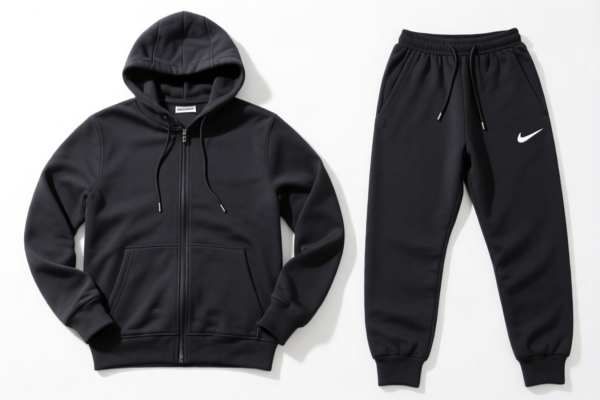
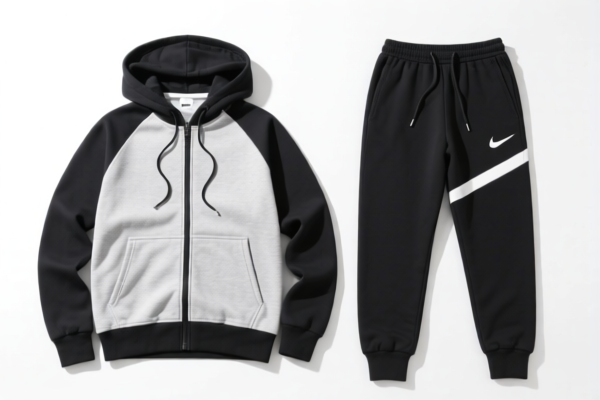
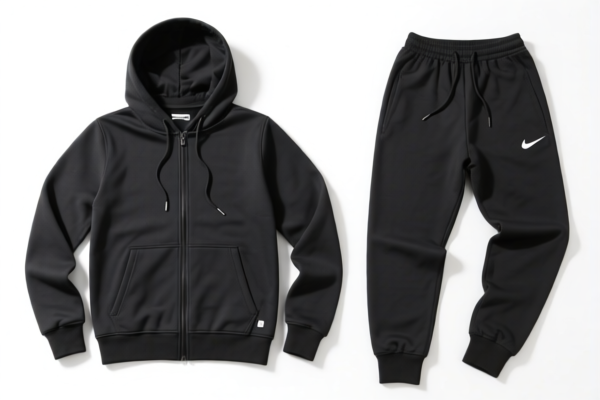
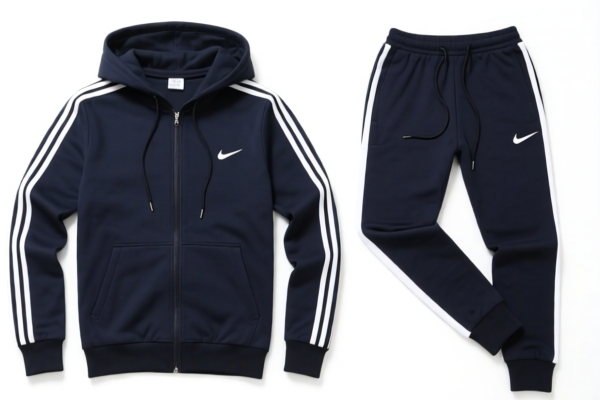
AI Analysis
🏃♂️ Autumn Sports Set (Men's)
🌐 HS Code Reference & Customs Clearance Guide | 2026 Latest Tariff Analysis | Professional Clearance Strategy
📌 I. Product Definition & Classification: Decoding the "Autumn Sports Set"
An "Autumn Sports Set (Men's)" typically refers to a coordinated ensemble of athletic wear designed for cooler weather conditions. In international trade, the classification hinges on three critical factors: 1. Use: Sports/Athletic/Outdoor activities. 2. Demographics: Men's wear. 3. Material Composition: This is the most variable factor, determining whether it falls under Chapter 61 (Knitted/Crocheted) or Chapter 62 (Non-knitted/Woven), or potentially Chapter 95 (Sports Equipment).
⚠️ Key Distinction Points:
- Textile vs. Equipment: If the item is purely clothing (jacket, pants, shorts), it belongs to Chapters 61 or 62. If it contains rigid sports gear (e.g., helmets, protective pads, bats), it may fall under Chapter 95.
- Fabric Structure: Knitted/Fleece (Chapter 61) vs. Woven/Synthetic Fabric (Chapter 62).
- Material Type: Cotton (Chapter 61/62 Subheadings for Cotton) vs. Man-made Fibers (Synthetics/Polyester/Nylon).
📦 II. HS Code Classification Details (2026 Latest Tariff Authority Cross-Reference)
Based on the product description "Autumn Sports Set (Men's)," the following HS Codes are potential classifications depending on material and form.
| HS Code | Product Description | Applicable Scenario | Material Inference | Tax Rate (Total) |
|---|---|---|---|---|
6112.11.00.30 |
Men's Knitted/Crocheted Sports Clothing | Autumn sports wear, knitted/fleece material | Cotton or Other Fibers | 32.4% |
6211.32.50.40 |
Men's Woven Sports Clothing (Cotton) | "Sports Set" usage, woven fabric | Cotton | 25.6% |
6211.33.50.35 |
Men's Woven Sports Clothing (Synthetic) | Sports/Outdoor gear, woven fabric | Non-cotton Man-made Fiber | 33.5% |
9506.91.00.30 |
Articles and Equipment for General Physical Exercise | General sports/outdoor equipment | No material conflict (Non-textile focus) | 22.1% |
9506.99.60.80 |
Other Sports Equipment | Set equipment, general sports use | Textile inferred (but classified as equipment) | 21.5% |
🔍 Critical Note:
- Chapters 61 & 62 apply to clothing (tops, bottoms, jackets).
- Chapter 95 applies if the "Set" includes non-textile sports equipment (e.g., jump ropes, balls, protective gear) or is classified as "general physical exercise equipment" rather than apparel.
- Material determines the sub-heading: Cotton usually attracts lower base duties but higher total tax in some scenarios due to specific footnote rules; Synthetic fibers often have higher base duties.
💰 III. 2026 Latest Tariff Rate Breakdown (Including Add-on Taxes & Policy Surcharges)
✅ Applicable Country: United States (US)
✅ Origin: China (CN) (Implied by the presence of 122-Clause and Section 301 taxes)
✅ Effective Time: Current Trade War Tariffs Apply
🎯 1. 6112.11.00.30 – Men's Knitted Sports Clothing (Cotton/Other)
| Item | Content |
|---|---|
| Base Duty | 14.9% |
| Section 301 Tariff | +7.5% |
| Section 122 Tariff | +10.0% |
| Total Rate | 32.4% |
| Tax Calculation | CIF Value × 32.4% |
| De Minimis Exemption | ❌ Not Eligible (Section 122 & 301 taxes often negate 800/861 exemptions for certain categories or require strict compliance) |
| Legal Basis Path | HTS:6112.11.00.30 → Section 301: Footnote 9903.88.01 → Section 122: IEEPA |
📌 Explanation:
- Base 14.9%: Standard US import duty for men's knitted athletic garments.
- Section 301 (7.5%): Added tariff on Chinese goods under trade action 301.
- Section 122 (10%): Emergency tariffs imposed under the International Emergency Economic Powers Act (IEEPA) for national security reasons.
- Total 32.4%: A significant cost burden. Pre-classification is vital.
🎯 2. 6211.32.50.40 – Men's Woven Sports Clothing (Cotton)
| Item | Content |
|---|---|
| Base Duty | 8.1% |
| Section 301 Tariff | +7.5% |
| Section 122 Tariff | +10.0% |
| Total Rate | 25.6% |
| Tax Calculation | CIF Value × 25.6% |
| De Minimis Exemption | ❌ Not Eligible |
| Legal Basis Path | HTS:6211.32.50.40 → Section 301: Footnote 9903.88.01 → Section 122: IEEPA |
📌 Note:
- Lower base duty (8.1%) compared to knitted cotton (14.9%) makes this a more tax-efficient option if the fabric is indeed woven cotton.
- Misclassifying woven as knitted (or vice versa) can lead to penalties.
🎯 3. 6211.33.50.35 – Men's Woven Sports Clothing (Synthetic/Man-made Fiber)
| Item | Content |
|---|---|
| Base Duty | 16.0% |
| Section 301 Tariff | +7.5% |
| Section 122 Tariff | +10.0% |
| Total Rate | 33.5% |
| Tax Calculation | CIF Value × 33.5% |
| De Minimis Exemption | ❌ Not Eligible |
| Legal Basis Path | HTS:6211.33.50.35 → Section 301 → Section 122 |
📌 Warning:
- Synthetic fibers (Polyester, Nylon) often face higher base duties than cotton in Chapter 62 for sports wear.
- This is the highest tax rate among clothing classifications. Avoid this category if possible through accurate material declaration.
🎯 4. 9506.91.00.30 – General Sports Equipment (Non-Textile Focus)
| Item | Content |
|---|---|
| Base Duty | 4.6% |
| Section 301 Tariff | +7.5% |
| Section 122 Tariff | +10.0% |
| Metal/Alloy/Copper Surcharge | +50% (If applicable to components) |
| Total Rate (Textile/General) | 22.1% |
| Tax Calculation | CIF Value × 22.1% |
| De Minimis Exemption | ⚠️ Complex (Depends on whether the item is "goods" or "equipment" and if it enters under de minimis thresholds) |
| Legal Basis Path | HTS:9506.91.00.30 → Section 301 → Section 122 |
📌 Explanation:
- If the "Sports Set" is interpreted as equipment (e.g., yoga mats, resistance bands, non-clothing gear) rather than apparel, this code applies.
- Lower Base Duty (4.6%) makes this attractive, but Rigid components (steel/aluminum/copper) trigger an additional 50% surcharge.
- Ensure the product is not primarily apparel to use this code.
🎯 5. 9506.99.60.80 – Other Sports Equipment
| Item | Content |
|---|---|
| Base Duty | 4.0% |
| Section 301 Tariff | +7.5% |
| Section 122 Tariff | +10.0% |
| Metal/Alloy/Copper Surcharge | +50% (If applicable to components) |
| Total Rate (Textile/General) | 21.5% |
| Tax Calculation | CIF Value × 21.5% |
| De Minimis Exemption | ⚠️ Complex |
| Legal Basis Path | HTS:9506.99.60.80 → Section 301 → Section 122 |
📌 Note:
- Similar to9506.91.00.30but for "other" sports articles not specified elsewhere.
- Lowest base duty among all options (4.0%), but strictly non-apparel. If customs inspectors see a "Men's Autumn Sports Set" and it looks like pants/jacket, this classification will be rejected, leading to reclassification and fines.
🛠️ IV. Customs Clearance Practical Advice (Battle-Tested Pitfall Avoidance)
✅ 1. Required Documentation Checklist (Non-Negotiable)
| Document | Must Provide | Purpose |
|---|---|---|
| ✅ Product Spec Sheet | ✔️ | Details fabric composition (e.g., "80% Cotton, 20% Polyester"), knit/woven structure, and intended use. |
| ✅ High-Res Photos | ✔️ | Front, back, tag, and close-up of fabric texture to prove Knitted vs. Woven. |
| ✅ Commercial Invoice | ✔️ | Clearly state: "Men's Autumn Sports Set, Knitted/Woven, Material: [Specifics]." |
| ✅ Packing List | ✔️ | Itemize pieces (e.g., 1 Jacket, 1 Pants) to support "Set" classification. |
| ✅ Material Test Report | ✔️ | Third-party lab report confirming fiber content. Critical for distinguishing 6211.32 (Cotton) vs 6211.33 (Synthetic). |
✅ 2. Declaration Strategy (Key Mnemonic)
🔥 “Fabric Defines Chapter, Use Defines Heading, Avoid Metal Traps!”
| Scenario | Correct Declaration | Incorrect Practice |
|---|---|---|
| Knitted Cotton Set | 6112.11.00.30 |
Mislabeling as Synthetic → Higher Tax |
| Woven Cotton Set | 6211.32.50.40 |
Mislabeling as Knitted → Penalties |
| Woven Synthetic Set | 6211.33.50.35 |
Mislabeling as Cotton → Penalty + Back Taxes |
| Sports Gear (No Clothes) | 9506.91.00.30 or 9506.99.60.80 |
Declaring as Clothing → Rejection |
| Set with Metal Parts | 9506... + 50% Surcharge |
Ignoring Metal Component → Huge Fine |
✅ 3. Special Handling Tips
| Situation | Advice |
|---|---|
| Mixed Materials | If the set contains both cotton and synthetic parts, classify based on the main character or essential value. Provide detailed breakdown. |
| "Set" Definition | Ensure the items are garnished/put up in sets for retail sale. If sold separately, each item is declared individually. |
| Avoiding Chapter 95 for Clothes | Do not use 9506 for actual clothing. Customs AI flags "Sports Set" + "Men's" + "Jacket" as clothing. Misclassification risks seizure. |
| De Minimis (Section 321) | Generally, Section 301 and Section 122 taxes are NOT waived under de minimis (800/861) for many Chinese goods. Verify current CBP enforcement trends. Assume taxes apply. |
🌍 V. Global Market Clearance Comparison (2026)
| Country/Region | Recommended HS Code | Tariff (China Origin) | Certification/Notes |
|---|---|---|---|
| 🇺🇸 USA | 6211.32.50.40 (Best Rate) |
25.6% | Subject to Sec 301 & 122. High scrutiny on fiber content. |
| 🇨🇳 China | 6211.32.50.40 |
~5-10% | No Section 301/122. Standard import duties. |
| 🇪🇺 EU | 6211.33 or 6112.11 |
0-4% | CBAM may apply if synthetic fibers have high carbon footprint. CE not required for apparel. |
| 🇬🇧 UK | 6211.32.50.40 |
2-12% | Post-Brexit tariffs. No Section 122. |
| 🇦🇺 Australia | 6211.32.50.40 |
5-15% | No Section 301/122. Standard FTA benefits if applicable. |
📌 Conclusion:
- USA is the highest-cost market due to punitive tariffs.
- Cost Optimization Strategy: If possible, confirm Woven Cotton (6211.32.50.40) as the product type for US imports, as it has the lowest total tax (25.6%) among apparel options.
- Avoid Synthetic (6211.33.50.35) and Knitted Cotton (6112.11.00.30) if cost is the primary driver.
📌 VI. Common Mistakes & Pitfalls (Blood Lessons)
❌ Mistake 1: Classifying a Cotton Jacket as Synthetic to guess the HS code without lab testing.
👉 Consequence: If customs tests and finds cotton, you get the lower tax, but if they find synthetic, you face fraud penalties for under-declaring base duty (16% vs 8%).
❌ Mistake 2: Using HS 9506 for a Sports Outfit (Pants/Jacket).
👉 Consequence: Customs will reclassify to Chapter 61/62, applying Section 301/122 retroactively, plus storage fees and penalties.
❌ Mistake 3: Ignoring Section 122 (10% Tariff).
👉 Consequence: Many importers still only calculate Section 301. The 10% Section 122 is a permanent addition for many Chinese goods. Totaling it incorrectly leads to budget shortfalls.
❌ Mistake 4: Declaring "Sports Set" without Material Composition.
👉 Consequence: Customs cannot determine if it's 6211.32 (8.1% base) or 6211.33 (16% base). They may select the highest possible duty for inspection.
✅ Correct Declaration Example:
"Men's Autumn Sports Set, Woven, 85% Cotton, 15% Polyester. Includes Zip-Up Jacket and Athletic Pants. HS Code: 6211.32.50.40."
🎯 VII. Conclusion: Precision Classification Saves Money!
🎯 Remember the Golden Rule:
🔹 "Cotton Woven Wins (25.6%), Synthetic Loses (33.5%), Knitted Middle (32.4%).
🔹 "Chapter 95 is for Gear, Not Clothes.
🔹 "Section 122 is Always On (10%).
🔹 "Lab Test Before Ship!"
📌 Pro Tip:
If your "Sports Set" can be marketed as Yoga Mat + Resistance Bands (Equipment) instead of Pants+Top (Clothing), you might access the 9506 codes (21.5-22.1%). However, this requires true equipment status. Do not mislabel apparel.
📣 Immediate Action:
📞 Consult a Customs Broker for a Pre-Ruling if the product is ambiguous.
📝 Request a Fiber Content Analysis from your supplier before shipping to the US.
🚀 Accurate Declaration = Smooth Customs + Maximized Profit!
✨ Professional Clearance Starts with Accurate Classification!
💼 Every Percent of Tariff Saved is Pure Profit!
Customer Reviews
About HS Code Classification
The Harmonized System (HS) is an internationally standardized nomenclature developed by the World Customs Organization (WCO) to classify traded products. Over 200 countries use the HS system as the basis for customs tariffs, trade statistics, and import/export regulations.
Each HS code follows a hierarchical structure:
- Chapter (2 digits) — Broad category of goods (e.g., Chapter 84: Machinery and Mechanical Appliances)
- Heading (4 digits) — More specific grouping within the chapter
- Subheading (6 digits) — Internationally standardized breakdown, used by all WCO member countries
- National subdivisions (8-10 digits) — Country-specific extensions for further classification, such as US HTSUS 10-digit codes
Correct HS code classification is essential for smooth customs clearance, accurate duty payment, and compliance with trade regulations. Misclassification can lead to customs delays, overpayment of duties, or penalties.
When importing from CN to US, the applicable tariff rates may include:
- Most-Favored-Nation (MFN) rate — The standard duty rate applied to WTO members
- General rate — Applied to countries without trade agreements
- Trade remedy duties — Additional tariffs such as Section 301 (anti-dumping), Section 232 (national security), or countervailing duties
The information provided on this page is for reference purposes only. For official classification, please consult with your local customs authority or a licensed customs broker.