Baseball Catcher's Glove
CN → US| HS Code | Tariff Rate | Origin | Destination | Doc |
|---|---|---|---|---|
| 6116100800 | 20.3% | CN | US | Official Doc |
| 6216000800 | 18.3% | CN | US | Official Doc |
| 6116930800 | 20.3% | CN | US | Official Doc |
| 4203214000 | 35.0% | CN | US | Official Doc |
| 4203212000 | 38.0% | CN | US | Official Doc |
| 6216004600 | 20.3% | CN | US | Official Doc |
Product Images
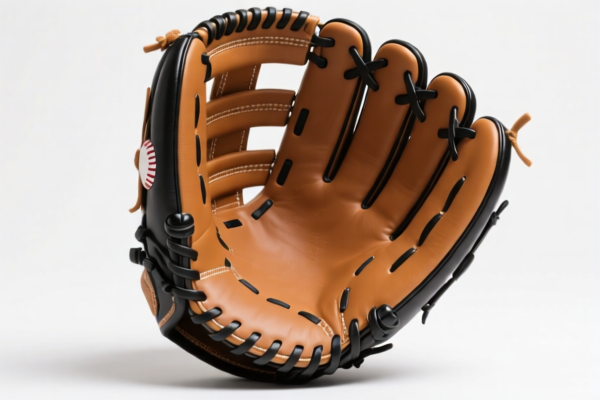
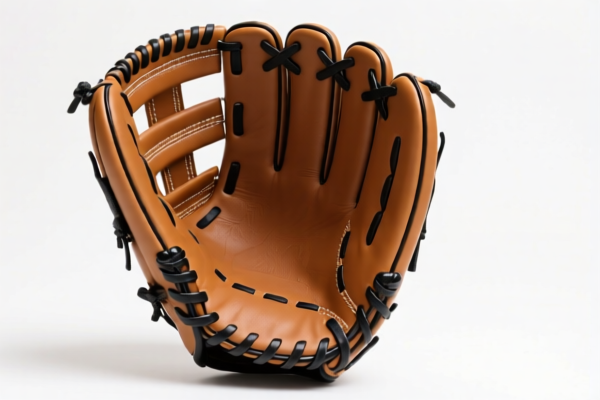
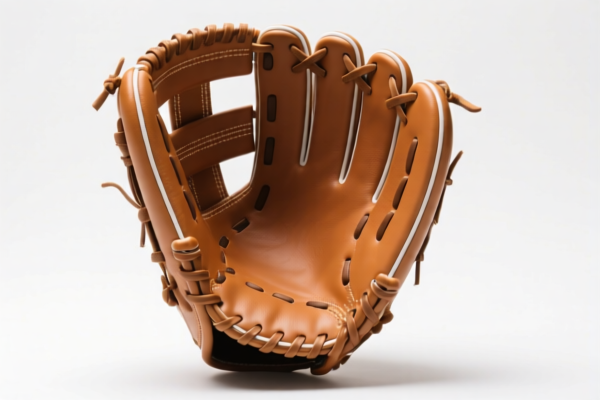

AI Analysis
🧤 Baseball Catcher's Glove (Left-Handed)
🌐 HS Code Reference & Customs Clearance Guide | 2026 Latest Tariff Analysis | Professional Entry Strategy
📌 I. Product Definition & Classification: Do You Know Your "Catcher's Glove"?
A Baseball Catcher's Glove is a specialized piece of sports equipment designed to protect the hands and arms of a baseball catcher during gameplay. Unlike fielding gloves, catcher's gloves are typically shorter, padded heavily, and designed to withstand the impact of high-speed pitches. In international trade, the classification depends heavily on material composition (leather vs. textile/synthetic) and manufacturing method (knitted vs. woven/sewn).
⚠️ Key Classification Distinction:
- Chapter 42 (Leather Goods): If the glove is made primarily of leather or composition leather (synthetic leather), it falls under heading 4203. This is the most common classification for high-quality, durable catcher's gloves. - Chapter 61 or 62 (Textiles/Articles of Apparel): If the glove is made of knitted/crocheted fabric (Chapter 61) or woven fabric (Chapter 62) with possible rubber/plastic coatings, it falls under these chapters. Note: Even if used for sports, if it's a "glove" article, it often competes with Chapter 42.
📦 II. HS Code Classification Details (2026 Latest Tariff Authority Match)
Based on the provided data for a Left-Handed Baseball Glove, here are the possible classifications and their corresponding tax structures:
| HS Code | Product Description Summary | Primary Material Inference | Chapter Category |
|---|---|---|---|
6116.10.08.00 |
Left-handed baseball glove; classified as a glove; inferred to be coated or functional material based on common sense. | Coated Fabric / Functional Textile | Ch. 61 (Knitted) |
6216.00.08.00 |
Left-handed baseball glove; glove shape; surface contains leather or plastic/rubber coating; purpose fits sports protection. | Woven Textile with Coating | Ch. 62 (Woven) |
6116.93.08.00 |
Left-handed baseball glove; glove shape; sports purpose; material inferred as synthetic fiber or leather-like textile. | Synthetic Fiber Textile | Ch. 61 (Knitted) |
4203.21.40.00 |
Left-handed baseball glove; purpose and shape match; material inferred as leather or synthetic leather. | Leather / Composition Leather | Ch. 42 (Leather Goods) |
4203.21.20.00 |
Left-handed baseball glove; purpose and shape fully match; material inferred as leather or synthetic leather. | Leather / Composition Leather | Ch. 42 (Leather Goods) |
6216.00.46.00 |
Left-handed baseball glove; shape and purpose fit; material inferred as artificial fiber or leather; fits sports glove definition. | Artificial Fiber / Mixed | Ch. 62 (Woven) |
🔍 Critical Insight:
- Chapter 42 (4203.21.xxxx) is generally the most accurate for genuine leather or high-quality synthetic leather catcher's gloves. - Chapters 61/62 (6116.xxxx/6216.xxxx) apply if the glove is primarily fabric-based (e.g., training mitts, lightweight practice gloves, or specific textile constructions).
💰 III. 2026 Latest Tariff Rate Breakdown (Including Surcharges & Policy Add-ons)
✅ Applicable Country: United States (US)
✅ Origin: China (CN)
✅ Effective Time: 2025 November 10 onwards (including subsequent imports)
🎯 1. Leather/Synthetic Leather Gloves (4203.21.40.00 & 4203.21.20.00)
Most Common for Premium Catcher's Gloves
| Item | Content |
|---|---|
| Base Duty Rate | 0.0% (4203.21.40) / 3.0% (4203.21.20) |
| Section 301 Surtax | +25.0% (High trade tension tariff) |
| Section 122 Surtax | +10.0% (Specific policy surcharge) |
| Total Tax Rate | 35.0% (4203.21.40) / 38.0% (4203.21.20) |
| Tax Calculation | CIF Value × 35% or 38% |
| De Minimis Eligibility | ❌ NO (High tax rate exceeds $800 threshold exemption logic for certain goods) |
| Legal Basis Path | Base Duty → Section 301: 25% → Section 122: 10% |
📌 Explanation:
- The 25% Section 301 tariff is the dominant cost driver for Chinese-origin leather goods.
- The 10% Section 122 surcharge is a specific additional levy.
- Total 35-38% makes this a high-cost category. Correctly identifying "leather" vs. "textile" is crucial.
🎯 2. Textile/Fabric Gloves (6116.10.08.00, 6116.93.08.00, 6216.00.08.00, 6216.00.46.00)
Common for Training Gloves or Specific Fabric Constructions
| Item | Content |
|---|---|
| Base Duty Rate | 2.8% (6116, 6216) / 0.8% (6216.00.08) |
| Section 301 Surtax | +7.5% (Reduced rate for specific textile categories compared to 301% general) |
| Section 122 Surtax | +10.0% (Specific policy surcharge) |
| Total Tax Rate | 20.3% (Most textile options) / 18.3% (6216.00.08) |
| Tax Calculation | CIF Value × 18.3% - 20.3% |
| De Minimis Eligibility | ❌ NO (Still subject to full duty calculation) |
| Legal Basis Path | Base Duty → Section 301: 7.5% → Section 122: 10% |
📌 Explanation:
- Textile gloves benefit from a lower Section 301 rate (7.5%) compared to leather goods (25%).
- However, the 10% Section 122 surcharge remains constant.
- Total 18.3%-20.3% is significantly cheaper than leather gloves, but requires strict material verification.
🛠️ IV. Customs Clearance Practical Advice (Battle-Tested Pitfall Avoidance)
✅ 1. Required Documentation Checklist (Non-Negotiable)
| Document | Must Provide | Explanation |
|---|---|---|
| ✅ Product Specification Sheet | ✔️ | Must clearly state: "Baseball Catcher's Glove," Left/Right handed, Material (Leather vs. Textile). |
| ✅ Material Composition Declaration | ✔️ | Crucial: Specify % of Leather vs. Textile. Misdeclaration here changes tax from 35% to 20%. |
| ✅ Product Photos (Labeled) | ✔️ | Show palm, back, webbing, and brand label. Proof of "Sports Use" vs. "Industrial Use." |
| ✅ Commercial Invoice | ✔️ | Describe as "Sports Equipment - Catcher's Glove," NOT "Leather Goods" (too vague) or "Textile Gloves" (if leather). |
| ✅ Packing List | ✔️ | Confirm no mixed shipments of leather/textile gloves in the same container without clear separation. |
✅ 2. Declaration Strategy (Key Mantra)
🔥 "Material First, Use Second, Name Precise, Tax Avoids Surprise!"
| Scenario | Correct Declaration | Wrong Action |
|---|---|---|
| High-End Leather Glove | HS: 4203.21.40.00 Desc: "Leather Baseball Catcher's Glove" |
Misdeclare as textile to save 15% → Customs Audit & Penalty |
| Fabric/Neoprene Training Glove | HS: 6116.10.08.00 or 6216.00.08.00 Desc: "Knitted/Woven Sports Glove" |
Declare as leather → Unnecessary 35% Tax |
| Mixed Container | Separate entries for Leather vs. Textile | Mixed declaration → Confiscation or Re-classification |
✅ 3. Special Case Handling
| Situation | Handling Advice |
|---|---|
| OEM Private Label | Provide design sheets proving "Catcher's" specific features (palm size, webbing). |
| Composite Material (Leather + Textile) | If leather > 50% by weight → Chapter 42. If textile > 50% → Chapter 61/62. |
| "Glove" vs. "Mitt" | Customs often uses them interchangeably, but ensure the description matches the HS heading notes for "Gloves." |
🌍 V. Global Market Clearance Comparison (2026 Latest)
| Country/Region | Recommended HS Code | Tariff (China Origin) | Certification Req. | Note |
|---|---|---|---|---|
| 🇺🇸 USA | 4203.21.40 (Leather) / 6116/6216 (Textile) |
35-38% (Leather) 18-20% (Textile) |
None specific for gloves | High Section 301/122 surcharges apply. |
| 🇨🇳 China | 4203.21 / 6116 |
5-10% | No special certs | Lower duty, no surcharges. |
| 🇪🇺 EU | 4203.21 / 6116 |
0-12% | REACH (Chemicals) | No Section 301/122. |
| 🇯🇵 Japan | 4203.21 / 6116 |
0-8% | PSE (if electronic features) | Standard MFN rates. |
📌 Conclusion:
- The US market is the most expensive due to Section 301 (25%) and Section 122 (10%) surcharges on leather goods.
- Textile-based gloves offer a lower tax pathway (18-20%) but must be genuinely textile.
- Leather gloves are the industry standard for catchers but incur a ~35% total tax burden.
📌 VI. Common Errors & Pitfall Guide (Blood-Tears Lessons)
❌ Error 1: Declaring a Leather Glove as 6116 (Textile) to avoid the 25% Section 301 tariff.
👉 Consequence: Customs lab test reveals leather content → Back taxes + 25% penalty + potential fraud charges.
❌ Error 2: Not specifying "Catcher's Glove" in the description.
👉 Consequence: Customs may classify it as "General Leather Glove" (industrial) or "Fashion Glove," leading to additional scrutiny or misclassification under different subheadings.
❌ Error 3: Ignoring the Section 122 10% Surcharge.
👉 Consequence: Even if base duty is low, the 10% surcharge is mandatory for Chinese-origin goods in this category. Forgetting it leads to underpayment and delays.
✅ Correct Practice:
"Baseball Catcher's Glove, Left-Handed, Made of Cowhide Leather, Sports Equipment, Model XYZ, Origin: China"
🎯 VII. Conclusion: Precision Classification Saves Money!
🎯 Remember the Mantra:
🔹 "Leather is King, Tax is High (35%). Textile is Light, Tax is Lower (20%). Be Honest, Be Precise!"
🔹 "HS Code Determines Cost, 15% Difference Changes Profit Margin!"
📌 Pro Tip:
If your product is made of high-performance synthetic materials that mimic leather but are technically textile/synthetic fiber, consult a customs broker to see if they qualify under Chapter 61/62 for the lower 18-20% rate.
For genuine leather, accept the 35% cost as part of the premium product value.
📣 Immediate Action:
📞 Contact a licensed Customs Broker + Provide Material Specs + Apply for Pre-Ruling if shipping large volumes.
🚀 Let your catcher's gloves clear customs smoothly, maximizing your profit margin!
✨ Professional Clearance Starts with Accurate Classification!
💼 Every percent of duty saved is pure profit!
Customer Reviews
About HS Code Classification
The Harmonized System (HS) is an internationally standardized nomenclature developed by the World Customs Organization (WCO) to classify traded products. Over 200 countries use the HS system as the basis for customs tariffs, trade statistics, and import/export regulations.
Each HS code follows a hierarchical structure:
- Chapter (2 digits) — Broad category of goods (e.g., Chapter 84: Machinery and Mechanical Appliances)
- Heading (4 digits) — More specific grouping within the chapter
- Subheading (6 digits) — Internationally standardized breakdown, used by all WCO member countries
- National subdivisions (8-10 digits) — Country-specific extensions for further classification, such as US HTSUS 10-digit codes
Correct HS code classification is essential for smooth customs clearance, accurate duty payment, and compliance with trade regulations. Misclassification can lead to customs delays, overpayment of duties, or penalties.
When importing from CN to US, the applicable tariff rates may include:
- Most-Favored-Nation (MFN) rate — The standard duty rate applied to WTO members
- General rate — Applied to countries without trade agreements
- Trade remedy duties — Additional tariffs such as Section 301 (anti-dumping), Section 232 (national security), or countervailing duties
The information provided on this page is for reference purposes only. For official classification, please consult with your local customs authority or a licensed customs broker.