Boy's Bathrobe
CN → US| HS Code | Tariff Rate | Origin | Destination | Doc |
|---|---|---|---|---|
| 6114303060 | 32.4% | CN | US | Official Doc |
| 6114200055 | 28.3% | CN | US | Official Doc |
| 6207997520 | 24.9% | CN | US | Official Doc |
| 6207911000 | 25.9% | CN | US | Official Doc |
| 6114909070 | 15.6% | CN | US | Official Doc |
Product Images
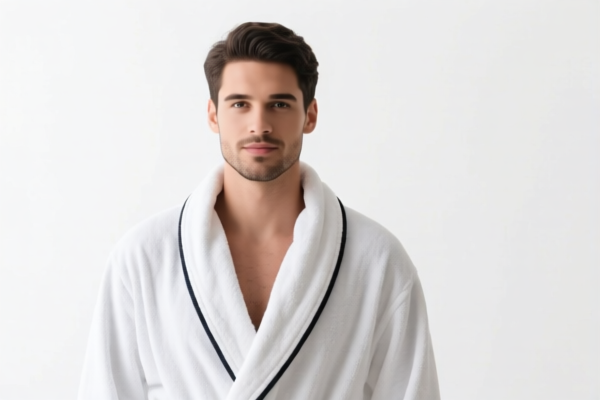
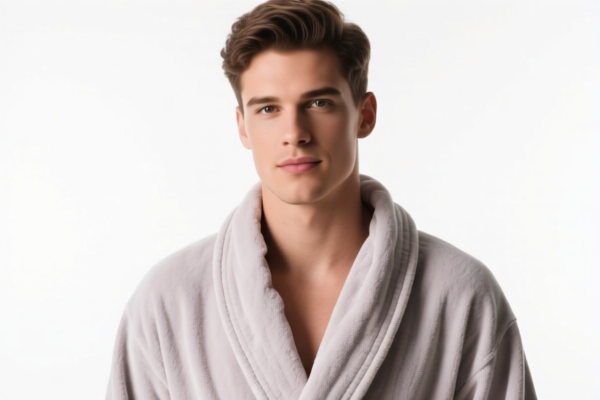
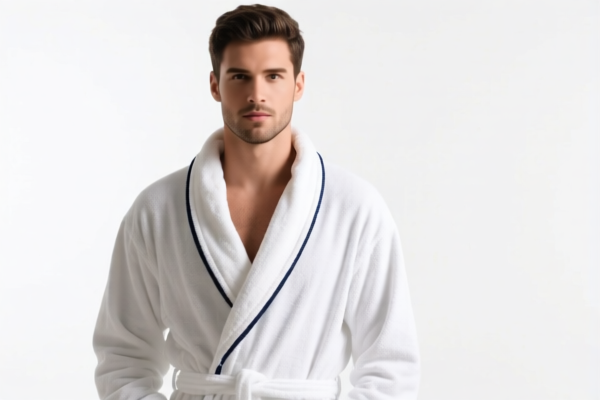
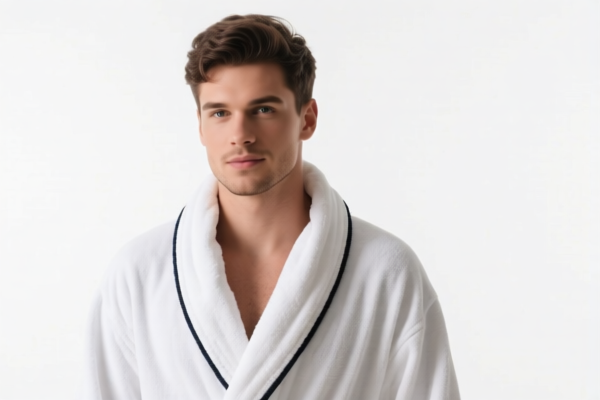
AI Analysis
👶 Boy’s Bathrobe (Kids' Nightwear & Loungewear)
🌐 HS Code Reference & Customs Clearance Guide | 2026 Latest Tariff Analysis | Professional Clearance Strategy
📌 I. Product Definition & Classification: Do You Really Understand "Boy's Bathrobe"?
A boy's bathrobe is a loose-fitting, front-closing garment primarily used for drying off after bathing or for lounging. In international trade, its classification depends strictly on two factors: Manufacturing Method (Knitted vs. Non-Knitted) and Material Composition (Cotton vs. Synthetic vs. Blended).
Key Classification Distinctions: * Knitted/Hooked (Chapter 61): Soft, stretchy fabrics (e.g., terry cloth, fleece). Most common for bathrobes. * Non-Knitted/Woven (Chapter 62): Stiffer fabrics (e.g., flannel, woven cotton, synthetic blends). Often used for "dressing gowns" or lighter sleepwear.
⚠️ Critical Distinction Point:
- If the fabric is knitted (loops interlocked, stretchy) → Chapter 61
- If the fabric is woven/non-knitted (threads crisscrossed, structured) → Chapter 62
- Material matters: Cotton, Artificial Fibers (Polyester/Nylon), and Blends have different tax rates.
📦 II. HS Code Classification Details (2026 Latest Tariff Authority Comparison)
| HS Code | Product Description | Scenario | Material Type | Manufacturing |
|---|---|---|---|---|
6114.30.30.60 |
Men's/Boy's Bathrobe, Knitted/Hooked, Artificial Fibers | Thick terry, fleece, synthetic plush robes | Artificial Fibers (e.g., Polyester) | ✅ Knitted |
6114.20.00.55 |
Men's/Boy's Bathrobe, Knitted/Hooked, Cotton | Standard cotton terry bathrobe | Cotton | ✅ Knitted |
6207.99.75.20 |
Boy's Nightwear/Robes, Non-Knitted, Non-Wool/Synthetic or Cotton | Woven loungewear, lightweight robes | Non-Wool Synthetic or Cotton | ❌ Non-Knitted |
6207.91.10.00 |
Boy's Nightwear/Robes, Non-Knitted, Cotton | Woven cotton flannel or broadcloth robes | Cotton | ❌ Non-Knitted |
6114.90.90.70 |
Boy's Mixed Fiber Bathrobe, Knitted/Hooked, Mixed Fibers | Robes made from blended fabrics (e.g., Cotton-Poly blend) | Mixed Fibers | ✅ Knitted |
🔍 Key Reminder:
- "Bathrobe" vs. "Nightwear": While functionally similar, customs often separate strict "Bathrobes" (Thick, Terry, for drying) from general "Nightwear/Sleepwear" (Lighter, for sleeping). However, in the provided data,6207.99...and6207.91...cover "Boy's Robes" under the Nightwear chapter if non-knitted. - Knitted is King for Bathrobes: Most traditional thick bathrobes are knitted (6114). Woven robes (6207) are often lighter or specific to certain markets.
💰 III. 2026 Latest Tariff Rate Breakdown (Including Additional Taxes & Policies)
✅ Applicable Country: United States (US)
✅ Origin: China (CN)
✅ Effective Date: Current Trade War Status (Section 301 & Section 122 Tariffs Applied)
🎯 1. 6114.30.30.60 – Knitted Bathrobe, Artificial Fibers
| Item | Content |
|---|---|
| Base Tariff | 14.9% |
| Trade War Tariff (Sec. 301) | +7.5% |
| Section 122 Tariff | +10% |
| Total Tax Rate | 32.4% |
| Tax Calculation | CIF Value × 32.4% |
| De Minimis Exemption | ❌ Not Available (High value items usually excluded or subject to strict scrutiny) |
| Legal Basis Path | HTSUS:6114.30.30.60 → Section 301 (7.5%) → Section 122 (10%) |
📌 Explanation:
- Synthetic bathrobes face the highest total tax rate (32.4%) due to the combination of base tariff and two layers of additional tariffs. - Section 122 adds an extra 10% on top of standard duties for certain apparel imports.
🎯 2. 6114.20.00.55 – Knitted Bathrobe, Cotton
| Item | Content |
|---|---|
| Base Tariff | 10.8% |
| Trade War Tariff (Sec. 301) | +7.5% |
| Section 122 Tariff | +10% |
| Total Tax Rate | 28.3% |
| Tax Calculation | CIF Value × 28.3% |
| De Minimis Exemption | ❌ Not Available |
| Legal Basis Path | HTSUS:6114.20.00.55 → Section 301 (7.5%) → Section 122 (10%) |
📌 Note:
- Cotton knitted robes have a lower base tariff (10.8%) compared to synthetics (14.9%), resulting in a 3.1% savings in total tax. - Still subject to both additional tariffs.
🎯 3. 6207.99.75.20 – Boy's Robe, Non-Knitted, Non-Wool/Synthetic or Cotton
| Item | Content |
|---|---|
| Base Tariff | 14.9% |
| Trade War Tariff (Sec. 301) | 0.0% |
| Section 122 Tariff | +10% |
| Total Tax Rate | 24.9% |
| Tax Calculation | CIF Value × 24.9% |
| De Minimis Exemption | ❌ Not Available |
| Legal Basis Path | HTSUS:6207.99.75.20 → Section 122 (10%) |
📌 Crucial Advantage:
- NO Trade War Tariff (7.5%) applies here! This is a significant saving. - Only Base (14.9%) + Section 122 (10%) apply.
🎯 4. 6207.91.10.00 – Boy's Robe, Non-Knitted, Cotton
| Item | Content |
|---|---|
| Base Tariff | 8.4% |
| Trade War Tariff (Sec. 301) | +7.5% |
| Section 122 Tariff | +10% |
| Total Tax Rate | 25.9% |
| Tax Calculation | CIF Value × 25.9% |
| De Minimis Exemption | ❌ Not Available |
| Legal Basis Path | HTSUS:6207.91.10.00 → Section 301 (7.5%) → Section 122 (10%) |
📌 Note:
- Low base tariff (8.4%), but the 7.5% Trade War tariff kicks back in, making it slightly more expensive than the synthetic non-knitted version (25.9%vs24.9%).
🎯 5. 6114.90.90.70 – Boy's Mixed Fiber Bathrobe, Knitted
| Item | Content |
|---|---|
| Base Tariff | 5.6% |
| Trade War Tariff (Sec. 301) | 0.0% |
| Section 122 Tariff | +10% |
| Total Tax Rate | 15.6% |
| Tax Calculation | CIF Value × 15.6% |
| De Minimis Exemption | ❌ Not Available |
| Legal Basis Path | HTSUS:6114.90.90.70 → Section 122 (10%) |
📌 🏆 WINNER: Lowest Tax Rate!
- Only 15.6% Total Tax.
- Why? Low Base Tariff (5.6%) + NO Trade War Tariff.
- Condition: Must be Knitted AND made of Mixed Fibers (not 100% cotton or 100% synthetic).
🛠️ IV. Customs Clearance Practical Advice (Battle-Tested Pitfall Guide)
✅ 1. Documentation Checklist (Non-Negotiable)
| Document | Mandatory? | Details |
|---|---|---|
| ✅ Commercial Invoice | ✔️ | Must specify: "Boy's Bathrobe," Material (e.g., 60% Cotton, 40% Polyester), Knitted/Woven. |
| ✅ Packing List | ✔️ | Include dimensions, weight, and quantity. |
| ✅ Product Photo | ✔️ | Show label, fabric texture (to prove knit/weave), and closure type. |
| ✅ Material Composition Label | ✔️ | Critical for proving "Mixed Fiber" vs. "100% Cotton" vs. "100% Synthetic." |
| ✅ Declaration of Non-Steel/Non-Wool | ✔️ | For 6207.99..., confirm no wool content to avoid misclassification. |
✅ 2. Declaration Tips (Key Mnemonic)
🔥 “Knit vs. Weave, Material is Key, Mixed Fibers Save Money, Avoid the 7.5% Penalty!”
| Scenario | Correct HS Code | Tax Rate | Why? |
|---|---|---|---|
| 100% Cotton, Knitted | 6114.20.00.55 |
28.3% | High base + Trade War + Sec 122 |
| 100% Polyester, Knitted | 6114.30.30.60 |
32.4% | Highest base + Trade War + Sec 122 |
| Mixed Fiber, Knitted | 6114.90.90.70 |
15.6% | LOWEST! No Trade War. |
| Cotton, Non-Knitted | 6207.91.10.00 |
25.9% | Low base, but Trade War applies |
| Synthetic/Cotton Blend, Non-Knitted | 6207.99.75.20 |
24.9% | Low base, NO Trade War |
📌 Strategy:
- If you can manufacture or source Knitted Mixed-Fiber Bathrobes, you save ~12-17% in taxes compared to 100% cotton/synthetic knitted versions. - Ensure the material tag accurately reflects the blend (e.g., "Cotton/Polyester Blend") to qualify for6114.90.90.70.
✅ 3. Special Cases Handling
| Situation | Recommendation |
|---|---|
| OEM Private Label | Ensure the supplier provides a Material Test Report (ASTM D5215) to prove fiber content. Mislabeling can lead to penalties. |
| "Unisex" Marketing | Customs classifies by actual use/design. If designed for boys (smaller sizes, specific cuts), declare as Boy's. If truly unisex, it may fall under Men's/Women's codes, which could have different rates. |
| Set with Towel? | If sold as a set, the principal component dictates the HS code. If the robe is the main item, classify as robe. If towels are dominant, classify as towels (different HS). |
| Seasonal Import | Avoid peak holiday surcharges if possible, but tax rates remain constant. |
🌍 V. Global Market Comparison (2026 Latest)
| Country/Region | Recommended HS Code | Tariff (China Origin) | Notes |
|---|---|---|---|
| 🇺🇸 USA | 6114.90.90.70 (Best) |
15.6% | Best strategy: Mixed Fiber, Knitted |
| 🇪🇺 EU | 6114.90.90 |
~12% | No Section 301/122 equivalent. VAT applies separately. |
| 🇨🇳 China | 6114.90.90 |
~10-12% | Import duties apply. Domestic sales exempt from export taxes. |
| 🇬🇧 UK | 6114.90.90 |
~12% | Post-Brexit tariffs similar to EU. |
| 🇨🇦 Canada | 6114.90.90 |
~12-16% | No major additional tariffs like US Sec 301. |
📌 Conclusion:
- The USA is the most complex market due to Section 301 and Section 122 tariffs.
- Mixed-fiber knitted robes are the most tax-efficient product for the US market.
- For other markets, standard MFN rates apply, and the difference between cotton and synthetic is less drastic.
📌 VI. Common Errors & Pitfall Guide (Lessons Learned)
❌ Error 1: Declaring a Mixed Fiber robe as 100% Cotton
👉 Consequence: Customs audits the material. If found mixed, penalty for undervaluation/tax evasion. Risk: High.
❌ Error 2: Declaring a Knitted robe as Non-Knitted to avoid Section 122?
👉 Consequence: Incorrect classification. If visually obvious (terry cloth loops), CBP will reject. Risk: Medium-High.
❌ Error 3: Ignoring Section 122 Tariff in cost calculation
👉 Consequence: Underestimating landed cost by 10%. Result: Lost Profit.
❌ Error 4: Using "Bathrobe" for a Sleep Gown (Light, Woven)
👉 Consequence: Misclassification. Should be 6108 (Women's/Children's Nightdresses) if distinct. Risk: Medium.
✅ Correct Practice:
"Boy's Bathrobe, Knitted, 65% Cotton / 35% Polyester, Terry Cloth, Front Closure, with Belt, Model XYZ, HS 6114.90.90.70"
🎯 VII. Conclusion: Smart Declaration, Maximize Profit!
🎯 Remember the Mnemonic:
🔹 "Mixed Fiber Knit = 15.6% (Winner!)
🔹 "Cotton/Poly Knit = 28-32% (Expensive)
🔹 "Non-Knitted = 25-26% (Middle Ground)
🔹 "Always Declare Material % Accurately!"
📌 Pro Tip:
If your product is 100% Cotton Knitted, consider if you can blend it with synthetic fibers to qualify for the 15.6% rate. Even a small blend (e.g., 90/10) might qualify, but check HS code rules of origin carefully.
Recommendation: Apply for an Advance Ruling from CBP if your material composition is borderline.
📣 Immediate Action:
📞 Contact your freight forwarder + Provide Material Test Report + Declare "Mixed Fiber" if applicable
🚀 Maximize your margin with the right HS Code!
✨ Professional Customs Clearance Starts with Accurate Classification!
💼 Every 1% of tax saved is pure profit!
Customer Reviews
About HS Code Classification
The Harmonized System (HS) is an internationally standardized nomenclature developed by the World Customs Organization (WCO) to classify traded products. Over 200 countries use the HS system as the basis for customs tariffs, trade statistics, and import/export regulations.
Each HS code follows a hierarchical structure:
- Chapter (2 digits) — Broad category of goods (e.g., Chapter 84: Machinery and Mechanical Appliances)
- Heading (4 digits) — More specific grouping within the chapter
- Subheading (6 digits) — Internationally standardized breakdown, used by all WCO member countries
- National subdivisions (8-10 digits) — Country-specific extensions for further classification, such as US HTSUS 10-digit codes
Correct HS code classification is essential for smooth customs clearance, accurate duty payment, and compliance with trade regulations. Misclassification can lead to customs delays, overpayment of duties, or penalties.
When importing from CN to US, the applicable tariff rates may include:
- Most-Favored-Nation (MFN) rate — The standard duty rate applied to WTO members
- General rate — Applied to countries without trade agreements
- Trade remedy duties — Additional tariffs such as Section 301 (anti-dumping), Section 232 (national security), or countervailing duties
The information provided on this page is for reference purposes only. For official classification, please consult with your local customs authority or a licensed customs broker.