Boy's Moisture Wicking Sports Shirt
CN → US| HS Code | Tariff Rate | Origin | Destination | Doc |
|---|---|---|---|---|
| 6110303044 | 49.5% | CN | US | Official Doc |
| 6109901009 | 49.5% | CN | US | Official Doc |
| 6110301050 | 23.5% | CN | US | Official Doc |
| 6110202044 | 34.0% | CN | US | Official Doc |
| 6109100014 | 34.0% | CN | US | Official Doc |
Product Images
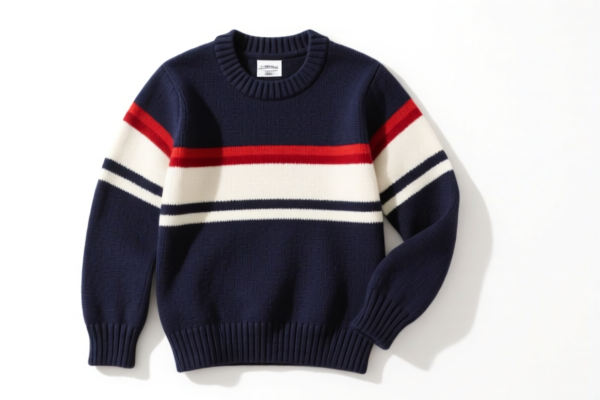
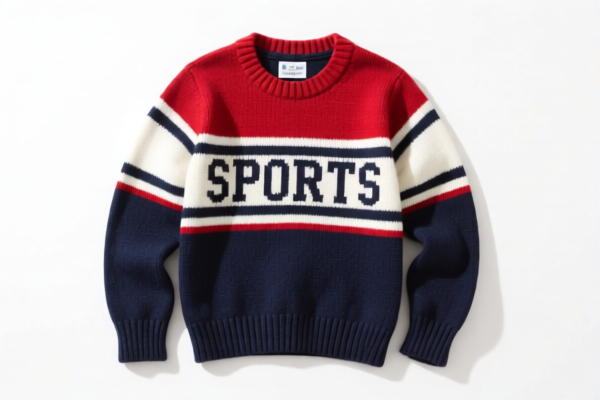
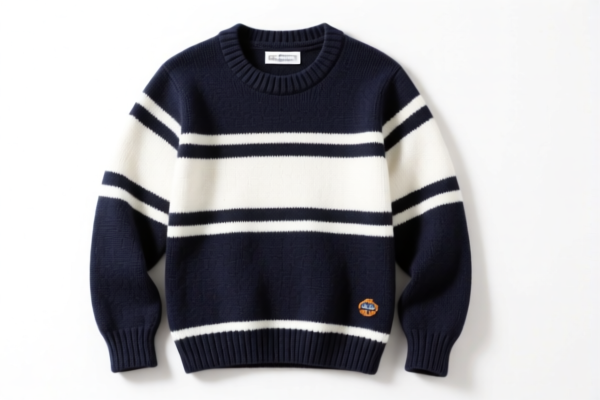
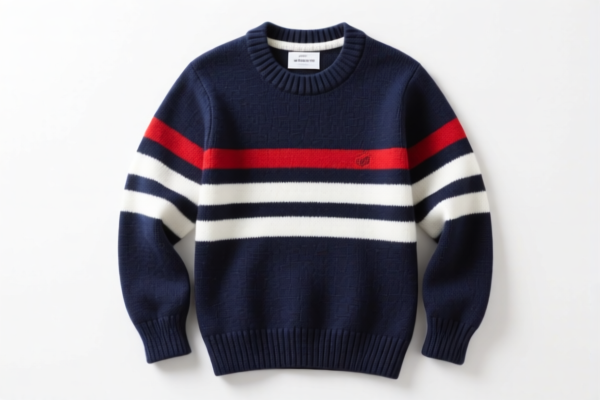
AI Analysis
👕 Boy's Moisture Wicking Sports Shirt (男童速干透气运动衫)
🌐 HS Code Reference & Customs Clearance Guide | 2026 Latest Tariff Analysis | Professional Transit Strategy
📌 I. Product Definition & Classification: Do You Really Understand "Sports Shirts"?
A "Boy's Moisture Wicking Sports Shirt" is a critical apparel item for children's active wear. In international trade, its classification is highly sensitive to structure (knit vs. woven, specific garment type) and material composition (Synthetic Fibers vs. Man-Made/Artificial Fibers).
There is a crucial distinction between a "Jersey/Sweatshirt" (运动衫) and a "T-shirt" (T恤衫): - Jerseys/Sweatshirts: Typically heavier knit, often with collars, zippers, or pullover styles designed for warmth or sport performance. - T-Shirts: Lighter knit, crew neck or V-neck, minimal structure.
⚠️ Key Differentiator:
- If the garment is a T-shirt style (lightweight, simple neckline) → Likely falls under 6109.
- If the garment is a Jersey/Sweatshirt style (collared, zippered, or heavier knit) → Likely falls under 6110 or 6105/6107 (depending on exact knit structure).
- Material: "Moisture Wicking" usually implies Synthetic Fibers (Polyester/Nylon) or Artificial Fibers (Rayon/Acrylic blends). The HS code changes significantly based on this!
📦 II. HS Code Classification Details (Based on Provided Data)
| HS Code | Product Description | Key Characteristics | Material Inference | Total Tax Rate |
|---|---|---|---|---|
6110.30.30.44 |
Boy's Jersey (Sweatshirt) | Style: Jersey/Sweatshirt; Use: Boy | Synthetic Fibers (e.g., Polyester) | 49.5% |
6109.90.10.09 |
Boy's T-Shirt | Style: T-Shirt; Use: Boy | Artificial Fibers (e.g., Rayon/Spandex blend) | 49.5% |
6110.30.10.50 |
Boy's Jersey (Sweatshirt) | Style: Jersey/Sweatshirt; Use: Boy | Artificial Fibers (e.g., Rayon/Acrylic) | 23.5% |
6110.20.20.44 |
Boy's Jersey (Sweatshirt) | Use: Boy | Synthetic Fibers or Cotton Blend | 34.0% |
6109.10.00.14 |
Boy's Knit Jersey/T-Shirt | Style: Knit Sports Shirt; Use: Boy | Synthetic Fibers | 34.0% |
🔍 Critical Analysis:
- Highest Tax (49.5%): Applies to two distinct categories.
1.6110.30.30.44: If it's a Synthetic Jersey (heavy knit, synthetic).
2.6109.90.10.09: If it's an Artificial Fiber T-Shirt.
- Lowest Tax (23.5%): Applies only to Artificial Fiber Jerseys (6110.30.10.50).
- Middle Ground (34.0%): Synthetic Jerseys (6110.20.20.44) or Synthetic Knit Sports Shirts (6109.10.00.14).
💰 III. 2026 Latest Tariff Rate Breakdown (Including Additional Duties)
✅ Applicable Country: USA (US)
✅ Origin: China (CN)
✅ Effective Time: Current rates include Section 301, Section 122, and Base Rates.
🎯 1. High-Tax Scenarios: 6110.30.30.44 & 6109.90.10.09 (49.5%)
| Item | Content |
|---|---|
| Base Tariff | 32.0% (Ad Valorem) |
| Section 301 / Additional Tariff | +7.5% |
| Section 122 Tariff | +10.0% |
| Total Effective Rate | 49.5% |
| Tax Calculation | CIF Value × 49.5% |
| De Minimis Exemption | ❌ NOT Eligible (Section 122 and Section 301 duties generally apply to all shipments, regardless of value) |
| Legal Basis Path | Base: 6110/6109 → Section 301: +7.5% → Section 122: +10% |
📌 Explanation:
- The 32% base rate is standard for many knit men's/boys' shirts from China.
- The 7.5% additional tariff is a result of ongoing trade negotiations/Section 301 adjustments.
- The 10% Section 122 tariff is a specific surcharge on certain textile/apparel imports from China.
- Total 49.5% is extremely high for apparel. Cost control is critical.
🎯 2. Mid-Tax Scenario: 6110.20.20.44 & 6109.10.00.14 (34.0%)
| Item | Content |
|---|---|
| Base Tariff | 16.5% (Ad Valorem) |
| Section 301 / Additional Tariff | +7.5% |
| Section 122 Tariff | +10.0% |
| Total Effective Rate | 34.0% |
| Tax Calculation | CIF Value × 34.0% |
| De Minimis Exemption | ❌ NOT Eligible |
| Legal Basis Path | Base: 6110.20/6109.10 → Section 301: +7.5% → Section 122: +10% |
📌 Explanation:
- The lower base rate (16.5%) reflects different material classifications (e.g., cotton blends or specific synthetic knit structures).
- Despite the lower base, the 7.5% + 10% surcharges remain fixed, making the total 34%.
🎯 3. Low-Tax Scenario: 6110.30.10.50 (23.5%)
| Item | Content |
|---|---|
| Base Tariff | 6.0% (Ad Valorem) |
| Section 301 / Additional Tariff | +7.5% |
| Section 122 Tariff | +10.0% |
| Total Effective Rate | 23.5% |
| Tax Calculation | CIF Value × 23.5% |
| De Minimis Exemption | ❌ NOT Eligible |
| Legal Basis Path | Base: 6110.30.10.50 → Section 301: +7.5% → Section 122: +10% |
📌 Explanation:
- This is the most favorable rate. It applies specifically to Artificial Fiber Jerseys (e.g., Rayon-based).
- The base tariff is only 6%, significantly lower than the 16.5% or 32% for synthetics.
- Strategic Tip: If your product can be classified as "Artificial Fiber" (not Synthetic Polyester/Nylon) and is a "Jersey" style, you save 26 percentage points compared to the highest tier.
🛠️ IV. Customs Clearance Practical Advice (Pro Tips to Avoid Pitfalls)
✅ 1. Preparation Checklist (Non-Negotiable)
| Document | Required | Notes |
|---|---|---|
| ✅ Product Spec Sheet | ✔️ | Must detail: Fabric composition (%) (e.g., 95% Polyester, 5% Spandex), Knit type, Weight (GSM). |
| ✅ Fabric Swatch | ✔️ | Physical sample for customs lab testing to determine "Synthetic" vs. "Artificial". |
| ✅ Product Photos | ✔️ | Clear shots of front, back, neckline, cuffs, and any logos/zippers to confirm "Jersey" vs. "T-shirt". |
| ✅ Commercial Invoice | ✔️ | Must explicitly state: "Boy's Moisture Wicking Knit Shirt, [Material] Composition". |
| ✅ Packing List | ✔️ | Include HTS codes if pre-decided. |
✅ 2. Classification Strategy (Key Mnemonic)
🔥 "Check Fabric, Then Check Style! Synthetic = High Tax, Artificial = Lower Tax!"
| Scenario | Correct HS Code Approach | Wrong Approach | Consequence |
|---|---|---|---|
| Polyester Jersey | 6110.30.30.44 (49.5%) |
Misclassify as Cotton | Audit Risk + Back Duties |
| Rayon Jersey | 6110.30.10.50 (23.5%) |
Misclassify as Synthetic | Save 26% Tax! |
| Polyester T-Shirt | 6109.10.00.14 (34.0%) |
Misclassify as Jersey | Potential 15.5% Overpayment |
| Rayon T-Shirt | 6109.90.10.09 (49.5%) |
Misclassify as Jersey | Same High Tax, but different code |
✅ 3. Special Considerations
- Section 122 Impact: Unlike some other duties, Section 122 applies to all commercial imports, even those under $800 (de minimis) in some contexts, or strictly at border entry. Do not assume low-value shipments are exempt.
- Material Testing: Customs may test the fabric. "Moisture Wicking" is a functional claim, not a material classification. Ensure your fiber content labels match your HS code declaration.
- "Jersey" vs. "T-Shirt": If the shirt has a collar, zip, or heavy knit, it's likely a Jersey (
6110). If it's a simple crew neck, it's a T-shirt (6109). Misclassification leads to delays.
🌍 V. Global Market Comparison (2026 Latest)
| Country/Region | Recommended HS Code | Base Tariff | Additional Duties (China) | Total Effective Rate |
|---|---|---|---|---|
| 🇺🇸 USA | 6110.30.30.44 / 6109.90.10.09 |
16.5% - 32.0% | +17.5% (7.5% + 10%) | 23.5% - 49.5% |
| 🇨🇳 China | 6110.30.30.44 / 6109.90.10.09 |
9% - 16% | 0% | 9% - 16% |
| 🇪🇺 EU | 6110.30.30.44 / 6109.90.10.09 |
12% | 0% | 12% |
| 🇦🇺 Australia | 6110.30.30.44 / 6109.90.10.09 |
5% | 0% | 5% + GST |
| 🇯🇵 Japan | 6110.30.30.44 / 6109.90.10.09 |
16% | 0% | 16% |
📌 Conclusion:
- The USA has the highest effective tariff for Chinese-made boys' sports shirts due to multiple layers of surcharges.
- EU and Australia are much more competitive, with rates under 15%.
- If exporting to the USA, material choice (Artificial vs. Synthetic) is the biggest cost lever.
📌 VI. Common Errors & Pitfalls (Blood Lessons)
❌ Error 1: Assuming "Moisture Wicking" means a specific HS code.
👉 Result: Customs rejects based on functional claims. Always declare material content.
❌ Error 2: Misidentifying "Jersey" as "T-Shirt" to avoid Section 301.
👉 Result: If it has a collar or zip, it's a Jersey. Misclassification leads to penalties and retroactive duties.
❌ Error 3: Believing Section 122 applies only to large shipments.
👉 Result: Section 122 applies to all shipments. Do not ship "de minimis" without checking if the exemption applies (it often doesn't for these specific codes).
❌ Error 4: Using "Synthetic" and "Artificial" interchangeably.
👉 Result:
- Synthetic = Polyester, Nylon, Acrylic.
- Artificial = Rayon, Viscose, Modal.
- Tax difference: Synthetic Jerseys (49.5%) vs. Artificial Jerseys (23.5%). Switching materials can save millions.
✅ Correct Action:
"Boy's Knit Sports Shirt, Collar, 100% Rayon (Artificial Fiber), Moisture Wicking Finish, Model ABC, US Importer of Record XYZ."
🎯 VII. Conclusion: Professional Classification, Cost Optimization!
🎯 Remember the Mantra:
🔹 "Jersey vs. T-Shirt: Style Defines Code."
🔹 "Synthetic vs. Artificial: Material Defines Tax."
🔹 "Section 122 + 301: Never Assume Exemption."
🔹 "49.5% vs. 23.5%: A Simple Material Change Saves Half the Tax!"
📌 Pro Tip:
- If your product is made of Polyester, expect 34%-49.5% tax.
- If you can switch to Rayon/Viscose (Artificial), you can drop the tax to 23.5% (if styled as a Jersey).
- Always get a Binding Ruling or Advance Classification from a customs broker before shipping large volumes.
📣 Immediate Action:
📞 Contact your customs broker + Provide fabric swatch + Confirm garment structure (Collar? Zip?).
🚀 Optimize your supply chain to use Artificial Fibers where possible to maximize profit margins in the US market.
✨ Professional clearance starts with accurate classification!
💼 Every percentage point saved is pure profit!
Customer Reviews
About HS Code Classification
The Harmonized System (HS) is an internationally standardized nomenclature developed by the World Customs Organization (WCO) to classify traded products. Over 200 countries use the HS system as the basis for customs tariffs, trade statistics, and import/export regulations.
Each HS code follows a hierarchical structure:
- Chapter (2 digits) — Broad category of goods (e.g., Chapter 84: Machinery and Mechanical Appliances)
- Heading (4 digits) — More specific grouping within the chapter
- Subheading (6 digits) — Internationally standardized breakdown, used by all WCO member countries
- National subdivisions (8-10 digits) — Country-specific extensions for further classification, such as US HTSUS 10-digit codes
Correct HS code classification is essential for smooth customs clearance, accurate duty payment, and compliance with trade regulations. Misclassification can lead to customs delays, overpayment of duties, or penalties.
When importing from CN to US, the applicable tariff rates may include:
- Most-Favored-Nation (MFN) rate — The standard duty rate applied to WTO members
- General rate — Applied to countries without trade agreements
- Trade remedy duties — Additional tariffs such as Section 301 (anti-dumping), Section 232 (national security), or countervailing duties
The information provided on this page is for reference purposes only. For official classification, please consult with your local customs authority or a licensed customs broker.