Boy's Solid Color Shirt (Other Textile Materials)
CN → US| HS Code | Tariff Rate | Origin | Destination | Doc |
|---|---|---|---|---|
| 6205900720 | 35.0% | CN | US | Official Doc |
| 6110909023 | 23.5% | CN | US | Official Doc |
| 6205904040 | 20.3% | CN | US | Official Doc |
| 6105908060 | 23.1% | CN | US | Official Doc |
| 6105908030 | 23.1% | CN | US | Official Doc |
Product Images
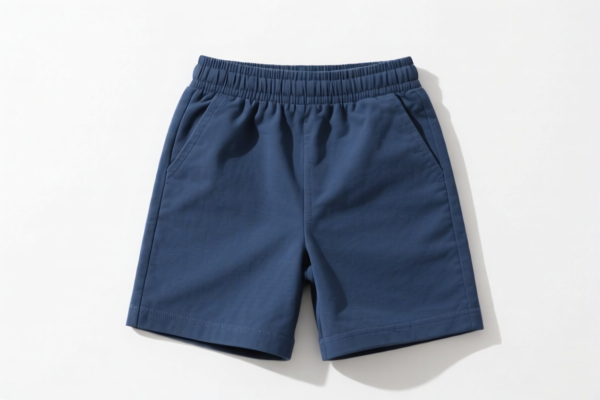
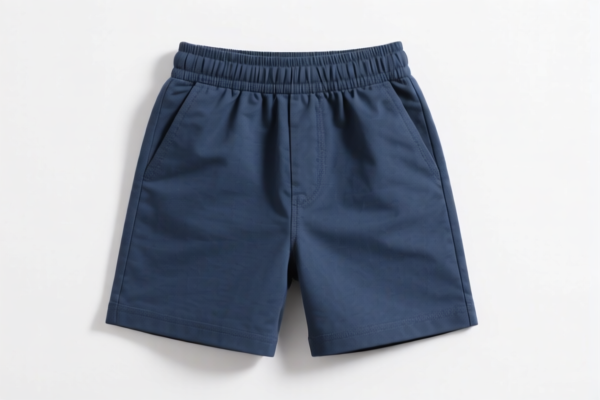
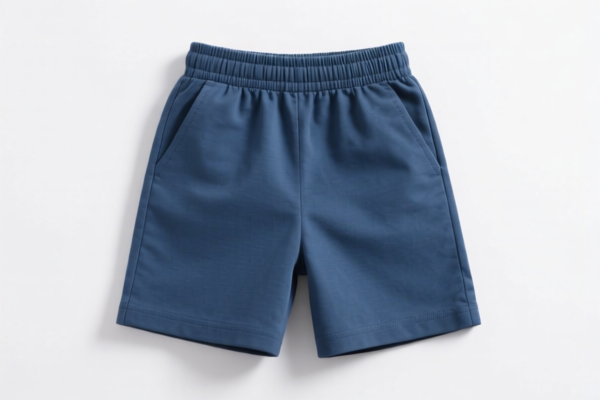
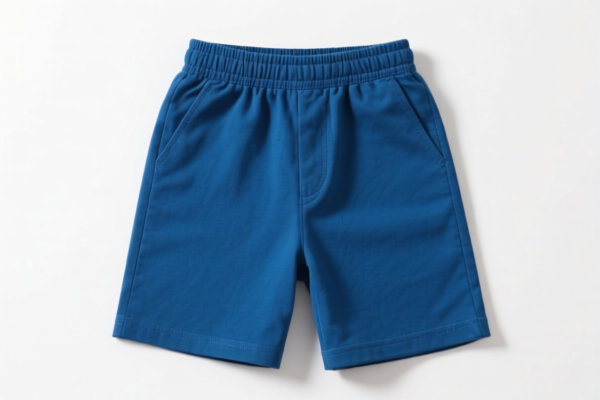
AI Analysis
👕 Boy’s Solid Color Shirt (Other Textile Materials)
🌐 HS Code Reference & Customs Clearance Guide | 2026 Latest Tariff Analysis | Professional Compliance Strategy
📌 I. Product Definition & Classification: Do You Really Understand "Boy's Shirt"?
A "Boy's Solid Color Shirt" made of "Other Textile Materials" (excluding cotton, wool, or synthetic fibers explicitly listed in other subheadings, often referring to blends, regenerated fibers, or specific textile mixes not categorized as standard man-made fibers) is a versatile garment. In international trade, classification depends heavily on the knitted vs. woven structure and the specific fiber composition.
Key Distinction:
- Woven Shirts (e.g., dress shirts, casual button-downs): Classified under Heading 6205.
- Knitted/Crocheted Shirts (e.g., T-shirts, polo shirts, knit blouses): Classified under Heading 6105 or 6110.
⚠️ Critical Note:
- If the shirt is Woven → Use 6205 series.
- If the shirt is Knitted → Use 6105 or 6110 series.
- "Other Textile Materials" implies materials other than Cotton, Wool, Synthetic Fibers, or Artificial Fibers, often landing in residual categories like 6105.90, 6205.90, etc.
📦 II. HS Code Classification Details (2026 Latest Tariff Authority对照)
Based on the provided data, here are the specific HS Codes for Boy's Solid Color Shirts (Other Textile Materials) and their corresponding tariff structures.
| HS Code | Product Description | Type | Total Tax Rate | Tax Breakdown |
|---|---|---|---|---|
6205.90.40.40 |
Boy’s Shirt, Other Textile Materials | Woven | 20.3% | Base: 2.8% + Section 301: 7.5% + Section 122: 10% |
6105.90.80.30 |
Boy’s Shirt, Other Textile Materials | Knitted | 23.1% | Base: 5.6% + Section 301: 7.5% + Section 122: 10% |
6105.90.80.60 |
Boy’s Shirt, Other Textile Materials | Knitted | 23.1% | Base: 5.6% + Section 301: 7.5% + Section 122: 10% |
6205.90.07.20 |
Boy’s Shirt, Other Textile Materials | Woven | 35.0% | Base: 17.5% + Section 301: 7.5% + Section 122: 10% |
6110.90.90.23 |
Boy’s Shirt, Other Textile Materials | Knitted (Sweater-style) | 23.5% | Base: 6.0% + Section 301: 7.5% + Section 122: 10% |
🔍 重点提醒:
-6205.90.40.40is the lowest cost option for Woven shirts (20.3%).
-6105.90.80.30/60is the standard for Knitted T-shirts/Shirts (23.1%).
-6205.90.07.20has a much higher base tariff (17.5%), leading to a total of 35.0%. Ensure this is not the correct classification unless the material/fabric type specifically matches this subheading.
-6110.90.90.23applies to knitted shirts that might be classified as "pullover shirts" or sweater-like tops (23.5%).
💰 III. 2026 Latest Tariff Rate Breakdown (Including Surtaxes, Policy Add-ons)
✅ Applicable Country: United States (US)
✅ Country of Origin: China (CN)
✅ Effective Date: 2025年11月10日起 (November 10, 2025 onwards)
🎯 1. 6205.90.40.40 —— Woven Boy’s Shirt (Other Textiles)
| Item | Content |
|---|---|
| Base Duty Rate | 2.8% (ad valorem) |
| USITC Surtax (Section 301) | +7.5% |
| IEEPA Surtax (Section 122) | +10.0% |
| Total Effective Rate | 20.3% |
| Calculation Basis | CIF Value × 20.3% |
| De Minimis Eligibility | ❌ No (Deny de minimis for China-origin goods under current enforcement) |
| Legal Basis Path | HTSUS:6205.90.40.40 → Section 301: 7.5% → Section 122: 10% |
📌 Explanation:
- This is the most favorable classification for Woven shirts made of "Other Textile Materials."
- The base duty is low (2.8%), but the additive tariffs (Section 301 + 122) bring the total to 20.3%.
🎯 2. 6105.90.80.30 & 6105.90.80.60 —— Knitted Boy’s Shirt (Other Textiles)
| Item | Content |
|---|---|
| Base Duty Rate | 5.6% (ad valorem) |
| USITC Surtax (Section 301) | +7.5% |
| IEEPA Surtax (Section 122) | +10.0% |
| Total Effective Rate | 23.1% |
| Calculation Basis | CIF Value × 23.1% |
| De Minimis Eligibility | ❌ No |
| Legal Basis Path | HTSUS:6105.90.80.30/60 → Section 301: 7.5% → Section 122: 10% |
📌 Note:
- These two codes are functionally identical in terms of tariff burden.
- The difference between.30and.60may relate to specific fabric weights, constructions, or internal customs sub-categorizations. Choose the one that best matches your technical specification sheets.
🎯 3. 6205.90.07.20 —— Woven Boy’s Shirt (Higher Base Tariff)
| Item | Content |
|---|---|
| Base Duty Rate | 17.5% (ad valorem) |
| USITC Surtax (Section 301) | +7.5% |
| IEEPA Surtax (Section 122) | +10.0% |
| Total Effective Rate | 35.0% |
| Calculation Basis | CIF Value × 35.0% |
| De Minimis Eligibility | ❌ No |
| Legal Basis Path | HTSUS:6205.90.07.20 → Section 301: 7.5% → Section 122: 10% |
📌 Warning:
- This code has a significantly higher base duty (17.5%).
- Do not use this code unless your product’s material or construction specifically requires it. Misclassification here can lead to massive cost increases.
🎯 4. 6110.90.90.23 —— Knitted Pullover/Sweater Shirt (Other Textiles)
| Item | Content |
|---|---|
| Base Duty Rate | 6.0% (ad valorem) |
| USITC Surtax (Section 301) | +7.5% |
| IEEPA Surtax (Section 122) | +10.0% |
| Total Effective Rate | 23.5% |
| Calculation Basis | CIF Value × 23.5% |
| De Minimis Eligibility | ❌ No |
| Legal Basis Path | HTSUS:6110.90.90.23 → Section 301: 7.5% → Section 122: 10% |
📌 Note:
- This code is for knitted shirts that may be classified as "pullovers" or sweater-like tops.
- Slightly higher than6105.90due to a higher base rate (6.0% vs 5.6%).
🛠️ IV. Customs Clearance Practical Advice (Battle-Tested Pitfall Guide)
✅ 1. Preparation Checklist (Mandatory)
| Document | Required | Explanation |
|---|---|---|
| ✅ Product Specification Sheet | ✔️ | Must include: Fabric composition (%), Knitted/Woven distinction, Garment type (Button-down, T-shirt, Polo, Pullover). |
| ✅ Fabric Swatch/Composition Test | ✔️ | Critical to prove "Other Textile Materials" vs. Cotton/Synthetic. |
| ✅ Product Photos | ✔️ | Show collar, cuffs, closure type (buttons vs. pull-over), and internal labels. |
| ✅ Commercial Invoice | ✔️ | Must clearly state: "Boy’s Shirt, [Material], [Knitted/Woven], Model [XXX]". |
| ✅ Packing List | ✔️ | Ensure consistency with invoice and bill of lading. |
| ✅ Origin Certificate | ✔️ | If applicable for preferential treatment (though unlikely for China under current tariffs). |
✅ 2. Classification Strategy (Key Mantra)
🔥 “Knitted vs. Woven is King! Material Definition is Queen! Don’t Pick 35% if 20% Works!”
| Scenario | Correct HS Code | Incorrect HS Code | Consequence |
|---|---|---|---|
| Woven Shirt (Button-down) | 6205.90.40.40 (20.3%) |
6105.90.80.30 (23.1%) |
Overpayment by 2.8% |
| Woven Shirt (Specific Sub-cat) | 6205.90.07.20 (35.0%) |
6205.90.40.40 (20.3%) |
Underpayment → Penalty & Back Duties! |
| Knitted T-Shirt | 6105.90.80.30/60 (23.1%) |
6205.90.40.40 (20.3%) |
Overpayment by 2.8% |
| Knitted Pullover/Sweater | 6110.90.90.23 (23.5%) |
6105.90.80.30 (23.1%) |
Overpayment by 0.4% (Minor) |
| Shirt with Non-Textile Trim | 6205.90.40.40 |
Split components | Complex duty calculation |
✅ 3. Special Situations
| Situation | Handling Advice |
|---|---|
| "Other Textile Materials" Ambiguity | Provide detailed fabric composition (e.g., "50% Viscose, 50% Polyester"). Avoid vague terms like "Mixed Fabric." |
| OEM Custom Shirts | Provide design sketches and tech packs to confirm Knitted vs. Woven. |
| Shirts with Pockets/Embellishments | Ensure they don’t change the essential character (e.g., from shirt to costume). |
| Sample vs. Bulk | Ensure the commercial samples match the bulk shipment’s HS Code classification. |
🌍 V. Global Market Comparison (2026 Latest)
| Country/Region | Recommended HS Code | Approx. Tariff (China Origin) | Certification Required | Notes |
|---|---|---|---|---|
| 🇺🇸 United States | 6205.90.40.40 / 6105.90.80.30 |
20.3% - 23.5% | FTC Labeling, CPSIA (if children’s) | Section 301 + 122 apply. |
| 🇨🇳 China | 6205.90.40.40 / 6105.90.80.30 |
1.0% - 5.0% | CCC (if applicable) | Low tariffs for domestic trade. |
| 🇪🇺 European Union | 6205.90.40.40 / 6105.90.80.30 |
12.0% - 17.0% | CE (if marked as such), REACH | No Section 301/122. |
| 🇬🇧 United Kingdom | 6205.90.40.40 / 6105.90.80.30 |
12.0% - 17.0% | UKCA (if applicable) | Post-Brexit rules apply. |
| 🇯🇵 Japan | 6205.90.40.40 / 6105.90.80.30 |
15.0% - 20.0% | PSE (if electronic, not applicable) | No surcharges for textiles. |
📌 Conclusion:
- The US market is the most expensive due to additive tariffs (Section 301 + 122).
- EU, UK, Japan have higher base duties but no additional surcharges, making them potentially more predictable.
- China-origin goods face the highest landed cost in the US.
📌 VI. Common Mistakes & Pitfalls (Blood-Tea Lessons)
❌ Mistake 1: Classifying Woven shirts as Knitted (6105 instead of 6205)
👉 Consequence: If the actual product is woven, you face underpayment penalties and potential fraud charges.
❌ Mistake 2: Using 6205.90.07.20 (35%) when 6205.90.40.40 (20.3%) is applicable
👉 Consequence: Overpayment of 14.7% per unit. Significant profit loss.
❌ Mistake 3: Vague Description "Shirt"
👉 Consequence: Customs may audit, delay shipment, or assign a higher default duty rate.
❌ Mistake 4: Ignoring "Other Textile Materials" Definition
👉 Consequence: If the material is actually Cotton, it should be 6205.20 or 6105.20, which may have different duties. Misclassification leads to errors.
✅ Correct Approach:
"Boy’s Woven Shirt, 100% Viscose, Solid Color, Button-Down, Model XYZ, Compliant with FTC Labeling"
🎯 VII. Conclusion: Precise Classification Saves Money!
🎯 Remember the Mantra:
🔹 "Woven vs. Knitted Decide HS Code Base!
🔹 "Other Textiles" Need Clear Composition!
🔹 "Avoid 35% Unless Necessary!"
🔹 "Section 301 + 122 = +17.5% on Top of Base!"
📌 Pro Tip:
- For Woven shirts, aim for 6205.90.40.40 (20.3%) unless your material fits 6205.90.07.20 specifically.
- For Knitted shirts, 6105.90.80.30/60 (23.1%) is generally better than 6110.90.90.23 (23.5%) if it’s a standard T-shirt/Polo.
- Always provide detailed fabric composition and garment structure in the commercial invoice.
📣 Immediate Action:
📞 Consult with a licensed customs broker.
📄 Prepare fabric test reports.
🚀 Ensure accurate HS Code selection to minimize tariffs and avoid delays.
✨ Professional Classification, Smooth Clearance, Maximum Profit!
💼 Every percentage point matters in international trade!
Customer Reviews
About HS Code Classification
The Harmonized System (HS) is an internationally standardized nomenclature developed by the World Customs Organization (WCO) to classify traded products. Over 200 countries use the HS system as the basis for customs tariffs, trade statistics, and import/export regulations.
Each HS code follows a hierarchical structure:
- Chapter (2 digits) — Broad category of goods (e.g., Chapter 84: Machinery and Mechanical Appliances)
- Heading (4 digits) — More specific grouping within the chapter
- Subheading (6 digits) — Internationally standardized breakdown, used by all WCO member countries
- National subdivisions (8-10 digits) — Country-specific extensions for further classification, such as US HTSUS 10-digit codes
Correct HS code classification is essential for smooth customs clearance, accurate duty payment, and compliance with trade regulations. Misclassification can lead to customs delays, overpayment of duties, or penalties.
When importing from CN to US, the applicable tariff rates may include:
- Most-Favored-Nation (MFN) rate — The standard duty rate applied to WTO members
- General rate — Applied to countries without trade agreements
- Trade remedy duties — Additional tariffs such as Section 301 (anti-dumping), Section 232 (national security), or countervailing duties
The information provided on this page is for reference purposes only. For official classification, please consult with your local customs authority or a licensed customs broker.