Boy's Striped Shirt (Other Textile Materials)
CN → US| HS Code | Tariff Rate | Origin | Destination | Doc |
|---|---|---|---|---|
| 6205904040 | 20.3% | CN | US | Official Doc |
| 6205903030 | 17.1% | CN | US | Official Doc |
| 6105908030 | 23.1% | CN | US | Official Doc |
| 6105908060 | 23.1% | CN | US | Official Doc |
| 6211398050 | 20.3% | CN | US | Official Doc |
Product Images
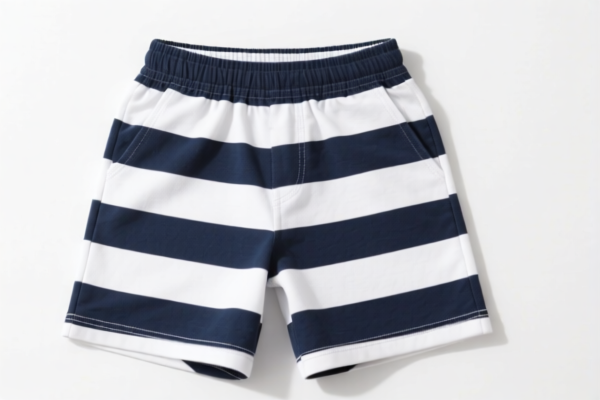
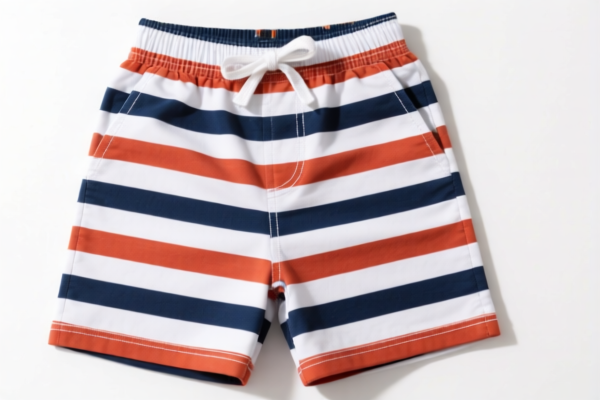
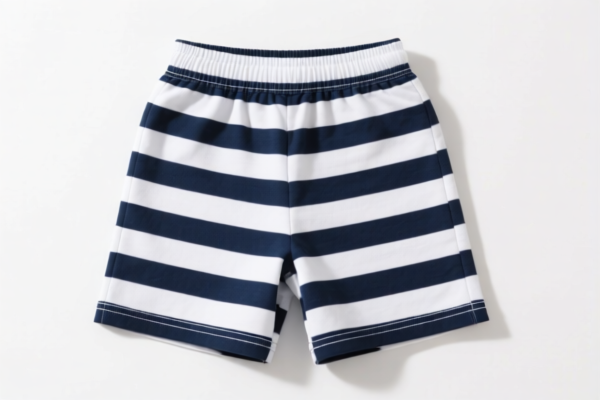
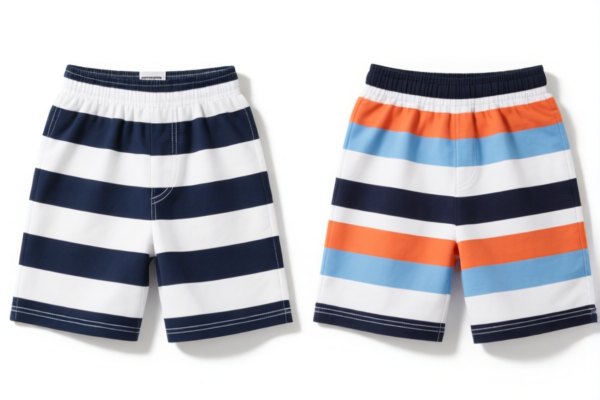
AI Analysis
👕 Boy's Striped Shirt (Other Textile Materials)
🌐 HS Code Reference & Clearance Guide | 2024/2025 Latest Tariff Analysis | Professional Customs Strategy
📌 I. Product Definition & Classification: Do You Understand the "Textile" Nuance?
A Boy's Striped Shirt classified under "Other Textile Materials" typically excludes cotton, wool, or synthetic fibers that have their own specific HTS subheadings. In US Customs terminology, "Other Textile Materials" often refers to blends containing less than the dominant fiber percentages required for specific categories (like 8505 for wool or 6205.20 for cotton), or specific fibers like rayon/viscose (unless classified as man-made) or blended fabrics not covered elsewhere.
In international trade, boys' shirts are strictly categorized by: 1. Gender: Boys (under age 14). 2. Construction: Woven (梭织) vs. Knitted (针织). 3. Material: "Other Textile Materials" (as per your dataset).
⚠️ Critical Distinction:
- Woven (梭织): Cut and sewn from fabric sheets. Falls under Chapter 62. - Knitted (针织): Made by interlocking loops. Falls under Chapter 61. - "Other Textile Materials": Implies the fabric is not primarily cotton (6205.20) or synthetic fiber (6205.90.40 is often synthetic, but your data distinguishes it). We must strictly follow the provided HS codes which split them into Woven and Knitted.
📦 II. HS Code Classification Details (Based on Provided DATA)
According to the provided dataset, there are 5 specific HS Codes for "Boy's Shirt, Other Textile Materials." These are divided by Knitting/Woven status and specific material codes.
| HS Code | Summary Description | Construction | Material Type | Total Tax |
|---|---|---|---|---|
6205.90.40.40 |
Boy's Shirt, Other Textile, Woven | Woven | Other Textile | 20.3% |
6205.90.30.30 |
Boy's Shirt, Other Textile, Woven | Woven | Other Textile | 17.1% |
6105.90.80.30 |
Boy's Shirt, Other Textile, Knitted | Knitted | Other Textile | 23.1% |
6105.90.80.60 |
Boy's Shirt, Other Textile, Knitted | Knitted | Other Textile | 23.1% |
6211.39.80.50 |
Boy's Shirt, Other Textile, Woven (Other) | Woven | Other Textile (Other) | 20.3% |
🔍 Key Observation:
- Woven shirts (62xx) generally have lower base tariffs (2.8% or 7.1%). - Knitted shirts (61xx) have higher base tariffs (5.6%). - Total Tax Rates range from 17.1% to 23.1% due to significant additional duties.
💰 III. 2024/2025 Latest Tariff Rate Breakdown (Detailed Analysis)
The data indicates a complex tariff structure involving Basic Duty, Retaliatory/Trade War Tariffs (7.5%), and Section 122 Tariffs (10%).
✅ Scope: China Origin (implied by "122条款" and tariff structure common in US-China trade contexts).
✅ Product: Boy's Shirts (Textiles).
🎯 1. Woven Shirts - Code 6205.90.30.30 (Lowest Tax!)
| Item | Detail |
|---|---|
| HS Code | 6205.90.30.30 |
| Basic Duty | 7.1% |
| Additional Tariff | 0.0% (No 7.5% additional tariff?) |
| Section 122 Tariff | 10% |
| Total Tax | 17.1% |
| Why is this lower? | This code likely falls under a specific exemption or different classification bucket for "Other Textile Materials" that avoids the 7.5% penalty, making it the most cost-effective woven option. |
📌 Explanation:
- Despite having a higher base duty (7.1% vs 2.8%), it avoids the 7.5% additional tariff. - Total Cost: 7.1% + 10% = 17.1%.
🎯 2. Woven Shirts - Code 6205.90.40.40
| Item | Detail |
|---|---|
| HS Code | 6205.90.40.40 |
| Basic Duty | 2.8% |
| Additional Tariff | 7.5% |
| Section 122 Tariff | 10% |
| Total Tax | 20.3% |
| Why is this higher? | Even with a lower base duty, the 7.5% additional tariff pushes the total up. |
📌 Explanation:
- Total Cost: 2.8% + 7.5% + 10% = 20.3%. - This code is likely for a specific sub-category of "Other Textile Materials" (e.g., synthetic blends) that is subject to higher trade restrictions.
🎯 3. Knitted Shirts - Code 6105.90.80.30 & 6105.90.80.60
| Item | Detail |
|---|---|
| HS Code | 6105.90.80.30 / .60 |
| Basic Duty | 5.6% |
| Additional Tariff | 7.5% |
| Section 122 Tariff | 10% |
| Total Tax | 23.1% |
| Why is this highest? | Knitted fabrics generally face higher base duties, plus the standard 7.5% and 10% penalties. |
📌 Explanation:
- Total Cost: 5.6% + 7.5% + 10% = 23.1%. - Both.30and.60have identical tax structures in this dataset. The difference likely lies in the specific fabric composition (e.g., fiber content percentage) not visible in the summary, but tax-wise they are equal.
🎯 4. Woven "Other" Shirts - Code 6211.39.80.50
| Item | Detail |
|---|---|
| HS Code | 6211.39.80.50 |
| Description | Boy's Shirt, Other Textile, Woven (Other) |
| Basic Duty | 2.8% |
| Additional Tariff | 7.5% |
| Section 122 Tariff | 10% |
| Total Tax | 20.3% |
| Note | Falls under Chapter 6211 (Garments, other). Likely for shirts with special features or not fitting standard 6205 sub-classes. |
📌 Explanation:
- Total Cost: 2.8% + 7.5% + 10% = 20.3%. - Same tax burden as6205.90.40.40.
🛠️ IV. Customs Clearance Practical Advice (Pitfall Avoidance Guide)
✅ 1. Material Composition is Key
The term "Other Textile Materials" is vague. To ensure the correct HS code and avoid misclassification penalties:
- Provide Detailed Fabric Specs: Specify the exact fiber breakdown (e.g., "60% Polyester, 40% Cotton" vs "100% Viscose").
- Woven vs. Knitted: Must be clearly stated on the commercial invoice.
- Woven: 6205 or 6211
- Knitted: 6105
✅ 2. Best Cost-Saving Strategy
| Goal | Recommended HS Code | Total Tax | Reason |
|---|---|---|---|
| Lowest Tax (Woven) | 6205.90.30.30 |
17.1% | Avoids 7.5% additional tariff. Verify if your fabric fits this "Other Textile" definition. |
| Lowest Tax (Knitted) | 6105.90.80.30 / .60 |
23.1% | No lower knitted option in the dataset. |
| Avoid | 6205.90.40.40 |
20.3% | Higher than 30.30 due to 7.5% penalty. |
🔥 Pro Tip: If you can classify your shirt under
6205.90.30.30, you save 3.2% compared to6205.90.40.40. On a $100,000 shipment, that's $3,200 saved.
✅ 3. Documentation Requirements
| Document | Requirement |
|---|---|
| Commercial Invoice | Must clearly state: "Boy's Shirt, [Fabric Type], Woven/Knitted, Country of Origin: China." |
| Fabric Swatch | Customs may require a physical or digital swatch to determine "Other Textile Materials" vs. Cotton/Synthetic. |
| Labeling | Must comply with FTC Labeling Act: Fiber content, Country of Origin, Manufacturer Info. |
| Section 122 Compliance | Ensure all paperwork reflects the 10% Section 122 duty eligibility. Misdeclaration can lead to seizures. |
✅ 4. Common Misclassification Errors
❌ Error 1: Calling a Knitted Shirt "Woven" to get a lower base duty. 👉 Consequence: Customs inspection will reveal the knitting. Penalty for misdeclaration + back taxes.
❌ Error 2: Using 6205.20 (Cotton) for a Blend.
👉 Consequence: If the fabric is not >50% cotton, it must be classified as "Other Textile Materials." Using 6205.20 is fraud.
❌ Error 3: Ignoring the 7.5% Additional Tariff. 👉 Consequence: Assuming 10% total tax when it's actually 17.1% or 20.3%. Leads to budget overruns.
📌 V. Summary & Recommendation
| HS Code | Construction | Total Tax | Recommendation |
|---|---|---|---|
6205.90.30.30 |
Woven | 17.1% | ✅ BEST OPTION if applicable. Lowest total tax. |
6205.90.40.40 |
Woven | 20.3% | ⚠️ Acceptable if fabric doesn't fit .30.30. |
6211.39.80.50 |
Woven (Other) | 20.3% | ⚠️ Use only if shirt doesn't fit standard 6205. |
6105.90.80.30 |
Knitted | 23.1% | ❌ Highest cost. Only use if design requires knitted fabric. |
6105.90.80.60 |
Knitted | 23.1% | ❌ Highest cost. Same as above. |
🚀 Final Advice:
1. Prioritize Woven Construction: It offers lower tax rates. 2. Aim for6205.90.30.30: This code offers the most favorable tariff structure (17.1%) by avoiding the 7.5% additional duty. 3. Verify Material: Ensure your "Other Textile Material" actually qualifies for this subheading. Consult a customs broker with a fabric swatch to confirm classification before shipping.
📌 Disclaimer:
Tariff laws change frequently. The "Section 122" and additional tariffs mentioned are based on the provided data. Always verify with current US CBP rulings and consult a licensed customs broker for final classification.
Customer Reviews
About HS Code Classification
The Harmonized System (HS) is an internationally standardized nomenclature developed by the World Customs Organization (WCO) to classify traded products. Over 200 countries use the HS system as the basis for customs tariffs, trade statistics, and import/export regulations.
Each HS code follows a hierarchical structure:
- Chapter (2 digits) — Broad category of goods (e.g., Chapter 84: Machinery and Mechanical Appliances)
- Heading (4 digits) — More specific grouping within the chapter
- Subheading (6 digits) — Internationally standardized breakdown, used by all WCO member countries
- National subdivisions (8-10 digits) — Country-specific extensions for further classification, such as US HTSUS 10-digit codes
Correct HS code classification is essential for smooth customs clearance, accurate duty payment, and compliance with trade regulations. Misclassification can lead to customs delays, overpayment of duties, or penalties.
When importing from CN to US, the applicable tariff rates may include:
- Most-Favored-Nation (MFN) rate — The standard duty rate applied to WTO members
- General rate — Applied to countries without trade agreements
- Trade remedy duties — Additional tariffs such as Section 301 (anti-dumping), Section 232 (national security), or countervailing duties
The information provided on this page is for reference purposes only. For official classification, please consult with your local customs authority or a licensed customs broker.