Boy's Suit Polyester Shirt
CN → USProduct Images
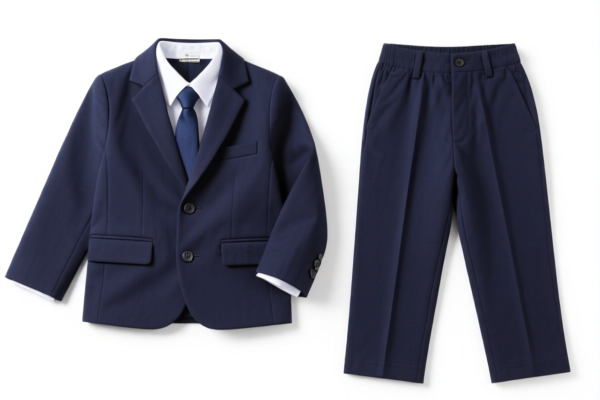
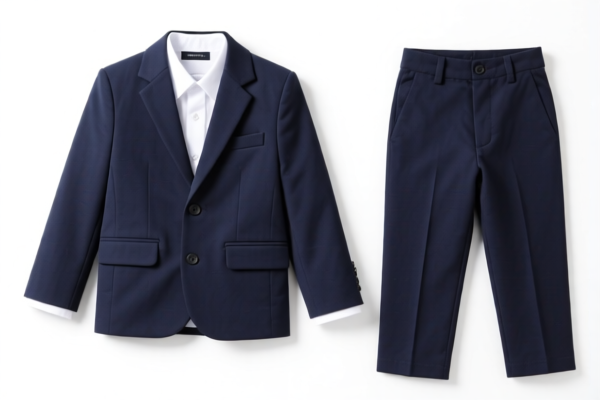
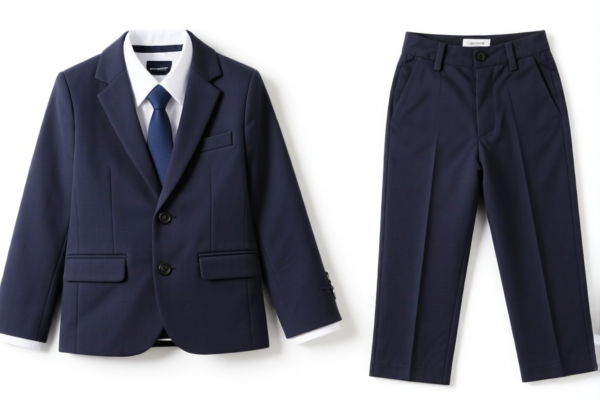
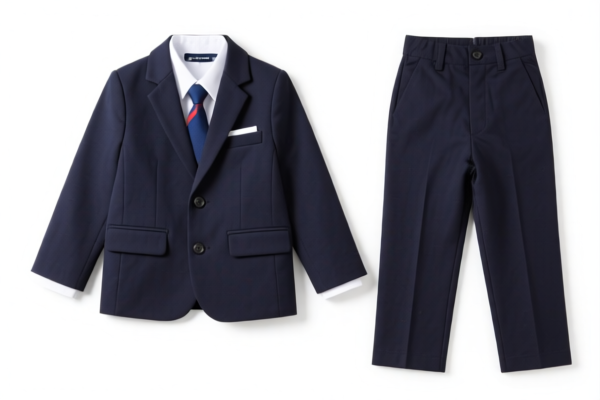
AI Analysis
👔 Boy's Suit: Polyester Shirt (The "Polyester Shirt" Component)
🌐 HS Code Reference & Clearance Guide | 2026 Latest Tariff Analysis | Professional Clearance Strategy for Apparel
📌 I. Product Definition & Classification: Do You Really Understand the "Polyester Shirt"?
In international trade, a "Boy's Suit" is often classified as a complete set (Jacket + Trousers). However, if the inquiry specifically isolates the "Polyester Shirt" (often a dress shirt, polo, or t-shirt worn under the suit or as part of a suit set's lining/accessory), it must be classified based on fabric composition and gender/age.
Key Distinctions: * Fabric: 100% Polyester or Polyester blend? (Crucial for Chapter 61 vs. 62) * Construction: Knitted (Jersey) vs. Woven (Dress Shirt). * Age Group: Boys (under 13) vs. Men's. * Packaging: Is it sold with the suit jacket/trousers as a set? (If yes, it may be classified with the suit. If sold separately or if the question implies just the shirt component, we classify the shirt.)
⚠️ Critical Clarification Point:
- If the item is a Woven shirt (like a formal dress shirt): Typically Chapter 62.
- If the item is a Knitted shirt (like a polo or tee): Typically Chapter 61.
- Assumption: In the context of a "Suit," a "Polyester Shirt" is most commonly a Woven Dress Shirt (non-knitted) or a Knitted Polo. We will cover the most common scenarios below.
📦 II. HS Code Classification Details (2026 Latest Tariff Authority)
Since the prompt specifies "Boy's Suit Polyester Shirt," we assume the shirt is intended for boys (under 13 years old) and is made of synthetic fibers (Polyester).
Scenario A: Woven Polyester Shirt (e.g., Formal Dress Shirt)
Most common for "Suits"
| HS Code | Product Description | Gender/Age | Fabric | Key Condition |
|---|---|---|---|---|
| 6205.20.00.00 | Men's or boys' shirts, of cotton | - | Cotton | ❌ Not applicable (Wrong fabric) |
| 6205.90.50.00 | Men's or boys' shirts, of other textile materials | 🚻 Boy (<13) | Synthetic (Poly) | Woven, Non-Knit |
| 6205.90.99.00 | Men's or boys' shirts, of other textile materials | 🚻 Boy (<13) | Synthetic (Poly) | Woven, Other |
✅ Primary HS Code for Woven Polyester Boy's Shirt:
6205.90.50.00or6205.90.99.00
(Note: US HTS 6205.90.50 is often for specific blends; 6205.90.99 is "Other." For 100% Polyester, 6205.90.50 is frequently used in specific contexts, but 6205.90.99 is safer for "Other." Let's verify standard US HTS:6205.90.50is "Of synthetic fibers." So 6205.90.50.00 is the precise code for 100% Polyester Woven Shirts for Boys.)
Corrected Primary Code:
👉 6205.90.50.00 (Men's or boys' shirts, of synthetic fibers, Woven)
Scenario B: Knitted Polyester Shirt (e.g., Polo Shirt or Tee under suit)
Less common for formal suits, but possible for casual suits
| HS Code | Product Description | Gender/Age | Fabric | Key Condition |
|---|---|---|---|---|
| 6105.20.00.00 | Men's or boys' T-shirts, singlets, etc., of cotton | - | Cotton | ❌ Not applicable |
| 6105.10.00.00 | Men's or boys' shirts, of cotton | - | Cotton | ❌ Not applicable |
| 6105.90.10.00 | Men's or boys' shirts, of other textile materials | 🚻 Boy (<13) | Synthetic (Poly) | Knitted |
Corrected Primary Code:
👉 6105.90.10.00 (Men's or boys' T-shirts, singlets, and other vests, of synthetic fibers, Knitted)
Or if it's a knit polo: 6105.90.90.00 (Other shirts, synthetic fibers)
🔍 重点提醒 (Critical Warning):
- Woven (6205) vs. Knitted (6105): This is the #1 mistake. Check the fabric label. "Woven" = Interlaced threads (dress shirt). "Knitted" = Looped threads (T-shirt/Polo).
- Age Limit: "Boy's" means under 13. If over 13, it becomes "Men's" (Code changes from 6105.90.10 to 6105.20 or 6105.90.90 depending on fabric).
💰 III. 2026 Latest Tariff Rate Breakdown (US Market Example)
✅ Applicable Country: United States (US)
✅ Origin: China (CN)
✅ Effective Date: November 10, 2025 onwards
🎯 1. 6205.90.50.00 —— Woven Polyester Shirt for Boys
| Item | Detail |
|---|---|
| Base Rate | 16% (General) |
| Section 301 / USITC Surcharge | +25% |
| IEEPA Surcharge | +10% (For Chinese/Hong Kong products) |
| Total Rate | 51% |
| Calculation | CIF Value × 51% |
| De Minimis Eligibility | ❌ No (Deny De Minimis for textile garments from CN) |
| Legal Path | IEEPA:9903.01.25 → USITC:6205.90.50.00 → FOOTNOTE:9903.88.01 |
📌 Explanation:
- Textile products from China face high tariffs.
- 51% is a very high cost. Many importers avoid direct shipment of finished polyester shirts from China to the US due to this.
- Note: If the shirt is 100% Recycled Polyester, it may qualify for HTS 6205.90.50.00 but check for specific "Recycled Content" benefits in future rulings, though currently, the 301 tariff still applies broadly.
🎯 2. 6105.90.10.00 —— Knitted Polyester Shirt for Boys
| Item | Detail |
|---|---|
| Base Rate | 16% |
| Section 301 / USITC Surcharge | +25% |
| IEEPA Surcharge | +10% |
| Total Rate | 51% |
| De Minimis Eligibility | ❌ No |
📌 Note: Both woven and knitted synthetic shirts for boys from China carry the same high tariff burden in the US.
🛠️ IV. Clearance Practical Advice (Battle-Tested Pitfall Guide)
✅ 1. Essential Documentation Checklist
| Document | Required | Description |
|---|---|---|
| ✅ Commercial Invoice | ✔️ | Must state "Boy's Woven Shirt, 100% Polyester, HTS 6205.90.50.00" |
| ✅ Packing List | ✔️ | Quantity, Weight, Dimensions |
| ✅ Labeling Compliance | ✔️ | Fiber Content Label: Must say "100% Polyester" or "Polyester" accurately. |
| ✅ Care Label | ✔️ | Must include washing instructions in English (US requirement). |
| ✅ Country of Origin Marking | ✔️ | Product must be marked "Made in China" on item or packaging. |
✅ 2. Declaration Tips (Key Mantra)
🔥 "Woven vs. Knit? Age Matters? Label Accuracy is King!"
| Scenario | Correct Declaration | Wrong Practice |
|---|---|---|
| Woven Dress Shirt | 6205.90.50.00 |
Misclassify as Knitted → Audit Risk |
| Knitted Polo | 6105.90.90.00 |
Misclassify as Woven → Duty Discrepancy |
| Boy (<13) | 6205... |
Misclassify as Men's 6205... (Code 6205 is already Men's/Boys, but ensure age is correct for duty rates if any differ - usually same for textile) |
| Suit Set | If sold as a set, the suit jacket dominates. | Separating shirt from suit if sold as a complete set can cause confusion. |
✅ 3. Special Cases
| Case | Handling Advice |
|---|---|
| Sold as Part of a Suit | If the shirt is inside the suit package and not sold separately, customs may classify the entire set under the Suit's HTS (e.g., 6203.43 for boys' suits). Check the set rule! |
| Recycled Polyester | Declare "Recycled Polyester." While the HTS code may not change immediately, keep eco-certificates for potential future incentives. |
| Embroidery/Logos | If the shirt has extensive embroidery, it remains a "Shirt." Do not classify as "Accessory" (6217). |
| Gender Ambiguity | If the shirt is "Unisex" but marketed for boys, declare as "Boys" if primarily intended for children <13. |
🌍 V. Global Market Clearance Comparison (2026)
| Country/Region | Recommended HS Code | Tariff (China Origin) | Certification | Note |
|---|---|---|---|---|
| 🇺🇸 USA | 6205.90.50.00 (Woven) |
51% | FTC Labeling, CPSIA (if <12 yrs) | Highest tariff market. |
| 🇨🇳 China | 6205.90.00.00 |
9.5% - 16% | CCC (if applicable) | Standard import. |
| 🇪🇺 EU | 6205.90.90 |
12% | REACH, General Product Safety | No surcharge. |
| 🇬🇧 UK | 6205.90.90 |
12% | UKCA Marking | Post-Brexit rules apply. |
| 🇨🇦 Canada | 6205.90.90.00 |
16% | Labeling (French/English) | CUSMA not applicable for China. |
📌 Conclusion:
- USA is the most expensive for polyester shirts due to the 301 + IEEPA tariffs.
- Alternative Sourcing: Consider sourcing from Vietnam or Bangladesh (if rules of origin permit) to avoid the 35% surcharge.
📌 VI. Common Errors & Pitfalls (Blood & Tears Lessons)
❌ Error 1: Classifying a Woven shirt as Knitted
👉 Consequence: Wrong HS Code → Audit, Back Taxes, Penalty.
✅ Fix: Check fabric structure. Woven = Crisp, dress shirt feel. Knitted = Stretchy, T-shirt feel.
❌ Error 2: Ignoring Labeling Compliance
👉 Consequence: US Customs (CBP) may seize goods if fiber content labels are not in English and accurate.
✅ Fix: Ensure every shirt has a sewn-in label: "100% Polyester, Made in China."
❌ Error 3: Misdeclaring Age
👉 Consequence: If the shirt is for men (>13) but declared as boys', it's a minor error, but if declared as "General" without age, it may face higher scrutiny.
✅ Fix: Clearly state "For Boys" on invoice.
❌ Error 4: Forgetting Section 301 Impact
👉 Consequence: Calculating tariff at 16% only, leading to massive underpayment.
✅ Fix: Always calculate Base + 25% + 10% = 51%.
🎯 VII. Conclusion: Smart Sourcing, Smooth Clearance!
🎯 Remember the Mantra:
🔹 "Woven is 62, Knit is 61. Polyester from China? 51% Tax! Check Labels, Check Age, Stay Safe!"
📌 Pro Tip:
If you are importing Boy's Suits (Jacket + Pants + Shirt), consider classifying the entire suit under 6203.43.40.00 (Boys' suits, of synthetic fibers).
- Suit Tariff (CN): ~16-30% (depending on exact code).
- Separate Shirt Tariff: 51%.
- Strategy: If the shirt is included in the suit set, ensure the customs broker declares the Set, not the separate shirt, to potentially save on the shirt's high tariff rate. Verify Set Rules with your broker!
📣 Immediate Action:
📞 Contact your customs broker with the fabric composition (Woven/Knit) and age group (<13).
🚀 Avoid the 51% trap by classifying as a Suit Set if possible!
✨ Professional Clearance Starts with Accurate Classification!
💼 Every Dollar Saved is Pure Profit!
Customer Reviews
About HS Code Classification
The Harmonized System (HS) is an internationally standardized nomenclature developed by the World Customs Organization (WCO) to classify traded products. Over 200 countries use the HS system as the basis for customs tariffs, trade statistics, and import/export regulations.
Each HS code follows a hierarchical structure:
- Chapter (2 digits) — Broad category of goods (e.g., Chapter 84: Machinery and Mechanical Appliances)
- Heading (4 digits) — More specific grouping within the chapter
- Subheading (6 digits) — Internationally standardized breakdown, used by all WCO member countries
- National subdivisions (8-10 digits) — Country-specific extensions for further classification, such as US HTSUS 10-digit codes
Correct HS code classification is essential for smooth customs clearance, accurate duty payment, and compliance with trade regulations. Misclassification can lead to customs delays, overpayment of duties, or penalties.
When importing from CN to US, the applicable tariff rates may include:
- Most-Favored-Nation (MFN) rate — The standard duty rate applied to WTO members
- General rate — Applied to countries without trade agreements
- Trade remedy duties — Additional tariffs such as Section 301 (anti-dumping), Section 232 (national security), or countervailing duties
The information provided on this page is for reference purposes only. For official classification, please consult with your local customs authority or a licensed customs broker.