Boy's solid color shirt
CN → US| HS Code | Tariff Rate | Origin | Destination | Doc |
|---|---|---|---|---|
| 6105100030 | 37.2% | CN | US | Official Doc |
| 6105202030 | 49.5% | CN | US | Official Doc |
| 6205302040 | 0.0% | CN | US | Official Doc |
| 6205202031 | 37.2% | CN | US | Official Doc |
| 6203230080 | 0.0% | CN | US | Official Doc |
Product Images
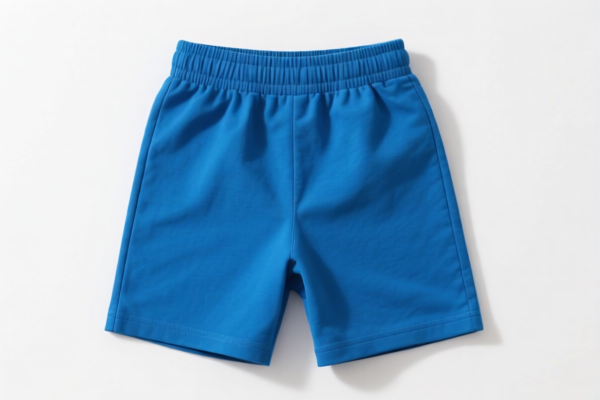
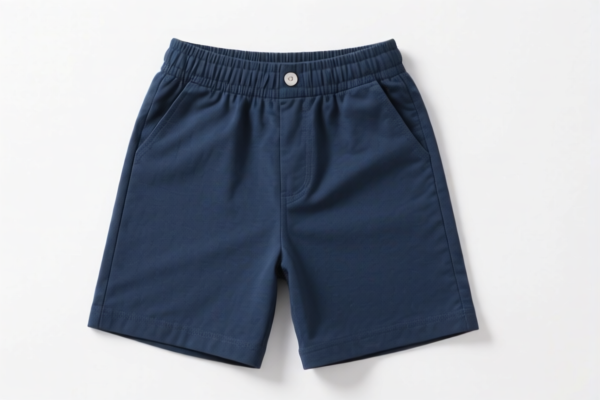
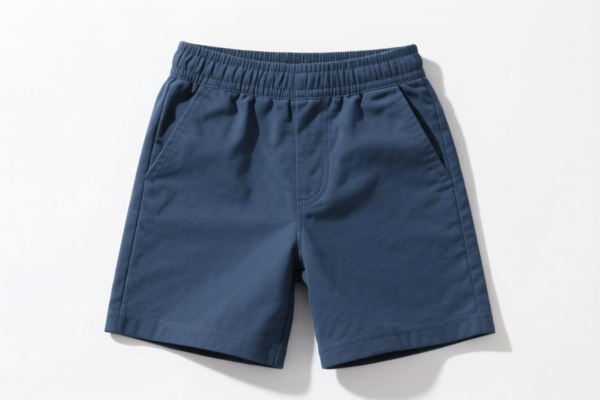
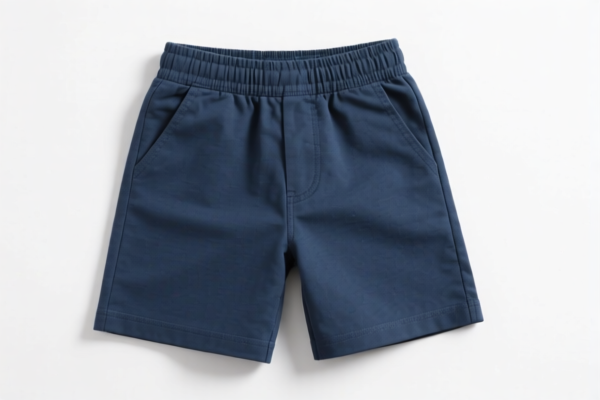
AI Analysis
👕 Boy's Solid Color Shirt (Kids' Apparel)
🌐 HS Code Reference & Clearance Guide | 2026 Latest Tariff Analysis | Professional Clearance Strategy
📌 I. Product Definition & Classification: Do You Really Understand "Boy's Solid Color Shirt"?
A boy's solid color shirt is a versatile garment for children, typically made of cotton or synthetic fibers. In international trade, classification depends heavily on manufacturing method (knitted vs. woven) and material composition (cotton vs. synthetic fibers). Misclassification can lead to significant tariff differences.
⚠️ Key Distinction Points:
- If the shirt is knitted or crocheted → It falls under Chapter 61.
- If the shirt is woven → It falls under Chapter 62.
- Material matters: Cotton attracts different rates than synthetic fibers (Man-made fibers).
📦 II. HS Code Classification Details (2026 Latest Tariff Authority Comparison)
Based on the provided data, here are the five most likely HS codes and their corresponding tax implications for US imports from China.
| HS Code | Product Description | Material/Structure | Total Tax Rate | Key Tax Components |
|---|---|---|---|---|
6105.10.00.30 |
Knitted/Crocheted Boys' Shirt | Cotton (Pure Color) | 37.2% | Base: 19.7%, Section 301: 7.5%, Section 122: 10% |
6105.20.20.30 |
Knitted/Crocheted Boys' Shirt | Man-made Fibers (Synthetic) | 49.5% | Base: 32.0%, Section 301: 7.5%, Section 122: 10% |
6205.30.20.40 |
Woven Boys' Shirt | Synthetic Fibers (Man-made) | 29.1¢/kg + 25.9% + 17.5% | Base: 29.1¢/kg + 25.9%, Section 301: 7.5%, Section 122: 10% |
6205.20.20.31 |
Woven Boys' Shirt | Cotton | 37.2% | Base: 19.7%, Section 301: 7.5%, Section 122: 10% |
6203.23.00.80 |
Woven Boys' Ensemble | Synthetic/Cotton (Composite) | Variable + 10% | Base: Rate per garment if separate, Section 301: 0%, Section 122: 10% |
🔍 Crucial Warning:
- Knitted (6105) vs. Woven (6205): Check the fabric structure. Knitted fabrics stretch and loop (like T-shirts); woven fabrics have a crisscross pattern (like dress shirts).
- Material Conflicts: Ensure the declared material matches the HS code. For example, declaring a synthetic shirt under a cotton HS code (6205.20) will lead to customs penalties.
💰 III. 2026 Latest Tariff Rate Breakdown (Including Surcharges & Policy Add-ons)
✅ Applicable Country: United States (US)
✅ Origin: China (CN)
✅ Effective Time: Post-2025/2026 Tariff Regime (Includes Section 301 & Section 122)
🎯 1. 6105.10.00.30 —— Knitted Boys' Cotton Shirt
| Item | Content |
|---|---|
| Base Duty Rate | 19.7% |
| Section 301 Surtax | +7.5% |
| Section 122 Surcharge | +10% |
| Total Effective Rate | 37.2% |
| Calculation Basis | CIF Value × 37.2% |
| De Minimis Exemption | ❌ Not Eligible (High duty rate) |
| Legal Basis Path | HTSUS:6105.10 → USITC:6105.10.00.30 |
📌 Explanation:
- This code applies to knitted shirts made of cotton.
- The total tax burden is 37.2%, which is moderate compared to synthetic knitted shirts but still significant due to surcharges.
🎯 2. 6105.20.20.30 —— Knitted Boys' Synthetic Shirt
| Item | Content |
|---|---|
| Base Duty Rate | 32.0% |
| Section 301 Surtax | +7.5% |
| Section 122 Surcharge | +10% |
| Total Effective Rate | 49.5% |
| Calculation Basis | CIF Value × 49.5% |
| De Minimis Exemption | ❌ Not Eligible |
| Legal Basis Path | HTSUS:6105.20 → USITC:6105.20.20.30 |
📌 Warning:
- Highest Tax Bracket for Knitted Items: Synthetic fibers (polyester, nylon, etc.) incur a much higher base rate (32.0%) than cotton (19.7%).
- Total Cost Impact: Nearly 50% of the product value is tax. This drastically reduces profit margins.
🎯 3. 6205.30.20.40 —— Woven Boys' Synthetic Shirt
| Item | Content |
|---|---|
| Base Duty Rate | 29.1¢/kg + 25.9% (Ad Valorem) |
| Section 301 Surtax | +7.5% |
| Section 122 Surcharge | +10% |
| Total Effective Rate | Mixed Rate (Specific + Ad Valorem + Surcharges) |
| Calculation Basis | (Weight × 29.1¢) + (CIF Value × 25.9%) + Surcharges |
| De Minimis Exemption | ❌ Not Eligible |
| Legal Basis Path | HTSUS:6205.30 → USITC:6205.30.20.40 |
📌 Complexity Note:
- This code uses a dual duty structure: a specific duty per kilogram plus an ad valorem percentage.
- Lighter shirts may pay less specific duty, but the percentage and surcharges remain high.
- Ensure weight declarations are accurate to avoid underpayment penalties.
🎯 4. 6205.20.20.31 —— Woven Boys' Cotton Shirt
| Item | Content |
|---|---|
| Base Duty Rate | 19.7% |
| Section 301 Surtax | +7.5% |
| Section 122 Surcharge | +10% |
| Total Effective Rate | 37.2% |
| Calculation Basis | CIF Value × 37.2% |
| De Minimis Exemption | ❌ Not Eligible |
| Legal Basis Path | HTSUS:6205.20 → USITC:6205.20.20.31 |
📌 Key Insight:
- Woven cotton shirts have the same total rate (37.2%) as knitted cotton shirts.
- The base rate is lower (19.7%) because cotton is treated more favorably than synthetics in many trade policies.
🎯 5. 6203.23.00.80 —— Woven Boys' Ensemble (Special Case)
| Item | Content |
|---|---|
| Base Duty Rate | Rate applicable if garments were separate |
| Section 301 Surtax | 0.0% (Specific exemption logic) |
| Section 122 Surcharge | +10% |
| Total Effective Rate | Variable |
| Calculation Basis | Depends on individual garment classification |
| De Minimis Exemption | ❌ Not Eligible |
| Legal Basis Path | HTSUS:6203.23 → USITC:6203.23.00.80 |
📌 Special Note:
- This code is for ensembles (e.g., shirt + shorts sold together).
- Section 301 Surtax is listed as 0.0% in the provided data, which may indicate a specific exemption or classification nuance.
- High Risk: Misclassifying a single shirt as an ensemble can lead to severe penalties. Only use if the product is genuinely a multi-piece set.
🛠️ IV. Customs Clearance Practical Advice (Real-World Pitfall Avoidance)
✅ 1. Preparation Checklist (All Documents Required)
| Document | Required | Notes |
|---|---|---|
| ✅ Product Specification Sheet | ✔️ | Must clearly state material (e.g., "100% Cotton") and construction (Knitted/Woven). |
| ✅ Fabric Swatch/Photo | ✔️ | To prove knitting vs. weaving structure. |
| ✅ Commercial Invoice | ✔️ | Must accurately describe "Boy's Solid Color Shirt" and not use vague terms like "Apparel". |
| ✅ Packing List | ✔️ | Include total weight (critical for 6205.30 specific duty). |
| ✅ Certificate of Origin | ✔️ | To confirm Chinese origin for surcharge calculation. |
✅ 2. Declaration Tips (Key Mnemonics)
🔥 “Knit is 61, Woven is 62; Cotton is 19, Synth is 32!”
| Scenario | Correct Declaration | Wrong Action |
|---|---|---|
| T-shirt style (Stretchy) | 6105.10.00.30 (Cotton) or 6105.20.20.30 (Synthetic) |
Declare as Woven → 37.2% or 49.5% (Higher base) |
| Dress Shirt style (Crunchy) | 6205.20.20.31 (Cotton) or 6205.30.20.40 (Synthetic) |
Declare as Knitted → Incorrect structure classification |
| Mixed Material | Determine primary material by weight | Ambiguous declaration → Audit delay |
| Set with Shorts | 6203.23.00.80 (if truly an ensemble) |
Declare as two separate items → Higher total tax |
✅ 3. Special Situation Handling
| Situation | Handling Advice |
|---|---|
| Polyester-Cotton Blend | Classify by the heavier material. If >50% cotton, use Cotton code; otherwise, Synthetic. |
| Lightweight Shirt (<200g) | For 6205.30, weight matters. Ensure accurate kg declaration to calculate specific duty correctly. |
| Embroidered/Printed | If the embroidery/print defines the product, ensure it doesn't trigger a different chapter (e.g., accessories). |
| OEM Custom Orders | Provide design drawings to prove "solid color" and structure. |
🌍 V. Global Market Clearance Comparison (2026 Latest)
| Country/Region | Recommended HS Code | Base Duty | Surcharges (China) | Total Estimate | Notes |
|---|---|---|---|---|---|
| 🇺🇸 USA | 6105.10.00.30 (Cotton) |
19.7% | +7.5% (301) +10% (122) | 37.2% | High compliance need |
| 🇺🇸 USA | 6105.20.20.30 (Synth) |
32.0% | +7.5% (301) +10% (122) | 49.5% | Avoid if possible |
| 🇨🇳 China | 6105.10.00.30 |
9.0% | None | ~9% | No Section 301/122 |
| 🇪🇺 EU | 6109.10.00.10 |
12% | None | ~12% | Different HS structure |
| 🇬🇧 UK | 6109.10.00.10 |
12% | None | ~12% | Post-Brexit rules |
📌 Conclusion:
- USA is the most expensive market due to Section 301 and Section 122 surcharges.
- Synthetic knitted shirts are the most taxed (49.5%).
- Cotton shirts (Knitted/Woven) offer a better rate (37.2%).
📌 VI. Common Mistakes & Pitfall Guide (Blood Lessons)
❌ Mistake 1: Confusing Knitted (6105) with Woven (6205)
👉 Consequence: Customs rejects declaration, delays shipment, or reclassifies with penalties.
👉 Fix: Check fabric stretch. Knitted = stretchy; Woven = rigid.
❌ Mistake 2: Declaring Synthetic as Cotton
👉 Consequence: Base rate drops from 32% to 19.7%, but underpayment penalty + interest applies.
👉 Fix: Provide material composition test reports.
❌ Mistake 3: Ignoring Section 122 Surcharges
👉 Consequence: Budget miscalculation. 10% surcharge is automatic for many apparel items.
👉 Fix: Include 10% in all cost models.
❌ Mistake 4: Misclassifying Ensembles
👉 Consequence: If a shirt+shorts set is declared as two shirts, it may be allowed, but if declared as one item under wrong code, it’s a violation.
👉 Fix: Use 6203.23.00.80 only for true ensembles.
✅ Correct Practice:
“Boy’s 100% Cotton Knitted Solid Color T-Shirt, Model XYZ, Importer of Record: [Name], HS: 6105.10.00.30”
🎯 VII. Conclusion: Professional Declaration, Save Time and Money!
🎯 Remember the Mnemonic:
🔹 “Knit 61, Woven 62; Cotton 19, Synth 32; Surcharges add 17.5%!”
🔹 “Material dictates base, Structure dictates chapter, Surcharges dictate pain!”
📌 Pro Tip:
If your shirts are made in Vietnam, Bangladesh, or India, you may avoid Section 301 (7.5%) and Section 122 (10%) surcharges, significantly lowering costs.
Always verify material composition and fabric structure before filing.
📣 Immediate Action:
📞 Contact a professional customs broker + Provide fabric swatch + Verify HS Code pre-ruling
🚀 Ensure your shirts clear customs smoothly, avoid delays, and maximize profits!
✨ Professional clearance starts with accurate classification!
💼 Every cent of tax is worth precise calculation!
Customer Reviews
About HS Code Classification
The Harmonized System (HS) is an internationally standardized nomenclature developed by the World Customs Organization (WCO) to classify traded products. Over 200 countries use the HS system as the basis for customs tariffs, trade statistics, and import/export regulations.
Each HS code follows a hierarchical structure:
- Chapter (2 digits) — Broad category of goods (e.g., Chapter 84: Machinery and Mechanical Appliances)
- Heading (4 digits) — More specific grouping within the chapter
- Subheading (6 digits) — Internationally standardized breakdown, used by all WCO member countries
- National subdivisions (8-10 digits) — Country-specific extensions for further classification, such as US HTSUS 10-digit codes
Correct HS code classification is essential for smooth customs clearance, accurate duty payment, and compliance with trade regulations. Misclassification can lead to customs delays, overpayment of duties, or penalties.
When importing from CN to US, the applicable tariff rates may include:
- Most-Favored-Nation (MFN) rate — The standard duty rate applied to WTO members
- General rate — Applied to countries without trade agreements
- Trade remedy duties — Additional tariffs such as Section 301 (anti-dumping), Section 232 (national security), or countervailing duties
The information provided on this page is for reference purposes only. For official classification, please consult with your local customs authority or a licensed customs broker.