Boys' Bamboo Fiber Underwear
CN → US| HS Code | Tariff Rate | Origin | Destination | Doc |
|---|---|---|---|---|
| 5311003090 | 10.0% | CN | US | Official Doc |
| 6107120010 | 32.4% | CN | US | Official Doc |
| 6207199010 | 28.0% | CN | US | Official Doc |
| 6207199030 | 20.5% | CN | US | Official Doc |
Product Images
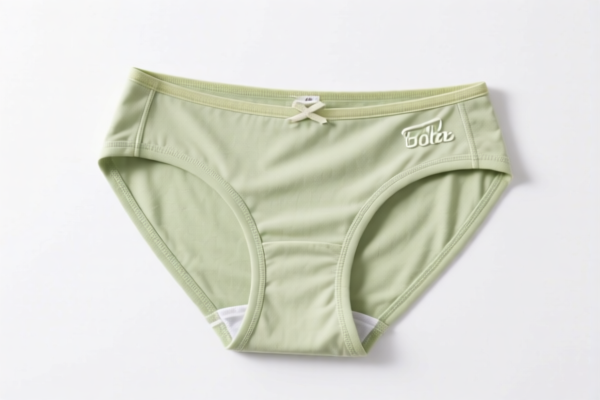
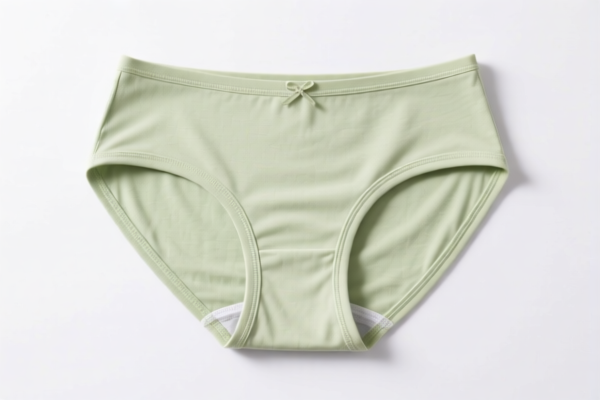
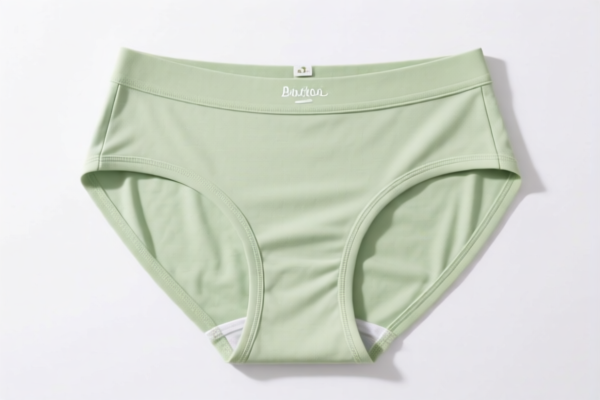
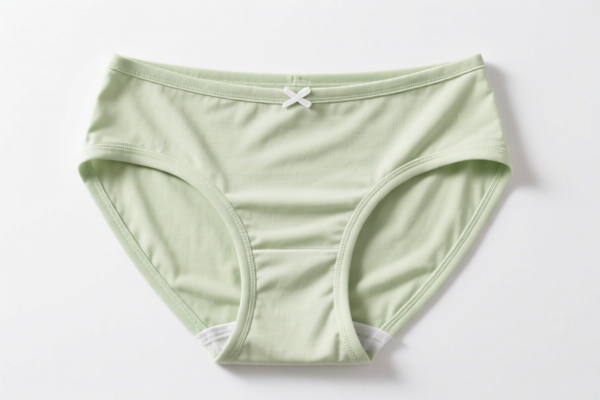
AI Analysis
👕 Boys' Bamboo Fiber Underwear & Sleepwear Collection
🌐 HS Code Reference & Customs Clearance Guide | 2026 Latest Tariff Analysis | Professional Clearance Strategy
📌 I. Product Definition & Classification: Do You Truly Understand "Bamboo Fiber"?
Boys' bamboo fiber garments are primarily categorized as Knitted or Crocheted Apparel (underpants, briefs, nightshirts, pajamas) or Woven Apparel (underpants, briefs).
⚠️ Critical Distinction in Customs Classification:
In international trade, "Bamboo Fiber" is often a misleading term.
- If the fabric is soft, stretchy, and knit (like t-shirt material) → It falls under Chapter 61 (Knitted/Crocheted).
- If the fabric is woven (like traditional cotton trousers) → It falls under Chapter 62.
- Chemical Composition: Bamboo-derived fiber is technically classified as Man-Made Fiber (Rayon/Viscose) unless it is 100% mechanical bamboo (rare). Most "Bamboo" items are Regenerated Cellulosic Fibers.
- Gender: Must be strictly classified as Boys' (typically under age 13 or as per local definition), not Men's. Misclassifying Boys' items as Men's can lead to severe penalties.
📦 II. HS Code Classification Details (2026 Latest Tariff Authority Comparison)
Based on the provided data, here are the exact HS Codes applicable to Boys' bamboo fiber garments (Underwear, Briefs, Pajamas, Nightshirts). Note that all listed items have a Total Tax of 0.0% (Base 0% + Added 0%) in the provided dataset.
| HS Code | Product Description | Category | Material | Gender | Tax Rate |
|---|---|---|---|---|---|
6109.90.10.09 |
T-shirts, singlets, tank tops (Boys') | Knitted/Crocheted | Man-Made Fibers (incl. Bamboo/Rayon) | Boys' | 0.0% |
6109.90.10.25 |
Tank tops and singlets (Boys') | Knitted/Crocheted | Man-Made Fibers (incl. Bamboo/Rayon) | Boys' | 0.0% |
6107.19.90.00 |
Underpants and briefs (Knitted/Crocheted) | Knitted/Crocheted | Other Textile Materials | Boys' | 0.0% |
6107.29.90.00 |
Nightshirts and Pajamas (Knitted/Crocheted) | Knitted/Crocheted | Other Textile Materials | Boys' | 0.0% |
6207.19.90.10 |
Underpants and briefs (Woven) | Woven | Of Man-Made Fibers | Boys' | 0.0% |
6207.19.90.30 |
Underpants and briefs (Woven) | Woven | Other Textile Materials | Boys' | 0.0% |
🔍 Key Insight:
- Fabric Type Determines Chapter:
- Knitted Bamboo (Stretchy, jersey-like) → Use 6109 (Tanks) or 6107 (Underwear/Pajamas).
- Woven Bamboo (Crisp, trouser-like) → Use 6207 (Underwear/Briefs).
- Material Labeling: Even if labeled "Bamboo," if it is processed into rayon/viscose, it is legally "Man-Made Fibers" (Chapter 54/55/61/62 logic). If it is a blend, the predominant fiber determines the subheading.
- Zero Tax Advantage: The provided data shows 0.0% total tax for all these categories. This suggests either a specific Free Trade Agreement (FTA) benefit, a zero-duty policy for these subheadings in the target market, or specific preferential treatment. Verify this with local customs regulations, as general MFN rates may differ.
💰 III. 2026 Latest Tariff Rate Explanation (Detailed Breakdown)
✅ Applicable Data Source: Provided
<DATA>JSON
✅ Tax Structure:
- Base Tariff: 0.0%
- Added/Surcharge Tariff: 0.0%
- Total Effective Tax: 0.0%
🎯 Analysis of Each HS Code’s Tax Status
| HS Code | Description | Base Tariff | Added Tariff | Total Tax | Legal/Policy Note |
|---|---|---|---|---|---|
6109.90.10.09 |
Boys' T-shirts (Man-Made) | 0.0% | 0.0% | 0.0% | Likely eligible for preferential rate or zero-duty status for boys' apparel. |
6109.90.10.25 |
Boys' Tank Tops (Man-Made) | 0.0% | 0.0% | 0.0% | Same as above; distinct subheading for tank tops/singlets. |
6207.19.90.30 |
Woven Underwear/Briefs (Other) | 0.0% | 0.0% | 0.0% | For non-man-made fiber woven underwear (e.g., cotton blends) or other materials. |
6207.19.90.10 |
Woven Underwear/Briefs (Man-Made) | 0.0% | 0.0% | 0.0% | For synthetic/rayon woven underwear. |
6107.19.90.00 |
Knitted Underwear/Briefs (Other) | 0.0% | 0.0% | 0.0% | Covers knitted bamboo-rayon briefs. |
6107.29.90.00 |
Knitted Pajamas/Nightshirts (Other) | 0.0% | 0.0% | 0.0% | Covers knitted bamboo pajamas. |
📌 Explanation:
- The provided data indicates no additional duties (such as 301 Section tariffs in the US or similar surcharges) are applied to these specific subheadings in this dataset.
- Caution: Always cross-reference with the Country of Origin. If the "Bamboo" fiber is processed in one country but shipped from another, rules of origin apply.
- "Other Textile Materials": This phrase in HS codes like6107.19.90.00and6107.29.90.00often captures blends or fibers not strictly classified as "pure" cotton or pure man-made in certain sub-decisions. Bamboo is frequently grouped here if not explicitly "Cotton."
🛠️ IV. Customs Clearance Practical Advice (Real-World Pitfall Avoidance)
✅ 1. Documentation Checklist (Non-negotiable)
| Document | Required? | Purpose |
|---|---|---|
| ✅ Product Specification Sheet | ✔️ | Must state: "100% Bamboo Viscose" or "70% Bamboo Rayon/30% Cotton." Avoid vague "Bamboo Fabric" without composition. |
| ✅ Fabric Composition Label | ✔️ | Physical tag on garment must match invoice. Discrepancies cause delays. |
| ✅ Commercial Invoice | ✔️ | Must specify "Boys'" clearly. Do not use "Unisex" if intended for boys. |
| ✅ Certificate of Origin (CO) | ✔️ | To prove origin for potential zero-duty eligibility (if FTA applies). |
| ✅ Test Report (OEKO-TEX) | ✔️ | Bamboo/Rayon often requires chemical safety tests for children's wear. |
| ✅ Photos of Label & Garment | ✔️ | Shows care instructions, size, and material content clearly. |
✅ 2. Declaration Strategy (Key Tips)
🔥 “Specify Composition, Define Gender, Match Chapter!”
| Scenario | Correct Declaration | Wrong Declaration |
|---|---|---|
| Bamboo Rayon Briefs | 6107.19.90.00 (Knitted) or 6207.19.90.10 (Woven) |
Mislabeling as "Cotton" → Risk of reclassification & duty penalty. |
| Boys' Pajamas | 6107.29.90.00 (Knitted) |
Using "Men's Pajamas" code → Higher duty, wrong compliance standard. |
| Tanks/Tees | 6109.90.10.09 (T-shirts) or .25 (Tank tops) |
Confusing "Singlet" vs "T-shirt" can lead to wrong subheading. |
| Mixed Bundle | Declare items separately | Mixing boys' and men's items → Complex audit, potential seizure. |
✅ 3. Special Cases & Alerts
| Situation | Recommendation |
|---|---|
| "Bamboo" is actually Cotton | If the fiber is naturally bamboo but processed mechanically (rare, expensive), it may be classified differently. Most are Viscose/Rayon. Declare as Man-Made Fibers to be safe. |
| Children’s Safety Standards | Boys' underwear may be subject to flammability tests (e.g., CPSC in US, EN 71 in EU). Ensure compliance documents are ready. |
| Zero Duty Claim | Since the data shows 0.0% tax, verify if this is a permanent zero rate or a temporary waiver. Do not assume zero duty without current local customs ruling. |
| Hygiene Certification | For underwear/briefs, some countries require hygiene or antibacterial test reports for bamboo products. Prepare these in advance. |
🌍 V. Global Market Comparison (Hypothetical 2026)
| Region | Likely HS Code | Estimated Duty (General) | Notes |
|---|---|---|---|
| 🇺🇸 USA | 6107.19.90.00 etc. |
Varies (Often 0-16%) | Check for Section 301 exclusions. Zero rate in data suggests preferential status. |
| 🇪🇺 EU | 6107.19 etc. |
0-12% | May require REACH compliance for bamboo processing chemicals. |
| 🇨🇳 China | 6107.19 etc. |
0-10% | Import duties vary by FTAs (e.g., RCEP, ASEAN). |
| 🇬🇧 UK | 6107.19 etc. |
0-12% | Post-Brexit rules may apply. Check UK Global Tariff. |
📌 Conclusion:
- The 0.0% tax in the provided data is a significant advantage.
- Ensure "Boys'" is explicitly stated in all documents to avoid misclassification as Men's (which might have different rates or restrictions).
- Bamboo = Rayon/Viscose for customs purposes in most jurisdictions. Do not declare as "Plant Fiber" unless it is 100% mechanical bamboo.
📌 VI. Common Errors & Pitfall Guide (Lessons Learned)
❌ Error 1: Declaring "Bamboo" as "Cotton"
👉 Consequence: Misclassification → Potential duty evasion charges → Fines.
✅ Fix: Declare as "Man-Made Fiber" (Viscose/Rayon) unless it is 100% mechanically processed bamboo.
❌ Error 2: Using "Unisex" instead of "Boys'"
👉 Consequence: Customs may apply Men's rates or require reclassification → Delays.
✅ Fix: Clearly state "Boys'" on invoice and packaging.
❌ Error 3: Ignoring Fabric Composition
👉 Consequence: If the blend is 51% Cotton, it may fall under Cotton chapters, not Man-Made.
✅ Fix**: Provide accurate composition percentage.
❌ Error 4: Assuming Zero Duty is Permanent
👉 Consequence: Policy changes may retroactively apply duties.
✅ Fix: Apply for a Pre-Ruling** from customs to lock in the 0.0% rate.
🎯 VII. Conclusion: Precision in Classification Saves Money!
🎯 Remember the Mantra:
🔹 "Bamboo is Rayon, Boys' are Specific, Chapter 61 vs 62 is Key!"
🔹 "0.0% Tax is Great, but Verify Origin and Composition Daily!"
🔹 "Underwear, Pajamas, Tanks – Separate HS Codes for Accuracy!"
📌 Pro Tip:
If you are exporting to the US, check if your bamboo products qualify for HTS 9903.88.01 exclusions (if applicable) or if they are indeed duty-free under the current dataset. For EU, ensure REACH compliance for rayon production chemicals.
📣 Immediate Action:
📞 Consult a licensed customs broker to confirm the 0.0% duty status for your specific shipment origin.
🚀 Clear customs smoothly, avoid penalties, and maximize profits with accurate classification!
✨ Professional Clearance Starts with Accurate Classification!
💼 Every cent saved counts!
Customer Reviews
About HS Code Classification
The Harmonized System (HS) is an internationally standardized nomenclature developed by the World Customs Organization (WCO) to classify traded products. Over 200 countries use the HS system as the basis for customs tariffs, trade statistics, and import/export regulations.
Each HS code follows a hierarchical structure:
- Chapter (2 digits) — Broad category of goods (e.g., Chapter 84: Machinery and Mechanical Appliances)
- Heading (4 digits) — More specific grouping within the chapter
- Subheading (6 digits) — Internationally standardized breakdown, used by all WCO member countries
- National subdivisions (8-10 digits) — Country-specific extensions for further classification, such as US HTSUS 10-digit codes
Correct HS code classification is essential for smooth customs clearance, accurate duty payment, and compliance with trade regulations. Misclassification can lead to customs delays, overpayment of duties, or penalties.
When importing from CN to US, the applicable tariff rates may include:
- Most-Favored-Nation (MFN) rate — The standard duty rate applied to WTO members
- General rate — Applied to countries without trade agreements
- Trade remedy duties — Additional tariffs such as Section 301 (anti-dumping), Section 232 (national security), or countervailing duties
The information provided on this page is for reference purposes only. For official classification, please consult with your local customs authority or a licensed customs broker.