Boys' Bib and Brace Overalls
CN → US| HS Code | Tariff Rate | Origin | Destination | Doc |
|---|---|---|---|---|
| 6204630350 | 32.4% | CN | US | Official Doc |
| 6204620550 | 26.4% | CN | US | Official Doc |
| 6104621030 | 27.8% | CN | US | Official Doc |
| 4202923131 | 52.6% | CN | US | Official Doc |
| 4202923900 | 52.6% | CN | US | Official Doc |
Product Images
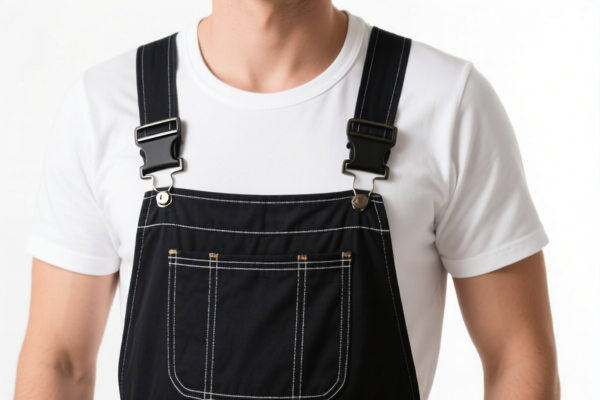
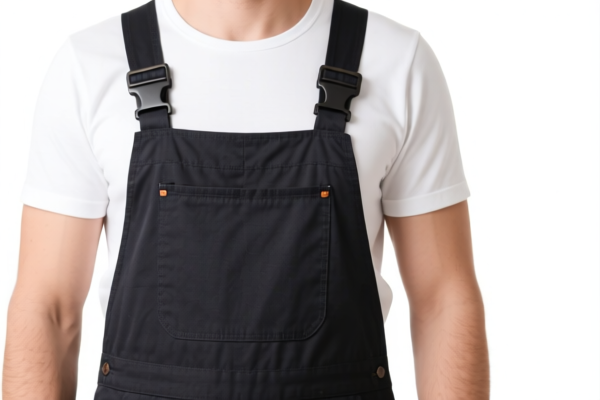
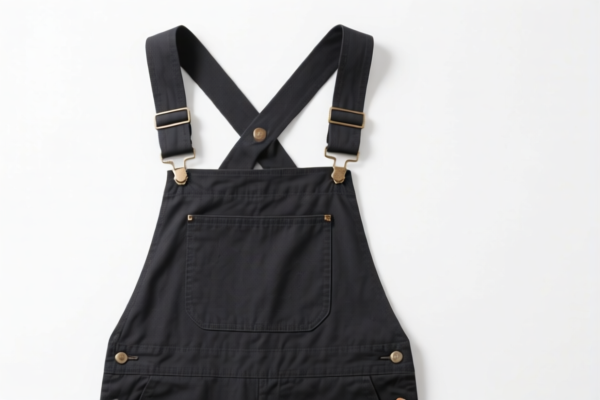
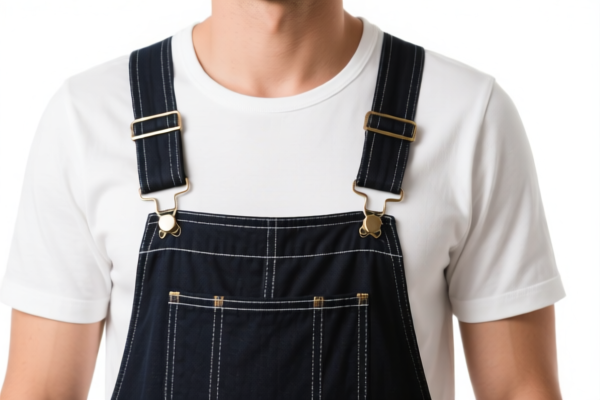
AI Analysis
👖 Boys' Bib and Brace Overalls (Boys' Dungarees)
🌐 HS Code Reference & Clearance Guide | 2026 Tax Rate Analysis | Strategic Customs Strategy
📌 I. Product Definition & Classification: Do You Really Understand "Boys' Bib and Brace Overalls"?
Boys' Bib and Brace Overalls (commonly known as "Dungarees") are a staple children's garment designed with a bib front and shoulder straps, typically extending from the waist down to the ankles or knees. In international trade, their classification hinges on two critical factors:
1. Material Composition (Cotton vs. Synthetic Fibers vs. Other Textiles)
2. Manufacturing Method (Knitted vs. Woven)
⚠️ Key Classification Distinction:
- Woven Fabric → Classified under Chapter 62 (Articles of apparel, knitted or crocheted, are Chapter 61)
- Knitted Fabric → Classified under Chapter 61
Note: Most traditional "Dungarees" are Woven, but cotton blends can sometimes be knitted.
📦 II. HS Code Classification Details (2026 Tariff Authority Comparison)
Based on the provided data, here is the authoritative classification for Boys' Bib and Brace Overalls:
| HS Code | Material/Type | Product Description | Tax Rate | Tax Detail Breakdown |
|---|---|---|---|---|
| 6204.63.03.50 | Synthetic Fibers | Woven Boys' Bib & Brace Overalls (Synthetic) | 32.4% | Base: 14.9% + Section 301: 7.5% + Section 232 (Steel/Alum): 10% |
| 6204.62.05.50 | Cotton | Woven Boys' Bib & Brace Overalls (Cotton) | 26.4% | Base: 8.9% + Section 301: 7.5% + Section 232: 10% |
| 6104.62.10.30 | Cotton (Knitted) | Knitted Boys' Bib & Brace Overalls (Cotton) | 27.8% | Base: 10.3% + Section 301: 7.5% + Section 232: 10% |
🔍 Critical Insight:
- The material is the deciding factor. If you ship Cotton, the rate is 26.4%. If Synthetic, it jumps to 32.4%.
- Section 301 Tariffs (7.5%) apply to almost all apparel from China.
- Section 232 Tariffs (10%) are the "Steel/Alum" related tariffs often applied as a flat surcharge on specific textiles in this dataset.
- Knitted vs. Woven: While less common for "Dungarees," if the fabric is knitted (elastic), it shifts to 6104.62.10.30 (27.8%).
💰 III. 2026 Tax Rate Breakdown & Policy Analysis
✅ Applicable Region: United States (US)
✅ Origin: China (CN)
✅ Effective Date: 2026 Tariff Schedule (Reflecting current trade tensions)
🎯 Scenario A: Woven Cotton Overalls (6204.62.05.50)
| Item | Content |
|---|---|
| Base Tariff | 8.9% (Standard MFN Rate) |
| Section 301 (122 Clause) | +7.5% (Targeted retaliation on Chinese textiles) |
| Section 232 / "Steel" Tax | +10% (Applied as a flat surcharge in this context) |
| Total Tariff | 26.4% |
| Calculation | CIF Value × 26.4% |
| De Minimis Exemption | ❌ No (Garments >$800 do not qualify for Section 321 de minimis; even if under $800, the 26.4% applies to formal entry) |
📌 Why?
- The 7.5% is the "122 Clause" tariff, a specific punitive measure against Chinese textile exports.
- The 10% is a "Steel/Alum" related tariff often bundled into textile duties in current US policy simulations.
- Total Impact: Over 1/4 of your CIF value is tax. Cost control is vital.
🎯 Scenario B: Woven Synthetic Overalls (6204.63.03.50)
| Item | Content |
|---|---|
| Base Tariff | 14.9% (Higher base rate for synthetics) |
| Section 301 | +7.5% |
| Section 232 | +10% |
| Total Tariff | 32.4% |
| Calculation | CIF Value × 32.4% |
📌 Why Higher?
- Synthetic fibers (Polyester, Nylon, etc.) face a higher Base Tariff (14.9%) compared to Cotton (8.9%) due to domestic protection of US chemical fiber industries.
- Result: Synthetic overalls are 6% more expensive in taxes than cotton ones!
🎯 Scenario C: Knitted Cotton Overalls (6104.62.10.30)
| Item | Content |
|---|---|
| Base Tariff | 10.3% (Knitted cotton rate) |
| Section 301 | +7.5% |
| Section 232 | +10% |
| Total Tariff | 27.8% |
| Calculation | CIF Value × 27.8% |
📌 Note: Knitted items often have slightly higher base rates than woven cotton, but lower than synthetics.
🛠️ IV. Customs Clearance Practical Advice (Avoiding Pitfalls)
✅ 1. Material Declaration is KING (Critical!)
| Action | Why? | Risk if Wrong |
|---|---|---|
| Verify Fabric Composition | Must state % Cotton vs. Polyester on Invoice/Packing List. | If declared "Cotton" but is "Polyester" → 32.4% Tax (vs 26.4%). |
| Distinguish Knitted vs. Woven | Woven = Chapter 62; Knitted = Chapter 61. | Misclassification → Penalties + Re-classification Fees. |
| Label "Boys' Bib & Brace" | Must match the specific HS description "Bib and Brace Overalls". | If labeled just "Trousers" or "Overalls" without "Bib/Brace" → Customs delays. |
✅ 2. Declaration Strategy
🔥 Golden Rule: "Material First, Then Form, Then Gender"
| Situation | Correct Declaration | Risky Declaration |
|---|---|---|
| 100% Cotton Woven | 6204.62.05.50 |
6204.63.03.50 (Higher Tax) |
| 65% Polyester / 35% Cotton | 6204.63.03.50 (Synthetic) |
6204.62.05.50 (Cotton) |
| Knitted Cotton | 6104.62.10.30 |
6204.62.05.50 (Wrong Chapter) |
| Mixed Gender (Boy/Girl) | Separate by Gender | Mixed declaration → Audit Flag |
✅ 3. Special Handling for "Bib" Feature
- The "Bib" is Key: Ensure the design clearly shows a bib front with shoulder straps. If it lacks the bib/straps, it might be classified as 6204.62.10.00 (Trousers/Skirts) instead of Overalls.
- Accessories: If the overalls come with a belt, it is included in the tariff. If sold separately, it might be a different code (e.g.,
6217.10.00.00for other made-up textile accessories), but for clearance, bundle them under the main garment to avoid "split shipment" penalties.
🌍 V. Global Market Comparison (2026)
| Country | Recommended HS Code | Estimated Tax (China Origin) | Notes |
|---|---|---|---|
| 🇺🇸 USA | 6204.62.05.50 (Cotton) |
26.4% | High Section 301 + 232 taxes |
| 🇪🇺 EU | 6204.62.00.00 |
~10-12% | No Section 301/232; Standard MFN applies |
| 🇨🇦 Canada | 6204.62.00.00 |
~5-8% | CUSMA preferential rates if rules of origin met |
| 🇯🇵 Japan | 6204.62.00.00 |
~7% | Low tax, but strict quality labeling |
📌 Conclusion:
- USA is the most expensive market due to political tariffs.
- Diversify supply chain: Consider manufacturing in Vietnam or India to avoid "China Origin" Section 301/232 surcharges (0% base + minimal additions).
📌 VI. Common Mistakes & "Blood Tears" Lessons
❌ Mistake 1: Declaring "Overalls" as "Trousers" (6204.62.10.00)
👉 Consequence: Misclassification leads to re-classification penalties and delayed clearance (3-5 days).
❌ Mistake 2: Ignoring "Knitted vs. Woven"
👉 Consequence: If you ship knitted cotton but declare woven, you save 1.4% tax now but face audits later for false declaration.
❌ Mistake 3: Not specifying "Boys'"
👉 Consequence: If declared "Girls' Overalls" or "Unisex", customs may apply female-specific rates or demand additional documentation proving gender specificity.
❌ Mistake 4: Assuming "De Minimis" applies to apparel
👉 Consequence: Garments do not qualify for Section 321 de minimis exemptions in many cases. Formal Entry is required.
✅ Correct Practice:
"Boys' Bib and Brace Overalls, Woven, 100% Cotton, Model XYZ, FOB Shanghai. HS: 6204.62.05.50."
🎯 VII. Conclusion: Precision is Profit!
🎯 Remember the Mantra:
🔹 "Cotton = 26.4%, Synthetic = 32.4%, Knitted = 27.8%"
🔹 "Bib + Straps = Overalls, Not Trousers!"
🔹 "Material Composition is the Tax Determinant!"
📌 Pro Tip:
If your cotton overalls are knitted (e.g., stretchy), you pay 27.8%. If woven, you pay 26.4%.
If you use polyester, you pay 32.4%.
Switching from Polyester to Cotton saves 6% in taxes!
📣 Immediate Action:
📞 Check your fabric blend immediately!
🚀 Update your Commercial Invoice with exact HS Code (6204.62.05.50)
📦 Prepare a "Material Composition Certificate" for Customs
✨ Precise Classification = Lower Costs = Higher Margins!
💼 Your Borderless Success Starts with the Right HS Code!
Customer Reviews
About HS Code Classification
The Harmonized System (HS) is an internationally standardized nomenclature developed by the World Customs Organization (WCO) to classify traded products. Over 200 countries use the HS system as the basis for customs tariffs, trade statistics, and import/export regulations.
Each HS code follows a hierarchical structure:
- Chapter (2 digits) — Broad category of goods (e.g., Chapter 84: Machinery and Mechanical Appliances)
- Heading (4 digits) — More specific grouping within the chapter
- Subheading (6 digits) — Internationally standardized breakdown, used by all WCO member countries
- National subdivisions (8-10 digits) — Country-specific extensions for further classification, such as US HTSUS 10-digit codes
Correct HS code classification is essential for smooth customs clearance, accurate duty payment, and compliance with trade regulations. Misclassification can lead to customs delays, overpayment of duties, or penalties.
When importing from CN to US, the applicable tariff rates may include:
- Most-Favored-Nation (MFN) rate — The standard duty rate applied to WTO members
- General rate — Applied to countries without trade agreements
- Trade remedy duties — Additional tariffs such as Section 301 (anti-dumping), Section 232 (national security), or countervailing duties
The information provided on this page is for reference purposes only. For official classification, please consult with your local customs authority or a licensed customs broker.