Boys' Blended Fiber Casual Wear
CN → US| HS Code | Tariff Rate | Origin | Destination | Doc |
|---|---|---|---|---|
| 6114303060 | 32.4% | CN | US | Official Doc |
| 6107991090 | 24.9% | CN | US | Official Doc |
| 6207997520 | 24.9% | CN | US | Official Doc |
| 6207999010 | 17.1% | CN | US | Official Doc |
| 6114909070 | 15.6% | CN | US | Official Doc |
Product Images
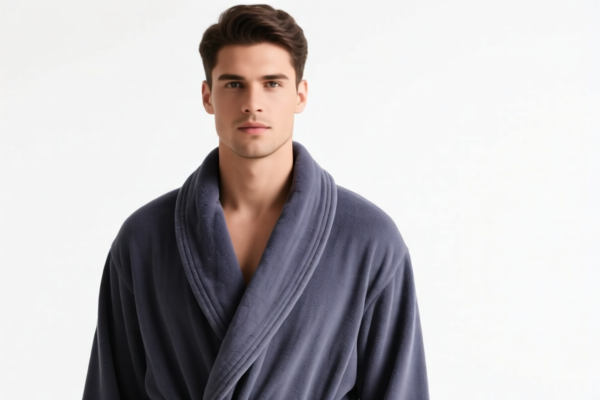
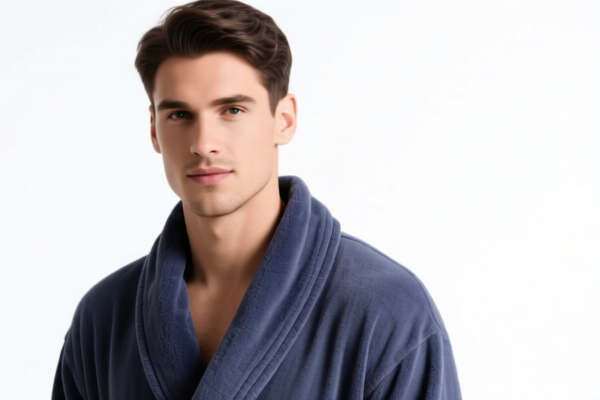
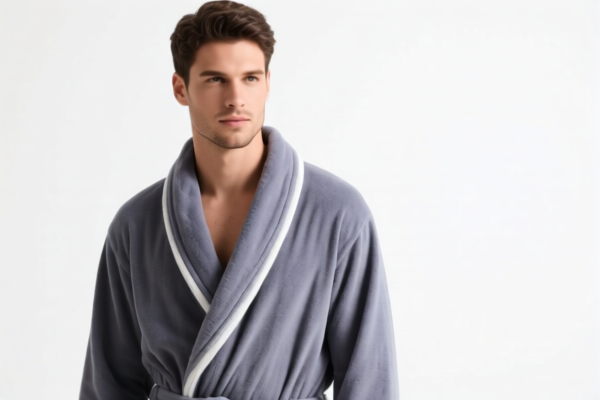
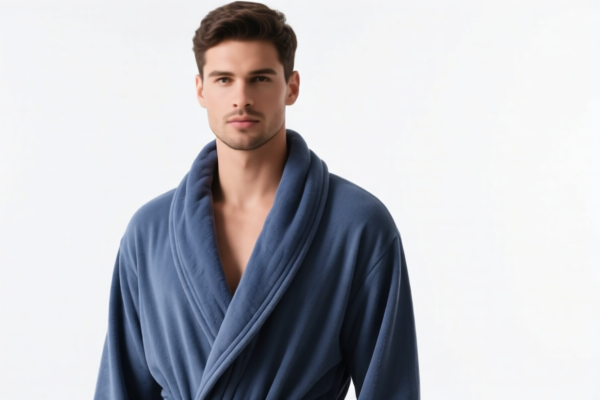
AI Analysis
👕 Boys' Blended Fiber Casual Wear (Bathrobes)
🌐 HS Code Reference & Clearance Guide | 2026 Latest Tariff Analysis | Professional Clearance Strategy
📌 I. Product Definition & Classification: What is "Blended Fiber Casual Wear"?
Boys' Blended Fiber Casual Wear, specifically identified in this dataset as Bathrobes, falls under the category of children's apparel made from mixed textile materials (natural + synthetic/man-made fibers). In international trade, the classification hinges on three critical factors:
1. Knitted vs. Woven: Is the fabric knitted (looped structure) or woven (interlaced structure)?
2. Material Composition: Is it primarily man-made fibers, natural fibers, or a mix?
3. Specific Usage: Is it clearly defined as a "bathrobe" or a generic garment?
⚠️ Key Distinction Point:
- Knitted/ Crocheted items generally fall under Chapter 61.
- Woven items generally fall under Chapter 62.
- Misclassification Risk: Reporting a knitted bathrobe as woven (or vice versa) can lead to duty hikes of 10-20% due to incorrect base tariffs.
📦 II. HS Code Classification Details (Latest 2026 Tariff Data)
Based on the provided data, here are the five potential HS Code classifications for Boys' Blended Fiber Bathrobes, along with their specific tax implications:
| HS Code | Product Description Summary | Fabric Type | Key Characteristics |
|---|---|---|---|
6114.30.30.60 |
Boys' Blended Fiber Bathrobe | Knitted/Blended | Fits "Other Knitted Apparel" category; High additional duties. |
6107.99.10.90 |
Boys' Blended Fiber Bathrobe | Other Textile Materials | Knitted; Specific use as bathrobe; Material classified as "other." |
6207.99.75.20 |
Boys' Blended Fiber Bathrobe | Man-Made Fibers | Woven; Defined as bathrobe made from artificial fibers. |
6207.99.90.10 |
Boys' Blended Fiber Bathrobe | Children's/Woven | Woven; Children's garment; Other textile materials; Bathrobe use. |
6114.90.90.70 |
Boys' Blended Fiber Bathrobe | Knitted/Other | Knitted; "Other knitted apparel" catch-all category; Lowest base duty. |
🔍 Critical Note:
- Chapter 61 (Knitted) vs. Chapter 62 (Woven) is the primary divider.
-6114.30.30.60and6114.90.90.70are Knitted.
-6207.99.75.20and6207.99.90.10are Woven.
- Always verify the fabric construction (Knit vs. Woven) before declaring!
💰 III. 2026 Tariff Rate Breakdown (Including Additional Duties)
✅ Applicable Market: United States (US)
✅ Origin: China (CN)
✅ Effective Date: Current tariffs include Section 301 and Section 232 implications.
🎯 1. 6114.30.30.60 —— Knitted/Blended Boys' Bathrobe
Category: Other Knitted Apparel
| Item | Detail |
|---|---|
| Base Duty | 14.9% |
| Section 301 Additional Duty | 7.5% |
| Section 232 / 122 Clause Duty | 10.0% |
| Total Tax Rate | 32.4% |
| Tax Calculation | CIF Value × 32.4% |
| De Minimis Exemption | ❌ Not Applicable |
| Legal Basis | High tariff burden due to "Blended" classification triggering multiple surcharges. |
📌 Explanation:
This classification carries the highest total tax rate (32.4%) due to the combination of base tariff, Section 301 (7.5%), and Section 122/232 clauses (10%). It applies to knitted blended garments where the "blended" nature triggers higher scrutiny.
🎯 2. 6107.99.10.90 —— Knitted Bathrobe (Other Textile Materials)
Category: Knitted Apparel, Specific Use
| Item | Detail |
|---|---|
| Base Duty | 14.9% |
| Section 301 Additional Duty | 0.0% |
| Section 232 / 122 Clause Duty | 10.0% |
| Total Tax Rate | 24.9% |
| Tax Calculation | CIF Value × 24.9% |
| De Minimis Exemption | ❌ Not Applicable |
| Legal Basis | Lower total duty because Section 301 (7.5%) does not apply to this specific subheading. |
📌 Explanation:
A 7.5% savings compared to6114.30.30.60. This applies to knitted bathrobes classified under "other textile materials" where Section 301 tariffs are exempted, but the 10% clause remains.
🎯 3. 6207.99.75.20 —— Woven Bathrobe (Man-Made Fibers)
Category: Woven Children's Apparel
| Item | Detail |
|---|---|
| Base Duty | 14.9% |
| Section 301 Additional Duty | 0.0% |
| Section 232 / 122 Clause Duty | 10.0% |
| Total Tax Rate | 24.9% |
| Tax Calculation | CIF Value × 24.9% |
| De Minimis Exemption | ❌ Not Applicable |
| Legal Basis | Same rate as 6107.99.10.90 but applies to Woven garments made of man-made fibers. |
📌 Explanation:
Identical tax structure to6107.99.10.90. The key difference is the woven construction. Ensure your fabric is indeed woven (interlaced threads) to use this code.
🎯 4. 6207.99.90.10 —— Woven Children's Bathrobe (Other Textile)
Category: Children's Woven Apparel
| Item | Detail |
|---|---|
| Base Duty | 7.1% |
| Section 301 Additional Duty | 0.0% |
| Section 232 / 122 Clause Duty | 10.0% |
| Total Tax Rate | 17.1% |
| Tax Calculation | CIF Value × 17.1% |
| De Minimis Exemption | ❌ Not Applicable |
| Legal Basis | Lowest total rate among woven options due to a lower base duty (7.1%). |
📌 Explanation:
This is the most cost-effective option for Woven bathrobes. The base duty is significantly lower (7.1% vs 14.9%), saving 7.8% in total taxes compared to the other woven code.
🎯 5. 6114.90.90.70 —— Knitted Boys' Bathrobe (Other Knitted Apparel)
Category: Knitted Apparel, Catch-All
| Item | Detail |
|---|---|
| Base Duty | 5.6% |
| Section 301 Additional Duty | 0.0% |
| Section 232 / 122 Clause Duty | 10.0% |
| Total Tax Rate | 15.6% |
| Tax Calculation | CIF Value × 15.6% |
| De Minimis Exemption | ❌ Not Applicable |
| Legal Basis | Lowest total rate overall. Uses a "catch-all" for knitted items with minimal base duty. |
📌 Explanation:
The most economical classification overall (15.6%). This applies to knitted bathrobes that do not fit more specific subheadings. It has the lowest base duty (5.6%) and no Section 301 surcharge.
🛠️ IV. Clearance Practical Advice (Avoiding Pitfalls)
✅ 1. Documentation Checklist (Essential)
| Document | Mandatory? | Description |
|---|---|---|
| ✅ Product Specification Sheet | ✔️ | Must specify: Knitted vs. Woven, Material % (e.g., 80% Cotton, 20% Poly), Age Group (Boys). |
| ✅ Fabric Swatch / Photo | ✔️ | Crucial for customs to verify Knit vs. Woven structure. |
| ✅ Commercial Invoice | ✔️ | Clearly state "Boys' Bathrobe, Blended Fiber, Knitted/Woven." |
| ✅ Packing List | ✔️ | List quantity, weight, and dimensions per carton. |
| ✅ HS Code Pre-Ruling (Optional) | ✔️ | Recommended if unsure between 6114 vs 6207. |
✅ 2. Declaration Strategy (Key Tips)
🔥 "Knit or Weave? Check the Tag! Blended Fibers Need Clear Specs!"
| Scenario | Correct HS Code | Avoid If... |
|---|---|---|
| Knitted Bathrobe | 6114.90.90.70 (Best Rate) or 6107.99.10.90 |
Don't declare as Woven (6207) → Risk of misdeclaration penalty. |
| Woven Bathrobe | 6207.99.90.10 (Best Rate) or 6207.99.75.20 |
Don't declare as Knitted (6114) → Incorrect chapter. |
| Blended Fabric | Specify % of Natural vs. Synthetic | Vague terms like "Mixed" lead to higher base duties (e.g., 14.9%). |
| Children's Item | Mention "Boys' Age Range" in description | Not strictly required for HS, but helps clarify "Child's" classification under 6207.99. |
✅ 3. Special Handling Notes
| Situation | Recommendation |
|---|---|
| High-Value Shipments | Apply for Section 301 Exclusions if applicable (check USTR list). |
| Section 122 Clauses | Be aware that the 10% duty is consistent across all codes in this dataset. It is unavoidable unless origin changes. |
| Material Composition | If the blend is >85% Man-Made, consider 6207.99.75.20. If mixed equally, 6114 or 6207 "Other" codes are safer. |
| Customs Inquiry | If asked for "Structure," provide a close-up photo showing loops (Knit) vs. grid (Woven). |
🌍 V. Global Market Comparison (2026)
| Market | Recommended HS Code | Estimated Total Duty (China Origin) | Notes |
|---|---|---|---|
| 🇺🇸 USA | 6114.90.90.70 (Knit) or 6207.99.90.10 (Woven) |
15.6% - 17.1% | Includes 10% clause. Section 301 may apply depending on specific code. |
| 🇨🇳 China | 6114.90.90.70 or 6207.99.90.10 |
7% - 15% | No Section 301 or Section 232. Lower base duties. |
| 🇪🇺 EU | 6114.90.90.70 or 6207.99.90.10 |
12% - 16% | No Section 301/232. Standard MFN rates apply. |
| 🇬🇧 UK | 6114.90.90.70 or 6207.99.90.10 |
12% - 16% | Post-Brexit tariffs similar to EU. |
📌 Conclusion:
- USA has the most complex tariff structure due to Section 301 and Section 122/232 clauses.
- Optimal Strategy: Use6114.90.90.70for Knitted (15.6%) or6207.99.90.10for Woven (17.1%) to minimize duty in the US market.
- Avoid6114.30.30.60(32.4%) unless necessary, as it incurs the highest total tax.
📌 VI. Common Errors & Pitfalls (Lessons Learned)
❌ Error 1: Declaring a Knitted bathrobe as Woven (6207)
👉 Consequence: Customs may reclassify, impose back duties + penalties, and delay shipment.
👉 Fix: Provide fabric sample photos clearly showing knitted loops.
❌ Error 2: Using vague terms like "Mixed Fabric" without % breakdown
👉 Consequence: Customs may apply the highest base duty (14.9%) and trigger additional scrutiny.
👉 Fix: Specify "80% Cotton, 20% Polyester Blended."
❌ Error 3: Ignoring the 10% Section 122/232 Clause
👉 Consequence: Underestimating total landed cost by 10%.
👉 Fix: Factor in the 10% additional duty in all price calculations.
❌ Error 4: Not distinguishing between Children's and Adult sizes
👉 Consequence: Misclassification under adult apparel codes, leading to incorrect duties.
👉 Fix: Clearly label as "Boys' Bathrobe" in the commercial invoice.
🎯 VII. Conclusion: Smart Classification, Cost Savings!
🎯 Key Takeaway:
🔹 "Knit vs. Weave is King!"
🔹 "Use6114.90.90.70for Knitted (15.6%) or6207.99.90.10for Woven (17.1%) to save money."
🔹 "Avoid6114.30.30.60(32.4%) unless absolutely necessary."📌 Pro Tip:
Always verify the fabric construction (Knit/Woven) and material composition (Blended %). The 10% Section 122/232 clause is unavoidable for China-origin goods, but you can optimize the base duty by choosing the right HS Code.
📣 Action Steps:
📞 Contact Customs Broker: Provide fabric swatch + product photos.
📝 Update Invoice: Specify "Knitted/Woven," "Blended Fiber," and "Boys' Bathrobe."
💡 Calculate Landed Cost: Include 15.6% - 32.4% total duty depending on HS Code.
✨ Professional Clearance Starts with Accurate Classification!
💼 Save 10-20% in duties by choosing the right HS Code!
Customer Reviews
About HS Code Classification
The Harmonized System (HS) is an internationally standardized nomenclature developed by the World Customs Organization (WCO) to classify traded products. Over 200 countries use the HS system as the basis for customs tariffs, trade statistics, and import/export regulations.
Each HS code follows a hierarchical structure:
- Chapter (2 digits) — Broad category of goods (e.g., Chapter 84: Machinery and Mechanical Appliances)
- Heading (4 digits) — More specific grouping within the chapter
- Subheading (6 digits) — Internationally standardized breakdown, used by all WCO member countries
- National subdivisions (8-10 digits) — Country-specific extensions for further classification, such as US HTSUS 10-digit codes
Correct HS code classification is essential for smooth customs clearance, accurate duty payment, and compliance with trade regulations. Misclassification can lead to customs delays, overpayment of duties, or penalties.
When importing from CN to US, the applicable tariff rates may include:
- Most-Favored-Nation (MFN) rate — The standard duty rate applied to WTO members
- General rate — Applied to countries without trade agreements
- Trade remedy duties — Additional tariffs such as Section 301 (anti-dumping), Section 232 (national security), or countervailing duties
The information provided on this page is for reference purposes only. For official classification, please consult with your local customs authority or a licensed customs broker.