Boys' Blended Fiber Loungewear
CN → US| HS Code | Tariff Rate | Origin | Destination | Doc |
|---|---|---|---|---|
| 6207999040 | 17.1% | CN | US | Official Doc |
| 6207998520 | 28.0% | CN | US | Official Doc |
| 6107991030 | 24.9% | CN | US | Official Doc |
Product Images
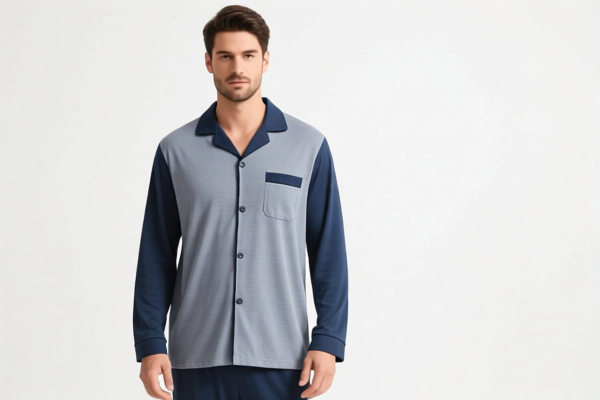
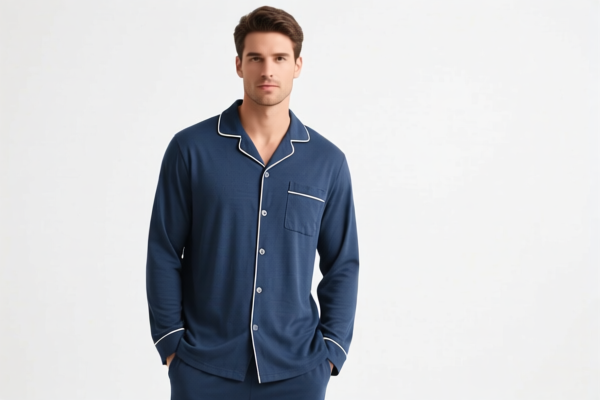
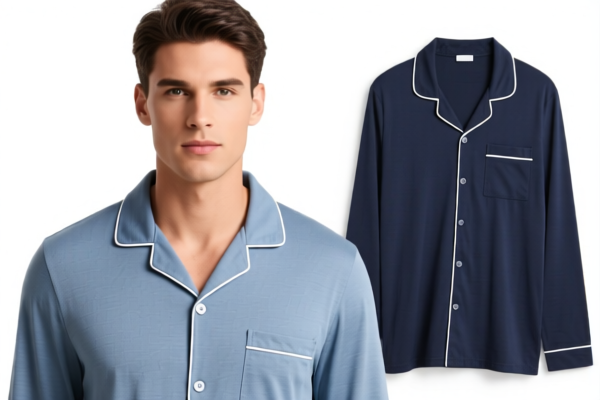
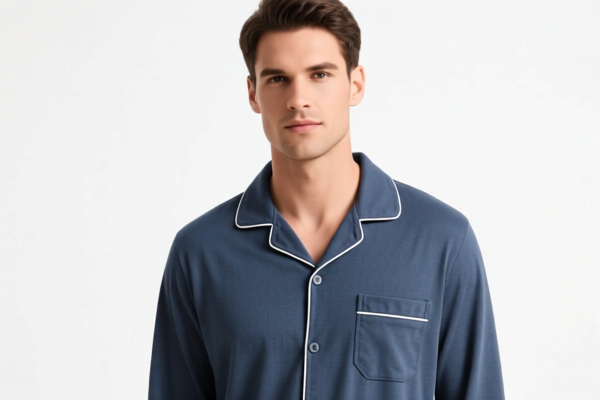
AI Analysis
👕 Boys' Blended Fiber Loungewear (Men's Mixed Fiber Loungewear)
🌐 HS Code Reference & Clearance Guide | 2026 Latest Tariff Analysis | Professional Customs Strategy
📌 I. Product Definition & Classification: Do You Really Understand "Loungewear"?
Boys' Blended Fiber Loungewear refers to comfortable home-wear garments for male children, including tank tops, pajamas, and similar items. In international trade, classification hinges on two critical factors: 1. Material Composition: Whether it is knitted (Chapter 61) or woven (Chapter 62). 2. Specific Category: Whether it fits under specific subheadings for "underwear," "pajamas," or "other garments."
⚠️ Key Distinction Point:
- If the garment is knitted (e.g., sweatpants-style lounge sets, knitted pajama tops) → Look to Chapter 61 (6107...).
- If the garment is woven (e.g., flannel shirts, woven loungewear, non-knit tank tops) → Look to Chapter 62 (6207...).
- "Blended Fiber" implies a mix of synthetic and natural fibers, but unless specified otherwise, it generally falls under "Other Textile Materials" for tariff calculations.
📦 II. HS Code Classification Details (Based on Provided Data)
The following classifications are derived strictly from the provided <DATA> set. Please note that the specific HS Codes chosen depend on whether the item is woven or knitted and the specific sub-category used by the customs authority.
| HS Code | Product Description | Applicable Scenario | Total Tax Rate | Tax Breakdown |
|---|---|---|---|---|
6207.99.85.20 |
Boys' Blended Fiber Loungewear (Woven) | Vests, Pajamas, and Similar Articles | 28.0% | Base: 10.5% Section 301: 7.5% Section 122: 10% |
6207.99.90.40 |
Boys' Blended Fiber Loungewear (Woven) | Other Categories (Reasonable Match) | 17.1% | Base: 7.1% Section 301: 0.0% Section 122: 10% |
6107.99.10.30 |
Men's/Boys' Blended Fiber Loungewear (Knitted) | Other Textile Materials, Knitted/Weave Category | 24.9% | Base: 14.9% Section 301: 0.0% Section 122: 10% |
🔍 Important Note:
- All three HS codes assume Origin: China (CN) to the USA (US), as indicated by the presence of "Section 122" and high Section 301 taxes in the source data. - Section 122 Tariff (10%): This is a recurring surcharge applied to textile/apparel imports from China, regardless of the base HS code. - Section 301 Tariff: Varies by specific subheading. For6207.99.85.20, it is 7.5%; for others in the list, it is 0%.
💰 III. 2026 Latest Tariff Rate Details (Including Surtaxes)
✅ Applicable Country: United States (US)
✅ Origin: China (CN)
✅ Effective Time: Current rates apply (Post-2024 trade policy)
🎯 1. 6207.99.85.20 —— Woven Loungewear (Vests/Pajamas Category)
| Item | Content |
|---|---|
| Base Duty | 10.5% |
| Section 301 Surcharge | +7.5% |
| Section 122 Surcharge | +10% |
| Total Tariff Rate | 28.0% |
| Tax Calculation | CIF Value × 28.0% |
| De Minimis Eligibility | ❌ No (Textiles generally excluded from Section 321 de minimis benefits for certain high-tariff categories, or value exceeds threshold) |
| Legal Basis Path | USITC:6207.99.85.20 → SECTION301:7.5% → SECTION122:10% |
📌 Explanation:
- This code captures woven loungewear items like vests or pajamas. - The 7.5% Section 301 tax is significant here compared to other codes. - Total liability is 28%, which is moderately high but manageable if volume is high.
🎯 2. 6207.99.90.40 —— Woven Loungewear (Other Category)
| Item | Content |
|---|---|
| Base Duty | 7.1% |
| Section 301 Surcharge | +0.0% |
| Section 122 Surcharge | +10% |
| Total Tariff Rate | 17.1% |
| Tax Calculation | CIF Value × 17.1% |
| De Minimis Eligibility | ❌ No |
| Legal Basis Path | USITC:6207.99.90.40 → SECTION122:10% |
📌 Key Advantage:
- This is the most cost-effective option among the woven choices provided. - Why? It avoids the Section 301 tax (0%), saving 7.5% compared to6207.99.85.20. - Use this code if the garment does not strictly fit "Vests/Pajamas" but falls under "Other" men's/boys' woven garments.
🎯 3. 6107.99.10.30 —— Knitted Loungewear
| Item | Content |
|---|---|
| Base Duty | 14.9% |
| Section 301 Surcharge | +0.0% |
| Section 122 Surcharge | +10% |
| Total Tariff Rate | 24.9% |
| Tax Calculation | CIF Value × 24.9% |
| De Minimis Eligibility | ❌ No |
| Legal Basis Path | USITC:6107.99.10.30 → SECTION122:10% |
📌 Key Distinction:
- This code applies only if the garment is Knitted (e.g., jersey fabric, sweatshirt material). - Although the base duty (14.9%) is higher than the best woven option (6207.99.90.40at 7.1%), it avoids Section 301. - Total rate is 24.9%, which is cheaper than6207.99.85.20(28.0%) but more expensive than6207.99.90.40(17.1%).
🛠️ IV. Customs Clearance Practical Advice (Avoid Pitfalls)
✅ 1. Preparation Checklist (Mandatory)
| Document | Required | Description |
|---|---|---|
| ✅ Fabric Composition Label | ✔️ | Must clearly state % of cotton, polyester, nylon, etc. (e.g., "60% Cotton, 40% Polyester") |
| ✅ Construction Type | ✔️ | Explicitly state "Knitted" or "Woven" in description. This is the biggest source of misclassification. |
| ✅ Product Photos | ✔️ | Front, back, and close-up of fabric texture and stitching |
| ✅ Commercial Invoice | ✔️ | Must include: "Boys' Blended Fiber Loungewear," HS Code, Country of Origin (China), CIF Value |
| ✅ Packaging List | ✔️ | Detail quantity per carton, total gross weight, net weight |
| ✅ Brand Authorization | ✔️ | If branded, provide letter from owner to avoid IP detention |
✅ 2. Declaration Tips (Key Mantras)
🔥 "Knit vs. Weave Determines Chapter, Base Duty + 122 is Fixed, 301 Varies by Code!"
| Scenario | Correct HS Code | Incorrect Code | Consequence |
|---|---|---|---|
| Woven Loungewear (e.g., flannel) | 6207.99.90.40 (17.1%) or 6207.99.85.20 (28.0%) |
6107... (Knitted) |
Misclassification penalty + Back taxes |
| Knitted Loungewear (e.g., jersey) | 6107.99.10.30 (24.9%) |
6207... (Woven) |
Wrong chapter, potential detention |
| Vest/Pajama specific woven item | 6207.99.85.20 |
6207.99.90.40 |
Higher tax (28% vs 17.1%) unless justified |
| Generic woven loungewear | 6207.99.90.40 |
6207.99.85.20 |
Save 10.9% in taxes! |
✅ 3. Special Case Handling
| Situation | Handling Advice |
|---|---|
| Mixed Materials | If blended >50% synthetic, ensure "Textile" classification. If mixed with leather/rubber, may shift chapter. |
| Sample vs. Bulk | Samples < $800 may qualify for de minimis, but textiles are often scrutinized. Declare accurately. |
| Brand Name | If unbranded, use "Generic Boys' Loungewear." If branded, ensure no IP conflicts in US. |
| Section 122 Applicability | Always applies to China-origin textiles. Do not attempt to exclude it unless using a bonded warehouse or FTZ. |
🌍 V. Global Market Comparison (2026 Latest)
| Country/Region | Recommended HS Code | Tariff (China Origin) | Certification | Notes |
|---|---|---|---|---|
| 🇺🇸 USA | 6207.99.90.40 |
17.1% | N/A (Generally) | Best rate for woven. Avoid 6207.99.85.20 if possible. |
| 🇨🇳 China | 6207.99.90.40 |
7.1% (Export Duty?) | N/A | Domestic trade or re-export. |
| 🇪🇺 EU | 6207.99.90 |
12% (General) | CE (if safety gear) | No Section 301 or 122. But higher base duty. |
| 🇬🇧 UK | 6207.99.90 |
12% | N/A | Post-Brexit tariffs similar to EU. |
| 🇦🇺 Australia | 6207.99.90 |
5% | N/A | Favorable rate, no Section 301/122. |
📌 Conclusion:
- USA is the most complex market due to Section 301 and Section 122. - Optimize for6207.99.90.40if woven, to save 10.9% vs.6207.99.85.20. - If knitted,6107.99.10.30is the only option in the dataset, costing 24.9%.
📌 VI. Common Errors & Pitfalls (Lessons Learned)
❌ Error 1: Confusing Knitted and Woven.
👉 Result: Customs rejects entry, demands reclassification, delays cargo by weeks.
❌ Error 2: Using 6207.99.85.20 for generic woven loungewear.
👉 Result: Paying 28% tax instead of 17.1%. Loss of 10.9% margin!
❌ Error 3: Ignoring Section 122.
👉 Result: Under-declaring taxes, leading to penalties and audits.
❌ Error 4: Incorrect Fiber Content labeling.
👉 Result: FTC violation, fines, and potential confiscation.
✅ Correct Approach:
"Boys' Woven Blended Fiber Loungewear Top, 60% Cotton/40% Polyester, Knitted/Woven: Woven, Origin: China, HS: 6207.99.90.40"
🎯 VII. Conclusion: Professional Declaration, Cost Savings!
🎯 Remember the Mantra:
🔹 "Woven? Try 90.40 (17.1%). Vests/Pajamas? 85.20 (28.0%). Knitted? 10.30 (24.9%)."
🔹 "Section 122 is always 10% for China Textiles. Watch Section 301!"
📌 Pro Tip:
If your product is not from China, Section 301 and Section 122 do NOT apply. Check origin certificates carefully!
For China-origin goods, pre-classify with a customs broker to confirm if 6207.99.90.40 is acceptable for your specific style to save 10.9% in duties.
📣 Act Now:
📞 Contact a licensed customs broker + Provide fabric swatch + Verify HS Code pre-ruling
🚀 Optimize your supply chain, clear customs fast, save 10.9% in taxes, maximize profit!
✨ Professional Clearance Starts with Accurate Classification!
💼 Every cent of duty matters in the textile business!
Customer Reviews
About HS Code Classification
The Harmonized System (HS) is an internationally standardized nomenclature developed by the World Customs Organization (WCO) to classify traded products. Over 200 countries use the HS system as the basis for customs tariffs, trade statistics, and import/export regulations.
Each HS code follows a hierarchical structure:
- Chapter (2 digits) — Broad category of goods (e.g., Chapter 84: Machinery and Mechanical Appliances)
- Heading (4 digits) — More specific grouping within the chapter
- Subheading (6 digits) — Internationally standardized breakdown, used by all WCO member countries
- National subdivisions (8-10 digits) — Country-specific extensions for further classification, such as US HTSUS 10-digit codes
Correct HS code classification is essential for smooth customs clearance, accurate duty payment, and compliance with trade regulations. Misclassification can lead to customs delays, overpayment of duties, or penalties.
When importing from CN to US, the applicable tariff rates may include:
- Most-Favored-Nation (MFN) rate — The standard duty rate applied to WTO members
- General rate — Applied to countries without trade agreements
- Trade remedy duties — Additional tariffs such as Section 301 (anti-dumping), Section 232 (national security), or countervailing duties
The information provided on this page is for reference purposes only. For official classification, please consult with your local customs authority or a licensed customs broker.