Boys' Blended Fiber Suit
CN → US| HS Code | Tariff Rate | Origin | Destination | Doc |
|---|---|---|---|---|
| 6114303060 | 32.4% | CN | US | Official Doc |
| 6107991090 | 24.9% | CN | US | Official Doc |
| 6207997520 | 24.9% | CN | US | Official Doc |
| 6207999010 | 17.1% | CN | US | Official Doc |
| 6114909070 | 15.6% | CN | US | Official Doc |
Product Images
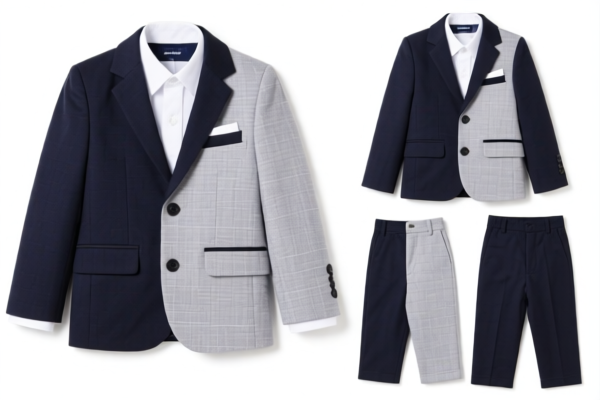
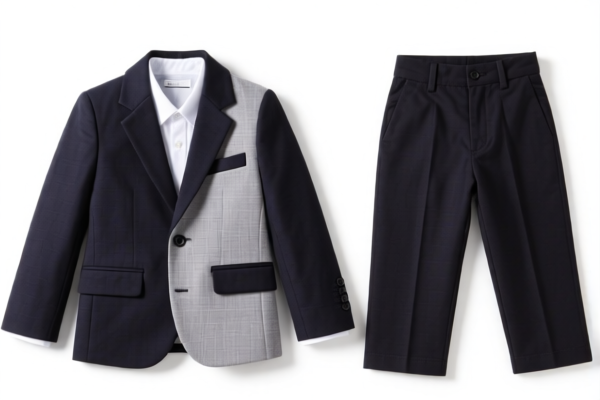
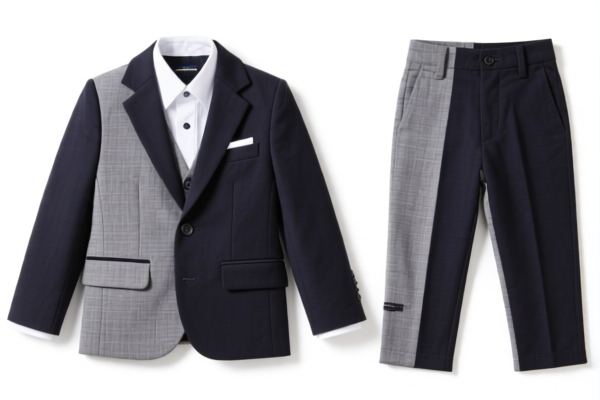
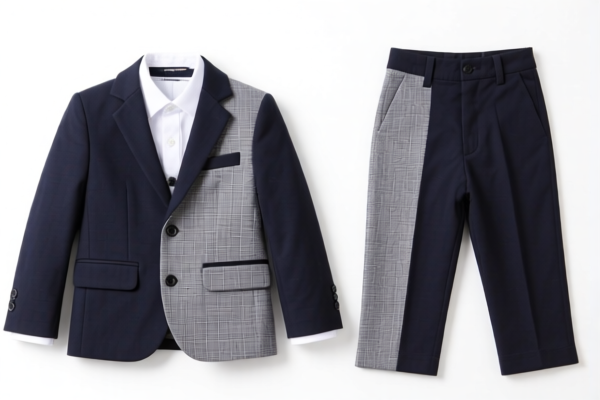
AI Analysis
👕 Boys' Blended Fiber Suit (Bathrobe/Robes)
🌐 HS Code Reference & Customs Clearance Guide | 2026 Latest Tariff Analysis | Professional Entry Strategy
📌 I. Product Definition & Classification: Understanding "Blended Fiber Suits"
In the context of children's apparel, "Boys' Blended Fiber Suit" typically refers to knitted or crocheted bathrobes/robes made from mixed textile materials. The classification depends heavily on the manufacturing process (Knitted vs. Woven) and the material composition.
⚠️ Key Distinction Points:
- Knitted/Crocheted (61 Series): Soft, stretchable fabric, often used for bathrobes. Classified under Heading 61.
- Woven (62 Series): Structured fabric, often used for pajamas or other outerwear. Classified under Heading 62.
- Material: "Blended Fiber" implies a mix of synthetic fibers (e.g., polyester/viscose) and possibly natural fibers. The specific blend ratio can shift the code between subheadings.
📦 II. HS Code Classification Details (2026 Latest Tariff Authority Comparison)
Based on the provided data, here are the 5 valid HS Codes for Boys' Blended Fiber Suits (Bathrobes), along with their specific tax implications.
| HS Code | Product Description & Logic | Total Tax Rate* | Tax Breakdown Details |
|---|---|---|---|
6114.30.30.60 |
Knitted Bathrobe, Mixed Fiber. Fits general "Other Knitted Apparel" classification. | 32.4% | Base: 14.9% + Section 301: 7.5% + Section 122: 10% |
6107.99.10.90 |
Knitted Bathrobe, Other Textile Materials. Explicitly identifies use as "Bathrobe" and material as "Other Synthetic/Man-made Fiber." | 24.9% | Base: 14.9% + Section 301: 0.0% + Section 122: 10% |
6207.99.75.20 |
Woven Robe, Man-made Fiber. Classified under "Other Textile Materials" for boys' garments. | 24.9% | Base: 14.9% + Section 301: 0.0% + Section 122: 10% |
6207.99.90.10 |
Woven Child's Garment, Other Textile Material. Fully matches the "Child's" (Pediatric) usage criteria. | 17.1% | Base: 7.1% + Section 301: 0.0% + Section 122: 10% |
6114.90.90.70 |
Knitted/Crocheted Garment, Other. A "Catch-all" (Floor) classification for other knitted apparel not specified elsewhere. | 15.6% | Base: 5.6% + Section 301: 0.0% + Section 122: 10% |
🔍 Critical Note on Taxes:
- Section 122 Tariff (10%): This is a mandatory surcharge for ALL entries in the dataset provided. It likely refers to specific enforcement measures (e.g., Uyghur Forced Labor Prevention Act - UFLPA related duties or specific recent executive orders).
- Section 301 Tariff (7.5%): Only applies to6114.30.30.60in this dataset. Most other codes show 0.0%, indicating they may have been exempted or classified differently under current 301 exemptions.
- Base Duty: Varies significantly (5.6% to 14.9%) based on the specific textile heading and subheading logic.
💰 III. 2026 Tariff Rate Detailed Explanation (Including Surcharges)
✅ Applicable Country: United States (US)
✅ Origin: China (CN)
✅ Product: Boys' Blended Fiber Bathrobe/Suit
🎯 1. 6114.30.30.60 – Highest Tax Bracket (32.4%)
| Item | Content |
|---|---|
| Base Duty | 14.9% |
| Section 301 Duty | +7.5% |
| Section 122 Surcharge | +10% |
| Total Effective Rate | 32.4% |
| Legal Path | HTSUS:6114.30.30.60 → Section 301: Footnote 9903.88.01 → Section 122: Specific Enforcement |
📌 Explanation:
- This code applies if the garment is Knitted (6114) but does not fit into specific sub-categories like "Sleepwear" or specific material types.
- It is subject to both the standard Section 301 tariff (7.5%) and the Section 122 surcharge.
- Risk: Highest cost. Avoid if a more specific code applies.
🎯 2. 6107.99.10.90 & 6207.99.75.20 – Medium Tax Bracket (24.9%)
| Item | Content |
|---|---|
| Base Duty | 14.9% |
| Section 301 Duty | +0.0% |
| Section 122 Surcharge | +10% |
| Total Effective Rate | 24.9% |
| Legal Path | HTSUS:6107/6207 → Section 122: Specific Enforcement |
📌 Explanation:
- These codes are more specific.
-6107.99.10.90: Specifically identifies the item as a Bathrobe under Knitted men's/boys' nightwear.
-6207.99.75.20: Specifically identifies the item under Woven men's/boys' other articles of apparel, made of man-made fibers.
- Advantage: Exempt from Section 301 (7.5%), saving significant cost. However, they still carry the 10% Section 122 surcharge.
🎯 3. 6207.99.90.10 – Lower Tax Bracket (17.1%)
| Item | Content |
|---|---|
| Base Duty | 7.1% |
| Section 301 Duty | +0.0% |
| Section 122 Surcharge | +10% |
| Total Effective Rate | 17.1% |
| Legal Path | HTSUS:6207.99.90.10 → Section 122: Specific Enforcement |
📌 Explanation:
- This code leverages a lower base duty (7.1%) for "Other" woven garments for children.
- It is explicitly for Child's wear (6207), which sometimes enjoys preferential base rates compared to adult general wear.
- Savings: 7.8% lower than the previous category due to lower base duty.
🎯 4. 6114.90.90.70 – Lowest Tax Bracket (15.6%)
| Item | Content |
|---|---|
| Base Duty | 5.6% |
| Section 301 Duty | +0.0% |
| Section 122 Surcharge | +10% |
| Total Effective Rate | 15.6% |
| Legal Path | HTSUS:6114.90.90.70 → Section 122: Specific Enforcement |
📌 Explanation:
- This is a "Catch-All" (Floor) Classification.
- It uses the lowest base duty (5.6%) for "Other Knitted/Crocheted" apparel.
- Critical Requirement: You must prove the garment does not fit more specific categories (like 6107 or 6114.30). If customs determines it is a bathrobe, they may reclassify it to6107.99.10.90(24.9%), leading to a back-tariff penalty.
- Strategy: Use only if the garment is ambiguous and clearly fits the "Other" description.
🛠️ IV. Customs Clearance Practical Advice (实战避坑指南)
✅ 1. Documentation Checklist (Essential for Clearance)
| Document | Required? | Notes |
|---|---|---|
| ✅ Product Specification Sheet | ✔️ | Must state: "Boys' Bathrobe," Material Blend (e.g., 60% Polyester, 40% Cotton), Knitted/Woven. |
| ✅ Composition Label Photo | ✔️ | Must show fiber content percentages to justify the "Blended" claim. |
| ✅ Commercial Invoice | ✔️ | Clearly state "Bathrobe" or "Robes," NOT just "Suit" (which might imply suits/jackets). |
| ✅ Packing List | ✔️ | Confirm quantity and weight. |
| ✅ UFLPA Compliance Docs | ✔️ | Crucial for Section 122. Provide supply chain transparency to avoid detention. |
⚠️ Warning on "Section 122":
The presence of a 10% surcharge in all codes suggests strict enforcement. Ensure your supply chain is fully transparent. Missing documentation can lead to detention + 10% penalty + potential seizure.
✅ 2. Classification Strategy (Key Decision Matrix)
| Scenario | Recommended HS Code | Total Tax | Why? |
|---|---|---|---|
| Standard Knitted Bathrobe | 6107.99.10.90 |
24.9% | Most accurate for "Bathrobe." Exempt from 301. |
| Woven Robe (Man-made Fiber) | 6207.99.75.20 |
24.9% | Specific for woven child's apparel. Exempt from 301. |
| Ambiguous Knitted Garment | 6114.90.90.70 |
15.6% | Lowest tax, but HIGH RISK. Only use if not clearly a bathrobe. |
| Generic Knitted Apparel | 6114.30.30.60 |
32.4% | Avoid. Highest tax. Only if no other specific code fits. |
| Child's Woven Garment (Generic) | 6207.99.90.10 |
17.1% | Good balance if not specifically a bathrobe. |
🔥 Golden Rule:
"Specify the Use, Save the Money!"
- If it is a Bathrobe, use6107.99.10.90.
- Do NOT use the generic6114.30.30.60unless you are forced to, as it adds 7.5% in Section 301 duties.
✅ 3. Common Pitfalls & Risk Mitigation
| Pitfall | Consequence | Solution |
|---|---|---|
| Mislabeling as "Suit" | Customs may interpret as "Suit" (Jacket/Pants) → Wrong Heading (6103/6203) → Higher Tax/Rejection. | Use "Bathrobe" or "Robe" in description. |
| Ignoring Section 122 | Goods detained at port for 122 compliance checks. Delay + 10% penalty. | Provide full supply chain traceability. |
| Using "Catch-All" Incorrectly | Customs reclassifies 6114.90.90.70 to 6107.99.10.90 → Back-tariff of 9.3% (24.9% - 15.6%) + Interest. |
Only use catch-all if product truly doesn't fit specific categories. |
| Wrong Material Declaration | If "Blended" is wrong, base duty changes. | Ensure label matches invoice and physical sample exactly. |
🌍 V. Global Market Comparison (2026 Snapshot)
| Region | Typical HS Code | Base Duty | Section 122? | Notes |
|---|---|---|---|---|
| 🇺🇸 USA | 6107.99.10.90 / 6114.90.90.70 |
5.6% - 14.9% | YES (+10%) | High total cost due to 122. 301 may apply. |
| 🇨🇳 China | 6107.99.10.90 |
14.9% (Export) | No | Export duties may vary. |
| 🇪🇺 EU | 6107.99.10 |
12% | No | No Section 122 equivalent. |
| 🇨🇦 Canada | 6107.99.10 |
12% | No | MFN rates apply. |
📌 Key Insight:
The 10% Section 122 surcharge is a US-specific risk. All other major markets do not have this exact surcharge.
Strategy: If targeting US, optimize classification to minimize Base Duty + avoid Section 301. If targeting EU/Canada, focus on standard MFN rates.
📌 VI. Final Recommendations
- Prioritize Accuracy: Use
6107.99.10.90for knitted bathrobes. It is the most specific, avoids Section 301, and only incurs the mandatory 10% 122 surcharge. - Avoid
6114.30.30.60: Unless necessary, do not use this code due to the 32.4% total tax rate. - Document Supply Chain: To mitigate Section 122 risks, ensure all fibers are traceable to non-forced labor sources.
- Pre-Ruling Consideration: If unsure between
6114.90.90.70(15.6%) and6107.99.10.90(24.9%), apply for an Advance Ruling from CBP to avoid post-import audits and back-tariffs.
🎯 Remember:
🔹 "Specific is Safe, Generic is Expensive!"
🔹 "Check the 122 Surcharge – It's Always There in the US!"
🔹 "Verify Fiber Content – One Percent Change Can Change the Code!"
📌 Pro Tip:
If your product is 100% Cotton, check for different codes (Cotton has different headings, e.g., 6107.20 or 6207.20), which might have different Section 301 exemptions. Blended fibers are often more heavily scrutinized.
📣 Immediate Action:
📞 Consult a Licensed Customs Broker
📄 Submit Product Photos & Composition Labels
🔍 Apply for CBP Pre-Ruling if volume is high
✨ Professional Customs Clearance Starts with Precise Classification!
💼 Every 1% of Tax Saved is Pure Profit!
Customer Reviews
About HS Code Classification
The Harmonized System (HS) is an internationally standardized nomenclature developed by the World Customs Organization (WCO) to classify traded products. Over 200 countries use the HS system as the basis for customs tariffs, trade statistics, and import/export regulations.
Each HS code follows a hierarchical structure:
- Chapter (2 digits) — Broad category of goods (e.g., Chapter 84: Machinery and Mechanical Appliances)
- Heading (4 digits) — More specific grouping within the chapter
- Subheading (6 digits) — Internationally standardized breakdown, used by all WCO member countries
- National subdivisions (8-10 digits) — Country-specific extensions for further classification, such as US HTSUS 10-digit codes
Correct HS code classification is essential for smooth customs clearance, accurate duty payment, and compliance with trade regulations. Misclassification can lead to customs delays, overpayment of duties, or penalties.
When importing from CN to US, the applicable tariff rates may include:
- Most-Favored-Nation (MFN) rate — The standard duty rate applied to WTO members
- General rate — Applied to countries without trade agreements
- Trade remedy duties — Additional tariffs such as Section 301 (anti-dumping), Section 232 (national security), or countervailing duties
The information provided on this page is for reference purposes only. For official classification, please consult with your local customs authority or a licensed customs broker.