Boys' Briefs
CN → US| HS Code | Tariff Rate | Origin | Destination | Doc |
|---|---|---|---|---|
| 6109100007 | 34.0% | CN | US | Official Doc |
| 6107120020 | 32.4% | CN | US | Official Doc |
| 6207199030 | 20.5% | CN | US | Official Doc |
| 6207110000 | 23.6% | CN | US | Official Doc |
| 6107110020 | 24.9% | CN | US | Official Doc |
Product Images
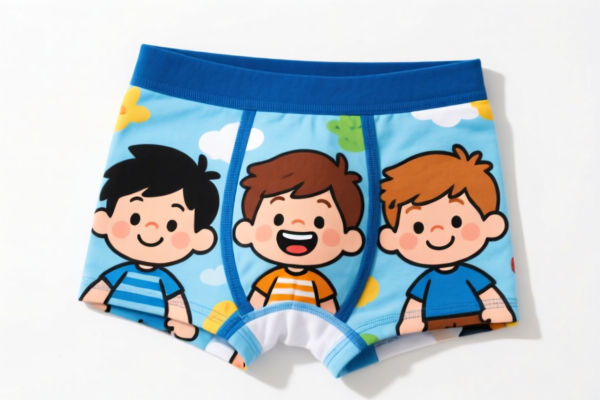
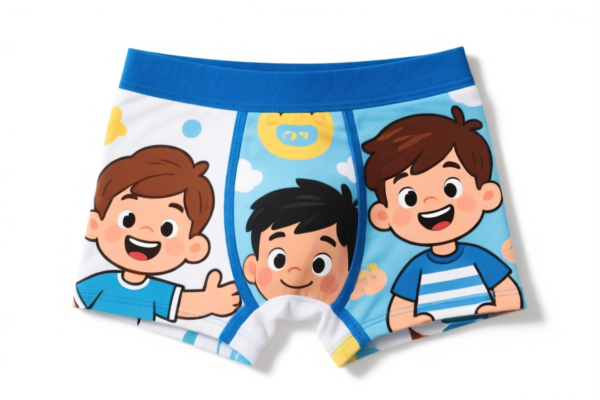
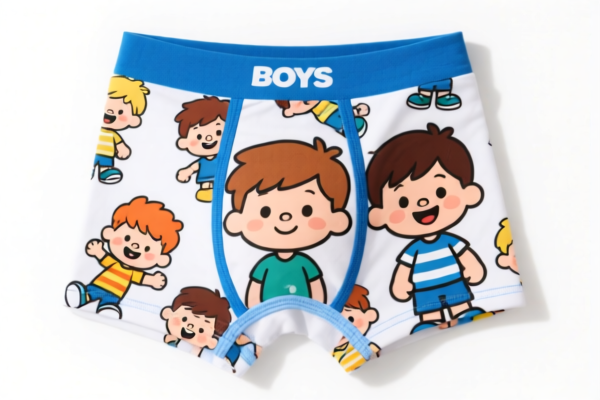
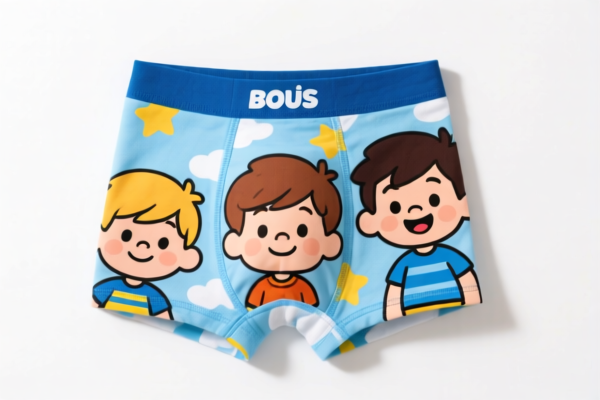
AI Analysis
👦 Boys' Briefs (Underwear)
🌐 HS Code Reference & Customs Clearance Guide | 2026 Latest Tariff Analysis | Professional Clearance Strategy
📌 I. Product Definition & Classification: Are You Classifying "Boys' Briefs" Correctly?
Boys' Briefs are essential children's apparel, specifically designed for young males. In international trade, their classification depends critically on three factors:
1. Knitted vs. Woven Fabric (The most decisive factor);
2. Material Composition (Cotton vs. Synthetic Fibers vs. Other);
3. Specific Form (Briefs vs. Other Underwear).
⚠️ Key Distinction Point:
- Knitted (Trikotiert): Generally falls under Chapter 61. Common for cotton/synthetic blends.
- Woven (Gestickt/Nicht gestrickt): Generally falls under Chapter 62. Common for specific cotton weaves.
- "Other" Category: If not matching specific material descriptions (e.g., wool, fine fishnet), it may fall under residual categories.
📦 II. HS Code Classification Details (2026 Latest Tariff Authority Comparison)
Based on the provided data, here are the 5 potential HS Codes for Boys' Briefs, sorted by Total Tax Rate (Lowest to Highest) for optimal cost planning.
| HS Code | Product Description | Applicability Scenario | Material Inference | Total Tax |
|---|---|---|---|---|
6207.19.90.30 |
Boys' Briefs (Woven, Other Materials) | Woven fabric, non-cotton, non-synthetic fiber dominant (e.g., wool, other textiles) | Cotton or Non-Man-Made Fiber | 20.5% |
6207.11.00.00 |
Boys' Briefs (Woven, Cotton) | Woven fabric, primarily Cotton | Cotton | 23.6% |
6107.11.00.20 |
Boys' Briefs (Knitted, Cotton) | Knitted fabric, primarily Cotton | Cotton | 24.9% |
6107.12.00.20 |
Boys' Briefs (Knitted, Synthetic) | Knitted fabric, primarily Artificial/Synthetic Fibers | Knitted/Synthetic | 32.4% |
6109.10.00.07 |
Boys' Briefs (Knitted, Underwear Form) | Knitted, generic "Underwear" category (often broader or less specific than 6107.1x) | Cotton or Synthetic | 34.0% |
🔍 Key Reminder:
- Chapter 61 (Knitted) vs. Chapter 62 (Woven) is the primary split.
- If you know the fabric is Knitted (T-shirt like feel), look at6107.11or6107.12.
- If the fabric is Woven (Trousers-like feel), look at6207.11or6207.19.
- Material matters: Cotton (6207.11,6107.11) generally has lower base tariffs than synthetic fibers.
💰 III. 2026 Latest Tariff Rate Details (Including Surcharges & Policy Add-ons)
✅ Applicable Country: United States (US)
✅ Origin: China (CN)
✅ Effective Date: Current tariffs apply (See details below)
🎯 1. 6207.19.90.30 —— Boys' Briefs (Woven, Other Materials) – LOWEST TAX
| Item | Content |
|---|---|
| Base Tariff | 10.5% |
| Section 301 Surcharge | 0.0% |
| Section 122 Surcharge | 10.0% |
| Total Tax Rate | 20.5% |
| Tax Calculation | CIF Value × 20.5% |
| De Minimis Eligibility | ❌ No (Must declare fully) |
| Legal Basis Path | Base Tariff 10.5% + Section 122 10% |
📌 Explanation:
- This is the most cost-effective option if the fabric is Woven and NOT primarily cotton or synthetic (e.g., wool blends, other textiles).
- Section 301 is 0%, which is rare for Chinese textiles. Only Section 122 (10%) applies.
- Tip: Verify if your woven fabric fits "Other" material criteria to save ~3-4% vs. cotton options.
🎯 2. 6207.11.00.00 —— Boys' Briefs (Woven, Cotton)
| Item | Content |
|---|---|
| Base Tariff | 6.1% |
| Section 301 Surcharge | 7.5% |
| Section 122 Surcharge | 10.0% |
| Total Tax Rate | 23.6% |
| Tax Calculation | CIF Value × 23.6% |
| De Minimis Eligibility | ❌ No |
| Legal Basis Path | Base Tariff 6.1% + Section 301 7.5% + Section 122 10% |
📌 Note:
- Low base tariff (6.1%) due to cotton preference, but Section 301 (7.5%) adds cost.
- Total is higher than6207.19.90.30because of the 7.5% Section 301 surcharge.
🎯 3. 6107.11.00.20 —— Boys' Briefs (Knitted, Cotton)
| Item | Content |
|---|---|
| Base Tariff | 7.4% |
| Section 301 Surcharge | 7.5% |
| Section 122 Surcharge | 10.0% |
| Total Tax Rate | 24.9% |
| Tax Calculation | CIF Value × 24.9% |
| De Minimis Eligibility | ❌ No |
| Legal Basis Path | Base Tariff 7.4% + Section 301 7.5% + Section 122 10% |
📌 Explanation:
- Standard knitted cotton underwear.
- Higher total than woven cotton (6207.11) due to higher base tariff (7.4% vs 6.1%).
🎯 4. 6107.12.00.20 —— Boys' Briefs (Knitted, Synthetic/Artificial Fiber)
| Item | Content |
|---|---|
| Base Tariff | 14.9% |
| Section 301 Surcharge | 7.5% |
| Section 122 Surcharge | 10.0% |
| Total Tax Rate | 32.4% |
| Tax Calculation | CIF Value × 32.4% |
| De Minimis Eligibility | ❌ No |
| Legal Basis Path | Base Tariff 14.9% + Section 301 7.5% + Section 122 10% |
📌 Warning:
- Synthetic fibers have a much higher base tariff (14.9%).
- Total tax jumps to 32.4%. Only use this if fabric is confirmed synthetic.
🎯 5. 6109.10.00.07 —— Boys' Briefs (Knitted, General Underwear)
| Item | Content |
|---|---|
| Base Tariff | 16.5% |
| Section 301 Surcharge | 7.5% |
| Section 122 Surcharge | 10.0% |
| Total Tax Rate | 34.0% |
| Tax Calculation | CIF Value × 34.0% |
| De Minimis Eligibility | ❌ No |
| Legal Basis Path | Base Tariff 16.5% + Section 301 7.5% + Section 122 10% |
📌 Caution:
- This is a residual/broader category ("Innerwear" form, generic material).
- It has the highest total tax (34.0%). Avoid this unless your product doesn't fit specific6107.11or6107.12descriptions.
🛠️ IV. Customs Clearance Practical Advice (Avoid Pitfalls)
✅ 1. Preparation Checklist (All Required)
| Document | Required | Notes |
|---|---|---|
| ✅ Product Specification Sheet | ✔️ | Must state: Knitted/Woven, Material % (Cotton/Synthetic), Gender (Boys), Style (Briefs) |
| ✅ Fabric Swatch/Composition Label | ✔️ | Crucial for distinguishing Chapter 61 vs. 62 and Base Tariff |
| ✅ Product Photos | ✔️ | Clear images of front, back, and label |
| ✅ Commercial Invoice | ✔️ | Must accurately describe: "Boys' Knitted/Woven Cotton Briefs" |
| ✅ Packing List | ✔️ | Detail weights and dimensions |
| ✅ Origin Certificate | ✔️ | Confirm China origin to apply correct Section 301/122 rates |
✅ 2. Declaration Tips (Key Mantra)
🔥 “Knit is Ch61, Woven is Ch62. Cotton is cheaper, Synthetic is dearer. Section 122 is always 10% for China!”
| Scenario | Correct HS Code | Risk |
|---|---|---|
| Knitted, Cotton | 6107.11.00.20 |
Low Base (7.4%) |
| Woven, Cotton | 6207.11.00.00 |
Lowest Base (6.1%) |
| Knitted, Synthetic | 6107.12.00.20 |
High Base (14.9%) |
| Woven, Other/Mix | 6207.19.90.30 |
Lowest Total Tax (20.5%) if eligible |
| Generic Knitted Underwear | 6109.10.00.07 |
Avoid – Highest Tax (34.0%) |
📌 Note on Section 301:
- Section 301 (7.5%) applies to most textile apparel from China.
- Section 122 (10%) is a consistent surcharge for Chinese textiles under current policies.
- Total Tax = Base + 7.5% + 10%.
- Only6207.19.90.30avoids Section 301 (0%), making it the most efficient if fabric composition allows.
✅ 3. Special Situations
| Situation | Advice |
|---|---|
| Mixed Fabric (e.g., 80% Cotton, 20% Spandex) | Classify based on principal material (Cotton). Use 6107.11 or 6207.11. |
| OEM/Private Label | Ensure brand name does not affect classification. Focus on material and knit/woven. |
| Children’s Clothing Safety | Ensure compliance with US CPSIA (Lead, Phthalates). Non-compliance leads to seizure, not just tax issues. |
| De Minimis ($800) | ❌ Not Eligible. Textiles from China are excluded from de minimis treatment under Section 301/122. Full duties apply. |
🌍 V. Global Market Comparison (2026)
| Country/Region | Recommended HS Code | Approx. Total Tax (CN Origin) | Notes |
|---|---|---|---|
| 🇺🇸 USA | 6207.19.90.30 (Best) |
20.5% | Includes Sec 122 (10%). Sec 301 varies by material. |
| 🇪🇺 EU | 6207.11 / 6107.11 |
~12-16% | No Section 122/301 equivalent. Standard MFN rates. |
| 🇬🇧 UK | 6207.11 / 6107.11 |
~12-16% | Post-Brexit, similar to EU MFN rates. |
| 🇨🇦 Canada | 6207.11 / 6107.11 |
~12-16% | CUSMA benefits may apply for eligible manufacturers. |
| 🇦🇺 Australia | 6207.11 / 6107.11 |
~10-12% | Low MFN rates. No major surcharges. |
📌 Conclusion:
- USA is the highest cost market due to Section 301 and Section 122.
- Strategy: If exporting to the US, optimize material choice. Woven "Other" materials (6207.19.90.30) offer the lowest tax.
- Knitted Cotton is standard but costs more than Woven "Other" due to Section 301.
📌 VI. Common Mistakes & Pitfalls (Lessons Learned)
❌ Mistake 1: Classifying Knitted Cotton as Woven Cotton
👉 Result: Wrong HS Code (6207.11 vs 6107.11). Base tariff differs by 1.3%. Audit risk.
❌ Mistake 2: Using Generic "Underwear" Code (6109.10) when Specific Code Exists
👉 Result: 34.0% Tax instead of 20.5-24.9%. Overpaying by ~10%!
❌ Mistake 3: Ignoring Section 122
👉 Result: Under-declaring duties. Penalties + Back Taxes upon USCBP audit.
❌ Mistake 4: Assuming De Minimis Applies
👉 Result: Shipment Held at Border. Textiles from China are NOT eligible for $800 de minimis exemption.
✅ Correct Approach:
"Boys' Knitted Cotton Briefs, 100% Cotton, Tricot Knit, Model XYZ, CPSIA Compliant"
🎯 VII. Conclusion: Professional Classification Saves Money!
🎯 Remember the Mantra:
🔹 "Knit is 61, Woven is 62. Cotton is 6.1%/7.4%, Synthetic is 14.9%. Don't use 6109! It's 34%!"
🔹 "Section 122 is 10%. Section 301 is 7.5% (except for Woven Other). Total = Base + 17.5%."📌 Tip:
If you can adjust your product design to use Woven, Non-Cotton, Non-Synthetic materials (e.g., Wool blends, other textiles), you can achieve the lowest tax rate of 20.5%.
Otherwise, Woven Cotton (23.6%) is cheaper than Knitted Cotton (24.9%) for the US market.
📣 Action Now:
📞 Consult your customs broker with fabric composition certificates.
📄 Apply for Pre-Ruling if unsure about Knitted vs. Woven distinction.
🚀 Optimize your HS Code to save 10-13% in duties!
✨ Professional Customs Clearance Starts with Accurate Classification!
💼 Every percentage point matters in profit margins!
Customer Reviews
About HS Code Classification
The Harmonized System (HS) is an internationally standardized nomenclature developed by the World Customs Organization (WCO) to classify traded products. Over 200 countries use the HS system as the basis for customs tariffs, trade statistics, and import/export regulations.
Each HS code follows a hierarchical structure:
- Chapter (2 digits) — Broad category of goods (e.g., Chapter 84: Machinery and Mechanical Appliances)
- Heading (4 digits) — More specific grouping within the chapter
- Subheading (6 digits) — Internationally standardized breakdown, used by all WCO member countries
- National subdivisions (8-10 digits) — Country-specific extensions for further classification, such as US HTSUS 10-digit codes
Correct HS code classification is essential for smooth customs clearance, accurate duty payment, and compliance with trade regulations. Misclassification can lead to customs delays, overpayment of duties, or penalties.
When importing from CN to US, the applicable tariff rates may include:
- Most-Favored-Nation (MFN) rate — The standard duty rate applied to WTO members
- General rate — Applied to countries without trade agreements
- Trade remedy duties — Additional tariffs such as Section 301 (anti-dumping), Section 232 (national security), or countervailing duties
The information provided on this page is for reference purposes only. For official classification, please consult with your local customs authority or a licensed customs broker.