Boys' Business Blazer
CN → US| HS Code | Tariff Rate | Origin | Destination | Doc |
|---|---|---|---|---|
| 6203119000 | 35.0% | CN | US | Official Doc |
| 6103106010 | 26.9% | CN | US | Official Doc |
| 6203122020 | 37.3% | CN | US | Official Doc |
| 6203122020 | 37.3% | CN | US | Official Doc |
| 6203119000 | 35.0% | CN | US | Official Doc |
Product Images

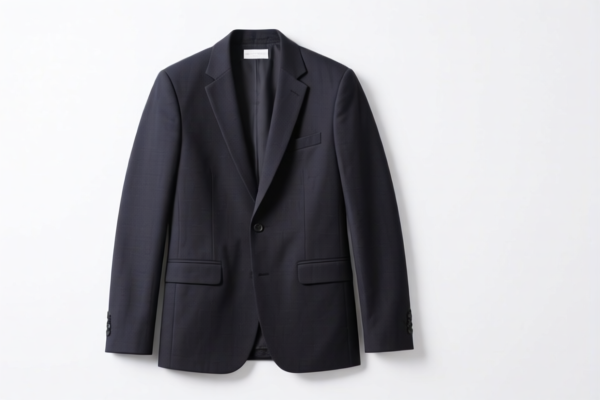
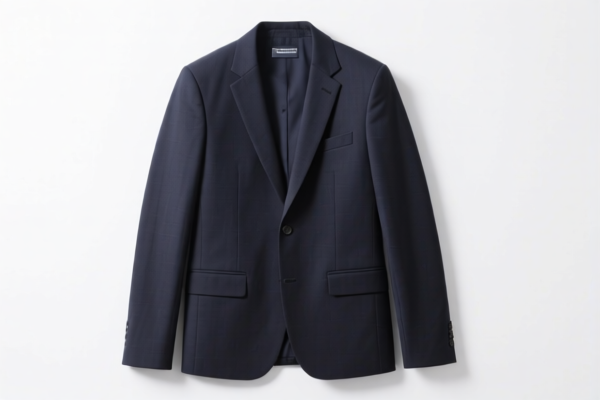

AI Analysis
🧢 Boys' Business Blazer: The Ultimate HS Code & Tariff Strategy Guide (2026 Edition)
🌐 HS Code Reference & Clearance Guide | 2026 Tariff Decoded | Professional Import Strategy
📌 I. Product Definition & Classification: Is Your Blazer "Knitted" or "Woven"?
The Boys' Business Blazer is a critical garment for formal wear, school uniforms, and ceremonial occasions. In international trade, its classification depends entirely on how it is made (knitted vs. woven) and what it is made of (wool, cotton, or synthetic).
The Two Major Categories:
- Woven Blazers (Tailored): Made from fabric woven on looms (e.g., wool suits, polyester blends). These look crisp and structured.
- Likely HS Code Range: 6203 (Men's/Boys' suits, ensembles, jackets, blazers).
- Knitted Blazers (Cardigans/Jerseys): Made from knitted fabric (e.g., sweater blazers, sweatshirt-style blazers). These are stretchy and casual.
- Likely HS Code Range: 6103 (Men's/Boys' suits, ensembles, jackets, blazers).
⚠️ Critical Distinction:
- If the fabric is Woven (Tailored) → Go to 6203. - If the fabric is Knitted (Sweater-like) → Go to 6103. - Material Matters: Wool, Cotton, or Synthetic fibers will drastically change the Base Tariff within these codes.
📦 II. HS Code Classification Breakdown (2026 Latest Tariff Authority)
Based on the provided data, here is the exact mapping for Boys' Business Blazers:
| HS Code | Material Composition | Suit Form | Key Characteristics |
|---|---|---|---|
| 6203.11.90.00 | Wool / Fine Animal Hair | Woven Suit | Tailored look, high-end feel, structured shoulders. |
| 6103.10.60.10 | Cotton / Cotton Blend | Knitted Suit | Stretchy, soft, often cardigan-style or jersey blazer. |
| 6203.12.20.20 | Synthetic Fibers | Woven Suit | Cost-effective, durable, often polyester/nylon blends. |
| 6203.12.20.20 | Synthetic or Natural | Woven Suit | Note: Data indicates this code covers blends where synthetics dominate. |
🔍 Key Insight:
- 6203.11 is for Wool. This is the premium category. - 6203.12 is for Synthetic. This is the mass-market category. - 6103 is for Knitted. This is a completely different fabric structure.
💰 III. 2026 Tariff Rate Deep Dive (US Market Analysis)
✅ Target Market: United States (US)
✅ Origin: China (CN)
✅ Effective Date: Current 2026 Tariff Regime (Section 301 + 122 Clause)
🎯 1. 6203.11.90.00 — Wool Boys' Blazers (Woven)
The Premium Choice with a Heavy Tax Bill
| Item | Detail |
|---|---|
| Base Tariff | 17.5% (Standard Most-Favored-Nation rate) |
| Additional Section 301 | +7.5% (Anti-dumping / Trade remedy surcharge) |
| Section 122 Clause | +10.0% (Specific China tariff add-on) |
| TOTAL TAX RATE | 35.0% |
| Tax Calculation | CIF Value × 35% |
| De Minimis Exempt? | ❌ NO (Deny) |
| Legal Pathway | Base (17.5%) + Section 301 (7.5%) + Section 122 (10%) |
📌 Explanation:
Wool blazers are high-value items. Even though they are "natural," the trade friction against China results in a 35% total tariff. This makes them expensive for US retailers importing from China.
🎯 2. 6103.10.60.10 — Cotton/Knitted Boys' Blazers
The Comfortable Choice with Moderate Tax
| Item | Detail |
|---|---|
| Base Tariff | 9.4% (Lower base rate for knitted cotton) |
| Additional Section 301 | +7.5% (Standard surcharge applies) |
| Section 122 Clause | +10.0% (China add-on) |
| TOTAL TAX RATE | 26.9% |
| Tax Calculation | CIF Value × 26.9% |
| De Minimis Exempt? | ❌ NO |
| Legal Pathway | Base (9.4%) + Section 301 (7.5%) + Section 122 (10%) |
📌 Explanation:
Knitted cotton blazers have a lower base tariff (9.4%) compared to wool. However, the Section 122 (10%) and Section 301 (7.5%) add-ons still push the total to 26.9%. It is still a significant cost.
🎯 3. 6203.12.20.20 — Synthetic Boys' Blazers (Woven)
The High-Tax Synthetic Option
| Item | Detail |
|---|---|
| Base Tariff | 27.3% (High base rate for synthetics) |
| Additional Section 301 | 0.0% (No additional 301 on top of this specific high base) |
| Section 122 Clause | +10.0% (China add-on) |
| TOTAL TAX RATE | 37.3% |
| Tax Calculation | CIF Value × 37.3% |
| De Minimis Exempt? | ❌ NO |
| Legal Pathway | Base (27.3%) + Section 122 (10%) |
📌 Explanation:
Synthetic blazers (polyester) have the highest base tariff (27.3%). While they avoid the extra 7.5% Section 301 found in the wool/cotton categories, the 10% Section 122 pushes the total to 37.3%. This is the most expensive category to import from China.
🛠️ IV. Customs Clearance Practical Advice (Avoid the Pitfalls)
✅ 1. Documentation Checklist (Non-Negotiable)
| Document | Must Provide? | Why? |
|---|---|---|
| ✅ Fabric Composition Label | YES | To prove if it's Wool (6203.11), Cotton (6103.10), or Synthetic (6203.12). |
| ✅ Construction Diagram | YES | To prove if it is Knitted (6103) or Woven (6203). |
| ✅ Product Photos | YES | Clear shots of the collar, buttons, and fabric texture. |
| ✅ Commercial Invoice | YES | Must state "Boys' Blazer" and exact CIF value. |
| ✅ Country of Origin Cert | YES | To verify China origin and apply Section 122/301 correctly. |
✅ 2. Declaration Strategy (The "Golden Rule")
🔥 "Define the Fiber, Define the Knit, Define the Tariff!"
| Scenario | Correct Declaration | Risk of Error |
|---|---|---|
| Wool Blazer | 6203.11.90.00 (Woven) |
Misclassify as Cotton → Underpay tax → Audit/Fine. |
| Knitted Cotton Blazer | 6103.10.60.10 (Knitted) |
Misclassify as Woven → Wrong tax base → Delays. |
| Polyester Blazer | 6203.12.20.20 (Woven) |
Misclassify as Cotton → 37.3% vs 26.9% → Massive cost shock. |
| Mixed Blazer (Wool+Poly) | Check % of Wool | If Wool > 50% → 6203.11. If Synthetic > 50% → 6203.12. |
✅ 3. Special Scenarios
| Scenario | Advice |
|---|---|
| Blazer with Embroidery | Does not change HS Code. Still based on fabric. |
| Blazer with Pockets/Lining | Standard. Ensure lining material is declared if it changes the composite. |
| "Uniform" Claims | Do NOT use "School Uniform" as the product name if it's a generic blazer. Customs looks at the item, not the marketing. |
| De Minimis (8000 Threshold) | ❌ Do NOT rely on De Minimis. Section 122 and Section 301 taxes are non-exempt for textile apparel from China. |
🌍 V. Global Tariff Comparison (2026 Snapshot)
| Country | Recommended HS Code | Est. Total Tariff (China Origin) | Notes |
|---|---|---|---|
| 🇺🇸 USA | 6203.12.20.20 / 6103.10.60.10 |
26.9% ~ 37.3% | Highest cost due to Section 122 & 301. |
| 🇪🇺 EU | 6203.12.20.20 |
~12% | No Section 122/301, but standard EU tariffs apply. |
| 🇨🇳 China | 6203.12.20.20 |
~16-17% | Lower base rate, but export duties may apply. |
| 🇯🇵 Japan | 6203.12.20.20 |
~14% | Free Trade Agreement (FTA) benefits may exist. |
📌 Conclusion:
The USA is the most punitive market for Chinese textile apparel due to Section 122 (10%) and Section 301 (7.5%). If you are exporting to the US, the Cotton Knitted Blazer (6103) at 26.9% is the least expensive option compared to Wool (35%) or Synthetic (37.3%).
📌 VI. Common Mistakes & How to Avoid Them
❌ Mistake 1: Confusing "Woven" with "Knitted"
👉 Result: If you ship a knitted cotton blazer but declare 6203 (Woven), Customs may reject the entry or reclassify it, causing delays.
✅ Fix: Always inspect the fabric weave. Knitted = 6103. Woven = 6203.
❌ Mistake 2: Ignoring Section 122
👉 Result: Failing to pay the extra 10% tax.
✅ Fix: Always add the 10% "122 Clause" tariff for China-origin textiles to your cost model.
❌ Mistake 3: Overlooking Synthetic Base Rates
👉 Result: Synthetic blazers (6203.12) have a base of 27.3%, which is higher than Wool (17.5%).
✅ Fix: Do not assume "Synthetic = Cheap Tariff." It often means a higher base rate.
❌ Mistake 4: Using Generic Names
👉 Result: "Boys' Jacket" is too vague.
✅ Fix: Use "Boys' Blazer, [Material], [Knit/Woven]".
🎯 VII. Final Verdict: Action Plan for Importers
🎯 Remember:
🔹 "Wool is 35%, Cotton Knit is 26.9%, Synthetic is 37.3%."
🔹 "Section 122 is the silent killer – it's always 10% on top."
🔹 "Know your knit vs. weave to avoid misclassification."
📌 Pro Tip:
If your Boys' Business Blazer is not made in China (e.g., Vietnam, Bangladesh, Turkey), you can potentially avoid Section 122 (10%) and Section 301 (7.5%), reducing your tax to just the base rate (9.4% or 17.5%).
🚀 Strategy: Diversify supply chain to non-China sources to save up to 17.5% in taxes!
📣 Immediate Action:
📞 Consult a Customs Broker to verify fabric composition!
📄 Order Pre-Inspection to confirm Knitted vs. Woven status!
🧮 Calculate CIF with the exact 35%, 26.9%, or 37.3% rates!
✨ Precision in Classification = Profit in Your Pocket!
💼 Don't let a wrong HS Code cost you a Fortune.
Customer Reviews
About HS Code Classification
The Harmonized System (HS) is an internationally standardized nomenclature developed by the World Customs Organization (WCO) to classify traded products. Over 200 countries use the HS system as the basis for customs tariffs, trade statistics, and import/export regulations.
Each HS code follows a hierarchical structure:
- Chapter (2 digits) — Broad category of goods (e.g., Chapter 84: Machinery and Mechanical Appliances)
- Heading (4 digits) — More specific grouping within the chapter
- Subheading (6 digits) — Internationally standardized breakdown, used by all WCO member countries
- National subdivisions (8-10 digits) — Country-specific extensions for further classification, such as US HTSUS 10-digit codes
Correct HS code classification is essential for smooth customs clearance, accurate duty payment, and compliance with trade regulations. Misclassification can lead to customs delays, overpayment of duties, or penalties.
When importing from CN to US, the applicable tariff rates may include:
- Most-Favored-Nation (MFN) rate — The standard duty rate applied to WTO members
- General rate — Applied to countries without trade agreements
- Trade remedy duties — Additional tariffs such as Section 301 (anti-dumping), Section 232 (national security), or countervailing duties
The information provided on this page is for reference purposes only. For official classification, please consult with your local customs authority or a licensed customs broker.