Boys' Business Shirt
CN → US| HS Code | Tariff Rate | Origin | Destination | Doc |
|---|---|---|---|---|
| 6105100010 | 29.7% | CN | US | Official Doc |
| 6203119000 | 35.0% | CN | US | Official Doc |
| 6203122020 | 44.8% | CN | US | Official Doc |
| 6103106010 | 26.9% | CN | US | Official Doc |
| 6203119000 | 35.0% | CN | US | Official Doc |
Product Images
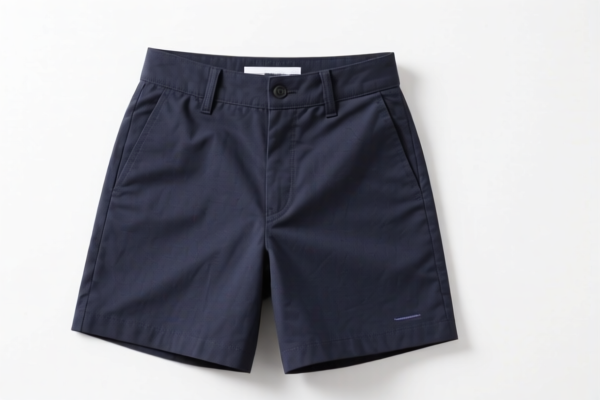
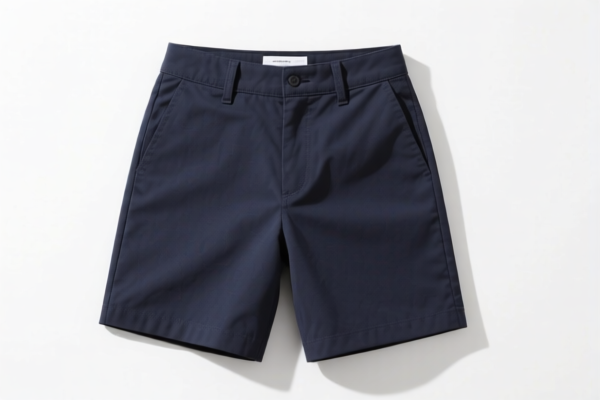
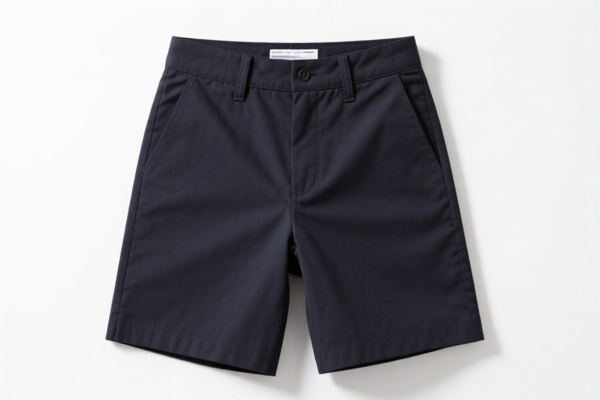
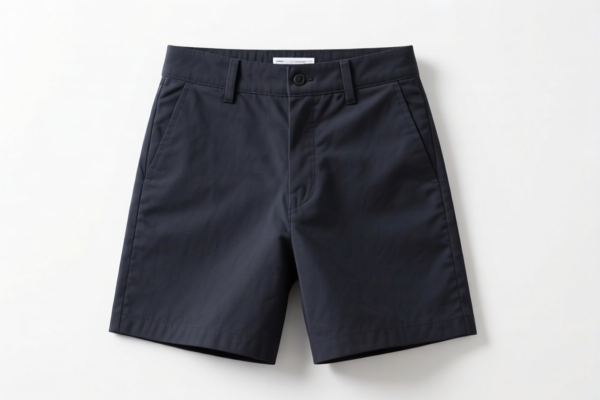
AI Analysis
👔 Boys' Business Shirts & Suits (Textile Apparel)
🌐 HS Code Reference & Customs Clearance Guide | 2026 Latest Tariff Analysis | Professional Customs Strategy
📌 One, Product Definition and Classification: What exactly are "Boys' Business Shirts" in trade?
In international textile trade, "Boys' Business Shirts" is not a single HS code but a category depending on the material, structure (shirt vs. suit), and gender specification. The customs classification varies significantly based on whether the item is a simple shirt, a formal suit jacket, or a complete suit, and whether it is made of cotton, synthetic fibers, or wool.
⚠️ Key Distinction Points:
- Shirt vs. Suit: A "shirt" (knitted or woven, open front) is classified differently from a "suit" (jacket + trousers, formal wear). - Material Matters: Cotton (natural fiber) often enjoys lower base tariffs than synthetic fibers (chemical fibers). - Gender Specifics: "Boys'" (typically under 14) and "Men's" may fall under similar subheadings, but specific HS codes in the provided data distinguish them by fabric type.
📦 Two, HS Code Classification Details (Based on Provided Data)
Below are the exact HS Codes from your data, categorized by product type and material.
| HS Code | Product Description | Material Inference | Total Tax Rate | Key Tax Components |
|---|---|---|---|---|
6105.10.00.10 |
Men's Cotton Business Casual Shirt (Note: Data lists "Men's" but context is Boys'/Business) |
100% Cotton | 29.7% | Base: 19.7% + 122 Clause: 10% |
6203.11.90.00 |
Boys' Business Suit | Wool or Fine Animal Hair (Inferred) | 35.0% | Base: 17.5% + Add'l: 7.5% + 122 Clause: 10% |
6203.12.20.20 |
Boys' Business Suit | Synthetic Fibers (Inferred) | 44.8% | Base: 27.3% + Add'l: 7.5% + 122 Clause: 10% |
6103.10.60.10 |
Boys' Business Suit Jacket | Cotton or Blended (Inferred) | 26.9% | Base: 9.4% + Add'l: 7.5% + 122 Clause: 10% |
6203.12.20.20 |
Boys' Business Suit | Synthetic or Natural Fiber (Generic) | 44.8% | Base: 27.3% + Add'l: 7.5% + 122 Clause: 10% |
🔍 Important Note:
- HS Code6105.10.00.10refers to knitted/crocheted shirts (Chapter 61). If the shirt is woven (Chapter 62), it would fall under different codes (e.g., 6205). However, your data specifies this code for "Cotton Business Casual Shirts." - HS Code6203.1xrefers to woven suits, ensembles, jackets, and blazers for boys/men. - The data provided includes 122 Clause Tariffs (10%), indicating these goods are likely destined for or sourced under specific trade restrictions (often associated with US-China trade tensions).
💰 Three, 2026 Latest Tariff Rate Breakdown (Detailed Tax Clauses)
✅ Applicable Context: Based on the tax details provided (Base + Add'l + 122 Clause).
✅ Likely Jurisdiction: United States (Due to "122 Clause" and "Section 301" style add-ons).
✅ Effect of "122 Clause": This typically refers to specific punitive tariffs or administrative trade measures.
🎯 1. Cotton Business Casual Shirts (6105.10.00.10)
Best for: Casual office wear, breathable fabrics.
| Item | Detail |
|---|---|
| Base Tariff | 19.7% |
| 122 Clause Tariff | 10.0% |
| Additional Tariff | 0.0% |
| Total Effective Rate | 29.7% |
| Tax Calculation | CIF Value × 29.7% |
| De Minimis Eligibility | ❌ Not Eligible (High tariff items often excluded from small package exemptions) |
| Legal Path | Base Rate → 122 Clause |
📌 Explanation:
- Cotton shirts have a moderate base tariff (19.7%).
- The 10% "122 Clause" is a flat add-on, making the total cost significant.
- No additional "Add'l Tariff" is listed for this specific code in your data, unlike suits.
🎯 2. Boys' Business Suits (Wool/Fine Animal Hair) (6203.11.90.00)
Best for: Formal events, weddings, high-end school uniforms.
| Item | Detail |
|---|---|
| Base Tariff | 17.5% |
| Additional Tariff | 7.5% |
| 122 Clause Tariff | 10.0% |
| Total Effective Rate | 35.0% |
| Tax Calculation | CIF Value × 35.0% |
| De Minimis Eligibility | ❌ Not Eligible |
| Legal Path | Base Rate → Add'l Tariff → 122 Clause |
📌 Explanation:
- Wool suits have a lower base rate (17.5%) than synthetic ones (27.3%).
- However, they incur a 7.5% Additional Tariff, bringing the total to 35%.
- Wool is often preferred if the goal is to minimize total tax compared to synthetic suits (44.8%).
🎯 3. Boys' Business Suits (Synthetic Fibers) (6203.12.20.20)
Best for: Durable, wrinkle-resistant, cost-effective uniforms.
| Item | Detail |
|---|---|
| Base Tariff | 27.3% |
| Additional Tariff | 7.5% |
| 122 Clause Tariff | 10.0% |
| Total Effective Rate | 44.8% |
| Tax Calculation | CIF Value × 44.8% |
| De Minimis Eligibility | ❌ Not Eligible |
| Legal Path | Base Rate → Add'l Tariff → 122 Clause |
📌 Explanation:
- Highest Tax Burden: Synthetic fibers trigger a higher base tariff (27.3%) due to protective tariffs for domestic textile industries.
- Combined with the 7.5% add-on and 10% clause, this is the most expensive category.
🎯 4. Boys' Business Suit Jackets (Cotton/Blend) (6103.10.60.10)
Best for: Separates, casual blazers.
| Item | Detail |
|---|---|
| Base Tariff | 9.4% |
| Additional Tariff | 7.5% |
| 122 Clause Tariff | 10.0% |
| Total Effective Rate | 26.9% |
| Tax Calculation | CIF Value × 26.9% |
| De Minimis Eligibility | ❌ Not Eligible |
| Legal Path | Base Rate → Add'l Tariff → 122 Clause |
📌 Explanation:
- Lowest Tax Rate: Suit jackets (blazers) have a surprisingly low base rate (9.4%).
- This makes separates (jacket + separate pants) potentially cheaper than full suits in terms of duty, if classified as "jackets" rather than "suits."
🛠️ Four, Customs Clearance Practical Advice (Real-World Pitfalls)
✅ 1. Documentation Checklist (Non-Negotiable)
| Document | Required | Purpose |
|---|---|---|
| ✅ Commercial Invoice | ✔️ | Must clearly state: "Boys' Suit," "Material Composition" (e.g., 100% Wool), "Country of Origin." |
| ✅ Packing List | ✔️ | Separate suit jackets from trousers if shipped separately? Clarify packaging. |
| ✅ Product Description | ✔️ | Critical: Specify "Knitted" vs. "Woven." 6105 is Knitted; 6203 is Woven. Mistake here = Customs Delay. |
| ✅ Material Test Report | ✔️ | Proof of fiber content (e.g., "100% Cotton") to justify Base Tariff selection. |
| ✅ Labeling | ✔️ | Must include fiber content, country of origin, and care instructions per destination laws. |
✅ 2. Declaration Tips (Critical Keywords)
🔥 “Be Specific, Avoid Ambiguity!”
| Scenario | Correct Declaration | Wrong Declaration |
|---|---|---|
| Cotton Shirt | "Boys' Knitted Cotton Business Shirt" | "Clothes" or "Shirt" (Too vague) |
| Wool Suit | "Boys' Woven Wool Business Suit" | "Suit" (Material unknown → Highest duty assessment) |
| Synthetic Suit | "Boys' Woven Synthetic Fiber Business Suit" | "Children's Clothing" |
| Suit Jacket | "Boys' Woven Suit Jacket (Not a Full Suit)" | "Full Suit" (If trousers are not included) |
⚠️ Warning:
- If you declare a Woven Suit as a Knitted Shirt (6105), customs will inspect and reclassify, leading to penalties.
- If you declare a Synthetic Suit as Cotton to get a lower base rate, fiber testing will reveal the truth, resulting in back taxes + fines.
✅ 3. Strategy for Cost Optimization
| Strategy | Action | Potential Benefit |
|---|---|---|
| Material Selection | Use Wool instead of Synthetic for suits | Save 9.9% in tax (35% vs 44.8%) |
| Product Structure | Sell Jackets separately from trousers | Tax on Jacket (26.9%) may be lower than Full Suit (44.8%) if trousers are cheap or taxed differently |
| Category Shift | If casual, use Business Casual Shirt (6105.10.00.10) |
Lowest base tax for shirts (19.7%) |
🌍 Five, Global Market Comparison (Contextual Note)
| Market | Typical HS Code for Boys' Suits | Typical Duty | Notes |
|---|---|---|---|
| 🇺🇸 USA | 6203.19 or 6103.33 |
High (Base + 301 + 122 Clause) | Data shows 122 Clause, suggesting US-specific punitive tariffs. |
| 🇪🇺 EU | 6203.19 |
Low/Zero (if preferential) | No "122 Clause"; general MFN rates apply. |
| 🇨🇳 China | 6203.19 |
Moderate | Import duties apply, but no punitive add-ons for domestic production. |
| 🇨🇦 Canada | 6203.19 |
Low | Generally favorable for textile imports from partners. |
📌 Conclusion:
- The 122 Clause Tariff is a unique identifier for US-China trade friction scenarios.
- Always confirm the destination country. If shipping to Europe or Asia, these high tariffs may not apply, and the HS codes would be similar but with 0% or low add-ons.
📌 Six, Common Mistakes & Pitfalls (Lessons Learned)
❌ Mistake 1: Confusing Knitted (61xx) with Woven (62xx).
👉 Result: If a woven shirt is declared as knitted, customs may reject it or impose higher duties due to misclassification.
👉 Fix: Check the fabric construction. Knitted = stretchy, looped (T-shirt style). Woven = crisp, structured (Button-down shirt style).
❌ Mistake 2: Ignoring Material Composition.
👉 Result: Declaring a Synthetic Suit as "Wool" to save tax? Fiber tests will catch this.
👉 Fix: Always include Fiber Content (e.g., "100% Polyester") on the invoice.
❌ Mistake 3: Assuming "Suit" means "Full Set".
👉 Result: Shipping a jacket and trousers separately? Declare them as "Suit Jacket" and "Trousers" respectively.
👉 Fix: Use precise subheadings. Jackets (6103.10.60.10) may have lower duties than full suits.
🎯 Seven, Conclusion: Professional Classification Saves Money!
🎯 Key Takeaways:
🔹 For Shirts:
6105.10.00.10(Cotton) is the best option at 29.7% total tax.
🔹 For Suits:6203.11.90.00(Wool) is cheaper (35.0%) than6203.12.20.20(Synthetic) at 44.8%.
🔹 For Jackets:6103.10.60.10(Cotton/Blend) is the lowest duty item at 26.9%.
🔹 Always include 122 Clause (10%) in your cost calculation.
📌 Pro Tip:
If your product is 100% Wool, you MUST declare it as 6203.11.90.00 to avoid the higher synthetic tax.
If your product is 100% Cotton Shirt, ensure it is Knitted for 6105.10.00.10. If Woven, you may need a different code (not in this list) with potentially different taxes.
📣 Immediate Action:
📞 Provide Fabric Swatches to your customs broker.
📄 Specify "Knitted" or "Woven" on every invoice.
🚀 Optimize Material Choice: Wool over Synthetic for suits to save ~10% in duty!
✨ Customs Compliance: Precision in Classification, Profit in Logistics!
💼 Don't let vague declarations cost you 45% in taxes!
Customer Reviews
About HS Code Classification
The Harmonized System (HS) is an internationally standardized nomenclature developed by the World Customs Organization (WCO) to classify traded products. Over 200 countries use the HS system as the basis for customs tariffs, trade statistics, and import/export regulations.
Each HS code follows a hierarchical structure:
- Chapter (2 digits) — Broad category of goods (e.g., Chapter 84: Machinery and Mechanical Appliances)
- Heading (4 digits) — More specific grouping within the chapter
- Subheading (6 digits) — Internationally standardized breakdown, used by all WCO member countries
- National subdivisions (8-10 digits) — Country-specific extensions for further classification, such as US HTSUS 10-digit codes
Correct HS code classification is essential for smooth customs clearance, accurate duty payment, and compliance with trade regulations. Misclassification can lead to customs delays, overpayment of duties, or penalties.
When importing from CN to US, the applicable tariff rates may include:
- Most-Favored-Nation (MFN) rate — The standard duty rate applied to WTO members
- General rate — Applied to countries without trade agreements
- Trade remedy duties — Additional tariffs such as Section 301 (anti-dumping), Section 232 (national security), or countervailing duties
The information provided on this page is for reference purposes only. For official classification, please consult with your local customs authority or a licensed customs broker.