Boys' Casual Cargo Jumpsuit
CN → US| HS Code | Tariff Rate | Origin | Destination | Doc |
|---|---|---|---|---|
| 6114200044 | 28.3% | CN | US | Official Doc |
| 6111205000 | 32.4% | CN | US | Official Doc |
| 6114200048 | 28.3% | CN | US | Official Doc |
Product Images
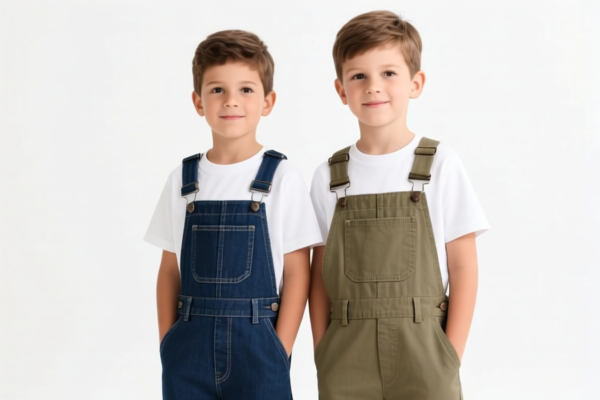
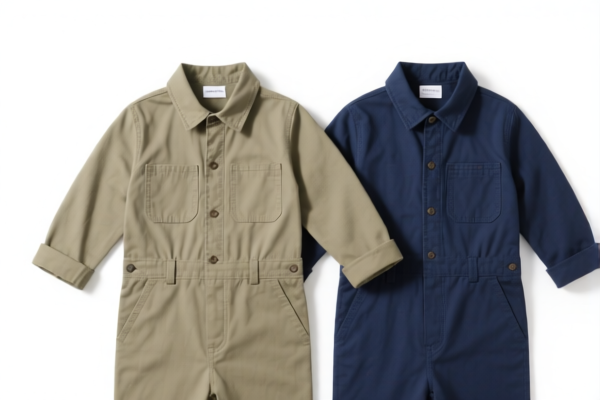
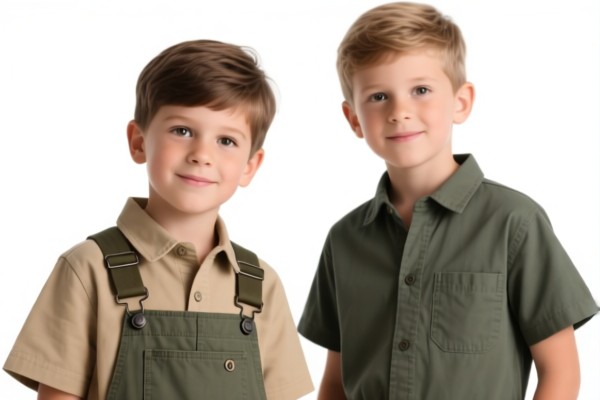
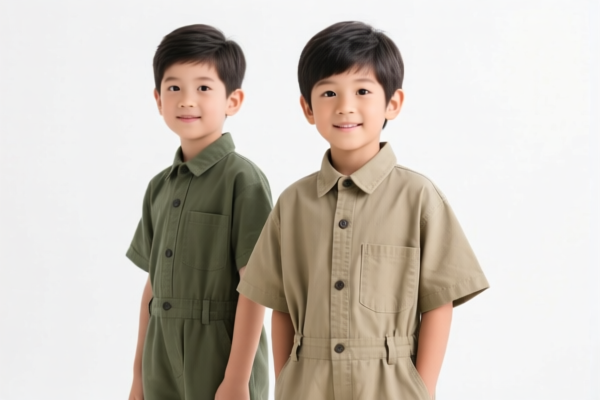
AI Analysis
👕 Boys' Casual Cargo Jumpsuit (Unisex/Child Wear)
🌐 HS Code Reference & Customs Clearance Guide | 2026 Latest Tariff Analysis | Professional Compliance Strategy
📌 1. Product Definition & Classification: Do You Really Understand "Cargo Jumpsuits"?
A Boys' Casual Cargo Jumpsuit is a one-piece garment designed for children (specifically boys in this context), characterized by: - Form: Jumpsuit/Overall style (one-piece covering torso and legs); - Usage: Casual wear for boys; - Material: Typically cotton or cotton-blend fabrics; - Style: Often features cargo pockets, utilitarian design.
⚠️ Key Distinction:
- If primarily cotton, it falls under Chapter 61 (Knitted/Crocheted) or Chapter 62 (Non-Knitted), depending on fabric structure;
- If mixed fibers, classification depends on the dominant material by weight;
- Child-specific garments may have different tariff lines than adult wear.
📦 2. HS Code Classification Details (2026 Latest Tariff Reference)
Based on the provided <DATA>, here are the possible HS Codes for Boys' Casual Cargo Jumpsuits:
| HS Code | Product Description | Material Inference | Total Tax Rate |
|---|---|---|---|
| 6114.20.00.48 | Boys' Casual Cargo Jumpsuit, Form: Jumpsuit/Workwear, Usage: Boys, Material: Cotton | Cotton | 28.3% |
| 6114.20.00.44 | Boys' Casual Cargo Jumpsuit, Usage: Children's Jumpsuit, Form: One-Piece, Material: Cotton/Blend | Cotton or Cotton Blend | 28.3% |
| 6111.20.50.00 | Boys' Casual Cargo Jumpsuit, Usage: Children's Clothing, Material: Cotton or Cotton Blend | Cotton or Cotton Blend | 32.4% |
🔍 Key Notes:
- 6114.20.00.48 and 6114.20.00.44 both carry a 28.3% total tax rate;
- 6111.20.50.00 carries a higher rate of 32.4%;
- The difference lies in the sub-heading detail and material inference.
💰 3. 2026 Latest Tariff Rate Breakdown (Including Additional Taxes & Policy Surcharges)
✅ Applicable Country: United States (US)
✅ Origin: China (CN)
✅ Effective Date: 2025–2026 (Current Import Cycle)
🎯 1. 6114.20.00.48 – Boys' Casual Cargo Jumpsuit (Cotton)
| Item | Details |
|---|---|
| Base Tariff | 10.8% (ad valorem) |
| Section 301 Surcharge | 7.5% (USITC Footnote related to Chinese imports) |
| Section 122 Surcharge | 10% (Specific to certain textile/apparel imports from China) |
| Total Tax Rate | 28.3% |
| Tax Calculation | CIF Value × 28.3% |
| De Minimis Exemption? | ❌ Not Applicable (Deny de minimis for Section 301/122 goods) |
| Legal Basis Path | Base Tariff:6114.20.00.48 → Section301:7.5% → Section122:10% |
📌 Explanation:
- 10.8% is the standard MFN (Most Favored Nation) base rate for knitted boys' jumpsuits;
- 7.5% is an additional tariff under Section 301 (US-China Trade War);
- 10% is a specific surcharge under Section 122 (targeting certain textile products from China);
- Total: 28.3% – This is a high tariff for apparel.
🎯 2. 6114.20.00.44 – Boys' Casual Cargo Jumpsuit (Cotton/Blend)
| Item | Details |
|---|---|
| Base Tariff | 10.8% |
| Section 301 Surcharge | 7.5% |
| Section 122 Surcharge | 10% |
| Total Tax Rate | 28.3% |
| Tax Calculation | CIF Value × 28.3% |
| De Minimis Exemption? | ❌ Not Applicable |
| Legal Basis Path | Base Tariff:6114.20.00.44 → Section301:7.5% → Section122:10% |
📌 Note:
- Same tariff structure as6114.20.00.48;
- Applicable to cotton or cotton-blend one-piece children's garments;
- Material inference must be clearly declared as "Cotton/Blend."
🎯 3. 6111.20.50.00 – Boys' Casual Cargo Jumpsuit (Children's Clothing)
| Item | Details |
|---|---|
| Base Tariff | 14.9% |
| Section 301 Surcharge | 7.5% |
| Section 122 Surcharge | 10% |
| Total Tax Rate | 32.4% |
| Tax Calculation | CIF Value × 32.4% |
| De Minimis Exemption? | ❌ Not Applicable |
| Legal Basis Path | Base Tariff:6111.20.50.00 → Section301:7.5% → Section122:10% |
📌 Note:
- Higher base rate (14.9%) compared to 6114 codes;
- Classified under children's clothing generally, rather than specific jumpsuit subtype;
- Total: 32.4% – Highest among the three options.
🛠️ 4. Customs Clearance Practical Advice (Avoid Pitfalls)
✅ 1. Required Documentation Checklist
| Document | Required? | Notes |
|---|---|---|
| ✅ Product Specification Sheet | ✔️ | Must include material composition (e.g., 100% Cotton, 60% Cotton/40% Polyester), size, style |
| ✅ Fabric Composition Certificate | ✔️ | Critical for determining HS Code (Cotton vs. Blend) |
| ✅ Product Photos (Front/Back/Label) | ✔️ | Show cargo pockets, jumpsuit form, brand label |
| ✅ Commercial Invoice | ✔️ | Must state "Boys' Casual Cargo Jumpsuit" + Material + HS Code |
| ✅ Packing List | ✔️ | Include quantity, weight, dimensions |
| ✅ Origin Certificate (if applicable) | ✔️ | If not China-origin, may qualify for lower tariffs |
| ✅ Third-Party Test Report (if needed) | ✔️ | CPSIA (US Child Safety) may require testing for children's clothing |
✅ 2. Declaration Tips (Key Rules)
🔥 "Be Precise: Jumpsuit Form, Boys' Use, Cotton Material → 28.3%! Blend Child Wear → 32.4%!"
| Scenario | Correct HS Code | Wrong Declaration | Consequence |
|---|---|---|---|
| 100% Cotton, Jumpsuit Form | 6114.20.00.48 |
Declare as "Children's Clothing" | May be misclassified → 32.4% |
| Cotton Blend, One-Piece | 6114.20.00.44 |
Declare as "Workwear" | Misclassification → Delay/Fine |
| Generic Children's Clothing | 6111.20.50.00 |
Declare as "Jumpsuit" | Higher tax (32.4%) |
| Non-Cotton Material (e.g., Polyester) | Not in provided data | Use provided codes | Incorrect HS → Penalty/Retrospective Tax |
📌 Critical Reminder:
- Material matters: Cotton vs. Blend changes nothing in the 28.3% group, but misdeclaration can lead to audits;
- Form matters: Jumpsuit/One-Piece vs. Separate Top & Bottom → Different HS Codes;
- Usage matters: "Boys'" vs. "Unisex" → May affect sub-heading selection.
✅ 3. Special Cases
| Scenario | Recommendation |
|---|---|
| OEM/Private Label | Provide customer order + design specs to prove "Boys' Casual" usage |
| Mixed Packaging (Jumpsuit + Accessories) | Declare jumpsuit separately; accessories may have different HS/Tax |
| Pre-Season Stock | Ensure material composition is verified before shipment; avoid last-minute changes |
| High-Value Shipments | Consider Advance Ruling from US CBP to lock in HS Code & Tariff |
🌍 5. Global Market Comparison (2026 Latest)
| Country/Region | Recommended HS Code | Tariff (China Origin) | Certification | Notes |
|---|---|---|---|---|
| 🇺🇸 USA | 6114.20.00.48 / .44 |
28.3% | CPSIA, Prop 65 | High tariff due to Section 301 + 122 |
| 🇺🇸 USA | 6111.20.50.00 |
32.4% | CPSIA, Prop 65 | Higher base rate |
| 🇨🇳 China | 6114.20.00.48 |
~8–10% (Import Duty) | CCC (if applicable) | Lower than US |
| 🇪🇺 EU | 6109.10.00 (T-shirts) or 6114.20 |
0–12% | CE, REACH | Varies by material |
| 🇬🇧 UK | 6114.20.00 |
0–12% | UKCA | Post-Brexit rules apply |
| 🇨🇦 Canada | 6114.20.00 |
0–17.5% | Health Canada | CUSMA benefits if Canadian-origin |
📌 Conclusion:
- USA imposes the highest tariff on Chinese-made boys' jumpsuits (28.3–32.4%);
- Material composition and garment form are critical for correct classification;
- EU/UK/Canada generally have lower tariffs but stricter safety/certification requirements for children's clothing.
📌 6. Common Mistakes & Pitfalls (Lessons Learned)
❌ Mistake 1: Declaring "Boys' Cargo Pants" instead of "Jumpsuit"
👉 Consequence: Wrong HS Code → Potential penalty or higher tax.
❌ Mistake 2: Ignoring material composition (Cotton vs. Blend)
👉 Consequence: Misclassification → Audit risk + Back Taxes.
❌ Mistake 3: Using vague descriptions like "Children's Clothing"
👉 Consequence: Customs may select the highest tax bracket (6111.20.50.00 @ 32.4%).
❌ Mistake 4: Not declaring Section 301/122 surcharges
👉 Consequence: Underpayment → Interest + Penalties.
✅ Correct Practice:
"Boys' Knitted Cotton Cargo Jumpsuit, One-Piece, Casual Wear, 100% Cotton, Model XYZ, CPSIA Compliant"
🎯 7. Conclusion: Professional Declaration Saves Money!
🎯 Remember These Rules:
🔹 "Jumpsuit + Cotton → 28.3% (6114.20.00.48/.44)"
🔹 "Generic Children's Wear → 32.4% (6111.20.50.00)"
🔹 "Material + Form + Usage = Correct HS Code"
🔹 "Don't guess – declare precisely to avoid penalties!"
📌 Pro Tip:
If your jumpsuits are not China-origin (e.g., Vietnam, Bangladesh, India), they may qualify for lower or zero Section 301/122 surcharges.
Recommend Advance Ruling from US CBP to confirm HS Code & Tariff before shipment.
📣 Take Action Now:
📞 Contact a Licensed Customs Broker + Provide Product Specs + Apply for HS Code Advance Ruling
🚀 Ensure Smooth Customs Clearance, Minimize Tariffs, Maximize Profits!
✨ Professional Customs Clearance Starts with Accurate Classification!
💼 Every Percent Saved is Pure Profit!
Customer Reviews
About HS Code Classification
The Harmonized System (HS) is an internationally standardized nomenclature developed by the World Customs Organization (WCO) to classify traded products. Over 200 countries use the HS system as the basis for customs tariffs, trade statistics, and import/export regulations.
Each HS code follows a hierarchical structure:
- Chapter (2 digits) — Broad category of goods (e.g., Chapter 84: Machinery and Mechanical Appliances)
- Heading (4 digits) — More specific grouping within the chapter
- Subheading (6 digits) — Internationally standardized breakdown, used by all WCO member countries
- National subdivisions (8-10 digits) — Country-specific extensions for further classification, such as US HTSUS 10-digit codes
Correct HS code classification is essential for smooth customs clearance, accurate duty payment, and compliance with trade regulations. Misclassification can lead to customs delays, overpayment of duties, or penalties.
When importing from CN to US, the applicable tariff rates may include:
- Most-Favored-Nation (MFN) rate — The standard duty rate applied to WTO members
- General rate — Applied to countries without trade agreements
- Trade remedy duties — Additional tariffs such as Section 301 (anti-dumping), Section 232 (national security), or countervailing duties
The information provided on this page is for reference purposes only. For official classification, please consult with your local customs authority or a licensed customs broker.