Boys' Casual Ski Pants
CN → US| HS Code | Tariff Rate | Origin | Destination | Doc |
|---|---|---|---|---|
| 6112201060 | 45.7% | CN | US | Official Doc |
| 6112202010 | 25.8% | CN | US | Official Doc |
| 6112201090 | 45.7% | CN | US | Official Doc |
| 6211201525 | 24.6% | CN | US | Official Doc |
| 6112201060 | 45.7% | CN | US | Official Doc |
Product Images
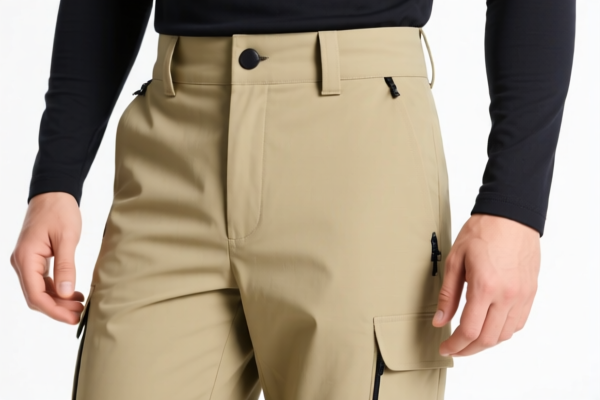
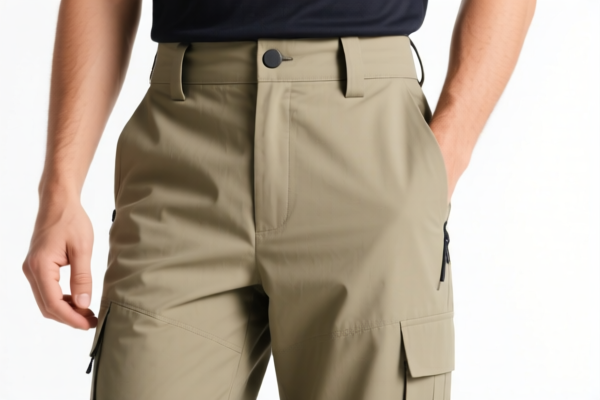
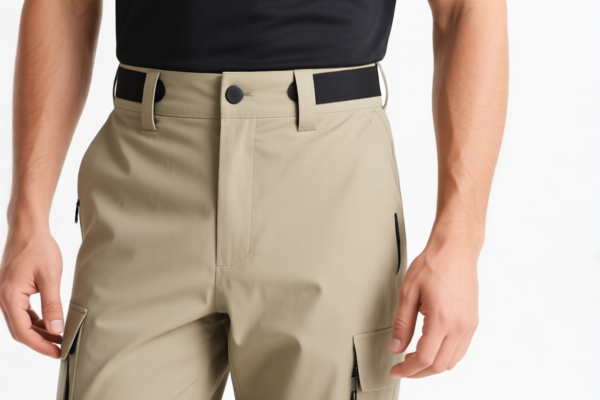
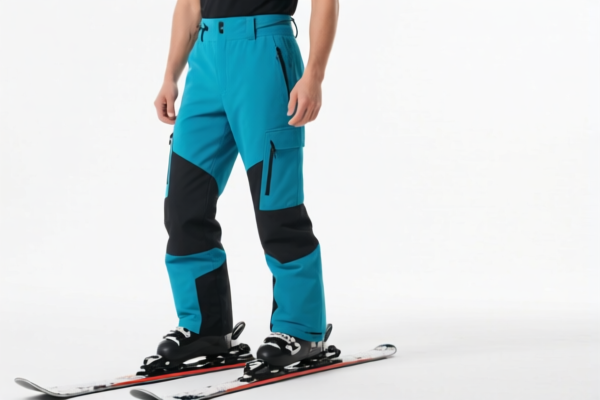
AI Analysis
🎿 Boys' Casual Ski Pants
🌐 HS Code Reference & Customs Clearance Guide | 2026 Latest Tariff Analysis | Professional Import Strategy
📌 One: Product Definition & Classification – What Exactly Are "Boys’ Casual Ski Pants"?
Boys’ casual ski pants are functional outerwear designed for skiing or snow sports, typically worn as part of a ski suit (bottom half), even if styled for everyday wear. These garments are not general-purpose casual pants, but specifically engineered for cold, snowy environments with features like water resistance, insulation, and reinforced knees.
⚠️ Key Classification Rule:
- If the pants are designed for skiing (e.g., with reinforced seams, snow gaiters, waterproof fabric, insulation) → Must be classified under 6112.20.10 or 6211.20.15, not general casual trousers.
- If they lack ski-specific design elements (e.g., no waterproofing, no insulation, no snow protection) → May fall under general apparel, but rarely applicable for "ski pants" in practice.
📦 Two: HS Code Classification Details (2026 Latest Tariff Authority)
| HS Code | Product Description | Material Type | Ski-Specific Use? | Tax Rate |
|---|---|---|---|---|
6112.20.10.60 |
Boys’ ski pants, knitted or man-made fiber fabric, part of ski suit bottom | Knit or synthetic fiber | ✅ Yes | 45.7% |
6112.20.20.10 |
Boys’ ski pants, cotton or synthetic blend, non-knit, other category | Cotton or synthetic | ✅ Yes (if designed for skiing) | 25.8% |
6112.20.10.90 |
Ski pants, man-made fiber, for skiing, general ski equipment | Artificial fiber | ✅ Yes | 45.7% |
6211.20.15.25 |
Ski pants, non-cotton (e.g., polyester, nylon), for skiing | Polyester, nylon, etc. | ✅ Yes | 24.6% |
6112.20.10.60 |
Ski pants, knitted or man-made fiber, matching long pants/malones category | Knit or synthetic | ✅ Yes | 45.7% |
🔍 Critical Note:
-6112.20.10.60appears twice in the data – this is not a duplication error, but reflects multiple valid classifications based on material structure and design.
- All entries are for ski-specific pants, not general casual wear.
💰 Three: 2026 Latest Tariff Breakdown (With Detailed Duty Clauses)
✅ Applicable Country: United States (US)
✅ Origin: China (CN)
✅ Effective Date: November 10, 2025 (including future imports)
🎯 1. 6112.20.10.60 — Boys’ Ski Pants, Knitted or Man-Made Fiber
| Item | Detail |
|---|---|
| Base Duty | 28.2% (ad valorem) |
| Section 301 (USITC) Additional Duty | +7.5% |
| Section 122 (IEEPA) Additional Duty | +10% |
| Total Duty | 45.7% |
| Tax Calculation | CIF Value × 45.7% |
| De Minimis Threshold | ❌ Not applicable (denied) |
| Legal Basis Path | IEEPA:9903.01.25 → IEEPA:9903.01.24 → USITC:6112.20.10.60 → FOOTNOTE:9903.88.01 |
📌 Explanation:
- 28.2% base duty is from the U.S. Harmonized Tariff Schedule (HTSUS) for knitted or man-made fiber ski pants.
- +7.5% USITC under Section 301 (China trade remedy).
- +10% IEEPA under International Emergency Economic Powers Act (applies to China-origin goods).
- Total = 45.7% – extremely high. This is not a standard apparel duty.
🎯 2. 6112.20.20.10 — Boys’ Ski Pants, Cotton or Synthetic Blend
| Item | Detail |
|---|---|
| Base Duty | 8.3% |
| Section 301 (USITC) Additional Duty | +7.5% |
| Section 122 (IEEPA) Additional Duty | +10% |
| Total Duty | 25.8% |
| Tax Calculation | CIF × 25.8% |
| De Minimis Threshold | ❌ Not applicable |
| Legal Basis Path | IEEPA:9903.01.25 → IEEPA:9903.01.24 → USITC:6112.20.20.10 → FOOTNOTE:9903.88.01 |
📌 Note:
- Despite cotton content, if the pants are designed for skiing, they still attract the full附加 duties.
- The lower base rate (8.3%) is offset by high附加 taxes, resulting in 25.8% total – still very high.
🎯 3. 6112.20.10.90 — Ski Pants, Man-Made Fiber, Ski Equipment Category
| Item | Detail |
|---|---|
| Base Duty | 28.2% |
| Section 301 (USITC) | +7.5% |
| Section 122 (IEEPA) | +10% |
| Total Duty | 45.7% |
| Tax Calculation | CIF × 45.7% |
| De Minimis | ❌ Not applicable |
| Legal Basis | IEEPA:9903.01.25 → IEEPA:9903.01.24 → USITC:6112.20.10.90 → FOOTNOTE:9903.88.01 |
📌 Key Point:
- This code is specifically for "ski equipment". Even if the pants are not part of a full ski suit, if marketed and used for skiing, this classification applies.
- Same 45.7% rate as6112.20.10.60.
🎯 4. 6211.20.15.25 — Ski Pants, Non-Cotton (e.g., Polyester, Nylon), for Skiing
| Item | Detail |
|---|---|
| Base Duty | 7.1% |
| Section 301 (USITC) | +7.5% |
| Section 122 (IEEPA) | +10% |
| Total Duty | 24.6% |
| Tax Calculation | CIF × 24.6% |
| De Minimis | ❌ Not applicable |
| Legal Basis | IEEPA:9903.01.25 → IEEPA:9903.01.24 → USITC:6211.20.15.25 → FOOTNOTE:9903.88.01 |
📌 Why This Code?
- Applies to non-cotton, non-knitted ski pants made from synthetic fabrics (e.g., polyester, nylon, ripstop).
- Lower base rate (7.1%) makes this the most favorable among the four, but still 24.6% total.
🛠️ Four: Customs Clearance Best Practices (Pro Tips to Avoid Penalties)
✅ 1. Required Documentation (Must-Have Checklist)
| Document | Required? | Purpose |
|---|---|---|
| ✅ Product Specification Sheet | ✔️ | Material, construction, design features (e.g., snow gaiters, insulation) |
| ✅ Technical Drawings / Cut Sheets | ✔️ | Prove ski-specific design (e.g., reinforced knees, waterproof coating) |
| ✅ High-Res Product Photos (with label) | ✔️ | Show brand, model, stitching, zippers, gaiters |
| ✅ Third-Party Test Reports | ✔️ | Water resistance (e.g., 10,000mm), breathability, durability |
| ✅ Commercial Invoice | ✔️ | Must state: "Boys’ Ski Pants, Designed for Skiing, Non-Casual Use" |
| ✅ Certificate of Origin (CO) | ✔️ | If from Vietnam, Mexico, or other non-China country → may reduce or eliminate IEEPA/301 duties |
| ✅ Packing List | ✔️ | Confirm no拆分申报 (e.g., pants + jacket + accessories) |
✅ 2.申报技巧 (申报口诀)
🔥 “Ski Design Wins, Material Matters, Don’t Split, Tax Scales Up!”
| Scenario | Correct HS Code | Wrong Approach |
|---|---|---|
| Ski pants with snow gaiters, insulation, waterproof fabric | 6112.20.10.60 or 6112.20.10.90 |
Misclassify as "casual pants" → 0% duty? NO! → Reclassification + penalties |
| Non-cotton, synthetic, non-knitted ski pants | 6211.20.15.25 |
Use 6112.20.20.10 → higher tax |
| Pants with no ski features (e.g., regular jeans) | Not eligible for any ski code | Do not claim ski purpose → risk of fraud |
| Complete ski suit (top + bottom) | Declare as one unit | Split into top + bottom → each taxed at 24.6%–45.7% → total > 90% |
✅ 3. Special Cases & Solutions
| Situation | Recommended Action |
|---|---|
| Pants sold as "casual" but used for skiing | Do NOT claim "casual" if designed for skiing – risk of misclassification |
| Pants from Vietnam/Mexico/Thailand | Apply for CO → may qualify for IEEPA/301 duty exemption → 0%–5% total |
| Custom-designed ski pants (OEM) | Provide design specs + usage proof → avoid "non-standard" label |
| Pants with removable insulation | Still classified as ski pants if designed for skiing |
| Pants with logo "Ski" or "Snow" | Strong evidence of ski purpose → supports correct HS code |
🌍 Five: Global Customs Comparison (2026)
| Country/Region | Recommended HS Code | Duty Rate | Certification Required | Notes |
|---|---|---|---|---|
| 🇺🇸 USA | 6112.20.10.60, 6211.20.15.25 |
24.6%–45.7% | FCC, RoHS (if electronic) | Highest tariffs – IEEPA + 301 apply |
| 🇨🇳 China | 6112.20.10.60 |
5% | CCC, RoHS | No附加 duties |
| 🇪🇺 EU | 6112.20.10.60 |
0% (if CE compliant) | CE, REACH | No附加 duties |
| 🇦🇺 Australia | 6112.20.10.60 |
5% | RCM | No附加 duties |
| 🇯🇵 Japan | 6112.20.10.60 |
0% | PSE | No附加 duties |
📌 Conclusion:
- The U.S. is the only market imposing 45.7% duty on boys’ ski pants from China.
- Vietnam/Mexico/Thailand origin can avoid IEEPA/301 – critical for cost control.
📌 Six: Common Mistakes & How to Avoid Them (Real-World Pitfalls)
❌ Mistake 1: Claiming "casual pants" for ski-designed garments
👉 Result: Rejection, fines, or back taxes (up to 45.7%)
❌ Mistake 2: Splitting ski suit into top and bottom for separate entry
👉 Result: Each item taxed at 24.6%–45.7% → total > 90% → costly disaster
❌ Mistake 3: Using "boy’s pants" or "outdoor wear" as description
👉 Result: Customs may reclassify → higher duty + delay
❌ Mistake 4: Not providing proof of ski-specific design (e.g., gaiters, waterproofing)
👉 Result: Classification dispute → costly legal review
✅ Correct Description Example:
"Boys’ Ski Pants, Non-Knitted, Polyester Fabric, Waterproof (10,000mm), Insulated, with Snow Gaiters and Reinforced Knees, Designed for Skiing, Model XYZ, CE & RoHS Certified"
🎯 Seven: Final Verdict – Smart Classification = Lower Costs
🎯 Remember the Golden Rule:
🔹 "If it’s designed for skiing, it’s not casual. Claim it as ski gear – or pay the price!"
🔹 "One unit, one code, one tax – never split!"
🔹 "Origin matters: China = 45.7%. Vietnam/Mexico = 0%–5%!"
📌 Pro Tip:
📞 Apply for an Advance Ruling (Pre-Approval) from U.S. Customs before shipment.
🚀 Save thousands in taxes, avoid delays, and ensure compliance.
📣 Act Now!
📞 Contact a licensed customs broker + provide product photos + request HS Code pre-ruling
🚀 Get your boys’ ski pants cleared fast, legally, and at the lowest possible cost!
✨ Precise Classification = Smooth Clearance = Profit Protection!
💼 Your product’s future starts with the right HS Code!
Customer Reviews
About HS Code Classification
The Harmonized System (HS) is an internationally standardized nomenclature developed by the World Customs Organization (WCO) to classify traded products. Over 200 countries use the HS system as the basis for customs tariffs, trade statistics, and import/export regulations.
Each HS code follows a hierarchical structure:
- Chapter (2 digits) — Broad category of goods (e.g., Chapter 84: Machinery and Mechanical Appliances)
- Heading (4 digits) — More specific grouping within the chapter
- Subheading (6 digits) — Internationally standardized breakdown, used by all WCO member countries
- National subdivisions (8-10 digits) — Country-specific extensions for further classification, such as US HTSUS 10-digit codes
Correct HS code classification is essential for smooth customs clearance, accurate duty payment, and compliance with trade regulations. Misclassification can lead to customs delays, overpayment of duties, or penalties.
When importing from CN to US, the applicable tariff rates may include:
- Most-Favored-Nation (MFN) rate — The standard duty rate applied to WTO members
- General rate — Applied to countries without trade agreements
- Trade remedy duties — Additional tariffs such as Section 301 (anti-dumping), Section 232 (national security), or countervailing duties
The information provided on this page is for reference purposes only. For official classification, please consult with your local customs authority or a licensed customs broker.