Boys' Casual Sports Set
CN → US| HS Code | Tariff Rate | Origin | Destination | Doc |
|---|---|---|---|---|
| 6211325050 | 25.6% | CN | US | Official Doc |
| 6211335035 | 33.5% | CN | US | Official Doc |
| 6103220020 | 0.0% | CN | US | Official Doc |
| 6103220030 | 0.0% | CN | US | Official Doc |
| 6203223010 | 0.0% | CN | US | Official Doc |
Product Images
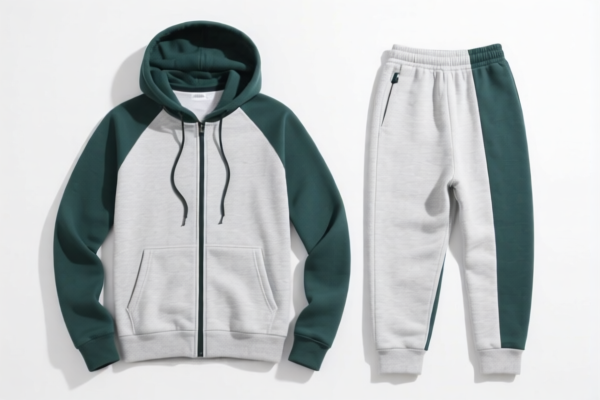
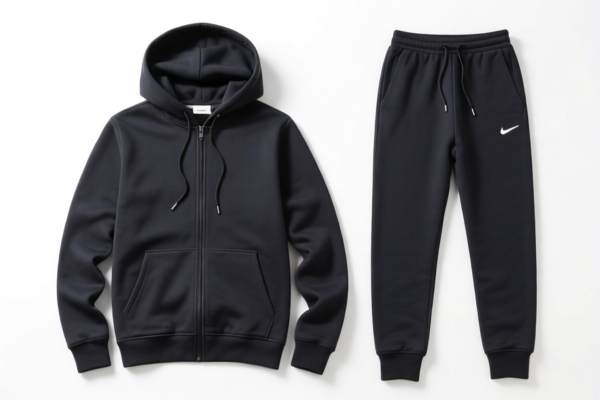
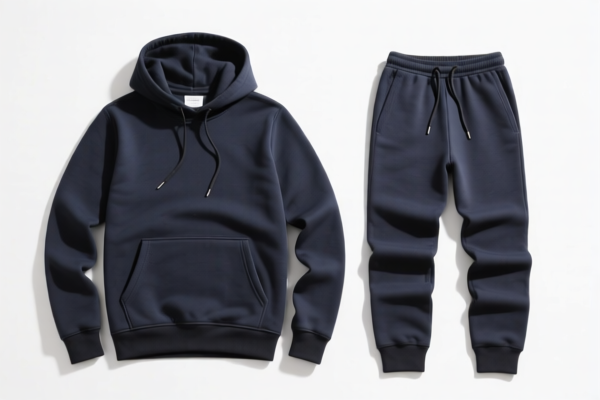
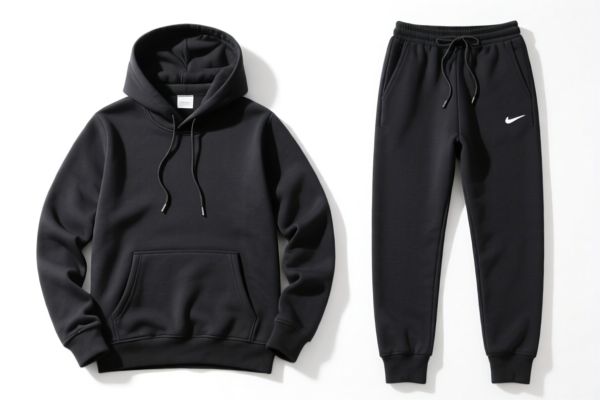
AI Analysis
🧢 Boys' Casual Sports Set (Men's/Children's Apparel)
🌐 HS Code Reference & Clearance Guide | 2026 Latest Tariff Analysis | Professional Entry Strategy
📌 I. Product Definition & Classification: Do You Really Understand "Sports Sets"?
A "Boys' Casual Sports Set" typically refers to a coordinated outfit (e.g., jacket + pants or shirt + shorts) designed for leisure, sports, or daily wear for boys/children. In international trade, classification depends heavily on three factors: 1. Manufacturing Process: Knitted (knitted/crocheted) vs. Woven. 2. Material Composition: Cotton vs. Synthetic/Artificial Fibers. 3. Target Audience: Men's/Boys' vs. Girls'/Infants'.
⚠️ Key Distinction Point:
- If the item is knitted (e.g., sweatpants, jerseys), it falls under Chapter 61.
- If the item is woven (e.g., windbreakers, cotton trousers), it falls under Chapter 62.
- Ensembles (sets) are often taxed based on the material that gives the set its essential character or by applying the rate applicable to each component if separated.
📦 II. HS Code Classification Details (2026 Latest Tariff Authority Comparison)
| HS Code | Product Description | Applicable Scenario | Material/Type |
|---|---|---|---|
6211.32.50.50 |
Other garments, men's or boys', other, other, other, of cotton | Woven sports suits, mainly for cotton material | 🧵 Woven / Cotton |
6211.33.50.35 |
Other garments, men's or boys', other, other, other, of synthetic fibers | Woven sports suits, mainly for synthetic material (Polyester, Nylon, etc.) | 🧵 Woven / Synthetic |
6103.22.00.20 |
Men's or boys' ensembles, knitted or crocheted, of cotton | Knitted suits (e.g., sweatsets) made of cotton | 🧶 Knitted / Cotton |
6103.22.00.30 |
Men's or boys' ensembles, knitted or crocheted, of cotton (General/Fallback) | Knitted suits, cotton-based, where specific use doesn't override general rules | 🧶 Knitted / Cotton |
6203.22.30.10 |
Men's or boys' suits, ensembles, of cotton | Woven suits/ensembles specifically defined as "Of cotton" | 🧵 Woven / Cotton Ensemble |
🔍 Key Reminder:
- Knitted (Chapter 61) vs. Woven (Chapter 62) is the first major split.
- "Ensembles" (6103.22 / 6203.22) imply a coordinated set (e.g., jacket + pants) sold together.
- If the set is not explicitly defined as an "ensemble" by national tariff notes, components may be taxed separately, leading to the formula: "The rate applicable to each garment in the ensemble if separately classified + additional duties."
💰 III. 2026 Latest Tariff Rate Details (Including Surtaxes & Policy Add-ons)
✅ Applicable Country: United States (US)
✅ Origin: China (CN)
✅ Effective Time: Post-November 2025 (Including subsequent imports)
🎯 1. Woven Cotton Sports Sets: 6211.32.50.50 & 6203.22.30.10
| Item | Content |
|---|---|
| Base Tariff | 8.1% (for 6211.32.50.50) OR "Rate applicable to each garment..." (for 6203.22.30.10) |
| Section 301 Surtax | +7.5% (Standard USITC 301 Tariff) |
| 122 Clause Tariff | +10% (Specific to certain apparel/textile categories under new trade policies) |
| Total Tariff | 25.6% (for 6211.32.50.50) OR "Rate applicable to each garment... + 17.5%" (for 6203.22.30.10) |
| Tax Calculation | CIF Value × Total Rate |
| De Minimis Eligible? | ❌ No (High tariff rates usually exclude small packages from de minimis exemption in this category) |
| Legal Basis | USITC:6211.32.50.50 + Section 301 Footnote + 122 Clause Policy |
📌 Explanation:
- For 6211.32.50.50 (Woven, Other, Cotton), the total is a flat 25.6% (8.1% Base + 7.5% 301 + 10% 122).
- For 6203.22.30.10 (Woven Ensemble, Cotton), the tariff is calculated as the sum of the rates of individual pieces (if sold separately) plus the 17.5% surcharge (7.5% + 10%). This often results in a similar or higher burden if the pieces are high-tariff items.
🎯 2. Woven Synthetic Sports Sets: 6211.33.50.35
| Item | Content |
|---|---|
| Base Tariff | 16.0% |
| Section 301 Surtax | +7.5% |
| 122 Clause Tariff | +10% |
| Total Tariff | 33.5% |
| Tax Calculation | CIF Value × 33.5% |
| De Minimis Eligible? | ❌ No |
| Legal Basis | USITC:6211.33.50.35 + Section 301 Footnote + 122 Clause Policy |
📌 Note:
- Synthetic fibers (Polyester, etc.) often have higher base tariffs (16.0%) than cotton (8.1%) in this chapter.
- Total 33.5% is significantly higher than the cotton counterpart.
- Avoid this HS Code if possible by using cotton blends or switching to knitted structures (see below).
🎯 3. Knitted Cotton Sports Sets: 6103.22.00.20 & 6103.22.00.30
| Item | Content |
|---|---|
| Base Tariff | "The rate applicable to each garment in the ensemble if separately classified" |
| Section 301 Surtax | +7.5% |
| 122 Clause Tariff | +10% |
| Total Tariff | "Rate applicable to each garment... + 17.5%" |
| Tax Calculation | Sum of individual component rates (if separated) + 17.5% |
| De Minimis Eligible? | ❌ No |
| Legal Basis | USITC:6103.22.00.20 + Section 301 Footnote + 122 Clause Policy |
📌 Caution:
- While the base rate might be lower for knitted items, the "ensemble" rule is complex.
- If the jacket and pants are classified separately, you add their individual tariffs.
- Example: If a knitted jacket is 4% and pants are 4%, the base is 8%, plus 17.5% surtax = 25.5%.
- Crucial: Check if the specific knitted item has a base rate >8%. If so, the total could exceed 30%.
🛠️ IV. Clearance Practical Advice (Real-World Pitfall Guide)
✅ 1. Documentation Checklist (Must-Haves)
| Document | Mandatory? | Explanation |
|---|---|---|
| ✅ Product Specification Sheet | ✔️ | Must clearly state: "Boys' Sports Set", "Knitted/Woven", "100% Cotton/Polyester". |
| ✅ Material Composition Label | ✔️ | Photo of the care label is critical for HS Code verification. |
| ✅ Set Composition Details | ✔️ | List each item in the set (e.g., 1 Jacket, 1 Pair of Pants). |
| ✅ Commercial Invoice | ✔️ | Must describe as "Boys' Casual Sports Set (Ensemble)". |
| ✅ Origin Certificate | ✔️ | If applicable, to verify CN origin for 301/122 duties. |
| ✅ Packaging Photos | ✔️ | Show if items are packaged together as a single retail unit. |
✅ 2. Declaration Tips (Key Mnemonics)
🔥 "Knitted = Ch61, Woven = Ch62, Cotton = Cheaper, Synthetic = Expensive!"
| Scenario | Correct Declaration | Wrong Practice |
|---|---|---|
| Cotton Woven Set | 6211.32.50.50 |
Use 6211.33 (Synthetic) → Higher Tax (33.5%) |
| Polyester Woven Set | 6211.33.50.35 |
Use 6211.32 (Cotton) → Misdeclaration Risk |
| Knitted Cotton Set | 6103.22.00.20 |
Use 6211 (Woven) → Classification Error |
| Non-Ensemble (Loose Items) | Declare each item separately | Declare as one "Set" incorrectly → Customs Penalty |
✅ 3. Special Case Handling
| Situation | Handling Advice |
|---|---|
| Mixed Material (e.g., 80% Cotton, 20% Poly) | Usually classified by cotton (6211.32 or 6103.22) unless synthetic dominates. Check local rules. |
| Set with Accessories (e.g., Hat, Belt) | If accessory is minor, it may be included in the ensemble. If major, it might be separated. |
| Infants vs. Boys | "Boys" (6103/6203) vs. "Infants" (6111/6209). Ensure age range is correct to avoid classification error. |
| Knitted vs. Woven Ambiguity | Provide fabric swatch or tech pack. Knitted is stretchy/looped; Woven is flat/interlaced. |
🌍 V. Global Market Clearance Comparison (2026 Latest)
| Country/Region | Recommended HS Code | Estimated Tariff (China Origin) | Key Certifications | Notes |
|---|---|---|---|---|
| 🇺🇸 USA | 6211.32.50.50 (Cotton Woven) |
25.6% | None specific | High surtax (301+122) |
| 🇪🇺 EU | 6211.32 |
~8-12% | CE (if functional) | Lower base rates, no 301 |
| 🇨🇳 China | 6211.32 |
~12-15% | CCC (if applicable) | Import duties apply |
| 🇦🇺 Australia | 6211.32 |
~5-10% | None | AFTA benefits if applicable |
| 🇯🇵 Japan | 6211.32 |
~9-13% | PSE (if electronic) | JETRO rules apply |
📌 Conclusion:
- USA is the most expensive market due to Section 301 (7.5%) and 122 Clause (10%) add-ons.
- Cotton materials generally attract lower base tariffs than synthetics in Chapter 62.
- Knitted items (Ch61) may offer slightly lower base rates but complex ensemble calculations.
📌 VI. Common Mistakes & Pitfall Guide (Blood & Tears Lessons)
❌ Mistake 1: Declaring a Woven Cotton Set as Synthetic (6211.33)
👉 Consequence: Tax jumps from 25.6% to 33.5% → Lost Profit!
❌ Mistake 2: Declaring a Knitted Set as Woven (6211)
👉 Consequence: Classification error → Customs Hold, Inspection, Delay!
❌ Mistake 3: Ignoring the "Ensemble" Rule for Knitted Items
👉 Consequence: If the set is declared as one unit but customs splits it, you might owe more if individual items have higher rates. Always clarify "Ensemble" status.
❌ Mistake 4: Not Specifying "Boys" vs. "Men"
👉 Consequence: Wrong subheading → Penalty for Misdeclaration.
✅ Correct Approach:
"Boys' Knitted Cotton Sports Set (Jacket + Pants), 100% Cotton, Retail Packaged, Model XYZ"
🎯 VII. Conclusion: Professional Declaration, Save Time & Money!
🎯 Remember the Mnemonic:
🔹 "Cotton Woven 25.6%, Synthetic Woven 33.5%, Knitted Ensembles Split Rates!"
🔹 "Chapter 61 = Knitted, Chapter 62 = Woven, Material Dictates Cost!"
📌 Pro Tip:
- If your product is knitted, ensure you have the fabric structure confirmed.
- If your product is woven, prefer Cotton over Synthetic to save ~8% in base tariff.
- Always calculate the total landed cost including 301 (7.5%) and 122 (10%) surcharges.
📣 Immediate Action:
📞 Contact a professional customs broker + Provide Fabric Swatch + Verify HS Code Pre-Ruling
🚀 Ensure your sports sets, smooth clearance, efficient export, and max profit!
✨ Professional Clearance Starts with Accurate Classification!
💼 Every cent of your cost deserves precise calculation!
Customer Reviews
About HS Code Classification
The Harmonized System (HS) is an internationally standardized nomenclature developed by the World Customs Organization (WCO) to classify traded products. Over 200 countries use the HS system as the basis for customs tariffs, trade statistics, and import/export regulations.
Each HS code follows a hierarchical structure:
- Chapter (2 digits) — Broad category of goods (e.g., Chapter 84: Machinery and Mechanical Appliances)
- Heading (4 digits) — More specific grouping within the chapter
- Subheading (6 digits) — Internationally standardized breakdown, used by all WCO member countries
- National subdivisions (8-10 digits) — Country-specific extensions for further classification, such as US HTSUS 10-digit codes
Correct HS code classification is essential for smooth customs clearance, accurate duty payment, and compliance with trade regulations. Misclassification can lead to customs delays, overpayment of duties, or penalties.
When importing from CN to US, the applicable tariff rates may include:
- Most-Favored-Nation (MFN) rate — The standard duty rate applied to WTO members
- General rate — Applied to countries without trade agreements
- Trade remedy duties — Additional tariffs such as Section 301 (anti-dumping), Section 232 (national security), or countervailing duties
The information provided on this page is for reference purposes only. For official classification, please consult with your local customs authority or a licensed customs broker.