Boys' Casual Sports Suit
CN → US| HS Code | Tariff Rate | Origin | Destination | Doc |
|---|---|---|---|---|
| 6211325050 | 25.6% | CN | US | Official Doc |
| 6211335035 | 33.5% | CN | US | Official Doc |
| 6203223010 | 0.0% | CN | US | Official Doc |
| 6103220020 | 0.0% | CN | US | Official Doc |
| 6103220030 | 0.0% | CN | US | Official Doc |
Product Images
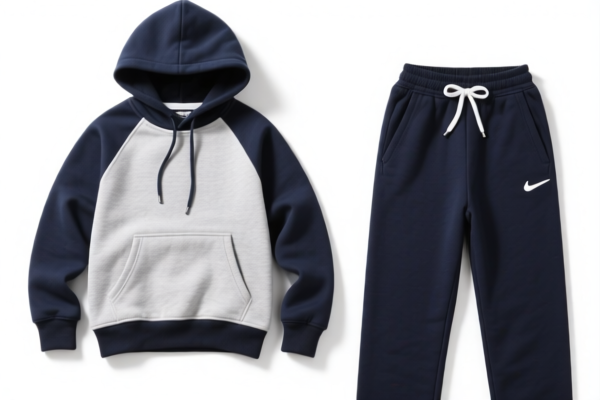
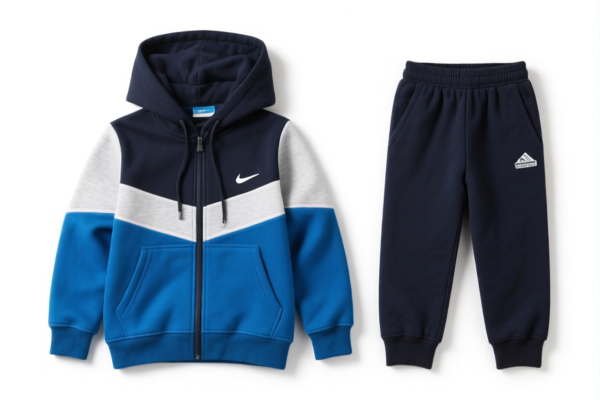
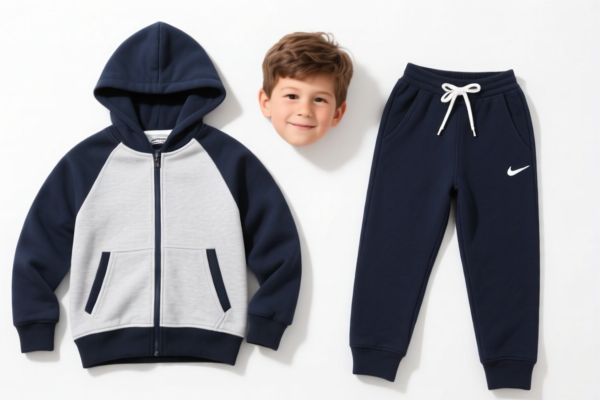

AI Analysis
👕 Boys' Casual Sports Suit (Garments, Textile)
🌐 HS Code Reference & Customs Clearance Guide | 2026 Latest Tariff Analysis | Professional通关 Strategy
📌 1. Product Definition & Classification: Do You Truly Understand "Sports Sets"?
A "Boys' Casual Sports Suit" (often referred to as a track suit or athletic ensemble) is a two-piece garment ensemble, typically consisting of a jacket/top and trousers/shorts. In international trade, classification depends heavily on: 1. Material Composition (Cotton vs. Synthetic/Man-made fibers). 2. Manufacturing Process (Knitted/Crocheted vs. Woven). 3. Specific Design Features (e.g., presence of pockets, closures, type of collar).
⚠️ Key Distinction Points:
- Knitted (61xx) vs. Woven (62xx): This is the most critical split. Knitted fabrics stretch; woven fabrics do not.
- Material: Cotton (Natural) vs. Synthetic/Man-made (Polyester, Nylon, Rayon, etc.).
- Target Audience: "Boys" usually implies children under a certain age/height, often influencing sub-heading selection.
📦 2. HS Code Classification Matrix (Based on Provided Data)
The provided data indicates four primary classification paths depending on the material and weave type. All applicable rates include a 7.5% Additional Tariff and a 10% Section 301/122 Tariff on top of the base rate.
| HS Code | Product Description | Material Inference | Weave Type | Application Scenario |
|---|---|---|---|---|
6211.32.50.50 |
Men's/Boys' Sports Suit | Cotton | Woven | Woven cotton tracksuits, windbreakers, casual suits. |
6211.33.50.35 |
Men's/Boys' Sports Suit | Synthetic/Man-made | Woven | Polyester/nylon woven athletic wear, technical fabrics. |
6203.22.30.10 |
Pure Cotton Boys' Casual Suit | Pure Cotton | Woven | Specific sub-category for pure cotton boys' ensembles. |
6103.22.00.20 |
Pure Cotton Boys' Casual Suit | Cotton | Knitted | Knitted cotton sweatshirts + sweatpants (jersey/fleece). |
6103.22.00.30 |
Pure Cotton Boys' Casual Suit | Cotton | Knitted | Fallback/General category for knitted cotton boys' suits. |
🔍 Critical Note:
- If your product is Knitted (like sweatpants), look at 6103 codes.
- If your product is Woven (like windbreaker jackets or dressy track suits), look at 6211 or 6203 codes.
- The term "Casual Sports Suit" is broad; you must verify the fabric weave to avoid misclassification.
💰 3. 2026 Tariff Rate Breakdown (With Additional Taxes & Policy Surcharges)
✅ Applicable Country: USA (US)
✅ Origin: China (CN)
✅ Effective Time: Rates apply to imports post-2025 (including current Section 301/122 provisions)
🎯 Scenario A: Woven Cotton Sports Suit (6211.32.50.50)
| Item | Detail |
|---|---|
| Base Tariff | 8.1% |
| Additional Tariff | 7.5% |
| Section 301/122 Tariff | 10% |
| Total Effective Rate | 25.6% |
| Tax Calculation | CIF Value × 25.6% |
| De Minimis Eligibility | ❌ Not Eligible (High tariffs generally block de minimis benefits for certain categories or require full duty payment). |
| Legal Path | Base Rate → Section 301 Footnotes → Section 122 Provisions |
📌 Explanation:
- The 8.1% is the standard Most Favored Nation (MFN) rate for woven cotton suits.
- The 7.5% is an additional surcharge (often linked to specific trade remedies).
- The 10% is the Section 301/122 tariff specifically targeting Chinese textile/apparel imports.
- Total: 25.6%. This is a significant cost factor.
🎯 Scenario B: Woven Synthetic/Man-Made Fiber Suit (6211.33.50.35)
| Item | Detail |
|---|---|
| Base Tariff | 16.0% |
| Additional Tariff | 7.5% |
| Section 301/122 Tariff | 10% |
| Total Effective Rate | 33.5% |
| Tax Calculation | CIF Value × 33.5% |
| De Minimis Eligibility | ❌ Not Eligible |
| Legal Path | Base Rate → Section 301 Footnotes → Section 122 Provisions |
📌 Explanation:
- Synthetic fibers (Polyester/Nylon) often have higher base tariffs (16.0%) than cotton (8.1%) due to domestic industry protections.
- Total: 33.5%. This is the highest cost scenario. Avoid this if possible, or ensure your pricing absorbs this margin.
🎯 Scenario C: Cotton Boys' Casual Suits (6203.22.30.10 & 6103.22.00.xx)
For these specific sub-headings, the base rate is dynamic: "The rate applicable to each garment in the ensemble if separately classified."
1. Woven Cotton (6203.22.30.10)
| Item | Detail |
|---|---|
| Base Tariff | Variable (Rate of individual pieces if separate) |
| Additional Tariff | 7.5% |
| Section 301/122 Tariff | 10% |
| Total Effective Rate | Variable Base + 17.5% |
| Example Base Rate | ~8-10% (depending on specific garment type, e.g., trousers vs. jacket) |
| Likely Total | ~25.5% - 27.5% |
2. Knitted Cotton (6103.22.00.20 / 6103.22.00.30)
| Item | Detail |
|---|---|
| Base Tariff | Variable (Rate of individual pieces if separate) |
| Additional Tariff | 7.5% |
| Section 301/122 Tariff | 10% |
| Total Effective Rate | Variable Base + 17.5% |
| Example Base Rate | ~10-12% (Knitted cotton often has slightly higher base rates than woven) |
| Likely Total | ~27.5% - 29.5% |
📌 Important Note on "Ensemble" Rule:
- Under GRI 3(b), sets are classified as if they were the constituent parts.
- If the jacket is 10% duty and pants are 8% duty, the higher rate (10%) often applies to the whole set, plus the 17.5% additional/122 tariffs.
- Total Calculation = (Higher Base Rate) + 7.5% + 10%.
🛠️ 4. Customs Clearance Operational Advice (Practical Pitfall Guide)
✅ 1. Required Documentation Checklist (Mandatory)
| Document | Required? | Details |
|---|---|---|
| ✅ Product Specification Sheet | ✔️ | Must clearly state: Fabric composition (e.g., 100% Cotton), Weave type (Knitted/Woven), Age range (Boys). |
| ✅ Tech Pack / Sketches | ✔️ | Shows design details (pockets, zippers, cuffs) to verify if it’s a "suit" or separate garments. |
| ✅ Fabric Swatches | ✔️ | Crucial for proving Knitted vs. Woven. Customs may request physical samples for verification. |
| ✅ Commercial Invoice | ✔️ | Must clearly describe as "Boys' Cotton Sports Suit Set, Woven, HS Code 6211.32.50.50". |
| ✅ Packing List | ✔️ | Clearly list items: 1 Jacket, 1 Pair Trousers. Do not ship as "Miscellaneous Clothing." |
| ✅ Origin Certificate | ✔️ | If shipped from China, confirm Country of Origin to apply correct Section 301 tariffs. |
✅ 2. Declaration Strategy (Key Formulas)
🔥 "Define Weave, Define Material, Declare Set, Pay Correct Duty!"
| Scenario | Correct Declaration | Wrong Declaration | Consequence |
|---|---|---|---|
| Woven Cotton Suit | HS: 6211.32.50.50 |
Misclassify as Knitted (6103) |
Audit Risk: 25.6% vs ~28% (minor diff) but potential penalty for false declaration. |
| Synthetic Woven Suit | HS: 6211.33.50.35 |
Misclassify as Cotton (6211.32) |
High Risk: 33.5% vs 25.6%. Customs will demand back-taxes + penalties. |
| Knitted Cotton Suit | HS: 6103.22.00.xx |
Misclassify as Woven (6203) |
Audit Risk: Base rates differ. Ensure "Knitted" is stated. |
| Loose Items (No Set) | Declare Separately | Declare as "Set" | Overpayment: If not a set, each piece is taxed individually. If set, one higher rate applies. |
✅ 3. Special Handling Tips
| Situation | Recommendation |
|---|---|
| Mixed Materials | If the jacket is Cotton and pants are Polyester, do not declare as a set. Declare separately to avoid the highest rate applying to the whole set if not legally a "set." |
| "Casual" vs. "Sports" | Ensure the description matches the design. If it’s formal wear disguised as sports, customs may reclassify. Use terms like "Athletic Wear," "Track Suit," "Sweat Set." |
| Section 122/301 Exemptions | Check if your specific HTS subheading was excluded from the 10% Section 301 tariff in recent years. (Current data suggests inclusion). |
| Pre-Ruling | For large volumes, apply for a CBP Binding Ruling to confirm the HS Code (6211 vs 6103) and tariff liability before shipment. |
🌍 5. Global Market Comparison (2026 Overview)
| Market | Recommended HS Code | Est. Duty Rate (China Origin) | Key Requirements |
|---|---|---|---|
| 🇺🇸 USA | 6211.32.50.50 (Woven Cotton) |
25.6% | Section 301 + 122 Tariffs Apply. Strict enforcement on "Set" definition. |
| 🇺🇸 USA | 6211.33.50.35 (Synthetic) |
33.5% | High duty. Consider sourcing from non-China countries if volume is large. |
| 🇨🇳 China | 6103 / 6211 |
5% - 10% | Standard MFN rates. No Section 301. |
| 🇪🇺 EU | 6103 / 6203 |
8% - 12% | No Section 301. CE marking not required for clothing, but REACH compliance needed. |
| 🇬🇧 UK | 6103 / 6203 |
8% - 12% | Post-Brexit rules. Check UK Global Tariff. |
| 🇨🇦 Canada | 6103 / 6203 |
16% - 18% | CUSMA benefits may apply if made in Canada/Mexico. |
📌 Conclusion for US Importers:
- Cotton Woven (6211.32.50.50) is the most cost-effective Chinese-origin option at 25.6%.
- Synthetic Woven (6211.33.50.35) is the most expensive at 33.5%.
- Knitted (6103) rates vary but include the 17.5% add-ons.
- Always verify "Knitted" vs "Woven" before shipping. Misclassification is the #1 cause of customs delays.
📌 6. Common Mistakes & Pitfalls (Lessons Learned)
❌ Mistake 1: Declaring a Knitted Set as Woven (6211)
👉 Result: Incorrect Base Rate. Customs may reclassify and charge the correct rate + penalties.
👉 Fix: Provide fabric swatches proving the knit structure.
❌ Mistake 2: Not Identifying the "Set" Properly
👉 Result: If items are not "customarily sold together," customs may tax each item separately. If one item has a higher duty rate, you may overpay.
👉 Fix: Ensure packaging and invoice clearly state "Set" and list components.
❌ Mistake 3: Ignoring Section 301/122 Tariffs
👉 Result: Underpaying duties. The 10% surcharge is significant.
👉 Fix: Always include the 10% in your landed cost calculation.
❌ Mistake 4: Vague Description "Clothing Set"
👉 Result: Customs examiner discretion. They may choose the highest applicable rate.
👉 Fix: Use precise language: "Boys' 2-Piece Cotton Woven Track Suit, Jacket & Pants, HS 6211.32.50.50."
✅ Best Practice Declaration:
"Boys' Sports Suit, 2-Piece Set, Consisting of Woven Jacket and Trousers, 100% Cotton, Country of Origin: China, HS Code: 6211.32.50.50"
🎯 7. Conclusion: Precise Classification, Profit Protection!
🎯 Remember the Formula:
🔹 Woven Cotton →
6211.32.50.50→ 25.6% (Best for Cotton)
🔹 Woven Synthetic →6211.33.50.35→ 33.5% (Avoid if possible)
🔹 Knitted Cotton →6103.22.xx→ Variable + 17.5%
🔹 Always Add: 7.5% Additional + 10% Section 301/122 Tariffs.
📌 Pro Tip:
If you are importing large volumes, consider supply chain diversification to countries not subject to Section 301 tariffs (e.g., Vietnam, Bangladesh) if the 10% surcharge impacts your margins significantly.
✨ Professional Clearance Starts with Accurate HS Codes!
💼 Your Bottom Line Depends on Correct Classification!
Customer Reviews
About HS Code Classification
The Harmonized System (HS) is an internationally standardized nomenclature developed by the World Customs Organization (WCO) to classify traded products. Over 200 countries use the HS system as the basis for customs tariffs, trade statistics, and import/export regulations.
Each HS code follows a hierarchical structure:
- Chapter (2 digits) — Broad category of goods (e.g., Chapter 84: Machinery and Mechanical Appliances)
- Heading (4 digits) — More specific grouping within the chapter
- Subheading (6 digits) — Internationally standardized breakdown, used by all WCO member countries
- National subdivisions (8-10 digits) — Country-specific extensions for further classification, such as US HTSUS 10-digit codes
Correct HS code classification is essential for smooth customs clearance, accurate duty payment, and compliance with trade regulations. Misclassification can lead to customs delays, overpayment of duties, or penalties.
When importing from CN to US, the applicable tariff rates may include:
- Most-Favored-Nation (MFN) rate — The standard duty rate applied to WTO members
- General rate — Applied to countries without trade agreements
- Trade remedy duties — Additional tariffs such as Section 301 (anti-dumping), Section 232 (national security), or countervailing duties
The information provided on this page is for reference purposes only. For official classification, please consult with your local customs authority or a licensed customs broker.