Boys' Cotton Flannel Shirt (Two Colors)
CN → US| HS Code | Tariff Rate | Origin | Destination | Doc |
|---|---|---|---|---|
| 6205202061 | 37.2% | CN | US | Official Doc |
| 6105100020 | 37.2% | CN | US | Official Doc |
| 5208424000 | 46.4% | CN | US | Official Doc |
| 6205202056 | 37.2% | CN | US | Official Doc |
| 6105100030 | 37.2% | CN | US | Official Doc |
Product Images
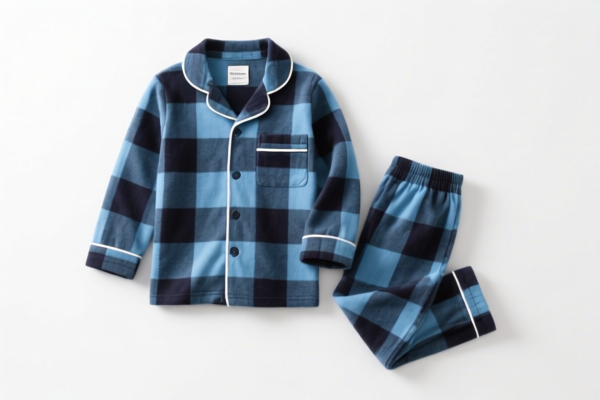
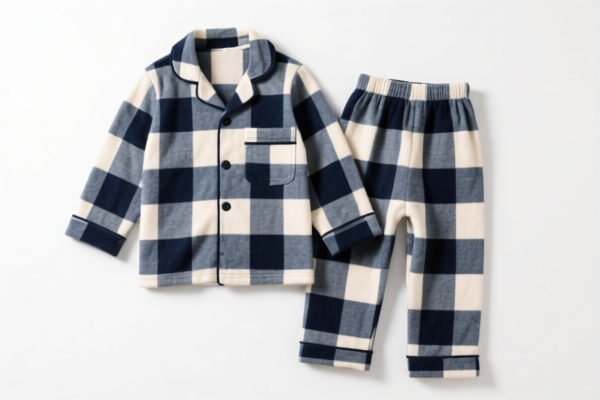
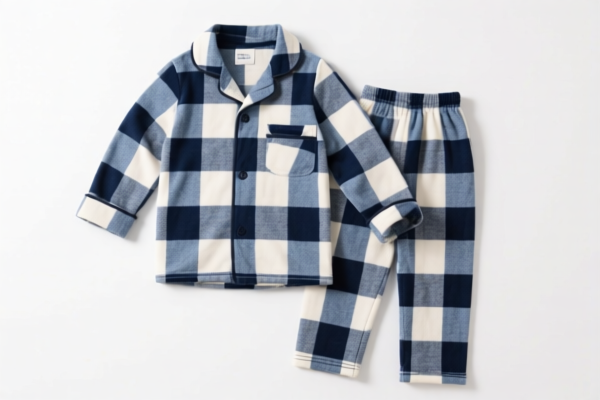

AI Analysis
👕 Boys' Cotton Flannel Shirt (Two Colors)
🌐 HS Code Reference & Customs Clearance Guide | 2026 Latest Tariff Analysis | Professional Clearance Strategy
📌 I. Product Definition & Classification: Do You Really Understand "Boys' Cotton Flannel Shirt"?
A Boys' Cotton Flannel Shirt is a garment primarily made of woven cotton fabric, designed for male children. In international trade, the classification hinges on two critical factors: 1. Fabric Structure: Is it Woven (机织物) or Knitted (针织)? 2. Material Composition: Is it 100% Cotton (棉制)?
⚠️ Key Distinction:
- Woven (机织物): Fabric constructed by interlacing warp and weft yarns. This is the most common structure for "flannel shirts" if described as "woven." → HS Code Group 62
- Knitted (针织): Fabric constructed by looping yarns. If the shirt is made from knit flannel (less common for traditional stiff shirts, but possible for soft sleepwear-style shirts). → HS Code Group 61
📦 II. HS Code Classification Details (2026 Latest Tariff Authority Comparison)
Based on the provided data, here are the exact HS Codes and their corresponding tax breakdowns for Boys' Cotton Shirts. Note that while the summary mentions "Flannel," the specific HS codes depend on the construction method (Woven vs. Knitted).
| HS Code | Product Description | Key Feature | Total Tax Rate |
|---|---|---|---|
6205.20.20.61 |
Boys' Cotton Shirt, Two Colors, Woven | Woven (机织物), Two-color design | 37.2% |
6205.20.20.56 |
Boys' Cotton Shirt, Two Colors, Woven | Woven (机织物), Two-color design | 37.2% |
6105.10.00.20 |
Boys' Cotton Shirt, Knitted | Knitted (针织) | 37.2% |
6105.10.00.30 |
Boys' Cotton Shirt, Knitted or Woven Structure | Knitted/Woven (针织或织物结构) | 37.2% |
🔍 Important Note:
- HS Code 62 is for Woven garments.
- HS Code 61 is for Knitted or crocheted garments.
- Even though the tax rate is the same (37.2%) for all these specific codes, the HS Code number itself determines the legal classification. Misclassifying a Woven shirt as Knitted (or vice versa) can lead to clearance delays.
💰 III. 2026 Latest Tariff Rate Breakdown (Including Additional Taxes & Policy Surcharges)
✅ Applicable Country: United States (US)
✅ Country of Origin: China (CN)
✅ Effective Date: 2025 onwards (including subsequent imports)
🎯 1. For Woven Boys' Cotton Shirts (6205.20.20.61 / 6205.20.20.56)
| Item | Content |
|---|---|
| Base Tariff | 19.7% (Ad Valorem) |
| Section 301 Surcharge | +7.5% |
| Section 122 Tariff | +10% |
| Total Effective Rate | 37.2% |
| Tax Calculation | CIF Value × 37.2% |
| De Minimis Exemption? | ❌ Not Eligible (Section 122 and certain Section 301 goods are excluded from de minimis benefits) |
| Legal Basis Path | HTSUS:6205.20 → 301 List → 122 Provision |
📌 Explanation:
- "Base Tariff 19.7%": This is the standard Most Favored Nation (MFN) rate for boys' cotton shirts under heading 6205.
- "Section 301 Surcharge 7.5%": Additional duty imposed on Chinese-origin goods under the Trade Act of 1974, Section 301.
- "Section 122 Tariff 10%": A specific surcharge often applied to certain textile/apparel imports to protect domestic industries.
- Total: 37.2% is a significant cost burden that must be factored into your pricing strategy.
🎯 2. For Knitted Boys' Cotton Shirts (6105.10.00.20 / 6105.10.00.30)
| Item | Content |
|---|---|
| Base Tariff | 19.7% (Ad Valorem) |
| Section 301 Surcharge | +7.5% |
| Section 122 Tariff | +10% |
| Total Effective Rate | 37.2% |
| Tax Calculation | CIF Value × 37.2% |
| De Minimis Exemption? | ❌ Not Eligible |
| Legal Basis Path | HTSUS:6105.10 → 301 List → 122 Provision |
📌 Note:
- Even though knitted garments fall under Chapter 61, the tax structure is identical to the woven counterparts in this dataset.
- "Knitted or Woven Structure" (6105.10.00.30): This code may apply if the product is ambiguous, but customs will require clear evidence (e.g., fabric swatch test) to determine the actual structure.
🛠️ IV. Customs Clearance Practical Advice (Battle-Tested Pitfall Avoidance Guide)
✅ 1. Required Documentation Checklist (None Can Be Missing)
| Document | Must Provide | Description |
|---|---|---|
| ✅ Product Specification Sheet | ✔️ | Must state: Material (100% Cotton), Construction (Woven/Knitted), Design (Two-color), Target Demographic (Boys) |
| ✅ Fabric Composition Certificate | ✔️ | Proof that the fabric is indeed "Cotton" and not a blend (which would change the HS code) |
| ✅ Product Photos (Including Labels) | ✔️ | Clear images of the shirt, showing the collar, buttons, and the "Made in China" label |
| ✅ Commercial Invoice | ✔️ | Must clearly describe as "Boys' Cotton Shirt, Woven/Knitted" |
| ✅ Packing List | ✔️ | Itemize units, weights, and dimensions |
| ✅ Freight Bill | ✔️ | For calculating CIF value |
✅ 2. Declaration Tips (Key Mantra)
🔥 "Fabric Structure First, Material Second, Color Third!"
| Scenario | Correct Declaration | Wrong Practice |
|---|---|---|
| Woven Flannel Shirt | Use 6205.20.20.61 or 6205.20.20.56 |
Misdeclare as Knitted → Risk of audit |
| Knitted Cotton Shirt | Use 6105.10.00.20 or 6105.10.00.30 |
Misdeclare as Woven → Risk of audit |
| Mixed Pack (Woven & Knitted) | Separate Lines in Invoice | Combine into one line → Confusion & Delay |
| "Flannel" Description | Specify "Woven Cotton Flannel" | Just say "Flannel Shirt" → Ambiguous |
✅ 3. Special Case Handling
| Situation | Handling Advice |
|---|---|
| Two-Color Design | Ensure the invoice mentions "Two-Color" if it affects the specific sub-code (e.g., .61 vs .56). If the codes are interchangeable, choose the one that best fits your documentation. |
| Boys' vs. Unisex | Clearly state "Boys'" in the description. If classified as "Unisex," it might fall under different subheadings with different rates. |
| Cotton Content | If the cotton content is less than 100% (e.g., Cotton-Polyester blend), the HS code changes entirely (e.g., to 6205.20.20.90 or similar). Strictly verify 100% Cotton for the codes above. |
🌍 V. Global Market Comparison (2026 Latest)
| Country/Region | Recommended HS Code | Tariff (China Origin) | Certification Requirements | Notes |
|---|---|---|---|---|
| 🇺🇸 USA | 6205.20.20.61 / 6105.10.00.20 |
37.2% (19.7% Base + 7.5% Sec 301 + 10% Sec 122) | None specific for apparel, but strict labeling (Fiber content, Country of Origin) | High tariff burden; plan for cost absorption |
| 🇨🇳 China | 6205.20.20.61 / 6105.10.00.20 |
Varies (Export) | CCC (if applicable) | Export duties may apply; focus on import country tariffs |
| 🇪🇺 EU | 6205.20.99 / 6105.10.90 |
8% (MFN Rate) | REACH, Textile Regulation | No Section 301 or 122 tariffs; much cheaper than US |
| 🇬🇧 UK | 6205.20.99 / 6105.10.90 |
8% | UKCA Marking (post-Brexit) | Similar to EU |
📌 Conclusion:
- The 37.2% total tariff is specific to US Imports from China.
- If you are exporting to the EU or other regions, the tariff is significantly lower (~8%).
- Strategic Advice: If selling to the US, consider pricing strategies that absorb the 37.2% cost, or explore supply chain adjustments (e.g., assembly in a third country) if legally compliant.
📌 VI. Common Errors & Pitfall Avoidance Guide (Lessons Learned)
❌ Mistake 1: Ignoring the "Woven vs. Knitted" distinction
👉 Consequence: Customs may reclassify the goods, leading to delays, fines, or retroactive tax adjustments.
❌ Mistake 2: Failing to specify "Boys'"
👉 Consequence: If classified as "Men's" or "Unisex," the HS code might shift, potentially altering the duty rate or quota status.
❌ Mistake 3: Mislabeling Cotton Content
👉 Consequence: If the shirt is 95% Cotton / 5% Spandex, it may still fall under 6205.20, but if it's 50% Cotton, it falls under a different code (e.g., 6205.20.90). Accuracy is key.
❌ Mistake 4: Assuming "Flannel" is a separate HS category
👉 Consequence: "Flannel" describes the fabric finish, not the HS structure. The HS code depends on Weave/Knit and Material.
✅ Correct Practice:
"Boys' Cotton Flannel Shirt, Woven, Two-Color, 100% Cotton, Model XYZ, Made in China"
🎯 VII. Conclusion: Professional Declaration, Save Time, Reduce Costs!
🎯 Remember the Mantra:
🔹 "Woven is 62, Knitted is 61, 37.2% is the US Price!"
🔹 "Check the fabric, check the label, avoid customs trouble!"
📌 Pro Tip:
If you are importing large volumes, consider applying for an Advance Ruling (Pre-classification) from US Customs and Border Protection (CBP). This provides legal certainty on the HS code and tariff rate, protecting you from future disputes.
📣 Immediate Action:
📞 Contact a professional customs broker + Provide fabric swatch + Verify 100% Cotton content
🚀 Ensure your Boys' Cotton Flannel Shirts clear customs smoothly, efficiently, and cost-effectively!
✨ Professional clearance starts with accurate classification!
💼 Every cent of tax savings is hard-earned profit!
Customer Reviews
About HS Code Classification
The Harmonized System (HS) is an internationally standardized nomenclature developed by the World Customs Organization (WCO) to classify traded products. Over 200 countries use the HS system as the basis for customs tariffs, trade statistics, and import/export regulations.
Each HS code follows a hierarchical structure:
- Chapter (2 digits) — Broad category of goods (e.g., Chapter 84: Machinery and Mechanical Appliances)
- Heading (4 digits) — More specific grouping within the chapter
- Subheading (6 digits) — Internationally standardized breakdown, used by all WCO member countries
- National subdivisions (8-10 digits) — Country-specific extensions for further classification, such as US HTSUS 10-digit codes
Correct HS code classification is essential for smooth customs clearance, accurate duty payment, and compliance with trade regulations. Misclassification can lead to customs delays, overpayment of duties, or penalties.
When importing from CN to US, the applicable tariff rates may include:
- Most-Favored-Nation (MFN) rate — The standard duty rate applied to WTO members
- General rate — Applied to countries without trade agreements
- Trade remedy duties — Additional tariffs such as Section 301 (anti-dumping), Section 232 (national security), or countervailing duties
The information provided on this page is for reference purposes only. For official classification, please consult with your local customs authority or a licensed customs broker.