Boys' Cotton Outdoor Casual Coveralls
CN → US| HS Code | Tariff Rate | Origin | Destination | Doc |
|---|---|---|---|---|
| 6211325010 | 25.6% | CN | US | Official Doc |
| 6211329010 | 25.6% | CN | US | Official Doc |
| 6112110010 | 32.4% | CN | US | Official Doc |
| 6203223010 | 0.0% | CN | US | Official Doc |
| 6103220020 | 0.0% | CN | US | Official Doc |
Product Images
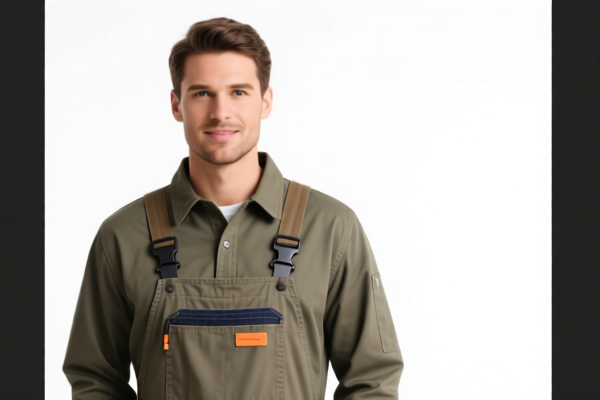
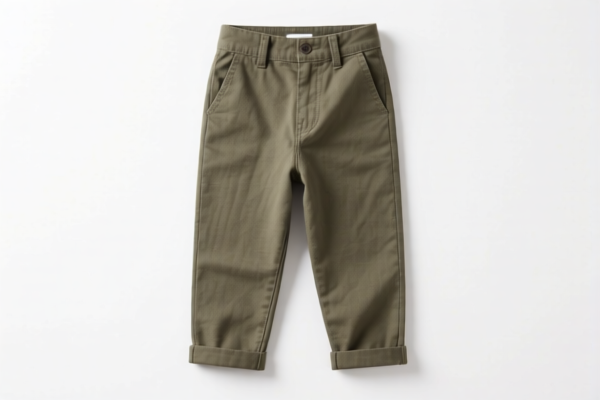
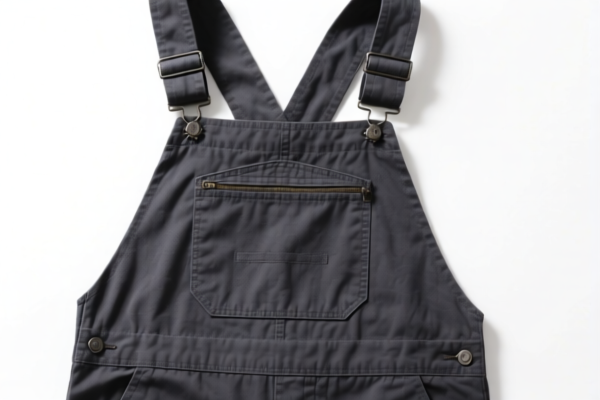
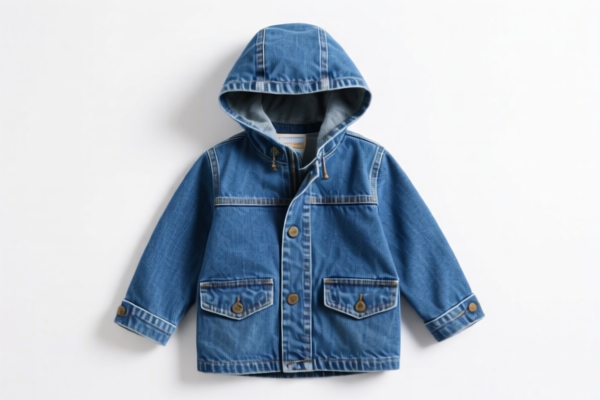
AI Analysis
👕 Boys' Cotton Outdoor Casual Coveralls: The Ultimate HS Code & Tax Strategy Guide
🌐 HS Code Classification & Clearance Guide | 2026 Updated Tax Breakdown | Expert Customs Strategy
📌 I. Product Definition & Classification: Are You Sure You Know "Coveralls"?
Boys' Cotton Outdoor Casual Coveralls are a specific category of children's outerwear designed for outdoor activities, characterized by a one-piece design (top and bottom connected) made primarily of cotton. In international trade, the classification depends heavily on the construction method (knitted vs. woven) and the garment type (suit vs. single garment).
⚠️ Critical Classification Distinction:
- Knitted (Jersey/Weft-knitted): Soft, stretchy fabric (e.g., T-shirt style). Classifies under Chapter 61. - Woven (Twill/Oxford/Denim): Structured, durable fabric (e.g., workwear style). Classifies under Chapter 62. - Set vs. Single: If the coverall is a single piece, it falls under specific "Overalls" codes. If sold as a separate top and bottom that form a set, it may be classified as an "Ensemble" (套装).
📦 II. HS Code Classification Details (2026 Official Tariff Reference)
Based on the provided data for Boys' Cotton Outdoor Casual Coveralls, here is the authoritative breakdown:
| HS Code | Product Description | Material & Type | Classification Logic |
|---|---|---|---|
| 6211.32.50.10 | Cotton Woven Boys' Coveralls | Woven, Cotton, Male/Generic | Woven one-piece garment. "Other" woven male garments. |
| 6211.32.90.10 | Cotton Woven Boys' Coveralls (Other) | Woven, Cotton, Male/Generic | Woven one-piece garment. Specific sub-category for variations not in 50.10. |
| 6112.11.00.10 | Cotton Knitted Boys' Coveralls | Knitted, Cotton, Sport/Casual | Knitted garment. Specifically covers "Knitted tracksuits" or sportswear. |
| 6203.22.30.10 | Cotton Woven Boys' Casual Suit | Woven, Cotton, Ensemble (Set) | Ensemble (Set): If the "Coverall" is sold as a separate top+bottom set that appears as one piece, it may be classified as a "Suit". |
| 6103.22.00.20 | Cotton Knitted Boys' Casual Suit | Knitted, Cotton, Ensemble (Set) | Ensemble (Set): If the "Coveralls" are knitted and sold as a set (top+bottom), they fall under knitted suits. |
🔍 Key Clarification:
- Chapters 61 vs. 62: This is the most critical split. Knitted = Chapter 61; Woven = Chapter 62. - Coveralls (6211/6112) vs. Suits (6203/6103): True "Coveralls" (one-piece, bib/strap design) usually go to 6211/6112. If the item is a separate jacket + pants sold together as a "set" for matching purposes, it may be misclassified or classified as a "Suit" (6203/6103) depending on the exact cut and trade declaration.
💰 III. 2026 Tax Rate Breakdown (US Import Data)
✅ Applicable Market: United States (US)
✅ Origin: China (CN)
✅ Effective Date: Based on current trade data (Section 301 & 122 provisions)
✅ Base Rates: Include Section 301 "Additional" tariffs and 122 Section tariffs.
🎯 1. Woven Cotton Coveralls (6211.32.50.10 & 6211.32.90.10)
| Item | Detail |
|---|---|
| Product | Woven Boys' Cotton Coveralls |
| Base Duty | 8.1% (Basic Tariff) |
| Section 301 Tariff | +7.5% (Additional Duty) |
| Section 122 Tariff | +10.0% (Specific Trade Remedy) |
| Total Effective Rate | 25.6% |
| Legal Basis | 8.1% + 7.5% + 10% = 25.6% |
📌 Analysis:
These codes apply to woven cotton coveralls. The 25.6% rate is a composite of the standard MFN rate, Section 301 additional duties, and Section 122 specific tariffs. This is a moderate-high tariff, requiring careful cost calculation.
🎯 2. Knitted Cotton Coveralls (6112.11.00.10)
| Item | Detail |
|---|---|
| Product | Knitted Boys' Cotton Coveralls (Sport/Casual) |
| Base Duty | 14.9% (Basic Tariff) |
| Section 301 Tariff | +7.5% (Additional Duty) |
| Section 122 Tariff | +10.0% (Specific Trade Remedy) |
| Total Effective Rate | 32.4% |
| Legal Basis | 14.9% + 7.5% + 10% = 32.4% |
📌 Analysis:
Knitted garments attract a higher base tariff (14.9%) compared to woven ones (8.1%). Consequently, the total tax burden for knitted coveralls is 32.4%. This is a significant cost increase for soft, stretchy cotton coveralls.
🎯 3. Boys' Cotton Casual "Suits" / Ensembles (6203.22.30.10 & 6103.22.00.20)
| Item | Detail |
|---|---|
| Product | Cotton Boys' Casual Suits (Ensembles) |
| Base Duty | Varies (Rate applicable to each garment if separated) |
| Section 301 Tariff | +7.5% |
| Section 122 Tariff | +10% |
| Total Effective Rate | (Base Rate + 17.5%) |
| Legal Basis | Base (woven: ~8.1% or knitted: ~14.9%) + 7.5% + 10% |
📌 Critical Note:
For Ensembles (Sets), the "Rule of Origin" and "Ensemble Rules" apply. If the set is considered an ensemble, the duty is often calculated based on the most dutiable component or the sum of the duties if separated. - If Woven: ~8.1% + 17.5% = 25.6% (Similar to Woven Coveralls) - If Knitted: ~14.9% + 17.5% = 32.4% (Similar to Knitted Coveralls) - Note: The data lists the total as "Base + 17.5%", confirming the Section 301 + 122 sum is 17.5%.
🛠️ IV. Clearance Operational Advice (Risk Avoidance & Strategy)
✅ 1. Documentation Checklist (Must-Haves)
| Document | Requirement | Why It Matters |
|---|---|---|
| ✅ Fabric Composition Certificate | 100% Cotton (or % breakdown) | Crucial: To distinguish between 6112 (Knitted) and 6211 (Woven). |
| ✅ Product Photos (Flat & On Model) | Must show one-piece design | Proof of "Coverall": Differentiates from "Suit/Ensemble" (6203/6103). If it looks like two pieces, customs may tax it as a suit. |
| ✅ Knitting/Weaving Method Proof | Lab test or manufacturer statement | Classification Key: Confirms if it falls under Chapter 61 (32.4%) or 62 (25.6%). |
| ✅ Commercial Invoice | Detailed description: "Boys' Woven/Knitted Cotton Coverall" | Clarity: Must specify "One-Piece" to avoid being classified as an Ensemble. |
| ✅ Packing List | Quantity, Weight, Dimensions | Customs Verification: Ensures no discrepancies in shipment volume. |
✅ 2. Declaration Tips (The "Golden Rules")
🔥 Rule #1: "One-Piece" is King
- If the garment is sewn as one piece (bib + legs connected), declare as 6211/6112. - If it is two separate pieces (jacket + pants) sold together, it may be classified as 6203/6103 (Ensemble). While the tax rate might be similar, the classification logic changes, and misdeclaration can lead to penalties.🔥 Rule #2: Knitted vs. Woven is a Money Trap
- Woven (Twill/Denim): 25.6% Total Tax. - Knitted (Jersey/Stretch): 32.4% Total Tax. - Strategy: If designing for the US market, consider woven construction to save 6.8% in tariffs compared to knitted.🔥 Rule #3: "Casual" vs. "Sport"
- The HS Code6112.11.00.10specifically mentions "Sportswear". If the coverall is designed for outdoor play (hiking, fishing), it fits here. If it's purely fashion/casual, ensure the description matches the "Sport" definition to avoid reclassification.
✅ 3. Special Scenarios & Pitfalls
| Scenario | Risk | Solution |
|---|---|---|
| "Looks like a Suit" | Customs may re-classify Coverall as Ensemble (6203/6103), triggering "Base Rate + 17.5%" calculation which might differ if components have different tax rates. |
Ensure photos clearly show the one-piece construction. |
| "Cotton Blend" | If cotton is <85%, the tax rate changes (usually lower base rate but different HS Code). | Declare exact %. If 100% Cotton, use the codes above. |
| "Section 122" Exemption | Section 122 (10%) is specific to certain Chinese goods. | Verify: Check if your specific product line is subject to the 10% Section 122 tariff (often applies to textiles/clothing). |
| "De Minimis" Risk | Small shipments might be subject to different rules, but Section 301/122 usually apply regardless of volume. | Do not rely on De Minimis for these categories. |
🌍 V. Quick Comparison: Woven vs. Knitted (The Cost Impact)
| Feature | Woven Coveralls (6211) |
Knitted Coveralls (6112) |
|---|---|---|
| Fabric Feel | Stiff, Durable, Structured | Soft, Stretchy, Flexible |
| Base Tax | 8.1% | 14.9% |
| Add-On Taxes | 7.5% + 10% | 7.5% + 10% |
| Total Tax | 25.6% | 32.4% |
| Cost Difference | Baseline | +6.8% Higher |
| Recommendation | Preferred for US Export to minimize tax burden. | Use only if fabric comfort is the primary selling point. |
📌 VI. Conclusion & Final Action Plan
🎯 Key Takeaway:
The distinction between Woven (6211) and Knitted (6112) is the single most important factor for Boys' Cotton Outdoor Casual Coveralls. Woven coveralls save you 6.8% in total taxes (25.6% vs 32.4%).
✅ Action Steps: 1. Confirm Fabric Construction: Is it woven or knitted? 2. Verify One-Piece Design: Ensure it qualifies as "Coveralls" (6211/6112) and not "Ensembles" (6203/6103). 3. Calculate Landed Cost: Apply 25.6% for woven or 32.4% for knitted to your CIF value. 4. Prepare Proof: Have photos and fabric reports ready for Customs.
🚀 Pro Tip:
If you can switch from Knitted to Woven cotton for your "Outdoor Casual" line, you will immediately improve your profit margin by 6.8% without changing the product's appearance!
✨ Precision in Classification = Precision in Profit!
💼 Don't let the 32.4% tax rate catch you off guard!
📞 Consult your customs broker to verify the "Knitted vs. Woven" status before shipping!
Customer Reviews
About HS Code Classification
The Harmonized System (HS) is an internationally standardized nomenclature developed by the World Customs Organization (WCO) to classify traded products. Over 200 countries use the HS system as the basis for customs tariffs, trade statistics, and import/export regulations.
Each HS code follows a hierarchical structure:
- Chapter (2 digits) — Broad category of goods (e.g., Chapter 84: Machinery and Mechanical Appliances)
- Heading (4 digits) — More specific grouping within the chapter
- Subheading (6 digits) — Internationally standardized breakdown, used by all WCO member countries
- National subdivisions (8-10 digits) — Country-specific extensions for further classification, such as US HTSUS 10-digit codes
Correct HS code classification is essential for smooth customs clearance, accurate duty payment, and compliance with trade regulations. Misclassification can lead to customs delays, overpayment of duties, or penalties.
When importing from CN to US, the applicable tariff rates may include:
- Most-Favored-Nation (MFN) rate — The standard duty rate applied to WTO members
- General rate — Applied to countries without trade agreements
- Trade remedy duties — Additional tariffs such as Section 301 (anti-dumping), Section 232 (national security), or countervailing duties
The information provided on this page is for reference purposes only. For official classification, please consult with your local customs authority or a licensed customs broker.