Boys' Fashion Pajama Set (Other Materials)
CN → US| HS Code | Tariff Rate | Origin | Destination | Doc |
|---|---|---|---|---|
| 6111905070 | 24.9% | CN | US | Official Doc |
| 6107299000 | 15.6% | CN | US | Official Doc |
| 6111909000 | 23.1% | CN | US | Official Doc |
| 6107292000 | 26.0% | CN | US | Official Doc |
| 6207299030 | 24.6% | CN | US | Official Doc |
Product Images
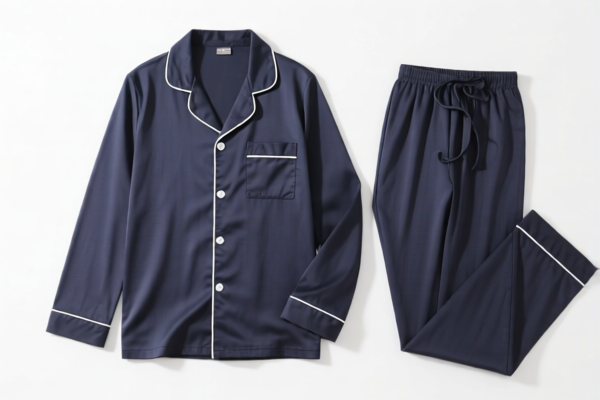
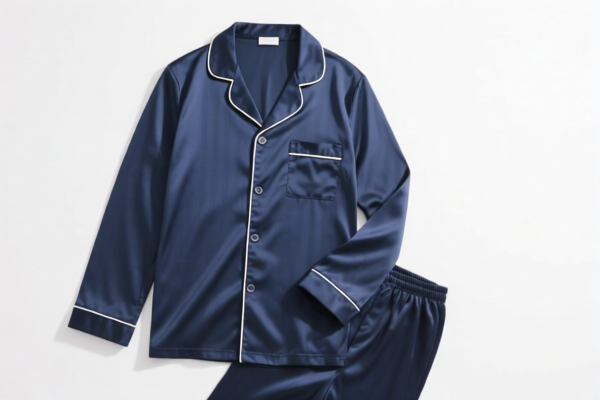
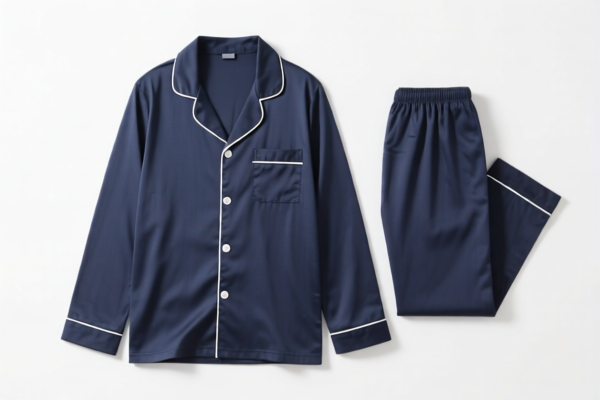
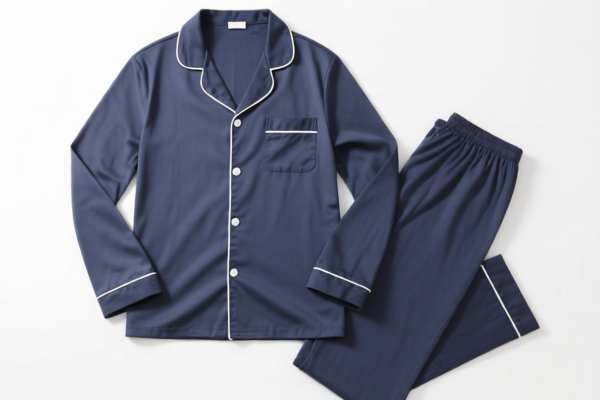
AI Analysis
👕 Boys' Fashion Pajama Set (Other Textile Materials)
🌐 HS Code Reference & Customs Clearance Guide | 2026 Latest Tariff Analysis | Professional Transit Strategy
📌 I. Product Definition & Classification: What exactly is "Other Materials"?
Boys' Fashion Pajama Sets are sleepwear items for male children. In international trade, the specific material composition is the critical determinant for HS Code classification. When the label states "Other Materials," it typically excludes: * Cotton (Chapter 61/62 main categories): Most common but has its own specific subheadings. * Silk, Wool, or specific synthetic fibers that have dedicated headings in Chapters 61/62.
"Other Materials" usually refers to blended fabrics, synthetic fibers not explicitly listed in primary headings, or other textile materials. The classification diverges sharply based on: 1. Form: Is it a Set (Jacket + Pants/Shorts packaged together) or a Single Item (e.g., just a top)? 2. Chapter: Chapter 61 (Knitted/Crocheted) vs. Chapter 62 (Non-Knitted/Weaved).
⚠️ Key Distinction Point:
- Pajama SET (Jacket + Bottoms): Generally falls under 6111 (if knit) or 6207 (if woven), but specific subheadings for "Sets" may vary by country. - Single Piece (e.g., Top only): Falls under 6107 (if knit) or 6207 (if woven). - Material: If the fabric is synthetic knit, it’s often 6107/6111. If woven, it’s 6207. The data provided suggests a mix of 61xx (Knitted) and 62xx (Woven) codes, implying the material classification is broad ("Other").
📦 II. HS Code Classification Matrix (2026 Latest Tariff对照)
| HS Code | Product Description | Form | Total Tax Rate | Key Differentiator |
|---|---|---|---|---|
6111.90.50.70 |
Boys' Pajama Set, Other Textile Materials | Set | 24.9% | Knitted/Crocheted Set; Specific subheading for "Sets" |
6107.29.90.00 |
Boys' Pajamas (Top/Single), Other Textile Materials | Single | 15.6% | Knitted/Crocheted Single Piece; Lower tax due to non-set status |
6111.90.90.00 |
Baby/Child Clothing, Other Textile Materials | General | 23.1% | Broad category for children's wear; Includes Section 122 Tariff |
6107.29.20.00 |
Boys' Pajama Set, Other Textile Materials | Set | 26.0% | Knitted/Crocheted Set; Highest tax among knit options |
6207.29.90.30 |
Boys' Pajamas (Top/Single), Woven, Other Materials | Single | 24.6% | Non-Knitted (Woven) Single Piece; Distinct from Chapter 61 |
🔍 Critical Insight:
- Sets vs. Singles: Notice the price difference between6111.90.50.70(24.9%) and6107.29.90.00(15.6%). Packaging matters! If you ship a jacket and pants separately, they might be classified as single items, but Customs often requires them to be declared as a "Set" if intended for sale together. - Chapter 61 vs. 62:61xxitems are Knitted/Crocheted (stretchy, jersey-like).6207items are Woven/Non-Knitted (structured, flannel-like). Ensure your fabric composition matches the chapter.
💰 III. 2026 Tariff Rate Breakdown (Including Additional Duties)
✅ Applicable Country: United States (US)
✅ Origin: China (CN)
✅ Effective Time: 2025/2026 Current Tariffs
🎯 1. 6111.90.50.70 – Boys' Pajama Set (Knitted, Other Materials)
| Item | Detail |
|---|---|
| Base Tariff | 14.9% |
| Additional Tariff (Section 301) | 0.0% |
| Section 122 Tariff | 10.0% |
| Total Effective Rate | 24.9% |
| Calculation | CIF Value × 24.9% |
| De Minimis Exemption | ❌ No (Deny De Minimis for apparel from China under recent rules) |
📌 Explanation:
- The 14.9% base rate is standard for this specific knitwear subheading. - No Section 301 tariff applies here (unlike electronics), but the Section 122 tariff of 10% is applied specifically to certain textile/apparel imports to protect domestic manufacturing. - Total Cost Driver: The 10% Section 122 is the major added cost.
🎯 2. 6107.29.90.00 – Boys' Pajamas Single Item (Knitted)
| Item | Detail |
|---|---|
| Base Tariff | 5.6% |
| Additional Tariff (Section 301) | 0.0% |
| Section 122 Tariff | 10.0% |
| Total Effective Rate | 15.6% |
| Calculation | CIF Value × 15.6% |
| De Minimis Exemption | ❌ No |
📌 Note:
- Lower base rate (5.6%) because single items are often less protected than full sets. - Still subject to the 10% Section 122 tariff.
🎯 3. 6107.29.20.00 – Boys' Pajama Set (Knitted)
| Item | Detail |
|---|---|
| Base Tariff | 8.5% |
| Additional Tariff (Section 301) | 7.5% |
| Section 122 Tariff | 10.0% |
| Total Effective Rate | 26.0% |
| Calculation | CIF Value × 26.0% |
| De Minimis Exemption | ❌ No |
📌 Warning:
- This is the highest taxed item in the list. - It incurs both the 7.5% Section 301 tariff and the 10% Section 122 tariff. - Avoid this subheading if possible; consider6111.90.50.70instead.
🎯 4. 6207.29.90.30 – Boys' Pajamas Single Item (Woven)
| Item | Detail |
|---|---|
| Base Tariff | 7.1% |
| Additional Tariff (Section 301) | 7.5% |
| Section 122 Tariff | 10.0% |
| Total Effective Rate | 24.6% |
| Calculation | CIF Value × 24.6% |
| De Minimis Exemption | ❌ No |
📌 Note:
- Woven fabrics (Chapter 62) generally face higher Section 301 tariffs than knitted ones. - Combine with Section 122, resulting in a high total duty.
🎯 5. 6111.90.90.00 – Baby/Child Clothing (General)
| Item | Detail |
|---|---|
| Base Tariff | 5.6% |
| Additional Tariff (Section 301) | 7.5% |
| Section 122 Tariff | 10.0% |
| Total Effective Rate | 23.1% |
| Calculation | CIF Value × 23.1% |
| De Minimis Exemption | ❌ No |
📌 Note:
- A broader category. Use only if the specific "Pajama" subheadings do not apply. - Still subject to the combined 17.5% additional tariffs (7.5% + 10%).
🛠️ IV. Customs Clearance Practical Advice (Risk Avoidance Guide)
✅ 1. Documentation Checklist (Non-Negotiable)
| Document | Required | Reason |
|---|---|---|
| ✅ Commercial Invoice | ✔️ | Must clearly state "Boys' Pajama Set" and fabric content (e.g., "100% Polyester Knit"). |
| ✅ Packing List | ✔️ | Detail items per box. If Sets are boxed together, declare as "Set". |
| ✅ Fabric Content Label | ✔️ | Customs will check the interior tag. "Other Materials" must be specific (e.g., "Viscose/Spandex Blend"). |
| ✅ Product Photos | ✔️ | Show the full set (top+bottom) to justify "Set" classification. |
| ✅ Test Reports | ✔️ | Flammability standards (CPSIA for US) are critical for children's sleepwear. |
✅ 2. Classification Strategy (Key Mantra)
🔥 “Fabric Defines Chapter, Form Defines Subheading, Tariffs Define Cost!”
| Scenario | Correct Declaration | Risk if Incorrect |
|---|---|---|
| Knitted Set | 6111.90.50.70 |
Risk of being misclassified as 6107 (Single) → Underpayment penalty. |
| Woven Set | Likely 6207 (if applicable) |
Using 61xx codes → Rejection by Customs. |
| "Other Materials" | Define precisely (e.g., "Acrylic Blend") | Vague "Other" → Customs may assign worst-case tariff. |
| Children's Wear | Include Age Range (e.g., "For Boys 2-7 Years") | Missing age info → Delayed clearance. |
✅ 3. Special Considerations for Children's Clothing
- Flammability Standards: US Customs and CBP collaborate with CPSC. Ensure your pajamas meet 16 CFR Part 1615/1616 (flammability standards) for children's sleepwear. Non-compliance leads to seizure.
- Small Part Safety: Buttons, zippers, and snaps must be securely attached and meet CPSIA lead/phthalate limits.
- "Set" Definition: If the top and bottom are sold separately online but shipped together, Customs may still consider them a set if packaged as a unit. Declare based on how they are sold to the end consumer.
🌍 V. Market Comparison & Cost Implications
| Market | Recommended HS Code | Est. Total Tax | Key Requirement |
|---|---|---|---|
| 🇺🇸 USA | 6111.90.50.70 (Set) or 6107.29.90.00 (Single) |
15.6% - 24.9% | CPSIA Compliance, Flammability Labels |
| 🇪🇺 EU | 6107.21 (Cotton) or similar |
~0-12% | REACH Compliance, CE Marking (if applicable) |
| 🇨🇳 China | 6111.90 |
~9-14% | GB Standards (Quality & Safety) |
📌 Conclusion:
- The USA imposes the highest effective duty on these items due to Section 122 and potential Section 301 tariffs. - Cheapest Option:6107.29.90.00(15.6%) – but only if you can legally declare them as single items (e.g., selling tops and bottoms separately). - Most Common:6111.90.50.70(24.9%) – for traditional 2-piece sets.
📌 VI. Common Errors & Pitfalls (Lessons Learned)
❌ Error 1: Declaring a "Set" as a "Single Item" to save tax
👉 Consequence: Customs audit finds mismatch between invoice and physical shipment → Seizure + Fine.
❌ Error 2: Vague material description ("Other")
👉 Consequence: Customs assigns a default higher tariff or rejects the entry.
✅ Fix: Specify the exact fiber blend (e.g., "80% Polyester, 20% Spandex").
❌ Error 3: Ignoring Flammability Labels
👉 Consequence: CPSC seizure, not just Customs.
✅ Fix: Ensure permanent labels with washing instructions and flammability warnings are sewn into every garment.
🎯 VII. Conclusion: Professional Declaration Saves Money!
🎯 Remember:
🔹 "Knit vs. Woven: Chapter 61 or 62?"
🔹 "Set or Single? Tax varies by 10-15%!"
🔹 "Always declare 'Other Materials' precisely!"
📌 Pro Tip:
If your product is a blended fabric, ensure the weight percentage of the dominant fiber is clearly stated. If "Other" is used, provide a technical spec sheet to justify the classification.
Apply for a Binding Ruling from US CBP if your shipment volume is high, to lock in the HS Code and tariff rate in advance.
📣 Act Now:
📞 Consult a Licensed Customs Broker
📝 Prepare Flammability Test Reports
🚀 Optimize Your Declaration for Smooth Clearance!
✨ Precision in Classification, Profit in Clearance!
💼 Your Sleepwear Brand Deserves a Smooth Entry!
Customer Reviews
About HS Code Classification
The Harmonized System (HS) is an internationally standardized nomenclature developed by the World Customs Organization (WCO) to classify traded products. Over 200 countries use the HS system as the basis for customs tariffs, trade statistics, and import/export regulations.
Each HS code follows a hierarchical structure:
- Chapter (2 digits) — Broad category of goods (e.g., Chapter 84: Machinery and Mechanical Appliances)
- Heading (4 digits) — More specific grouping within the chapter
- Subheading (6 digits) — Internationally standardized breakdown, used by all WCO member countries
- National subdivisions (8-10 digits) — Country-specific extensions for further classification, such as US HTSUS 10-digit codes
Correct HS code classification is essential for smooth customs clearance, accurate duty payment, and compliance with trade regulations. Misclassification can lead to customs delays, overpayment of duties, or penalties.
When importing from CN to US, the applicable tariff rates may include:
- Most-Favored-Nation (MFN) rate — The standard duty rate applied to WTO members
- General rate — Applied to countries without trade agreements
- Trade remedy duties — Additional tariffs such as Section 301 (anti-dumping), Section 232 (national security), or countervailing duties
The information provided on this page is for reference purposes only. For official classification, please consult with your local customs authority or a licensed customs broker.