Boys' Handmade Shantou Cloth Shirt
CN → US| HS Code | Tariff Rate | Origin | Destination | Doc |
|---|---|---|---|---|
| 6105202030 | 49.5% | CN | US | Official Doc |
| 6205201000 | 26.2% | CN | US | Official Doc |
| 6211325060 | 25.6% | CN | US | Official Doc |
| 6105100030 | 37.2% | CN | US | Official Doc |
| 6205201000 | 26.2% | CN | US | Official Doc |
Product Images
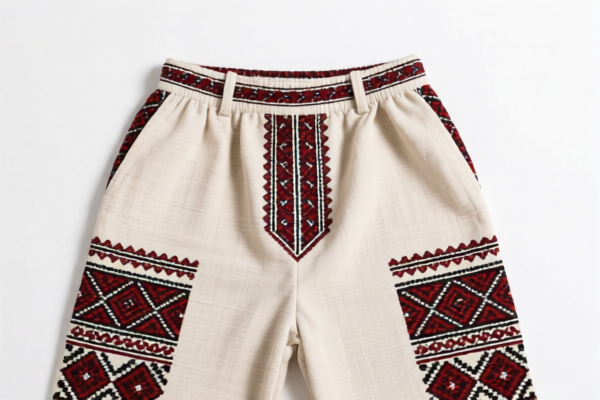
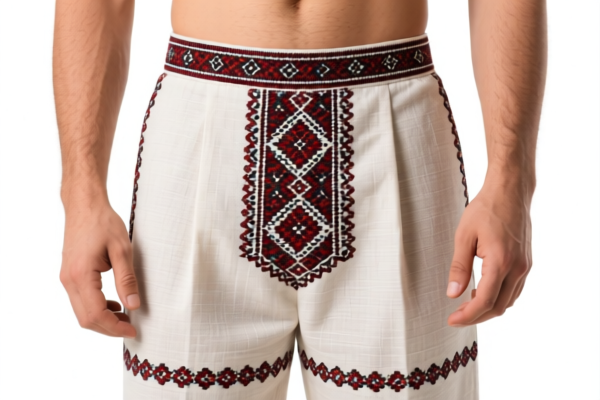
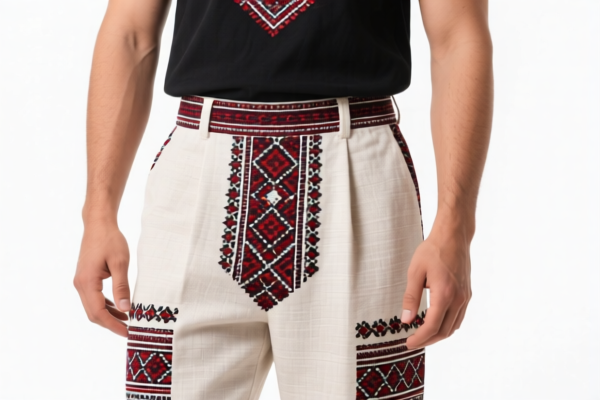
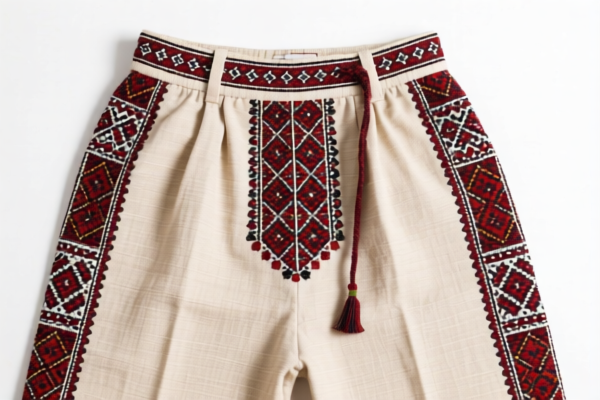
AI Analysis
👕 Boys' Handmade Shantou Cloth Shirt
🌐 HS Code Reference & Customs Clearance Guide | 2026 Latest Tariff Analysis | Professional Clearance Strategy
📌 I. Product Definition & Classification: Do You Really Understand "Shantou Cloth"?
Boys' Handmade Shantou Cloth Shirts are traditional or casual garments featuring intricate weaving or handcrafted techniques, typically associated with the Shantou region's textile heritage. In international trade, classification hinges on three critical factors:
Knitted vs. Woven Fabric:
- If the shirt is made from knitted fabric (stretchable, looped structure), it falls under Chapter 61.
- If the shirt is made from woven fabric (rigid, interlaced structure), it falls under Chapter 62.
Handmade vs. Mass-Produced:
- "Handmade" does not automatically exempt goods from standard tariff lines but may influence material deduction or specific duty treatments.
- The key distinction lies in the fabric construction, not just the labor process.
⚠️ Key Differentiator:
- If the fabric is knitted/crocheted → Classify under 6105.
- If the fabric is woven → Classify under 6205 or 6211.
- Do NOT assume "Handmade" implies a unique HS code; it must still fit into standard textile categories.
📦 II. HS Code Classification Details (2026 Latest Tariff Authority Comparison)
| HS Code | Product Description | Application Scenario | Fabric Type | Total Tax Rate | Tax Detail Breakdown |
|---|---|---|---|---|---|
6105.20.20.30 |
Men's/Boys' shirts, knitted or crocheted, of man-made fibers or other textile materials | Handmade shirts where fabric type is ambiguous or classified as "other" | Knitted/Crocheted | 49.5% | Base: 32.0%, Section 301: 7.5%, Section 301 (122 Clause): 10% |
6205.20.10.00 |
Men's/Boys' shirts, woven, of cotton | Woven cotton shirts for boys | Woven Cotton | 26.2% | Base: 8.7%, Section 301: 7.5%, Section 301 (122 Clause): 10% |
6211.32.50.60 |
Other garments, woven, of cotton, for sports/daily wear | Shirts classified as sports/daily outerwear due to design | Woven Cotton | 25.6% | Base: 8.1%, Section 301: 7.5%, Section 301 (122 Clause): 10% |
6105.10.00.30 |
Men's/Boys' shirts, knitted or crocheted, of cotton | Knitted cotton shirts for boys | Knitted Cotton | 37.2% | Base: 19.7%, Section 301: 7.5%, Section 301 (122 Clause): 10% |
🔍 Critical Note:
- The highest tax rate (49.5%) applies when the fabric is classified under the "other" category in Chapter 61, often due to ambiguity in material composition.
- Cotton shirts generally attract lower base duties but are still subject to significant Section 301 and 122 Clause tariffs.
- Woven vs. Knitted is the primary determinant of the chapter (61 vs. 62), which drastically affects the base duty rate.
💰 III. 2026 Latest Tariff Rate Details (Including Surtaxes & Policy Surcharges)
✅ Applicable Country: United States (US)
✅ Country of Origin: China (CN)
✅ Effective Date: From November 10, 2025 (including subsequent imports)
🎯 1. 6105.20.20.30 – Men’s/Boys’ Shirts, Knitted/Crocheted, Other Textile Materials
| Item | Content |
|---|---|
| Base Duty Rate | 32.0% (ad valorem) |
| Section 301 Surtax | +7.5% |
| Section 301 (122 Clause) Surtax | +10% |
| Total Duty Rate | 49.5% |
| Tax Calculation | CIF Value × 49.5% |
| De Minimis Eligibility | ❌ Not Eligible (De Minimis exemption does not apply to textile goods under these surtaxes) |
| Legal Basis Path | USITC:6105.20.20.30 → FOOTNOTE:9903.88.01 → IEEPA:9903.01.24 |
📌 Explanation:
- This is the highest tax bracket among the provided HS codes.
- The high base duty (32%) combined with Section 301 and 122 Clause surtaxes makes this category extremely costly.
- Risk: If the fabric composition is not clearly declared as cotton, customs may default to this "other" classification.
🎯 2. 6205.20.10.00 – Men’s/Boys’ Shirts, Woven, of Cotton
| Item | Content |
|---|---|
| Base Duty Rate | 8.7% |
| Section 301 Surtax | +7.5% |
| Section 301 (122 Clause) Surtax | +10% |
| Total Duty Rate | 26.2% |
| Tax Calculation | CIF Value × 26.2% |
| De Minimis Eligibility | ❌ Not Eligible |
| Legal Basis Path | USITC:6205.20.10.00 → FOOTNOTE:9903.88.01 → IEEPA:9903.01.24 |
📌 Note:
- This is the most common classification for woven cotton shirts.
- The base duty is significantly lower (8.7%) compared to knitted "other" materials.
- Recommendation: Ensure the product description explicitly states "Woven Cotton" to avoid being misclassified under higher-tax categories.
🎯 3. 6211.32.50.60 – Other Woven Garments, of Cotton, Sports/Daily Wear
| Item | Content |
|---|---|
| Base Duty Rate | 8.1% |
| Section 301 Surtax | +7.5% |
| Section 301 (122 Clause) Surtax | +10% |
| Total Duty Rate | 25.6% |
| Tax Calculation | CIF Value × 25.6% |
| De Minimis Eligibility | ❌ Not Eligible |
| Legal Basis Path | USITC:6211.32.50.60 → FOOTNOTE:9903.88.01 → IEEPA:9903.01.24 |
📌 Note:
- Slightly lower total tax (25.6%) than standard woven cotton shirts.
- Applicable if the shirt is marketed or designed as sports or daily outerwear.
- Caution: Misclassification as "sports wear" when it is clearly a formal or casual shirt may lead to customs audits.
🎯 4. 6105.10.00.30 – Men’s/Boys’ Shirts, Knitted/Crocheted, of Cotton
| Item | Content |
|---|---|
| Base Duty Rate | 19.7% |
| Section 301 Surtax | +7.5% |
| Section 301 (122 Clause) Surtax | +10% |
| Total Duty Rate | 37.2% |
| Tax Calculation | CIF Value × 37.2% |
| De Minimis Eligibility | ❌ Not Eligible |
| Legal Basis Path | USITC:6105.10.00.30 → FOOTNOTE:9903.88.01 → IEEPA:9903.01.24 |
📌 Note:
- Knitted cotton shirts have a higher base duty (19.7%) than woven cotton (8.7%).
- Comparison: If your shirt is knitted cotton, expect a 37.2% total tax, which is significantly higher than the 25-26% for woven counterparts.
🛠️ IV. Customs Clearance Practical Advice (Battlefield Pitfall Avoidance Guide)
✅ 1. Required Documentation Checklist (None Can Be Omitted)
| Document | Mandatory | Description |
|---|---|---|
| ✅ Product Specification Sheet | ✔️ | Must detail fabric type (Knitted/Woven), material composition (Cotton %), and handmade process |
| ✅ Fabric Composition Label | ✔️ | Clear photo of the interior label showing fiber content |
| ✅ Product Photos (Front/Back/Detail) | ✔️ | Show stitching, collar, cuffs, and any "handmade" tags |
| ✅ Commercial Invoice | ✔️ | Must explicitly state "Boys' Handmade Shantou Cloth Shirt" and HS Code |
| ✅ Packing List | ✔️ | Detail quantity per carton, net/gross weight |
| ✅ Proof of Handmade Process (Optional but Recommended) | ✔️ | Photos of production process or artisan statements to justify "Handmade" if claiming specific benefits |
✅ 2. Declaration Tips (Key Mantra)
🔥 "Fabric Defines Chapter, Cotton Lowers Base, Handmade Doesn't Exempt Tariff!"
| Scenario | Correct Declaration | Incorrect Action |
|---|---|---|
| Woven Cotton Shirt | 6205.20.10.00 (26.2%) |
Misdeclare as Knitted → 37.2% |
| Knitted Cotton Shirt | 6105.10.00.30 (37.2%) |
Misdeclare as Woven → 26.2% (Risk of Penalty) |
| Ambiguous Material | 6105.20.20.30 (49.5%) |
Do NOT guess; provide lab test to prove cotton |
| Sports-Design Shirt | 6211.32.50.60 (25.6%) |
Only if clearly marketed as sports/outwear |
✅ 3. Special Circumstances Handling
| Situation | Handling Advice |
|---|---|
| "Handmade" Claim | Customs may scrutinize if the product is actually machine-made. Provide evidence of manual labor to avoid reclassification as "mass-produced" (which might have different base rates but same surtaxes). |
| Mixed Fabric | If the shirt is 50% Cotton, 50% Polyester, it may fall under "man-made fibers" or "other," leading to 49.5% tax. Pure Cotton is preferred for lower duties. |
| Sample vs. Commercial | Ensure the commercial invoice matches the sample submitted for pre-ruling. Discrepancies cause delays. |
| Country of Origin | Must be clearly marked as "Made in China." Any ambiguity triggers higher scrutiny. |
🌍 V. Global Market Clearance Comparison (2026 Latest)
| Country/Region | Recommended HS Code | Duty Rate (China Origin) | Certification Required | Notes |
|---|---|---|---|---|
| 🇺🇸 USA | 6205.20.10.00 |
26.2% | None specific for textiles | Highest effective duty due to Surtaxes |
| 🇨🇳 China | 6205.20.10.00 |
~10-15% (Domestic) | CCC (if applicable) | Lower domestic duties, but export-focused |
| 🇪🇺 EU | 6205.20.10.00 |
~12% | CE (if functional) | No Section 301/122 Clause surtaxes |
| 🇬🇧 UK | 6205.20.10.00 |
~12% | UKCA (if functional) | Post-Brexit tariffs apply |
| 🇨🇦 Canada | 6205.20.10.00 |
~17.5% | None specific | No major surtaxes like US |
📌 Conclusion:
- The US market is the most expensive due to the cumulative effect of Base Duty + Section 301 + 122 Clause.
- Textile products from China face nearly 50% tax in some misclassified cases.
- Accurate fabric description is the #1 cost-saving measure.
📌 VI. Common Errors & Pitfall Avoidance Guide (Lessons Learned)
❌ Error 1: Declaring a Knitted shirt as Woven to save duty
👉 Consequence: Customs audit, penalty, and back-tariff payment. Risk: 26.2% vs 37.2%+
❌ Error 2: Failing to specify "Cotton" and leaving it as "Textile Material"
👉 Consequence: Default to 49.5% (Section 301 + 122 Clause on "Other"). Massive cost increase!
❌ Error 3: Ignoring the 122 Clause Tariff
👉 Consequence: Unexpected 10% surtax on top of Section 301. Many importers underestimate this.
❌ Error 4: Using "Shantou Cloth" without technical definition
👉 Consequence: Customs may reject the term as non-standard. Use "Woven Cotton Shirt" or "Knitted Cotton Shirt" instead.
✅ Correct Practice:
"Boys' Woven Cotton Shirt, Handmade Style, 100% Cotton, Model XYZ, Made in China"
🎯 VII. Conclusion: Professional Declaration Saves Money!
🎯 Remember the Mantra:
🔹 "Knitted vs. Woven Determines Chapter 61 or 62"
🔹 "Cotton Lowers Base Duty, But Surtaxes Add 17.5%"
🔹 "Ambiguity Costs You 49.5%, Precision Saves You 25%"
📌 Pro Tip:
If your shirts are 100% Cotton and Woven, ensure the invoice says "Woven Cotton" clearly to qualify for 26.2% total tax.
If Knitted, expect 37.2%.
If material is unclear, you risk 49.5%.
📣 Immediate Action:
📞 Contact a professional customs broker
📸 Provide clear fabric photos and label scans
🚀 Apply for HS Code Pre-Ruling if importing in bulk
💼 Let your handmade shirts cross borders smoothly and profitably!
✨ Professional Customs Clearance Starts with Accurate Classification!
💼 Every cent of duty saved is pure profit!
Customer Reviews
About HS Code Classification
The Harmonized System (HS) is an internationally standardized nomenclature developed by the World Customs Organization (WCO) to classify traded products. Over 200 countries use the HS system as the basis for customs tariffs, trade statistics, and import/export regulations.
Each HS code follows a hierarchical structure:
- Chapter (2 digits) — Broad category of goods (e.g., Chapter 84: Machinery and Mechanical Appliances)
- Heading (4 digits) — More specific grouping within the chapter
- Subheading (6 digits) — Internationally standardized breakdown, used by all WCO member countries
- National subdivisions (8-10 digits) — Country-specific extensions for further classification, such as US HTSUS 10-digit codes
Correct HS code classification is essential for smooth customs clearance, accurate duty payment, and compliance with trade regulations. Misclassification can lead to customs delays, overpayment of duties, or penalties.
When importing from CN to US, the applicable tariff rates may include:
- Most-Favored-Nation (MFN) rate — The standard duty rate applied to WTO members
- General rate — Applied to countries without trade agreements
- Trade remedy duties — Additional tariffs such as Section 301 (anti-dumping), Section 232 (national security), or countervailing duties
The information provided on this page is for reference purposes only. For official classification, please consult with your local customs authority or a licensed customs broker.