Boys' High Performance Ski Pants
CN → US| HS Code | Tariff Rate | Origin | Destination | Doc |
|---|---|---|---|---|
| 6112201060 | 45.7% | CN | US | Official Doc |
| 6112202010 | 25.8% | CN | US | Official Doc |
| 6112201090 | 45.7% | CN | US | Official Doc |
| 6211201525 | 24.6% | CN | US | Official Doc |
| 6112201060 | 45.7% | CN | US | Official Doc |
Product Images
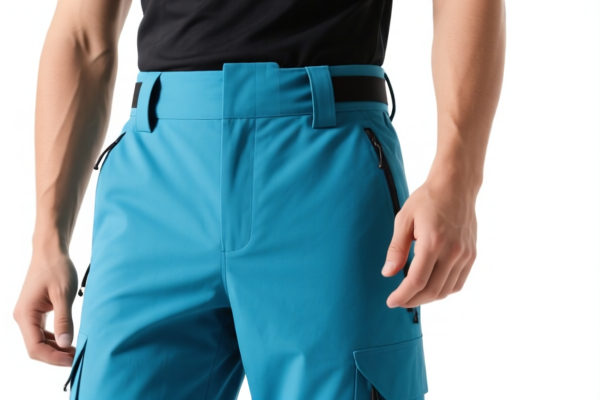
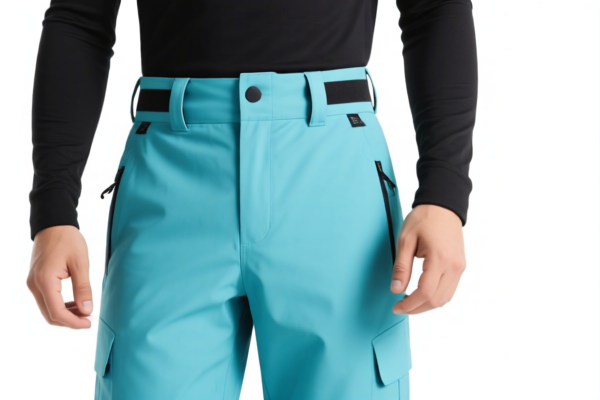
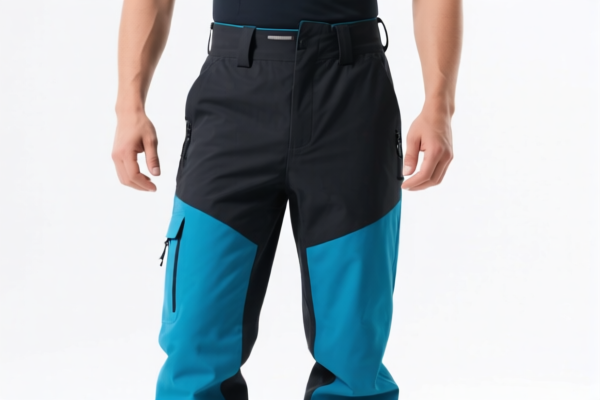
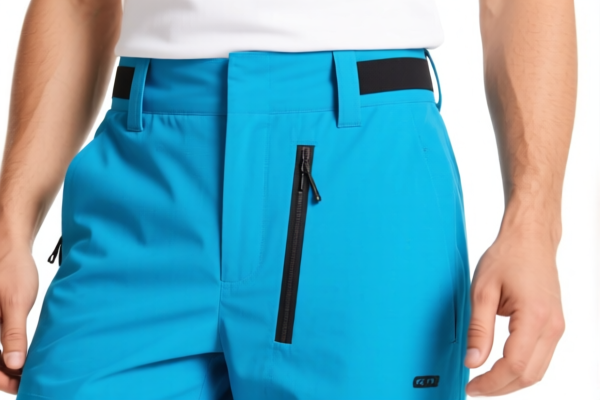
AI Analysis
🎿 Boys' High Performance Ski Pants (Male Snow Trousers)
🌐 HS Code Reference & Customs Clearance Guide | 2026 Latest Tariff Analysis | Professional Clearance Strategy
📌 One, Product Definition and Classification: Do You Really Understand "Ski Pants"?
Boys' High Performance Ski Pants are specialized outerwear designed for winter sports, primarily skiing. In international trade, they are classified based on fabric material and manufacturing method (knitted vs. woven). The key distinction lies in whether the fabric is made by knitting (looping yarns) or weaving (interlacing threads), and the specific fiber content (synthetic, cotton, or man-made).
⚠️ Key Distinction Points:
- Knitted/Man-made Fiber Pants: Generally attract higher base tariffs due to specific textile quotas and trade policies.
- Woven/Non-Cotton Waterproof Pants: Often fall under technical outerwear, potentially benefiting from slightly lower base rates if specific waterproof specifications are met.
- Material Matters: "Synthetic" usually refers to polyester/nylon; "Man-made" often refers to rayon/viscose blends in this context.
📦 Two, HS Code Classification Details (2026 Latest Tariff Authority Comparison)
| HS Code | Product Description | Material Type | Morphology | Total Tax Rate |
|---|---|---|---|---|
6112.20.10.60 |
Men's Ski Pants, Knitted or Man-made Fibers | Knitted / Man-made | Long pants / Breeches | 45.7% |
6112.20.20.10 |
Men's Ski Pants, Cotton or Synthetic Fiber | Cotton / Synthetic | Finished Garment | 25.8% |
6112.20.10.90 |
Ski Pants, Artificial Synthetic Fiber | Artificial Synthetic | Snow Equipment Category | 45.7% |
6211.20.15.25 |
Ski Pants, Non-Cotton Waterproof (Polyester/Nylon) | Non-Cotton Waterproof (Woven) | Pants/Breeches | 24.6% |
6112.20.10.60 |
Ski Pants, Long Pants & Breeches Category | Knitted / Man-made | Knitted/Man-made | 45.7% |
🔍 Critical Reminder:
- Knitted vs. Woven: Codes starting with61are Knitted (Chapter 61). Codes starting with62are Woven (Chapter 62). This is the primary divider for tariff calculation.
- "Synthetic" Ambiguity: Note that6112.20.20.10lists "Synthetic" but has a 25.8% rate, while6112.20.10.60(also containing synthetic/man-made descriptions) has a 45.7% rate. This suggests specific sub-classifications based on fiber type (e.g., Cotton blend vs. Pure Synthetic/Man-made) significantly impact duty.
- Waterproof Factor: Code6211.20.15.25is for Woven waterproof pants (like polyester/nylon shell), which has the lowest rate (24.6%).
💰 Three, 2026 Latest Tariff Rate Detailed Explanation (Including Surcharges and Policy Add-ons)
✅ Applicable Country: United States (US)
✅ Origin: China (CN)
✅ Effective Date: Including subsequent imports (2025-2026)
🎯 1. 6112.20.10.60 & 6112.20.10.90 —— Knitted/Man-made Ski Pants
| Item | Content |
|---|---|
| Base Tariff | 28.2% (Ad valorem) |
| Section 301 Surcharge | +7.5% |
| Section 122 Tariff | +10% |
| Total Tariff | 45.7% |
| Tax Calculation | CIF Value × 45.7% |
| De Minimis Exemption | ❌ Not Eligible (High risk of seizure/penalty if under $800) |
| Legal Basis Path | HTSUS:6112.20.10 → Section 301: Footnote 9903.88.01 → Section 122: 19 CFR 122 |
📌 Explanation:
- The 28.2% base tariff is specific to certain knitted man-made fiber snow trousers.
- The 7.5% Section 301 tariff applies to Chinese-origin textile goods under specific lists.
- The 10% Section 122 tariff is a historical trade remedy often applied to specific textile categories.
- Combined 45.7% is a very high duty rate, significantly impacting profit margins.
🎯 2. 6112.20.20.10 —— Cotton or Synthetic Fiber Ski Pants (Knitted)
| Item | Content |
|---|---|
| Base Tariff | 8.3% (Ad valorem) |
| Section 301 Surcharge | +7.5% |
| Section 122 Tariff | +10% |
| Total Tariff | 25.8% |
| Tax Calculation | CIF Value × 25.8% |
| De Minimis Exemption | ❌ Not Eligible |
| Legal Basis Path | HTSUS:6112.20.20 → Section 301 → Section 122 |
📌 Note:
- Despite having "Synthetic" in the description, this code applies to Cotton or specific Synthetic blends that fall under a different sub-heading than6112.20.10.
- The lower base rate of 8.3% (vs. 28.2%) makes this a strategic advantage if the product composition allows.
- Total 25.8% is still high but nearly half the cost of the 45.7% category.
🎯 3. 6211.20.15.25 —— Woven Non-Cotton Waterproof Ski Pants
| Item | Content |
|---|---|
| Base Tariff | 7.1% (Ad valorem) |
| Section 301 Surcharge | +7.5% |
| Section 122 Tariff | +10% |
| Total Tariff | 24.6% |
| Tax Calculation | CIF Value × 24.6% |
| De Minimis Exemption | ❌ Not Eligible |
| Legal Basis Path | HTSUS:6211.20.15 → Section 301 → Section 122 |
📌 Advantage:
- This is a Woven garment (Chapter 62), not Knitted.
- Specifically for Non-Cotton Waterproof materials like Polyester or Nylon.
- Lowest Base Rate (7.1%) results in the lowest Total Rate (24.6%).
- Recommendation: If the "High Performance" pants are made of woven polyester/nylon shell with waterproof coating, insist on this classification to save ~21% in duty compared to knitted options.
🛠️ Four, Customs Clearance Practical Advice (Battlefield Pit-Avoidance Guide)
✅ 1. Essential Documentation Checklist (Non-negotiable)
| Document | Required | Description |
|---|---|---|
| ✅ Product Specification Sheet | ✔️ | Must detail fabric composition (e.g., "100% Polyester Nylon Woven"), waterproof rating (e.g., 10,000mm), and construction type (Knitted/Woven). |
| ✅ Fabric Swatches | ✔️ | Physical or high-res images showing weave vs. knit structure. Crucial for distinguishing 61 from 62. |
| ✅ Commercial Invoice | ✔️ | Must explicitly state "Men's/Boys' Ski Pants" and HS Code. Do not use generic terms like "Winter Pants." |
| ✅ Packing List | ✔️ | Clear item count per carton. |
| ✅ Country of Origin Certificate | ✔️ | Required for Section 301 and 122 tariff verification. |
✅ 2. Declaration Tips (Key Mantra)
🔥 "Check Weave, Check Fiber, Name Precisely, Rate Drops!"
| Scenario | Correct Declaration | Wrong Practice |
|---|---|---|
| Woven Nylon Shell | 6211.20.15.25 |
Misdeclare as Knitted → 45.7% Tax |
| Knitted Synthetic | 6112.20.10.60 |
Misdeclare as Woven → Customs Audit |
| Cotton Blend Knitted | 6112.20.20.10 |
Misdeclare as Pure Synthetic → 25.8% vs 45.7% |
| Generic "Snow Pants" | Use Specific HS | Vague description → Delay/Penalty |
✅ 3. Special Handling
| Situation | Handling Advice |
|---|---|
| Waterproof Claim | If claiming 6211.20.15.25, ensure the product is waterproof (not just water-resistant). Provide test reports if audited. |
| "High Performance" Label | Avoid marketing terms in the HS Code description. Stick to technical terms: "Woven, Waterproof, Men's Snow Trousers." |
| Composite Materials | If the pants have knitted lining and woven shell, consult a customs broker immediately. Classification may be complex. |
🌍 Five, Global Market Comparison (2026 Latest)
| Country/Region | Recommended HS Code | Tariff (China Origin) | Certification | Notes |
|---|---|---|---|---|
| 🇺🇸 USA | 6211.20.15.25 (Woven) |
24.6% | No specific | Best Rate |
| 🇺🇸 USA | 6112.20.10.60 (Knitted) |
45.7% | No specific | Highest Rate |
| 🇪🇺 EU | 6112/6211 | ~12-16% | CE (if safety gear) | No Section 301/122 |
| 🇨🇦 Canada | 6112/6211 | 0-16% | Varies | USMCA may apply |
| 🇬🇧 UK | 6112/6211 | ~12-16% | UKCA | Post-Brexit rules |
📌 Conclusion:
- USA is the most expensive market due to Section 301 (7.5%) and Section 122 (10%) surcharges.
- Choosing Woven (62) over Knitted (61) can save you ~21% in duty.
- Cotton/Synthetic Blends (6112.20.20.10) are a middle ground at 25.8%.
📌 Six, Common Errors & Pitfalls (Blood Lessons)
❌ Error 1: Declaring Woven Pants as Knitted
👉 Consequence: Pay 45.7% instead of 24.6% → Overpaid $21 per $100 value!
❌ Error 2: Using "Synthetic" Generic Term
👉 Consequence: Customs may default to the higher 28.2% base rate code. Be specific: "Polyester Nylon Woven."
❌ Error 3: Ignoring Section 122
👉 Consequence: Forgetting the 10% additional duty leads to sudden cash flow issues at customs.
❌ Error 4: Vague Product Name "Ski Trousers"
👉 Consequence: CBP request for information → Delivery Delays → Storage Fees.
✅ Correct Declaration Example:
"Boys' Ski Pants, Woven, 100% Polyester, Waterproof, Outdoor Recreation Use, Model XYZ, CN Origin"
🎯 Seven, Conclusion: Precision Saves Money!
🎯 Remember the Mantra:
🔹 "Woven wins! Check the weave, pick 6211, save 21 points!"
🔹 "Knitted costs more, 6112 is pricey, unless it's cotton blend, then 25.8 is okay."
🔹 "HS Code defines your cost, 10% Section 122 is hidden killer!"
📌 Pro Tip:
If your product is Woven, Waterproof, Non-Cotton, aggressively argue for 6211.20.15.25.
Request a Pre-Ruling (CBP Pre-Ruling) before shipping to lock in the 24.6% rate and avoid disputes.
📣 Immediate Action:
📞 Contact your Customs Broker + Provide Fabric Swatch + Confirm Woven vs. Knitted
🚀 Optimize your supply chain cost by 21% with one code change!
✨ Professional Clearance, Starting from Accurate Classification!
💼 Every cent of duty saved is pure profit!
Customer Reviews
About HS Code Classification
The Harmonized System (HS) is an internationally standardized nomenclature developed by the World Customs Organization (WCO) to classify traded products. Over 200 countries use the HS system as the basis for customs tariffs, trade statistics, and import/export regulations.
Each HS code follows a hierarchical structure:
- Chapter (2 digits) — Broad category of goods (e.g., Chapter 84: Machinery and Mechanical Appliances)
- Heading (4 digits) — More specific grouping within the chapter
- Subheading (6 digits) — Internationally standardized breakdown, used by all WCO member countries
- National subdivisions (8-10 digits) — Country-specific extensions for further classification, such as US HTSUS 10-digit codes
Correct HS code classification is essential for smooth customs clearance, accurate duty payment, and compliance with trade regulations. Misclassification can lead to customs delays, overpayment of duties, or penalties.
When importing from CN to US, the applicable tariff rates may include:
- Most-Favored-Nation (MFN) rate — The standard duty rate applied to WTO members
- General rate — Applied to countries without trade agreements
- Trade remedy duties — Additional tariffs such as Section 301 (anti-dumping), Section 232 (national security), or countervailing duties
The information provided on this page is for reference purposes only. For official classification, please consult with your local customs authority or a licensed customs broker.