Boys' Insulated Overalls
CN → US| HS Code | Tariff Rate | Origin | Destination | Doc |
|---|---|---|---|---|
| 6111301000 | 45.7% | CN | US | Official Doc |
| 6209203000 | 32.4% | CN | US | Official Doc |
| 6104631010 | 32.4% | CN | US | Official Doc |
| 6104621010 | 27.8% | CN | US | Official Doc |
Product Images
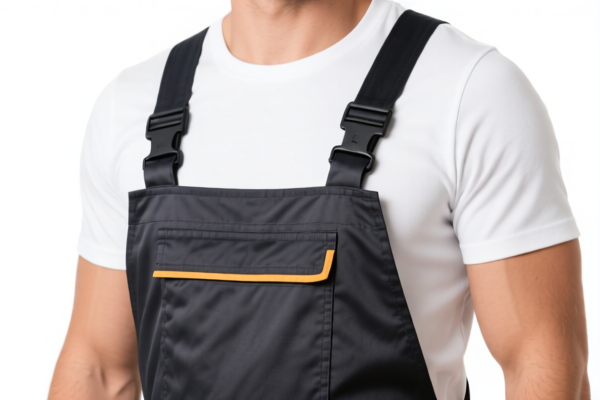
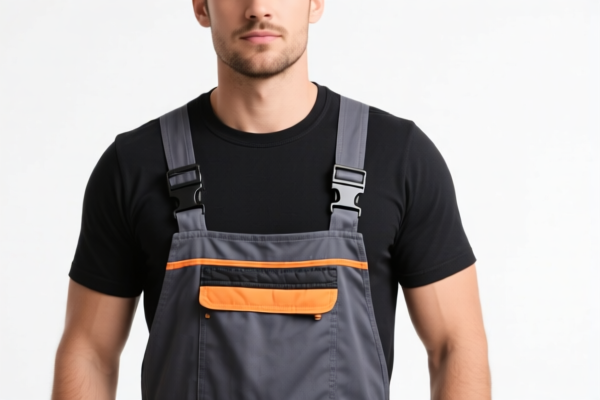
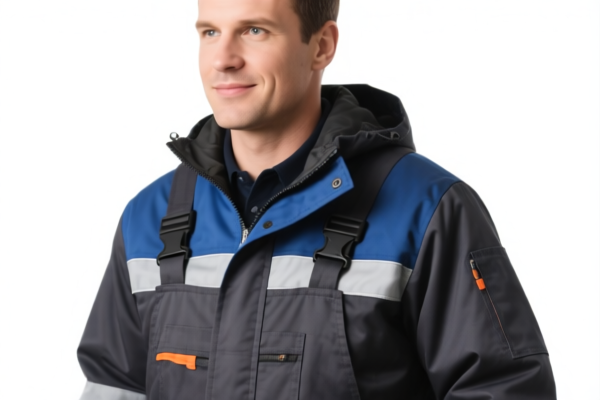

AI Analysis
🧸 Boys' Insulated Overalls (Protective Coveralls for Kids)
🌐 HS Code Classification & Duty Guide | 2026 Tariff Breakdown | Smart Customs Strategy
📌 I. Product Definition: What Exactly Are "Boys' Insulated Overalls"?
"Boys' Insulated Overalls" (often styled as snowsuits, bib-and-brace overalls, or winter boiler suits) are specialized children's outerwear designed for cold weather. Their classification hinges on two critical factors: 1. Construction Method: Are they Knitted (stretched, flexible, like fleece) or Woven (stiff, structured, like denim or corduroy)? 2. Material Composition: Are they made of Cotton, Synthetic Fibers (Polyester/Nylon), or are they a Textile Garment in the general sense?
⚠️ Key Classification Logic:
- If Knitted + Synthetic (e.g., polyester fleece) → Goes to 6104.63.10.10
- If Knitted + Cotton → Goes to 6104.62.10.10
- If Woven + Cotton → Goes to 6209.20.30.00
- If Woven + General Textile (Non-Cotton/Synthetic blend) → Goes to 6111.30.10.00 (Note: This code often captures broader textile categories including specific children's wear not fully covered by the others).
📦 II. HS Code Classification Details (2026 Authorized Reference)
| HS Code | Product Description | Material/Construction Inference | Key Features |
|---|---|---|---|
| 6111.30.10.00 | Girls' (or Children's) Overalls, Knitted/Woven, Textile Garment | General Textile/Composite | Broader category; often used when specific fiber content doesn't fit the top cotton/synthetic exclusives. |
| 6209.20.30.00 | Boys' Insulated Overalls, Woven, Cotton/Cotton-blend | Woven + Cotton | Structured fabric (like denim/canvas), warm lining, distinct "bib" style. |
| 6104.63.10.10 | Boys' Insulated Overalls, Knitted, Synthetic Fiber | Knitted + Synthetic | Flexible, stretchy fabric (e.g., fleece or polyester shells), common in modern snowsuits. |
| 6104.62.10.10 | Boys' Insulated Overalls, Knitted, Cotton | Knitted + Cotton | Soft, warm, stretchy cotton-based overalls. |
🔍 Critical Reminder:
- Knitted vs. Woven: This is the #1 source of classification errors. Check the fabric weave! Knitted = stretchy (Chapter 61); Woven = structured (Chapter 62).
- Chapter 61 vs. Chapter 62: Chapter 61 is for knitted/tricot, Chapter 62 is for woven/non-knitted.
- Children's Specifics: Note the specific sub-headings for "Boys" or "Girls" as tariffs differ by gender in some contexts, though here the focus is on material.
💰 III. 2026 Tariff Rate Breakdown (USA Market | China Origin)
✅ Applicable Market: United States (US)
✅ Country of Origin: China (CN)
✅ Effective Date: November 10, 2025 (and ongoing)
🎯 1. 6111.30.10.00 — General Textile/Children's Garment (Knitted/Woven)
| Item | Detail |
|---|---|
| Base Tariff | 28.2% |
| Section 301 (Additional) | +7.5% |
| Section 122 (Section 301) | +10% |
| Total Duty Rate | 45.7% |
| Tax Calculation | CIF Value × 45.7% |
| De Minimis Exemption | ❌ NO (Subject to strict 301 rules) |
| Legal Basis | 301-Section 122, 301-Section 7.5, Base 28.2% |
📌 Explanation:
- The 45.7% total is a heavy penalty rate.
- The 7.5% is the standard Section 301 surcharge on many Chinese textiles.
- The 10% is the specific "122 Clause" tariff targeting children's apparel and specific textiles.
- No De Minimis: Small package exemptions do not apply here due to the Section 301 status.
🎯 2. 6209.20.30.00 — Woven, Cotton Children's Overalls
| Item | Detail |
|---|---|
| Base Tariff | 14.9% |
| Section 301 (Additional) | +7.5% |
| Section 122 (Section 301) | +10% |
| Total Duty Rate | 32.4% |
| Tax Calculation | CIF Value × 32.4% |
| De Minimis Exemption | ❌ NO |
| Legal Basis | 301-Section 122, 301-Section 7.5, Base 14.9% |
📌 Explanation:
- Woven cotton items have a lower base tariff (14.9%) compared to the broader textile category.
- However, the 32.4% total is still very high due to the combined Section 301 and 122 clauses.
🎯 3. 6104.63.10.10 — Knitted, Synthetic Fiber Overalls
| Item | Detail |
|---|---|
| Base Tariff | 14.9% |
| Section 301 (Additional) | +7.5% |
| Section 122 (Section 301) | +10% |
| Total Duty Rate | 32.4% |
| Tax Calculation | CIF Value × 32.4% |
| De Minimis Exemption | ❌ NO |
| Legal Basis | 301-Section 122, 301-Section 7.5, Base 14.9% |
📌 Explanation:
- Synthetic knitted overalls (e.g., polyester fleece snowsuits) fall here.
- Like the woven cotton, they attract the 32.4% total rate.
🎯 4. 6104.62.10.10 — Knitted, Cotton Overalls
| Item | Detail |
|---|---|
| Base Tariff | 10.3% |
| Section 301 (Additional) | +7.5% |
| Section 122 (Section 301) | +10% |
| Total Duty Rate | 27.8% |
| Tax Calculation | CIF Value × 27.8% |
| De Minimis Exemption | ❌ NO |
| Legal Basis | 301-Section 122, 301-Section 7.5, Base 10.3% |
📌 Explanation:
- Knitted Cotton offers the lowest total duty of all options at 27.8%.
- This is the most cost-effective HS Code if the product allows for cotton content and a knitted structure.
🛠️ IV. Customs Clearance Practical Advice (Avoiding Pitfalls)
✅ 1. Mandatory Documentation Checklist
| Document | Requirement | Why It Matters |
|---|---|---|
| Technical Specification Sheet | ✔️ Mandatory | Must specify: Fabric Type (Knitted vs. Woven), Fiber Content (% Cotton vs. % Synthetic), and Construction Method. |
| Product Photos (Tag/Seam) | ✔️ Mandatory | Photos of the care label and fabric close-up to prove "Knitted" or "Woven" status. |
| Commercial Invoice | ✔️ Mandatory | Must explicitly state: "Boys' Insulated Overalls" + HS Code + Material Breakdown. |
| Bill of Materials (BOM) | ✔️ Recommended | Shows lining material (insulation) vs. outer shell material. |
| Origin Certificate (CO) | ✔️ Mandatory | Required to prove origin as China (to verify the 301/122 applicability). |
✅ 2. Decleration Strategy (Golden Rules)
🔥 "Fabric First, Material Second, Gender Third!"
| Scenario | Correct HS Code | Wrong Code (Risk) |
|---|---|---|
| Fleece/Polyester Snowsuit (Knitted) | 6104.63.10.10 (32.4%) |
Declared as Woven → Customs audit → Penalty. |
| Denim/Cotton Snowsuit (Woven) | 6209.20.30.00 (32.4%) |
Declared as Knitted → Classification error → Delay. |
| Soft Cotton Overalls (Knitted) | 6104.62.10.10 (27.8%) |
Best Rate Option if possible. |
| Mixed Material (Non-Cotton) | 6111.30.10.00 (45.7%) |
Highest Risk if material doesn't fit other categories. |
⚠️ Warning:
- Do not guess the HS Code based on "Overalls" alone. The Chapter 61 (Knitted) vs. Chapter 62 (Woven) distinction changes the base rate significantly.
- Do not omit the "Insulated" detail. If the insulation makes it a "Sleeping Bag" or "Blanket" (Chapter 94), the classification changes entirely! Ensure it is clearly a garment (with sleeves, legs, bib).
✅ 3. Special Scenarios & Solutions
| Situation | Action Plan |
|---|---|
| Mixed Fibers (e.g., 60% Cotton, 40% Poly) | Check the "Chief Component" rule. If Cotton > 50%, go for Cotton code. If Poly > 50%, go for Synthetic code. |
| Insulation Type (Down vs. Synthetic) | Ensure the HS Code covers the outer shell. Insulation is usually ignored in classification unless it's a "Sleeping Bag". |
| High Duty Concern | Consider sourcing from Vietnam, Mexico, or Turkey where Section 301 (10% + 7.5%) might not apply, reducing total duty to near 0%~15%. |
| Sample Imports | Even for samples, declare the HS Code and pay the duty; De Minimis ($800) does not apply to Section 301/122 goods. |
🌍 V. Global Market Comparison (2026 Context)
| Region | Recommended HS Code | Total Duty (China Origin) | Notes |
|---|---|---|---|
| 🇺🇸 USA | See Above (61/62) | 27.8% ~ 45.7% | Highest Cost: Heavy 301 + 122 penalties. |
| 🇪🇺 EU | 6104/6209 Series | 6% ~ 12% | No Section 301/122; lower base rates. |
| 🇯🇵 Japan | 6104/6209 Series | 10% ~ 15% | Moderate rates, no Section 301. |
| 🇨🇦 Canada | 6104/6209 Series | 5% ~ 10% | CUSMA/FTA benefits possible if origin is Canada/Mexico. |
📌 Conclusion:
The USA market is the most expensive due to the "Section 122" + "Section 301" double layer of tariffs.
Strategy: If possible, shift supply chain to non-China origins for the US market to avoid the 45.7% peak.
📌 VI. Common Mistakes & "Blood and Tears" Lessons
❌ Mistake 1: Declaring "Knitted" when it's "Woven" (or vice versa).
👉 Result: Customs audit, detention, and potential fines. Tax difference is 0, but risk is 100%.
❌ Mistake 2: Assuming "Insulated" means "Blanket" (Chapter 94).
👉 Result: Wrong classification leads to delayed release and storage fees. Ensure it is a "Garment" (has sleeves/legs).
❌ Mistake 3: Ignoring the "Section 122" clause.
👉 Result: Underestimating the total duty by 10%. A $10k shipment becomes $4,570 tax instead of $3,570.
❌ Mistake 4: Using "Children's Overalls" as the only description without fiber content.
👉 Result: Customs cannot determine the base rate (10.3% vs 14.9% vs 28.2%). Shipment stalled.
✅ Best Practice:
"Declare: Boys' Insulated Bib Overalls, Knitted Cotton, 100% Cotton, Model XYZ, US Origin China."
Always attach a photo of the fabric weave and care label!
🎯 VII. Final Verdict: Strategic Shipping
🎯 Remember the Formula:
Total Duty = Base Tariff (10.3~28.2%) + 301 (7.5%) + Section 122 (10%)
- Lowest Cost: Knitted Cotton (
6104.62.10.10) @ 27.8% - Highest Cost: General Textile (
6111.30.10.00) @ 45.7%
🚀 Action Plan: 1. Verify Fabric: Is it Knitted or Woven? Is it Cotton or Synthetic? 2. Calculate: Apply the 27.8% ~ 45.7% rate to your CIF value. 3. Optimize: If the margin is thin, consider sourcing from Vietnam/Mexico to bypass the Section 122 and Section 301 tariffs. 4. Document: Prepare a Detailed Tech Pack including fiber content and weave type.
✨ Precision in Classification = Savings in Cost!
💼 Don't let "Overalls" cost you half your profit!
Customer Reviews
About HS Code Classification
The Harmonized System (HS) is an internationally standardized nomenclature developed by the World Customs Organization (WCO) to classify traded products. Over 200 countries use the HS system as the basis for customs tariffs, trade statistics, and import/export regulations.
Each HS code follows a hierarchical structure:
- Chapter (2 digits) — Broad category of goods (e.g., Chapter 84: Machinery and Mechanical Appliances)
- Heading (4 digits) — More specific grouping within the chapter
- Subheading (6 digits) — Internationally standardized breakdown, used by all WCO member countries
- National subdivisions (8-10 digits) — Country-specific extensions for further classification, such as US HTSUS 10-digit codes
Correct HS code classification is essential for smooth customs clearance, accurate duty payment, and compliance with trade regulations. Misclassification can lead to customs delays, overpayment of duties, or penalties.
When importing from CN to US, the applicable tariff rates may include:
- Most-Favored-Nation (MFN) rate — The standard duty rate applied to WTO members
- General rate — Applied to countries without trade agreements
- Trade remedy duties — Additional tariffs such as Section 301 (anti-dumping), Section 232 (national security), or countervailing duties
The information provided on this page is for reference purposes only. For official classification, please consult with your local customs authority or a licensed customs broker.