Boys' Knitted/Crocheted Cotton Sweater Set
CN → US| HS Code | Tariff Rate | Origin | Destination | Doc |
|---|---|---|---|---|
| 6110202015 | 34.0% | CN | US | Official Doc |
| 6112110010 | 32.4% | CN | US | Official Doc |
| 6112110030 | 32.4% | CN | US | Official Doc |
| 6110909067 | 23.5% | CN | US | Official Doc |
| 6117909003 | 32.1% | CN | US | Official Doc |
Product Images
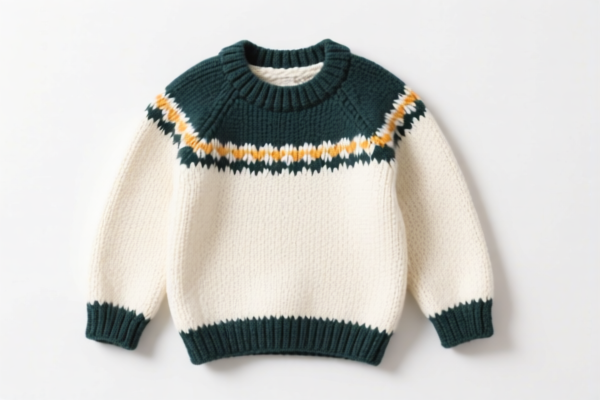
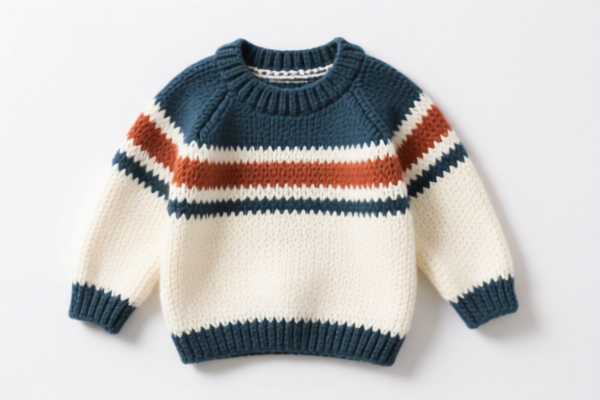
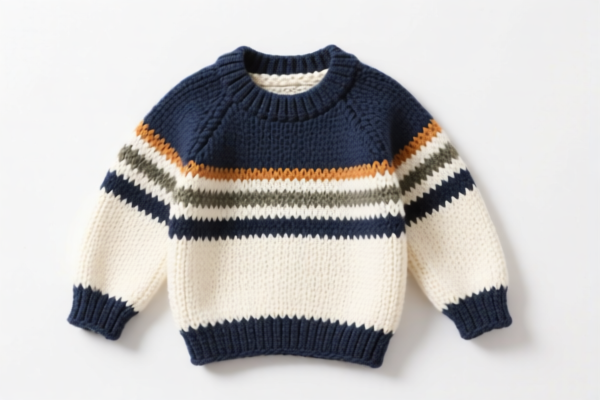
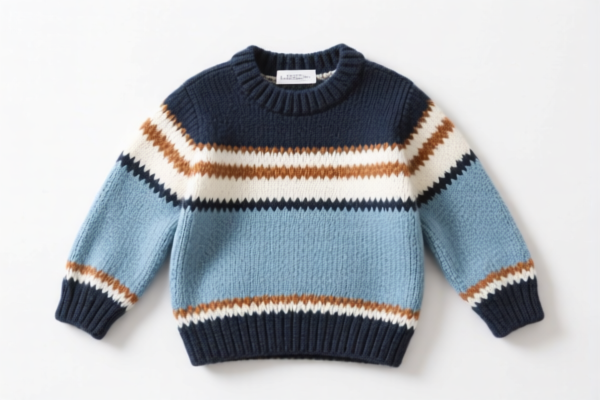
AI Analysis
👕 Boys' Knitted/Crocheted Cotton Sweater Set
🌐 HS Code Reference & Customs Clearance Guide | 2026 Latest Tariff Analysis | Professional Clearance Strategy
📌 I. Product Definition & Classification: Do You Really Understand the "Sweater Set"?
A "Boys' Knitted/Crocheted Cotton Sweater Set" typically refers to a clothing ensemble for male children, made entirely or predominantly of cotton, produced via knitting or crocheting processes. In international trade, these items fall under Chapter 61 (Articles of Apparel and Clothing Accessories, Knitted or Crocheted).
The classification depends heavily on: 1. Garment Type: Is it a standalone sweater (pullover), a sports/training suit, or a loose leisure garment? 2. Material Composition: Is it 100% cotton? If mixed, is cotton the dominant fiber? 3. Target Demographic: Boys' (male children).
⚠️ Key Distinction Points:
- Sweaters (Knit): If the item is a classic pullover sweater without sport-specific features (like reinforced knees, specific athletic cuts), it leans towards 6110.
- Sports/Leisure Wear: If the garment has specific design elements for sports (e.g., tracksuits, athletic shirts) or loose "leisure" fits, it may fall under 6112 or 6117.
- Material Constraint: Must be Cotton. If synthetic fibers dominate, the code changes drastically.
📦 II. HS Code Classification Details (2026 Latest Tariff Authority Cross-Reference)
Based on the provided data, here are the four potential HS Codes for this product, categorized by specific garment characteristics:
| HS Code | Product Description | Key Classification Features | Primary Use Case |
|---|---|---|---|
6110.20.20.15 |
Men's/Boys' Knitted/Crocheted Pullovers, of Cotton | Classic sweater style; pullover design; pure cotton knit/crochet. | Traditional winter sweaters, school uniforms, casual knitwear. |
6112.11.00.10 |
Men's/Boys' Knitted/Crocheted Sports/Leisure Garments, of Cotton | Specific sports cut or leisure wear design; includes items like athletic shirts or training tops. | Gym wear, outdoor activity shirts, casual athletic tops. |
6112.11.00.30 |
Sports/Leisure Wear, Knitted/Crocheted, of Cotton | Focus on "Sports/Leisure" category; material and craft match strictly. | General leisure knitwear, non-specific sports attire. |
6117.90.90.03 |
Knitted/Crocheted Sweater Parts/Accessories, of Cotton | If the "set" includes parts (e.g., sleeves, collars, unfinished garments) rather than complete finished garments. | Components,半成品 (semi-finished goods), or repair parts. |
6110.90.90.67 |
Men's/Boys' Pullovers, Knitted/Crochet, of Cotton (Specific Restrictions) | Fits the "Pullover" definition but falls under a specific sub-category with lower base tariffs due to specific classification rules or exceptions. | Alternative classification for specific pullover types meeting certain regulatory criteria. |
🔍 Critical Reminder:
- "Set" Clarification: Customs usually taxes each item in a set separately. If the set includes a shirt + pants, they might be classified differently. However, if it's a sweater set (e.g., sweater + vest), both usually fall under similar 6110 or 6112 codes depending on design.
- "Sports" vs. "Casual": If the garment lacks specific athletic features (zipper, specific collar, moisture-wicking claim), it is safer to classify under 6110 (Sweater) rather than 6112 (Sports), unless the design is unmistakably athletic.
💰 III. 2026 Latest Tariff Rate Breakdown (Including Additional Duties & Policy Surcharges)
✅ Applicable Country: United States (US)
✅ Origin: China (CN)
✅ Effective Date: November 10, 2025 (and subsequent imports)
🎯 1. 6110.20.20.15 – Men's/Boys' Cotton Pullovers (Classic Sweater)
| Item | Content |
|---|---|
| Base Tariff | 16.5% (Ad Valorem) |
| Section 301 Additional Duty | +7.5% (China-specific) |
| Section 122 Tariff | +10% (Under specific trade enforcement provisions) |
| Total Tax Rate | 34.0% |
| Tax Calculation | CIF Value × 34.0% |
| De Minimis Exemption | ❌ Not Eligible (High combined duty rate exceeds threshold for exemption) |
| Legal Basis Path | HTSUS:6110.20.20.15 → Section 301: 7.5% → Section 122: 10% |
📌 Explanation:
- This is the standard classification for regular cotton sweaters.
- The 34.0% total rate is significant. Importers must budget for this high cost.
- Section 122 often applies to specific goods where trade violations or urgency measures are invoked; ensure your documentation complies strictly.
🎯 2. 6112.11.00.10 & 6112.11.00.30 – Cotton Sports/Leisure Knitwear
| Item | Content |
|---|---|
| Base Tariff | 14.9% (Ad Valorem) |
| Section 301 Additional Duty | +7.5% (China-specific) |
| Section 122 Tariff | +10% |
| Total Tax Rate | 32.4% |
| Tax Calculation | CIF Value × 32.4% |
| De Minimis Exemption | ❌ Not Eligible |
| Legal Basis Path | HTSUS:6112.11.00.x0 → Section 301: 7.5% → Section 122: 10% |
📌 Explanation:
- These codes offer a slightly lower base tariff (14.9% vs 16.5%) compared to classic sweaters.
- Total rate is 32.4%, which is 1.6% cheaper than6110.20.20.15.
- Caution: Misclassifying a casual sweater as "sports wear" can lead to penalties for fraud. Only use if the garment has clear athletic design features.
🎯 3. 6110.90.90.67 – Cotton Pullovers (Specific/Restricted Category)
| Item | Content |
|---|---|
| Base Tariff | 6.0% (Ad Valorem) |
| Section 301 Additional Duty | +7.5% (China-specific) |
| Section 122 Tariff | +10% |
| Total Tax Rate | 23.5% |
| Tax Calculation | CIF Value × 23.5% |
| De Minimis Exemption | ❌ Not Eligible |
| Legal Basis Path | HTSUS:6110.90.90.67 → Section 301: 7.5% → Section 122: 10% |
📌 Explanation:
- This is the most cost-effective option at 23.5%, but it is highly restricted.
- The "Specific Restrictions & Classification Characteristics" imply that not all cotton sweaters qualify. It may apply to:
- Specific fiber blends (if <100% cotton but meets criteria);
- Garments under certain weight/thickness specifications;
- Items with specific labeling or origin documentation.
- Risk: Misclassification here can result in severe audits. Verify if your product meets the specific technical criteria for this sub-heading.
🎯 4. 6117.90.90.03 – Cotton Sweater Parts/Accessories
| Item | Content |
|---|---|
| Base Tariff | 14.6% (Ad Valorem) |
| Section 301 Additional Duty | +7.5% (China-specific) |
| Section 122 Tariff | +10% |
| Total Tax Rate | 32.1% |
| Tax Calculation | CIF Value × 32.1% |
| De Minimis Exemption | ❌ Not Eligible |
| Legal Basis Path | HTSUS:6117.90.90.03 → Section 301: 7.5% → Section 122: 10% |
📌 Explanation:
- Only use this code if you are importing parts (e.g., knitted sleeves, collars, unfinished garments) or accessories (e.g., knit belts, scarves) that are not complete garments.
- If you import a complete sweater, this classification is incorrect and may lead to seizure.
🛠️ IV. Customs Clearance Operational Advice (Practical Pitfall Guide)
✅ 1. Preparation Checklist (Non-Negotiable)
| Document | Required | Note |
|---|---|---|
| ✅ Product Specification Sheet | ✔️ | Must specify: 100% Cotton (or blend %), Knitted/Crocheted method, Boys' sizing. |
| ✅ Garment Sketch/Photo | ✔️ | Show collar type, sleeve length, presence of zippers/buttons (determines Sweater vs. Jacket). |
| ✅ Care Label Photo | ✔️ | Must clearly state "Cotton" and "Made in China". |
| ✅ Commercial Invoice | ✔️ | Describe as: "Boys' Knitted Cotton Pullover, HS 6110.20.20.15". Avoid generic "Sweater". |
| ✅ Packing List | ✔️ | Separate items if mixed with non-cotton items. |
| ✅ Certification of Origin | ✔️ | Proves CN origin for 301/122 duty calculation. |
✅ 2. Declaration Strategy (Key Mantra)
🔥 "Material First, Type Second, Design Third. Don't Mix Sports with Casual!"
| Scenario | Correct Declaration | Wrong Declaration |
|---|---|---|
| Regular Cotton Sweater | 6110.20.20.15 (34.0%) or 6110.90.90.67 (23.5% if eligible) |
6112.11.00.10 (Fraud Risk) |
| Athletic Track Top | 6112.11.00.10 (32.4%) |
6110.20.20.15 (Higher Tax) |
| Knitted Scarf/Belt | 6117.90.90.03 (32.1%) |
6110... (Wrong Chapter) |
| Mixed Fabric (Cotton + Poly) | Check dominant fiber. If Cotton >50%, still 6110/6112. | Claim 100% Cotton if false → Fine & Seizure |
✅ 3. Special Case Handling
| Situation | Handling Advice |
|---|---|
| Sweater Set (Top + Bottom) | Declare each item separately. If bottom is pants, use 6103... codes. Do not force all into one 6110 code. |
| "Leisure" vs. "Sports" | If the garment has a crew neck, no zipper, and relaxed fit, it's likely 6110 (Sweater). If it has a V-neck, zip, or athletic cut, it's 6112 (Sports). |
| Section 122 Compliance | Ensure all documents explicitly state "Made in China" to avoid delays in duty assessment. |
| Pre-Ruling Request | For large volumes, request a CBP Advance Ruling using your specific product photos and specs to lock in the HS Code. |
🌍 V. Global Market Comparison (2026 Snapshot)
| Country/Region | Recommended HS Code | Estimated Duty (China Origin) | Key Requirements |
|---|---|---|---|
| 🇺🇸 USA | 6110.20.20.15 |
34.0% (Includes 301 + 122) | FCC not required, but strict labeling. |
| 🇨🇳 China | 6110.20.20.15 |
~9-12% (Import Duty) | CCC for some textiles, standard labeling. |
| 🇪🇺 EU | 6110.30.30 |
~12% | CE marking not for clothing, but REACH compliance for dyes. |
| 🇬🇧 UK | 6110.20.00 |
~12% | Post-Brexit rules, UKCA not for clothes, but origin rules apply. |
| 🇨🇦 Canada | 6110.20.00 |
~16% + GST | CUSMA benefits if made in Canada/Mexico. |
📌 Conclusion:
- The USA is the most expensive market due to 301 and 122 tariffs.
- Strategic Shift: Consider sourcing from Vietnam, Bangladesh, or India to avoid China-specific duties (though 122 may still apply depending on rules).
- Optimization: If your product qualifies for6110.90.90.67, the 23.5% rate offers a 10.5% savings per item compared to the standard6110.20.20.15. Verify eligibility meticulously.
📌 VI. Common Errors & Pitfall Guide (Blood & Tears Lessons)
❌ Error 1: Calling a "Sports Shirt" a "Sweater" to save tax.
👉 Consequence: Customs auditors will reject the lower duty rate if the garment lacks "sports" features (like moisture-wicking fabric, athletic cut). Back taxes + Penalty.
❌ Error 2: Forgetting to declare the "122 Tariff".
👉 Consequence: Underpayment of 10% duty. Seizure and fines for undeclared duties.
❌ Error 3: Mixing "Parts" and "Finished Goods" in one invoice.
👉 Consequence: Customs may audit the entire shipment. Keep separate invoices for garments vs. accessories.
❌ Error 4: Mislabeling "Cotton" when it's a blend.
👉 Consequence: If cotton is <50%, the HS Code changes to Chapter 55 (Synthetic Fibers), which has different duties. False Declaration risks.
✅ Correct Practice:
"Boys' Knitted Cotton Pullover, 100% Cotton, Crew Neck, Long Sleeve, Model XYZ, Made in China. HS: 6110.20.20.15"
🎯 VII. Conclusion: Professional Declaration, Save Money, Ensure Smooth Clearance!
🎯 Remember the Mantra:
🔹 "Cotton is Key, Knit is Type, 34% for Sweaters, 32% for Sports, 23% if Eligible!"
🔹 "Don't Guess the Code, Verify the Design. One Wrong Digit, Thousands in Fines!"
📌 Pro Tip:
If you are importing high volumes, invest in a Pre-Classification Ruling from US Customs and Border Protection (CBP). The cost of the ruling is minimal compared to the risk of a 34% duty miscalculation or shipment detention.
📣 Immediate Action:
📞 Contact Your Customs Broker + Provide Product Photos + Confirm Material Composition
🚀 Ensure Your Sweaters Clear Customs Smoothly, Avoid Delays, and Protect Your Margins!
✨ Professional Clearance Starts with Accurate Classification!
💼 Every Percentage Point of Duty Matters!
Customer Reviews
About HS Code Classification
The Harmonized System (HS) is an internationally standardized nomenclature developed by the World Customs Organization (WCO) to classify traded products. Over 200 countries use the HS system as the basis for customs tariffs, trade statistics, and import/export regulations.
Each HS code follows a hierarchical structure:
- Chapter (2 digits) — Broad category of goods (e.g., Chapter 84: Machinery and Mechanical Appliances)
- Heading (4 digits) — More specific grouping within the chapter
- Subheading (6 digits) — Internationally standardized breakdown, used by all WCO member countries
- National subdivisions (8-10 digits) — Country-specific extensions for further classification, such as US HTSUS 10-digit codes
Correct HS code classification is essential for smooth customs clearance, accurate duty payment, and compliance with trade regulations. Misclassification can lead to customs delays, overpayment of duties, or penalties.
When importing from CN to US, the applicable tariff rates may include:
- Most-Favored-Nation (MFN) rate — The standard duty rate applied to WTO members
- General rate — Applied to countries without trade agreements
- Trade remedy duties — Additional tariffs such as Section 301 (anti-dumping), Section 232 (national security), or countervailing duties
The information provided on this page is for reference purposes only. For official classification, please consult with your local customs authority or a licensed customs broker.