Boys' Knitted/Crocheted Set (Non swimwear) Synthetic Fiber Polyester Jacket
CN → US| HS Code | Tariff Rate | Origin | Destination | Doc |
|---|---|---|---|---|
| 6203392020 | 44.8% | CN | US | Official Doc |
| 6114303060 | 32.4% | CN | US | Official Doc |
| 6103291015 | 0.0% | CN | US | Official Doc |
| 6114303044 | 32.4% | CN | US | Official Doc |
| 6103391000 | 32.4% | CN | US | Official Doc |
Product Images
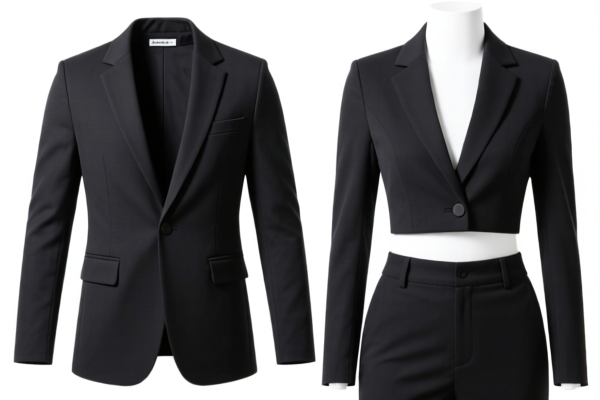
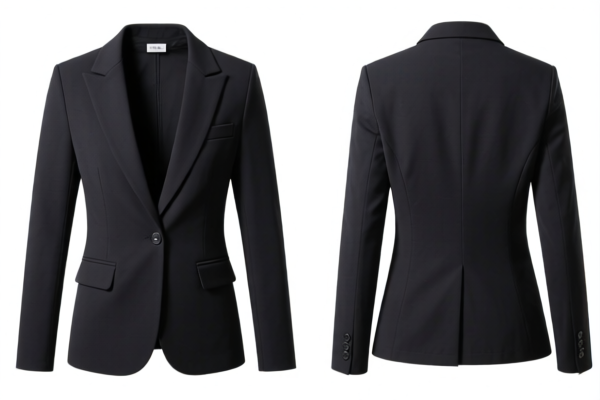
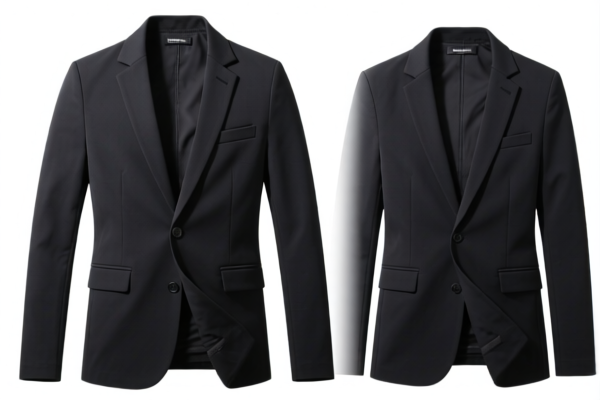
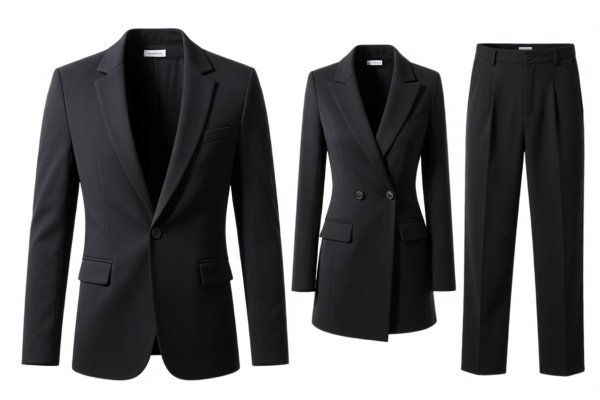
AI Analysis
👦 Boys' Knitted/Crocheted Set (Non-swimwear) Synthetic Fiber Polyester Jacket
🌐 HS Code Reference & Clearance Guide | 2026 Latest Tariff Analysis | Professional Clearance Strategy
📌 I. Product Definition & Classification: Do You Really Understand "Boys' Sets"?
This product category refers to boys' clothing sets made from synthetic fibers (primarily polyester), which are either knitted or crocheted. These are not swimwear but regular outerwear or casual wear.
In international trade, the classification of "sets" depends heavily on whether the components (e.g., jacket, pants, shorts) are sold together as a single unit and whether they fall under specific ensemble rules in the Harmonized System (HS).
⚠️ Key Classification Points:
- If the items are separately classified garments but sold as a set, they may still be classified individually unless they meet the "ensemble" criteria in Chapter 61.
- Knitted/Crocheted items fall under Chapter 61 (Articles of Apparel and Clothing Accessories, Knitted or Crocheted).
- Non-Synthetic Fiber items would fall under Chapter 61 as well, but this product is Synthetic Fiber (Polyester), so it stays in Chapter 61.
- Non-Swimwear ensures exclusion from Chapter 62 (Non-knitted) swimwear codes if misclassified, but since it's knitted, it's firmly in Chapter 61.
📦 II. HS Code Classification Details (2026 Latest Tariff Authority Comparison)
| HS Code | Product Description | Applicable Scenario | Total Tax Rate | Tax Breakdown |
|---|---|---|---|---|
6114.30.30.60 |
Boys' knitted/crocheted suits, non-swimwear, synthetic fiber/polyester | General boys' knit sets (jacket + pants/shorts) | 32.4% | Base: 14.9%, Section 301: 7.5%, Section 122: 10% |
6114.30.30.44 |
Boys' knitted/crocheted jumpsuits/suits, polyester material | One-piece or coordinated knit suits | 32.4% | Base: 14.9%, Section 301: 7.5%, Section 122: 10% |
6103.39.10.00 |
Boys' knitted/crocheted suits, polyester material | Boys' knit suit jackets (if classified as suit jackets) | 32.4% | Base: 14.9%, Section 301: 7.5%, Section 122: 10% |
6103.29.10.15 |
Boys' knitted成套服装 (ensemble), including jacket, synthetic fiber/polyester | Knitted ensembles where garments are classified separately | Variable + 17.5% | Base: Rate applicable to each garment if separately classified, Section 301: 7.5%, Section 122: 10% |
6203.39.20.20 |
Boys' non-swimwear synthetic fiber polyester jacket (if misclassified as non-knit) | Note: This is typically for non-knitted jackets, but listed in data for contrast | 44.8% | Base: 27.3%, Section 301: 7.5%, Section 122: 10% |
🔍 Important Reminder:
- Knitted items generally fall under Chapter 61, while non-knitted (woven) items fall under Chapter 62.
- If the product is knitted, it should primarily be classified under 6114 or 6103.
- Section 301 Tariffs add 7.5% to most Chinese-made textiles.
- Section 122 Tariffs add an additional 10% on many apparel imports from China.
- Misclassification Risk: Classifying a knitted jacket as a woven one (6203.39.20.20) results in a 44.8% total tax vs. 32.4% for correct knitted classification. This is a 12.4% difference per unit value.
💰 III. 2026 Latest Tariff Rate Explanation (Including Additional Taxes & Policy Add-ons)
✅ Applicable Country: United States (US)
✅ Origin: China (CN)
✅ Effective Date: 2025–2026 (Subject to ongoing trade policies)
🎯 1. 6114.30.30.60 – Boys' Knitted/Crocheted Suits (Synthetic Fiber)
| Item | Content |
|---|---|
| Base Rate | 14.9% (ad valorem) |
| USITC Additional Tariff (Section 301) | +7.5% |
| Section 122 Tariff | +10% |
| Total Tariff Rate | 32.4% |
| Tax Calculation | CIF Value × 32.4% |
| De Minimis Exemption Applicable? | ❌ No (Most apparel from China is denied de minimis exemption under current rules) |
| Legal Basis Path | USITC:6114.30.30.60 → FOOTNOTE:301 → IEEPA:Section 122 |
📌 Explanation:
- The base rate of 14.9% is the standard MFN (Most Favored Nation) rate for knitted synthetic boys' suits.
- Section 301 adds 7.5% due to U.S.-China trade tensions.
- Section 122 adds 10% on specific apparel categories from China.
- Total: 32.4%. This is a high tariff for apparel.
🎯 2. 6103.29.10.15 – Boys' Knitted Ensemble (Garments Classified Separately)
| Item | Content |
|---|---|
| Base Rate | Rate applicable to each garment if sold separately (e.g., jacket: 14.9%, pants: 14.9%) |
| USITC Additional Tariff (Section 301) | +7.5% |
| Section 122 Tariff | +10% |
| Total Tariff Rate | Variable + 17.5% |
| Tax Calculation | Sum of individual garment taxes + 17.5% |
| De Minimis Exemption Applicable? | ❌ No |
📌 Note:
- If the ensemble is classified by component (e.g., jacket + pants separately), the base rate for each is applied.
- The additional 17.5% (7.5% + 10%) applies to the total value.
- This can result in a higher effective rate if individual garments have higher base rates.
🎯 3. 6203.39.20.20 – Boys' Non-Swimwear Synthetic Fiber Polyester Jacket (Woven/Misclassified)
| Item | Content |
|---|---|
| Base Rate | 27.3% |
| USITC Additional Tariff (Section 301) | +7.5% |
| Section 122 Tariff | +10% |
| Total Tariff Rate | 44.8% |
| Tax Calculation | CIF Value × 44.8% |
| De Minimis Exemption Applicable? | ❌ No |
📌 Warning:
- This HS code is for non-knitted (woven) jackets.
- If your product is knitted, misclassifying it here will result in a 12.4% higher tax (44.8% vs. 32.4%).
- Always verify if the fabric is knitted or woven before declaring.
🛠️ IV. Clearance Practical Advice (Real-World Pitfall Avoidance Guide)
✅ 1. Required Documentation Checklist (Mandatory)
| Document | Required | Description |
|---|---|---|
| ✅ Product Specification Sheet | ✔️ | Includes fabric type (knitted/woven), fiber content (100% polyester), garment type |
| ✅ Photos (Label & Product) | ✔️ | Clear images of care labels, fabric texture, and overall look |
| ✅ Commercial Invoice | ✔️ | Must specify "Boys' Knitted Polyester Suit Set, Non-Swimwear" |
| ✅ Packing List | ✔️ | Details number of pieces per set (e.g., jacket + pants) |
| ✅ Certificate of Origin | ✔️ | If not from China, may qualify for lower tariffs |
| ✅ Third-Party Test Report | ✔️ | Fiber content verification, safety standards (CPSIA if for children) |
✅ 2. Declaration Tips (Key Mnemonics)
🔥 "Knitted vs. Woven, Tariff Difference is Key! Knitted = 32.4%, Woven = 44.8%! Don't Mix Them Up!"
| Scenario | Correct Declaration | Wrong Approach |
|---|---|---|
| Knitted jacket + pants set | 6114.30.30.60 |
Misclassify as 6203.39.20.20 → 44.8% |
| Woven polyester jacket | 6203.39.20.20 |
Misclassify as knitted → Potential penalty |
| Ensemble with separate components | 6103.29.10.15 |
Declare as single item → May lead to higher base rates |
| Children's clothing | Ensure CPSIA compliance | Lack of safety certification → Seizure |
✅ 3. Special Case Handling
| Scenario | Handling Advice |
|---|---|
| OEM Custom Sets | Provide design specs + order confirmation to avoid "generic" classification |
| Mixed Fabric (Knit + Woven) | Classify based on principal character or separate components if possible |
| Children's Clothing | Must comply with CPSIA (Lead, Phthalates, etc.) – failure leads to customs hold |
| Section 301/122 Exemptions | Check if product qualifies for any exclusion lists (rare for apparel) |
🌍 V. Global Market Clearance Comparison (2026 Latest)
| Country/Region | Recommended HS Code | Tariff | Certification Requirements | Notes |
|---|---|---|---|---|
| 🇺🇸 USA | 6114.30.30.60 |
32.4% | CPSIA, FCC (if electronics involved) | High tariffs due to Section 301/122 |
| 🇨🇳 China | 6114.30.30.60 |
14.9% | GB Standards | No Section 301/122 |
| 🇪🇺 EU | 6114.30.30.60 |
12% | REACH, OEKO-TEX | No Section 301/122 |
| 🇦🇺 Australia | 6114.30.30.60 |
5% | ACMA (if applicable) | Lower base tariff |
| 🇯🇵 Japan | 6114.30.30.60 |
16% | JIS Standards | Moderate tariff |
📌 Conclusion:
- USA has the highest effective tariff due to Section 301 (7.5%) and Section 122 (10%) on top of the base 14.9%.
- EU and Australia offer more favorable rates, but may have stricter environmental/safety certifications.
- China Domestic Market has the lowest tariff (14.9%) but limited export benefits.
📌 VI. Common Mistakes & Pitfall Guide (Lessons Learned)
❌ Mistake 1: Classifying knitted suits as woven (6203.39.20.20)
👉 Consequence: Higher tax (44.8% vs. 32.4%) → Extra 12.4% per unit
❌ Mistake 2: Declaring "Set" without specifying knitted/crocheted
👉 Consequence: Customs may request clarification, causing delays or penalties
❌ Mistake 3: Ignoring CPSIA Compliance for children's clothing
👉 Consequence: Seizure by CBP or FDA if safety standards are not met
❌ Mistake 4: Using generic terms like "Boys' Jacket" without fiber content
👉 Consequence: Misclassification risk → Additional audits or fines
✅ Correct Declaration:
"Boys' Knitted Polyester Suit Set, Non-Swimwear, 100% Synthetic Fiber, Includes Jacket & Pants, CPSIA Compliant, Model XYZ, Origin: China"
🎯 VII. Conclusion: Professional Declaration, Save Time, Reduce Costs!
🎯 Remember the Mnemonic:
🔹 "Knitted vs. Woven, Tax Difference is Huge! Knitted 32.4%, Woven 44.8%! Declare Accurately!"
🔹 "HS Code Determines Tax, 12% Difference Can Kill Profit! Declare Right, Save Big!"
📌 Tip:
If your products are originating from Vietnam, Mexico, Thailand, or Malaysia, you may qualify for lower tariffs due to trade agreements (e.g., USMCA, ASEAN-FTA).
Consider pre-ruling application with CBP to confirm HS Code and avoid clearance risks.
📣 Immediate Action:
📞 Contact a licensed customs broker + Provide product photos + Apply for HS Code Advance Ruling
🚀 Ensure smooth clearance, efficient export, and maximized profits!
✨ Professional Clearance Starts with Accurate Classification!
💼 Every Cent of Cost Deserves Precise Calculation!
Customer Reviews
About HS Code Classification
The Harmonized System (HS) is an internationally standardized nomenclature developed by the World Customs Organization (WCO) to classify traded products. Over 200 countries use the HS system as the basis for customs tariffs, trade statistics, and import/export regulations.
Each HS code follows a hierarchical structure:
- Chapter (2 digits) — Broad category of goods (e.g., Chapter 84: Machinery and Mechanical Appliances)
- Heading (4 digits) — More specific grouping within the chapter
- Subheading (6 digits) — Internationally standardized breakdown, used by all WCO member countries
- National subdivisions (8-10 digits) — Country-specific extensions for further classification, such as US HTSUS 10-digit codes
Correct HS code classification is essential for smooth customs clearance, accurate duty payment, and compliance with trade regulations. Misclassification can lead to customs delays, overpayment of duties, or penalties.
When importing from CN to US, the applicable tariff rates may include:
- Most-Favored-Nation (MFN) rate — The standard duty rate applied to WTO members
- General rate — Applied to countries without trade agreements
- Trade remedy duties — Additional tariffs such as Section 301 (anti-dumping), Section 232 (national security), or countervailing duties
The information provided on this page is for reference purposes only. For official classification, please consult with your local customs authority or a licensed customs broker.