Boys' Knitted/Crocheted Set Non Swim Polyester Jacket
CN → US| HS Code | Tariff Rate | Origin | Destination | Doc |
|---|---|---|---|---|
| 6203392020 | 44.8% | CN | US | Official Doc |
| 6103391000 | 32.4% | CN | US | Official Doc |
| 6114303060 | 32.4% | CN | US | Official Doc |
| 6103291015 | 0.0% | CN | US | Official Doc |
| 6114303044 | 32.4% | CN | US | Official Doc |
Product Images
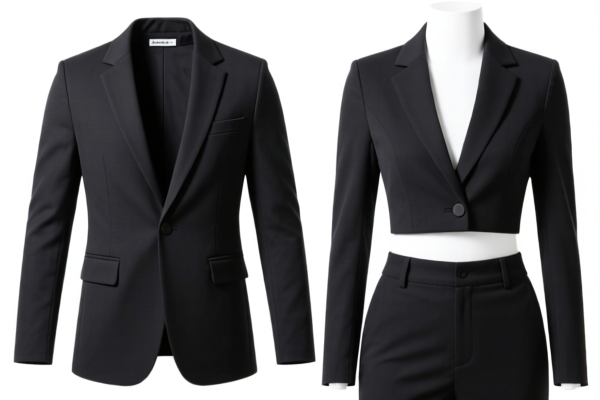
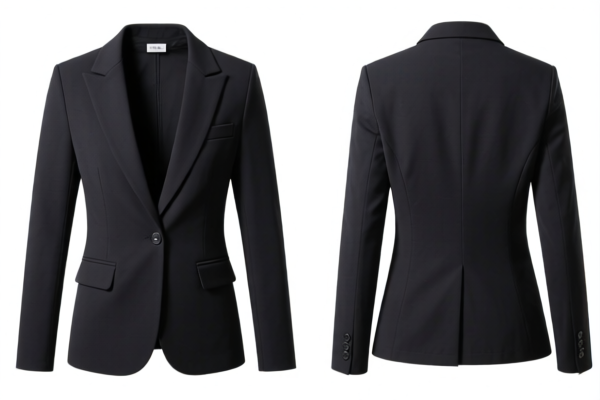
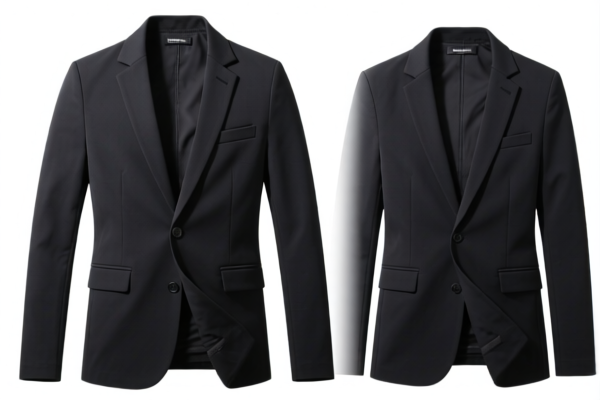
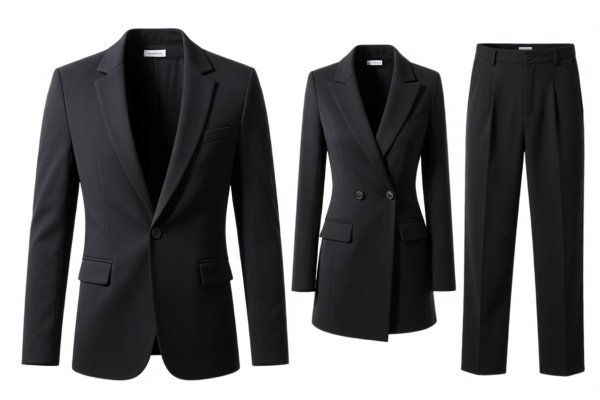
AI Analysis
👕 Boys' Knitted/Crocheted Set & Polyester Jacket | 🇺🇸 US Customs Clearance Guide 2026
🌐 HS Code Reference & Clearance Guide | 2026 Latest Tariff Analysis | Professional Compliance Strategy
📌 I. Product Definition & Classification: Are You Misclassifying Kids' Wear?
In international trade, children's apparel is strictly categorized by Fabric Construction (Knitted vs. Woven) and Garment Type (Jacket vs. Suit/Ensemble). The term "Boys' Knitted/Crocheted Set Non Swim Polyester Jacket" is ambiguous and potentially risky if not dissected correctly.
Crucial Distinction: 1. Knitted/Crocheted (61xx Series): Made from loops of yarn. Includes suits, ensembles, and specific knitted jackets. 2. Woven (62xx Series): Made from interlaced threads. Includes most standard polyester jackets and suits. 3. "Set" vs. "Ensemble" vs. "Separate Articles: Customs treats multi-piece outfits differently based on whether they are entered together or separately.
⚠️ Critical Classification Logic:
- If the item is a single woven polyester jacket for boys → 6203.39.20.20
- If the item is a knitted polyester suit/set → 6103.39.10.00 or 6114.30.30.60
- If the item is a knitted ensemble (jacket + pants sold as one unit) → 6103.29.10.15 (Complex Tax Rule)
- If the item is a generic knitted boys' garment → 6114.30.30.44
📦 II. HS Code Classification Matrix (2026 Latest Tariff Authority)
| HS Code | Product Description | Classification Logic | Key Feature |
|---|---|---|---|
6203.39.20.20 |
Boys' Woven Polyester Jacket (Non-Swim) | Woven fabric, separate jacket, boys' specific | 🧥 Woven Polyester Jacket |
6103.39.10.00 |
Boys' Knitted/Crocheted Suit/Set | Knitted fabric, complete suit/set, boys' specific | 👔 Knitted Suit Set |
6114.30.30.60 |
Boys' Knitted/Crocheted Apparel (Other) | Knitted fabric, not classified as suit/jacket specifically | 👕 Knitted Other Garment |
6103.29.10.15 |
Boys' Knitted Ensemble (Separately Entered) | Knitted ensemble (jacket + pants), entered separately | 🎭 Knitted Ensemble (Split Tax) |
6114.30.30.44 |
Boys' Knitted/Jumpsuit/Set | Knitted fabric, children's specific style | 👶 Knitted Children's Style |
🔍 Key Warning:
- "Non-Swim": Excludes swimwear (which would be 6112 or 6211).
- "Knitted" vs. "Woven": Misclassifying a woven jacket as knitted (or vice versa) is a common customs error leading to seizures.
- "Set": If declared as a "set" but contains mixed fabrics or isn't a complete outfit, customs may split the valuation.
💰 III. 2026 Tariff Rate Breakdown (China Origin to USA)
✅ Applicable Country: United States (US)
✅ Origin: China (CN)
✅ Effective Date: November 10, 2025 onwards (including subsequent imports)
✅ Note: All rates below include Base Tariff + Section 301 + Section 122 (if applicable).
🎯 1. 6203.39.20.20 — Boys' Woven Polyester Jacket
| Item | Details |
|---|---|
| Base Tariff | 27.3% (Ad Valorem) |
| Section 301 Surcharge | +7.5% (From USITC Footnote 9903.88.01) |
| Section 122 Surcharge | +10.0% (From IEEPA:9903.01.24/25) |
| Total Tariff Rate | 44.8% |
| Tax Calculation | CIF Value × 44.8% |
| De Minimis Exemption | ❌ Not Eligible (Section 301 & 122 deny de minimis) |
| Legal Path | IEEPA:9903.01.25 → IEEPA:9903.01.24 → USITC:6203.39.20.20 |
📌 Explanation:
- This is the most direct classification for a standard woven polyester jacket.
- The 44.8% rate is high but standard for Chinese-made boys' outerwear.
- No de minimis: Even small packages are taxed fully.
🎯 2. 6103.39.10.00 — Boys' Knitted Polyester Suit/Set
| Item | Details |
|---|---|
| Base Tariff | 14.9% (Ad Valorem) |
| Section 301 Surcharge | +7.5% |
| Section 122 Surcharge | +10.0% |
| Total Tariff Rate | 32.4% |
| Tax Calculation | CIF Value × 32.4% |
| De Minimis Exemption | ❌ Not Eligible |
| Legal Path | IEEPA:9901.25 → IEEPA:9903.01.24 → USITC:6103.39.10.00 |
📌 Explanation:
- Suitable for knitted suits (e.g., knitted blazer + pants set).
- Lower base tariff (14.9%) than woven jackets, but still subject to full surcharges.
- 32.4% total rate.
🎯 3. 6114.30.30.60 — Boys' Knitted Apparel (Other)
| Item | Details |
|---|---|
| Base Tariff | 14.9% (Ad Valorem) |
| Section 301 Surcharge | +7.5% |
| Section 122 Surcharge | +10.0% |
| Total Tariff Rate | 32.4% |
| Tax Calculation | CIF Value × 32.4% |
| De Minimis Exemption | ❌ Not Eligible |
| Legal Path | IEEPA:9901.25 → IEEPA:9903.01.24 → USITC:6114.30.30.60 |
📌 Explanation:
- Used for knitted garments that don't fit into "suits" or "jackets" specifically.
- Common for casual knitted tops or pants sold individually.
🎯 4. 6103.29.10.15 — Boys' Knitted Ensemble (Separately Entered)
| Item | Details |
|---|---|
| Base Tariff | Variable (Rate per garment if entered separately) |
| Section 301 Surcharge | +7.5% |
| Section 122 Surcharge | +10.0% |
| Total Tariff Rate | Variable + 17.5% |
| Tax Calculation | (Sum of individual garment taxes) + 17.5% Surcharge |
| De Minimis Exemption | ❌ Not Eligible |
| Legal Path | IEEPA:9903.01.25 → IEEPA:9903.01.24 → USITC:6103.29.10.15 |
📌 CRITICAL WARNING:
- This code applies to knitted ensembles (e.g., jacket + pants) entered separately.
- Tax Trap: The base tariff is calculated per garment (jacket and pants taxed separately), then 17.5% additional surcharge is applied.
- This often results in a higher effective tax than a standard suit code.
- Example: If jacket tax is 10% and pants tax is 8%, total base is 18%, plus 17.5% surcharge → 35.5%+.
🎯 5. 6114.30.30.44 — Boys' Knitted/Jumpsuit/Set
| Item | Details |
|---|---|
| Base Tariff | 14.9% (Ad Valorem) |
| Section 301 Surcharge | +7.5% |
| Section 122 Surcharge | +10.0% |
| Total Tariff Rate | 32.4% |
| Tax Calculation | CIF Value × 32.4% |
| De Minimis Exemption | ❌ Not Eligible |
| Legal Path | IEEPA:9901.25 → IEEPA:9903.01.24 → USITC:6114.30.30.44 |
📌 Explanation:
- For children's specific knitted styles (e.g., jumpsuits, overalls, or specific kids' sets).
- 32.4% total rate.
🛠️ IV. Clearance Practical Advice (Pitfall Avoidance)
✅ 1. Documentation Checklist (Mandatory)
| Document | Required | Notes |
|---|---|---|
| ✅ Product Spec Sheet | ✔️ | Must specify: Knitted/Woven, Polyester 100%, Boys' Size |
| ✅ Fabric Composition Label | ✔️ | Clear photo of inside label showing fiber content |
| ✅ Product Photos | ✔️ | Front, back, side, and close-up of fabric texture (to prove knit vs. weave) |
| ✅ Commercial Invoice | ✔️ | Must clearly state "Boys' Knitted/Woven Polyester Jacket/Set" |
| ✅ Packing List | ✔️ | Itemized list if "set" is split for valuation |
| ✅ Origin Certificate | ❌ (Not needed for CN) | China origin is subject to full tariffs; no FTA benefits |
✅ 2. Classification Tips (Golden Rules)
🔥 "Fabric First, Then Style, Then Entry Method!"
| Scenario | Correct HS Code | Mistake to Avoid |
|---|---|---|
| Woven Polyester Jacket (Single piece) | 6203.39.20.20 |
Misclassifying as knitted → 44.8% vs 32.4% risk |
| Knitted Suit Set (Jacket + Pants, entered together) | 6103.39.10.00 |
Misclassifying as ensemble → higher tax |
| Knitted Ensemble (Jacket + Pants, entered separately) | 6103.29.10.15 |
Using suit code for separate entry → penalty |
| Casual Knitted Top (Not a suit) | 6114.30.30.60 |
Forcing into suit category → rejection |
📌 Key Insight:
- Knitted vs. Woven: If unsure, send a fabric swatch to customs broker.
- Set vs. Ensemble: If items are packaged together but declared separately, use Ensemble codes. If packaged and declared as one unit, use Suit/Set codes.
✅ 3. Special Cases
| Case | Handling Advice |
|---|---|
| Mixed Fabric Sets | If jacket is woven but pants are knitted, customs may split the shipment. Consult broker. |
| OEM Private Label | Provide OEM agreement to prove "Boys'" classification. |
| Seasonal Variations | Ensure "Non-Swim" is clearly stated to avoid misclassification as swimwear (6112). |
🌍 V. Global Market Comparison (2026)
| Region | Recommended HS Code | Tariff Rate (China) | Notes |
|---|---|---|---|
| 🇺🇸 USA | 6203.39.20.20 / 6103.39.10.00 |
32.4% - 44.8% | High tariffs due to Section 301 & 122. No de minimis. |
| 🇨🇳 China | 6203.33.00.00 / 6103.43.00.00 |
5% - 8% | Lower base rate. No surcharges. |
| 🇪🇺 EU | 6203.43.10 / 6103.43.10 |
8% - 12% | No Section 301/122 equivalent. Stable rates. |
| 🇬🇧 UK | 6203.43.10 / 6103.43.10 |
8% - 12% | Post-Brexit rules apply. No US-style surcharges. |
| 🇯🇵 Japan | 6203.43.00 / 6103.43.00 |
3% - 10% | No additional surcharges. |
📌 Conclusion:
- USA is the most expensive market for Chinese boys' apparel due to Section 301 & 122.
- Europe and Asia offer more stable and lower tariff structures.
📌 VI. Common Mistakes & Pitfalls (Lessons Learned)
❌ Mistake 1: Calling a woven jacket "knitted"
👉 Consequence: Customs reclassifies to 6203.39.20.20 → 44.8% tax instead of 32.4%. Overpayment!
❌ Mistake 2: Declaring a knitted ensemble as a "suit" when entered separately
👉 Consequence: Applies 6103.29.10.15 → Variable + 17.5% tax. Complex and costly!
❌ Mistake 3: Ignoring "Non-Swim" status
👉 Consequence: Customs may classify as swimwear (6112) → different tariff and quota issues.
❌ Mistake 4: Assuming de minimis applies
👉 Consequence: All shipments from China are subject to full tariffs. No $800 exemption.
✅ Correct Practice:
"Boys' 100% Polyester Woven Jacket, Non-Swim, Size 4-12, Model XYZ"
"Boys' Knitted Polyester Suit Set, Jacket & Pants, Size 4-12, Model ABC"
🎯 VII. Conclusion: Precision in Classification Saves Money!
🎯 Remember:
🔹 "Fabric First: Knitted (61) vs. Woven (62)"
🔹 "Entry Method: Set (Together) vs. Ensemble (Separate)"
🔹 "Tariff Reality: 32.4% to 44.8% for China Origin"
🔹 "No De Minimis: Every dollar is taxed!"
📌 Pro Tip:
- If your product is knitted, consider
6103.39.10.00for suits (32.4%) vs.6203.39.20.20for woven jackets (44.8%).- Knitted suits are 12.4% cheaper in total tariffs than woven jackets!
- Consult a customs broker for Advance Rulings to lock in classification.
📣 Act Now:
📞 Contact a licensed customs broker.
📸 Provide clear product photos and fabric swatches.
📝 File for Advance Ruling to avoid post-clearance audits.
🚀 Optimize your supply chain to navigate the 44.8% tariff wall!
✨ Professional Clearance Starts with Accurate Classification!
💼 Every percentage point counts in profit margins!
Customer Reviews
About HS Code Classification
The Harmonized System (HS) is an internationally standardized nomenclature developed by the World Customs Organization (WCO) to classify traded products. Over 200 countries use the HS system as the basis for customs tariffs, trade statistics, and import/export regulations.
Each HS code follows a hierarchical structure:
- Chapter (2 digits) — Broad category of goods (e.g., Chapter 84: Machinery and Mechanical Appliances)
- Heading (4 digits) — More specific grouping within the chapter
- Subheading (6 digits) — Internationally standardized breakdown, used by all WCO member countries
- National subdivisions (8-10 digits) — Country-specific extensions for further classification, such as US HTSUS 10-digit codes
Correct HS code classification is essential for smooth customs clearance, accurate duty payment, and compliance with trade regulations. Misclassification can lead to customs delays, overpayment of duties, or penalties.
When importing from CN to US, the applicable tariff rates may include:
- Most-Favored-Nation (MFN) rate — The standard duty rate applied to WTO members
- General rate — Applied to countries without trade agreements
- Trade remedy duties — Additional tariffs such as Section 301 (anti-dumping), Section 232 (national security), or countervailing duties
The information provided on this page is for reference purposes only. For official classification, please consult with your local customs authority or a licensed customs broker.