Boys' Knitted/Crocheted Shirt
CN → US| HS Code | Tariff Rate | Origin | Destination | Doc |
|---|---|---|---|---|
| 6105202030 | 49.5% | CN | US | Official Doc |
| 6109901009 | 49.5% | CN | US | Official Doc |
| 6105100030 | 37.2% | CN | US | Official Doc |
| 6109100014 | 34.0% | CN | US | Official Doc |
| 6110202015 | 34.0% | CN | US | Official Doc |
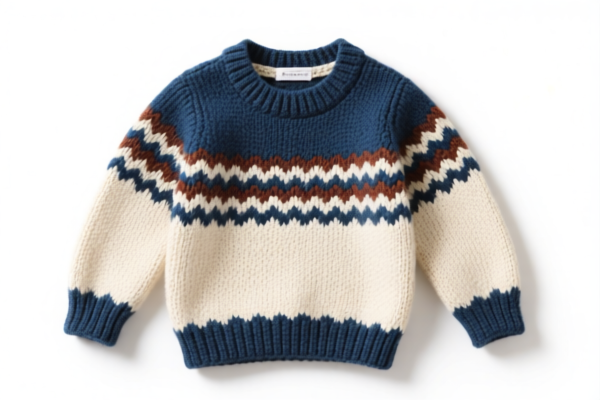
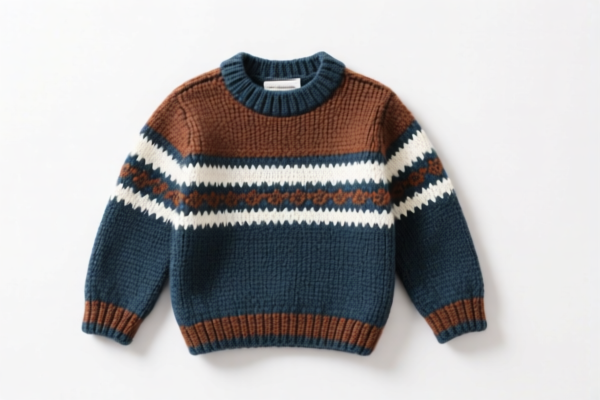
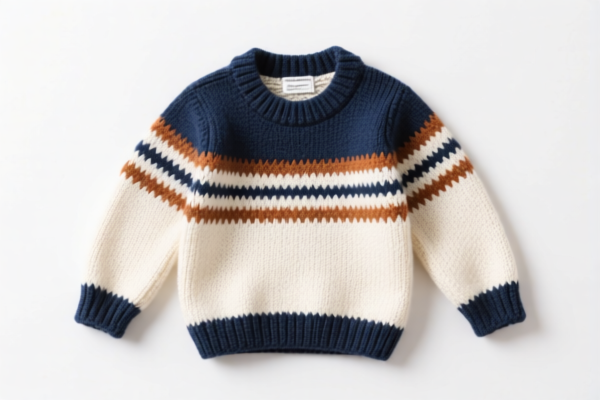
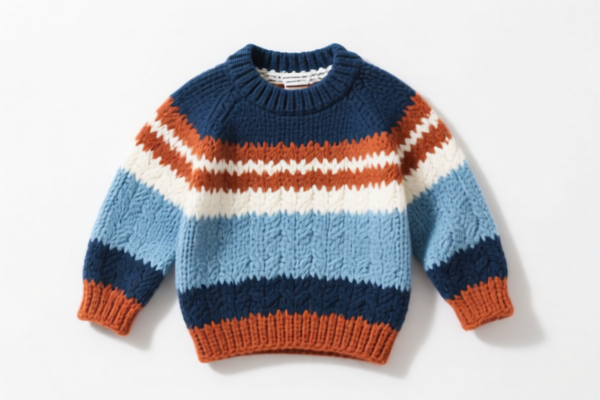
Product Images
AI Analysis
🧸 Boys' Knitted/Crocheted Shirt (男童针织/钩编衬衫)
🌐 HS Code Reference & Customs Clearance Guide | 2026 Latest Tariff Analysis | Professional Clearance Strategy
📌 1. Product Definition: Understanding the "Boys' Knitted Shirt"
A "Boys' Knitted/Crocheted Shirt" falls under Chapter 61 (Articles of Apparel and Clothing Accessories, Knitted or Crocheted) of the Harmonized System (HS).
Key Classification Distinction: * By Construction: Must be Knitted or Crocheted (not woven). Woven shirts fall under Chapter 62. * By Gender: Specifically for Boys. Gender-specific classification is critical in Chapter 61 as it often triggers different subheadings compared to girls' or unisex items. * By Material: The fiber content (Cotton, Synthetic Fibers, Other Textiles) is the primary determinant for the final HS code and, consequently, the tariff rate.
⚠️ Critical Note:
- "Shirt" in HS terms for Chapter 61 typically refers to T-shirts, singlets, and similar garments. If the item is a formal button-down shirt, ensure it doesn't fall under specific formalwear subheadings, though6105and6109are the primary candidates for general knitted shirts.
- Material Declaration: You must accurately declare the fiber composition (e.g., 100% Cotton vs. Polyester vs. Blends) as this directly impacts the HS code selection.
📦 2. HS Code Classification Details (Based on Provided Data)
Below are the specific HS codes derived from your data, categorized by material inference. All codes listed are for Boys' Knitted/Crocheted Shirts.
| HS Code | Product Description (Inferred) | Total Tax Rate | Tax Breakdown |
|---|---|---|---|
6105.20.20.30 |
Boys' Knitted/Crocheted Shirt, Material inferred as Fiber-based (General/Synthetic) | 49.5% | Base Tariff: 32.0% Add-on Tariff: 7.5% Section 301 (122) Tariff: 10% |
6109.90.10.09 |
Boys' Knitted/Crocheted Shirt, Material inferred as Other Textile Materials | 49.5% | Base Tariff: 32.0% Add-on Tariff: 7.5% Section 301 (122) Tariff: 10% |
6105.10.00.30 |
Boys' Knitted/Crocheted Shirt, Material inferred as Cotton | 37.2% | Base Tariff: 19.7% Add-on Tariff: 7.5% Section 301 (122) Tariff: 10% |
6109.10.00.14 |
Boys' Knitted/Crocheted Shirt, Meets Material & Use Requirements (Likely Cotton T-shirts) | 34.0% | Base Tariff: 16.5% Add-on Tariff: 7.5% Section 301 (122) Tariff: 10% |
6110.20.20.15 |
Boys' Knitted/Crocheted Shirt, Material inferred as Cotton or Similar Fibers (Likely Sweaters/Jumpers) | 34.0% | Base Tariff: 16.5% Add-on Tariff: 7.5% Section 301 (122) Tariff: 10% |
🔍 Important Clarification:
-6105vs.6109vs.6110:
-6105: Men's/Boys' shirts (button-up, polo, etc.).
-6109: T-shirts, singlets, and other knit shirts.
-6110: Jumpers, pullovers, cardigans, and waistcoats.
- The variation in tax rates (34.0% – 49.5%) is primarily driven by the Base Tariff, which depends on whether the item is classified under6105(higher base) or6109/6110(lower base).
- Section 301 (122) Tariff: The 10% additional tariff is consistently applied to all listed codes, likely due to specific trade actions or lists applicable to these textile categories.
💰 3. 2026 Latest Tariff Rate Details (Detailed Breakdown)
✅ Applicable Country: United States (US)
✅ Origin: China (CN) (Inferred from "122条款" and tariff structure)
✅ Effective Time: Current Rates (2024-2026 Context)
🎯 1. High-Tax Category: 6105.20.20.30 & 6109.90.10.09 (49.5% Total)
- Material: Non-Cotton (Synthetic Fibers or "Other Textiles")
- Breakdown:
- MFN/General Base Tariff: 32.0%
- Add-on Tariff (e.g., Section 301): 7.5%
- Section 122 Tariff: 10%
- Total: 49.5%
- Impact: This is the highest cost scenario. Items made of polyester, nylon, or blends (if not 100% cotton) fall here.
🎯 2. Medium-Low Tax Category: 6105.10.00.30 (37.2% Total)
- Material: Cotton
- Breakdown:
- MFN/General Base Tariff: 19.7%
- Add-on Tariff: 7.5%
- Section 122 Tariff: 10%
- Total: 37.2%
- Impact: 100% Cotton shirts classified under
6105(shirts) enjoy a lower base rate than synthetic ones.
🎯 3. Lowest Tax Category: 6109.10.00.14 & 6110.20.20.15 (34.0% Total)
- Material: Cotton (for
6109) / Cotton or Similar (for6110) - Breakdown:
- MFN/General Base Tariff: 16.5%
- Add-on Tariff: 7.5%
- Section 122 Tariff: 10%
- Total: 34.0%
- Impact: This is the most favorable rate.
6109.10typically covers Cotton T-shirts and Singlets.6110.20typically covers Cotton Sweaters/Jumpers.- If your "shirt" is essentially a T-shirt, classify it as
6109to save significant tax.
🛠️ 4. Customs Clearance Practical Advice (Pitfall Avoidance Guide)
✅ 1. Documentation Checklist (Mandatory)
| Document | Required? | Description |
|---|---|---|
| ✅ Product Specification Sheet | ✔️ | Must detail: Fabric composition (e.g., "100% Cotton"), knit structure, gender (Boys), and intended use. |
| ✅ Fabric Content Label | ✔️ | Photo of the care label inside the garment showing fiber content. |
| ✅ Product Photos | ✔️ | Clear images of front, back, and close-up of the knit texture. |
| ✅ Commercial Invoice | ✔️ | Must explicitly state: "Boys' Knitted T-Shirt/Shirt, 100% Cotton" (or other material). Avoid vague terms like "Textile Garment." |
| ✅ Packing List | ✔️ | Item count, weight, and dimensions. |
✅ 2. Declaration Strategy (Key Tips)
🔥 "Material is King, Type is Queen: Correct Code, Lower Cost!"
| Scenario | Correct HS Code Recommendation | Why? |
|---|---|---|
| Cotton T-Shirt | 6109.10.00.14 |
Lowest base tariff (16.5%). "Shirt" in common language often = T-shirt in HS. |
| Cotton Button-Down | 6105.10.00.30 |
Higher base (19.7%) but lower than synthetics. Ensure it's a "shirt" not a "jumper." |
| Polyester/Synthetic Shirt | 6105.20.20.30 or 6109.90.10.09 |
Highest base tariff (32.0%). No way to avoid if material is synthetic. |
| Cotton Sweater/Pullover | 6110.20.20.15 |
Lowest base tariff (16.5%). If it looks like a sweater, declare as such. |
📌 Critical Warning:
- Misclassification Risk: Declaring a Polyester T-shirt as a Cotton Shirt to get a lower rate is fraud. Customs can audit fiber content via lab tests.
- Section 122 Tariff: The 10% additional tariff is non-negotiable for these items under current trade actions. Do not assume exemptions.
✅ 3. Special Considerations
| Situation | Recommendation |
|---|---|
| Blended Fabrics (e.g., 60% Cotton/40% Poly) | Declare the principal fiber. If cotton is >50%, it may qualify for cotton rates, but check specific HS rules of origin for textiles. |
| Sets (e.g., Shirt + Shorts) | If sold as a set, classify according to the item that gives the set its essential character. Usually, the shirt. |
| Embroidery/Prints | Do not affect HS code unless it makes the garment a "costume" or "sports uniform." |
🌍 5. Summary of Tax Savings Strategy
| Material | Recommended HS Code | Total Tax | Savings vs. Highest |
|---|---|---|---|
| Cotton T-Shirt | 6109.10.00.14 |
34.0% | 15.5% |
| Cotton Sweater | 6110.20.20.15 |
34.0% | 15.5% |
| Cotton Button-Up | 6105.10.00.30 |
37.2% | 12.3% |
| Synthetic/Other | 6105.20.20.30 / 6109.90.10.09 |
49.5% | - |
📌 Conclusion:
- Maximize Savings: If your product is a T-shirt, always classify under6109(T-shirts) rather than6105(Shirts) if the material allows.
- Material Matters: Cotton is significantly cheaper to import than synthetic fibers due to lower base tariffs.
- Always Declare Accurately: The 10% Section 122 tariff applies regardless. Do not try to hide the material composition.
📌 6. Common Mistakes & Pitfalls
❌ Mistake 1: Calling a "T-shirt" a "Shirt" and declaring it under 6105 when it could be 6109.
👉 Result: Overpayment of 3.2% (37.2% vs 34.0%) on cotton items.
❌ Mistake 2: Declaring a synthetic shirt as cotton.
👉 Result: Severe penalties, seizure of goods, and retroactive tax + fines.
❌ Mistake 3: Ignoring the "Section 122" tariff.
👉 Result: Underestimating landed cost by 10%, leading to profit loss.
✅ Correct Practice:
"Boys' 100% Cotton Knit T-Shirt, Crew Neck, Short Sleeve. HS: 6109.10.00.14. Country of Origin: China."
🎯 7. Final Advice: Professional Clearance, Cost Efficiency
🎯 Remember:
🔹 "T-shirt is cheaper than Shirt, Cotton is cheaper than Poly."
🔹 "Section 122 is always on the table, don't forget the 10%."
📌 Pro Tip:
If your product qualifies as a Cotton T-Shirt (6109.10.00.14), you save 15.5% compared to synthetic items. Ensure your product design and marketing align with the "T-shirt" classification to benefit from the lower base tariff.
📣 Action Item:
📞 Verify Fiber Content: Before shipment, confirm the exact fabric composition.
📄 Pre-classification: Use HS Code6109.10.00.14for cotton T-shirts to minimize tax.
🚀 Accurate Documentation: Clear, precise descriptions prevent customs delays.
✨ Precision in Classification, Profit in Clearance!
💼 Your Bottom Line Depends on Your HS Code!
Customer Reviews
About HS Code Classification
The Harmonized System (HS) is an internationally standardized nomenclature developed by the World Customs Organization (WCO) to classify traded products. Over 200 countries use the HS system as the basis for customs tariffs, trade statistics, and import/export regulations.
Each HS code follows a hierarchical structure:
- Chapter (2 digits) — Broad category of goods (e.g., Chapter 84: Machinery and Mechanical Appliances)
- Heading (4 digits) — More specific grouping within the chapter
- Subheading (6 digits) — Internationally standardized breakdown, used by all WCO member countries
- National subdivisions (8-10 digits) — Country-specific extensions for further classification, such as US HTSUS 10-digit codes
Correct HS code classification is essential for smooth customs clearance, accurate duty payment, and compliance with trade regulations. Misclassification can lead to customs delays, overpayment of duties, or penalties.
When importing from CN to US, the applicable tariff rates may include:
- Most-Favored-Nation (MFN) rate — The standard duty rate applied to WTO members
- General rate — Applied to countries without trade agreements
- Trade remedy duties — Additional tariffs such as Section 301 (anti-dumping), Section 232 (national security), or countervailing duties
The information provided on this page is for reference purposes only. For official classification, please consult with your local customs authority or a licensed customs broker.