Boys' Lightweight Vest
CN → US| HS Code | Tariff Rate | Origin | Destination | Doc |
|---|---|---|---|---|
| 6201303000 | 21.9% | CN | US | Official Doc |
| 6201405500 | 21.9% | CN | US | Official Doc |
| 6111909000 | 23.1% | CN | US | Official Doc |
| 6201402500 | 21.9% | CN | US | Official Doc |
Product Images
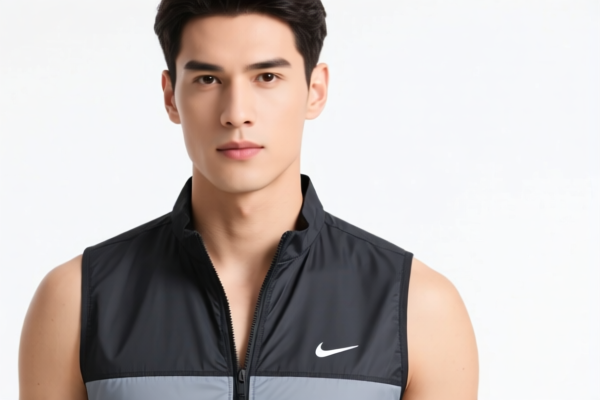
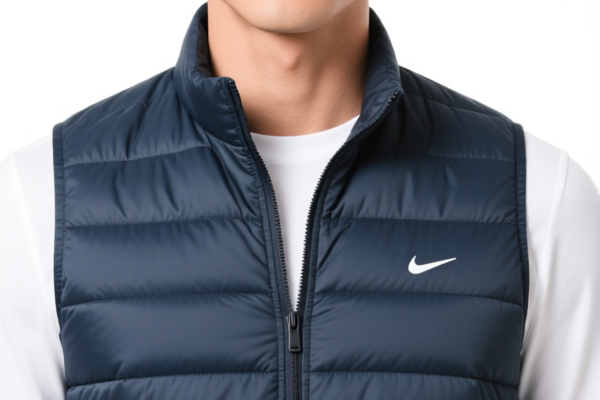
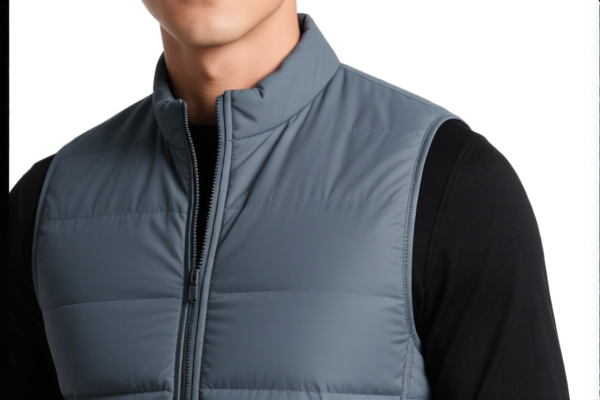
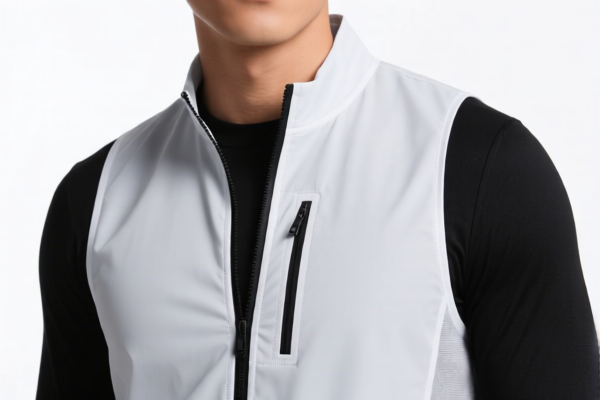
AI Analysis
👶 Boys' Lightweight Vest (Down Jacket)
🌐 HS Code Reference & Customs Clearance Guide | 2026 Latest Tariff Analysis | Professional Compliance Strategy
📌 I. Product Definition & Classification: Do You Really Understand "Boys' Lightweight Vest"?
The "Boys' Lightweight Vest" is a specialized outerwear item designed for children, specifically boys. In international trade, it is primarily classified based on its material composition and construction method. The key ambiguity lies in whether it is considered a "knitted" or "crocheted" garment (Chapter 61) or a "woven" garment (Chapter 62).
Down-Filled Outerwear: The presence of "down" (feathers/down) is the critical factor determining its sub-category.
Target Audience: "Boys" implies a specific demographic, often linked with gender-specific classifications or general children's wear.
⚠️ Key Distinction Point:
- If the outer fabric is Woven (e.g., Nylon, Polyester woven): It generally falls under Chapter 62 (Men’s/Boys’ Overcoats, Windbreakers, etc.).
- If the outer fabric is Knitted/Crocheted (e.g., Knit Polyester): It may fall under Chapter 61 (Knitted/Crocheted Clothing).
- "Lightweight" does not change the HS Code but may affect valuation and specific descriptive requirements in customs declarations.
📦 II. HS Code Classification Details (2026 Latest Tariff Authority Comparison)
Based on the provided data, here are the four potential HS Codes for "Boys' Lightweight Vest" and the reasoning for each:
| HS Code | Product Description | Reasoning for Classification | Total Tax Rate |
|---|---|---|---|
6201.30.30.00 |
Boys' Woven Down Jackets | Summary: The name "Down Jacket" matches the classification requirement for "containing down/feathers" and "performance clothing." "Boys" matches the "for boys" identity limit. This is the most common classification for woven down vests. | 21.9% |
6201.40.55.00 |
Boys' Woven Down Jackets (Other) | Summary: Purpose is for boys; fits category requirements. Material inferred as synthetic fiber (e.g., polyester) for the outer shell, with down filling. Fits the "synthetic fiber" sub-category under Chapter 62. | 21.9% |
6201.40.25.00 |
Boys' Woven Down Jackets (Other) | Summary: Product form is "for boys" and contains "down." Shape is "Down Jacket." Material inferred as synthetic fiber based on common knowledge for lightweight down products. | 21.9% |
6111.90.90.00 |
Boys' Knitted/Crocheted Down Garments | Summary: Purpose fits "Infant/Children's Wear" (Boys), form fits "Clothing," material inferred as textile (down/fabric), belonging to the "Other Textile Materials" category. Note: This applies ONLY if the garment is knitted, not woven. | 23.1% |
🔍 Key Insight:
- Chapters 62 vs. 61: The biggest risk is misclassifying a woven vest as knitted (or vice versa).
- Tax Difference: The knitted classification (6111.90.90.00) has a higher base tariff (5.6%) compared to woven classifications (4.4%), leading to a total tax of 23.1% vs 21.9%.
- Common Practice: Most "lightweight vests" are made of woven nylon or polyester for water resistance, making Chapter 62 the more likely correct classification unless specified as "knit."
💰 III. 2026 Latest Tariff Rate Breakdown (Including Additional Taxes & Policy Surcharges)
✅ Applicable Country: USA (US)
✅ Origin: China (CN)
✅ Effective Date: Post-2025 (Current Trade Environment)
🎯 1. Woven Classifications (6201.30.30.00, 6201.40.55.00, 6201.40.25.00)
| Item | Content |
|---|---|
| Base Tariff | 4.4% (Standard Most Favored Nation rate) |
| Section 301 Tariff | +7.5% (Added tariff for Chinese goods) |
| Section 122 Tariff | +10% (Specific surcharge for certain textile/apparel items from China) |
| Total Tax Rate | 21.9% |
| Tax Calculation | CIF Value × 21.9% |
| De Minimis Exemption | ❌ Not Applicable (Deny de minimis for Section 301/122 items if value exceeds threshold) |
| Legal Basis Path | Section 301 → Section 122 → USITC:6201.30/40 |
📌 Explanation:
- Base Tariff (4.4%): Standard duty for men’s/boys’ overcoats, windbreakers, etc.
- Section 301 (7.5%): Ongoing tariff on a wide range of Chinese manufactured goods.
- Section 122 (10%): A specific surcharge applied to certain textiles and apparel products from China, significantly impacting lightweight outerwear.
- Total 21.9%: This is a high-duty category. Importers must budget for this cost.
🎯 2. Knitted Classification (6111.90.90.00)
| Item | Content |
|---|---|
| Base Tariff | 5.6% (Standard for other knitted children's garments) |
| Section 301 Tariff | +7.5% |
| Section 122 Tariff | +10% |
| Total Tax Rate | 23.1% |
| Tax Calculation | CIF Value × 23.1% |
| De Minimis Exemption | ❌ Not Applicable |
| Legal Basis Path | Section 301 → Section 122 → USITC:6111.90 |
📌 Note:
- If your vest is knitted, you pay 1.2% more in total duties than if it were woven.
- Ensure your product description clearly states "Knitted" or "Crocheted" to justify this HS Code, or face penalties for misclassification.
🛠️ IV. Customs Clearance Practical Advice (Battle-Tested Pitfall Guide)
✅ 1. Required Documentation Checklist (All Must-Provides)
| Document | Must Provide | Notes |
|---|---|---|
| ✅ Product Specification Sheet | ✔️ | Must specify: Fabric Type (Woven/Knitted), Fill Material (Down %, Feather %), Outer Material Composition. |
| ✅ Commercial Invoice | ✔️ | Clearly state "Boys' Lightweight Down Vest," not just "Vest" or "Jacket." |
| ✅ Packing List | ✔️ | Weight, dimensions, number of pieces per carton. |
| ✅ Country of Origin Certificate (CO) | ✔️ | Essential for proving China origin to apply Section 301/122 correctly. |
| ✅ Down Product Label | ✔️ | Must show fill power, cleanliness, and down/feather ratio as per customs labeling laws. |
✅ 2. Declaration Tips (Key Mantras)
🔥 "Woven vs. Knit is Key, Down Content Must Be Clear, Labels Must Comply!"
| Scenario | Correct Declaration | Wrong Practice |
|---|---|---|
| Woven Vest | HS: 6201.30.30.00 |
Misdeclaring as Knitted (6111...) → Audit Risk |
| Knitted Vest | HS: 6111.90.90.00 |
Misdeclaring as Woven → Underpayment Penalty |
| Vest without Down | HS: 6201.30.xx (Non-down category) |
Claiming "Down" when it’s synthetic fill → Fraud Risk |
| Unlabeled Goods | ❌ | No fill info → Seizure or Return |
✅ 3. Special Case Handling
| Situation | Handling Advice |
|---|---|
| OEM/Private Label | Provide brand authorization if applicable, but ensure the product itself is accurately described by material. |
| "Lightweight" Claim | Ensure the product is indeed lightweight (not heavy winter parkas) to avoid confusion with other outerwear categories. |
| Mixed Materials | If the vest has leather trim >10%, it may be classified under Chapter 42. Stick to textile-only for Chapter 61/62. |
| De Minimis (Section 321) | ❌ Do NOT rely on $800 de minimis for Section 301/122 goods. These tariffs cannot be avoided via small package imports. |
🌍 V. Global Market Comparison (2026 Latest)
| Country/Region | Recommended HS Code | Total Duty Rate | Certification Requirements | Notes |
|---|---|---|---|---|
| 🇺🇸 USA | 6201.30.30.00 (Woven) |
21.9% | CPSIA, Prop 65, FTC Labeling | High tariffs due to Section 301/122. |
| 🇪🇺 EU | 6201.93 / 6109 |
~12-16% | CE, REACH, Textile Labeling | No Section 301, but standard duties apply. |
| 🇨🇳 China | 6201.30 |
~5-10% | CCC (if applicable) | Export-oriented. |
| 🇬🇧 UK | 6201.93 |
~12% | UKCA, Textile Regulations | Post-Brexit rules apply. |
📌 Conclusion:
- USA is the most challenging market for "Boys' Lightweight Vests" due to the cumulative impact of Section 301 (7.5%) and Section 122 (10%) tariffs on top of base duties.
- EU/UK have lower total tariffs but stricter labeling and chemical compliance (REACH) requirements.
📌 VI. Common Errors & Pitfalls Guide (Blood & Tears Lessons)
❌ Error 1: Misclassifying a woven vest as knitted (6111...)
👉 Consequence: If caught, customs may reclassify and charge the correct duty, but you risk penalties for misdeclaration. Also, if you underpaid, you owe back taxes + interest.
❌ Error 2: Omitting "Down/Feather" content in description
👉 Consequence: Customs may classify it as a generic synthetic jacket, leading to different HS codes and potential suspicion of fraud if later found to contain down.
❌ Error 3: Assuming De Minimis applies
👉 Consequence: Section 301 and 122 tariffs exclude de minimis relief. Shipping small batches to avoid duties is illegal and will result in seizure.
❌ Error 4: Not labeling Fill Power/Cleanliness
👉 Consequence: Violates FTC and customs labeling laws. Goods may be held at port until corrected.
✅ Correct Practice:
"Boys' Lightweight Down Vest, Outer: 100% Woven Polyester, Fill: 90% White Duck Down, 10% Feathers, Model XYZ, FTC Compliant Labeling"
🎯 VII. Conclusion: Professional Declaration, Time-Saving, Cost-Effective!
🎯 Remember the Mantra:
🔹 "Woven is 62, Knit is 61, Down Content Must Be Disclosed!"
🔹 "Section 301 & 122 Total 17.5% Extra, De Minimis Does Not Apply!"
🔹 "Labeling is Key, Misclassification is Costly!"
📌 Pro Tip:
- If you are importing large volumes, consider customs bond coverage to handle potential audits.
- For knitted vests, ensure the fabric is explicitly stated as "Knitted" in the invoice and spec sheet to justify 6111.90.90.00.
- Always verify the latest Section 122 list as these surcharges can change.
📣 Immediate Action:
📞 Contact a Licensed Customs Broker + Provide Product Photos & Fabric Swatches + Apply for Advance Ruling if possible
🚀 Ensure Smooth Customs Clearance, Reduce Tariff Risks, Maximize Profit Margins!
✨ Professional Customs Clearance Starts with Precise Classification!
💼 Every Cent of Duty Matters!
Customer Reviews
About HS Code Classification
The Harmonized System (HS) is an internationally standardized nomenclature developed by the World Customs Organization (WCO) to classify traded products. Over 200 countries use the HS system as the basis for customs tariffs, trade statistics, and import/export regulations.
Each HS code follows a hierarchical structure:
- Chapter (2 digits) — Broad category of goods (e.g., Chapter 84: Machinery and Mechanical Appliances)
- Heading (4 digits) — More specific grouping within the chapter
- Subheading (6 digits) — Internationally standardized breakdown, used by all WCO member countries
- National subdivisions (8-10 digits) — Country-specific extensions for further classification, such as US HTSUS 10-digit codes
Correct HS code classification is essential for smooth customs clearance, accurate duty payment, and compliance with trade regulations. Misclassification can lead to customs delays, overpayment of duties, or penalties.
When importing from CN to US, the applicable tariff rates may include:
- Most-Favored-Nation (MFN) rate — The standard duty rate applied to WTO members
- General rate — Applied to countries without trade agreements
- Trade remedy duties — Additional tariffs such as Section 301 (anti-dumping), Section 232 (national security), or countervailing duties
The information provided on this page is for reference purposes only. For official classification, please consult with your local customs authority or a licensed customs broker.