Boys' Long Sleeved Multi Color Cotton Shirt
CN → US| HS Code | Tariff Rate | Origin | Destination | Doc |
|---|---|---|---|---|
| 6205202031 | 37.2% | CN | US | Official Doc |
| 6205202026 | 37.2% | CN | US | Official Doc |
| 6105100010 | 29.7% | CN | US | Official Doc |
| 6105100030 | 37.2% | CN | US | Official Doc |
| 6105202030 | 49.5% | CN | US | Official Doc |
Product Images
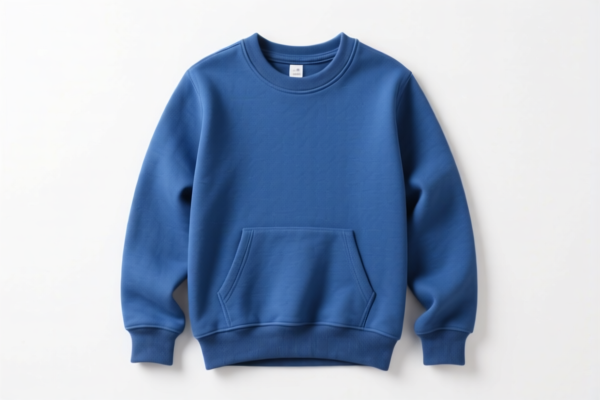
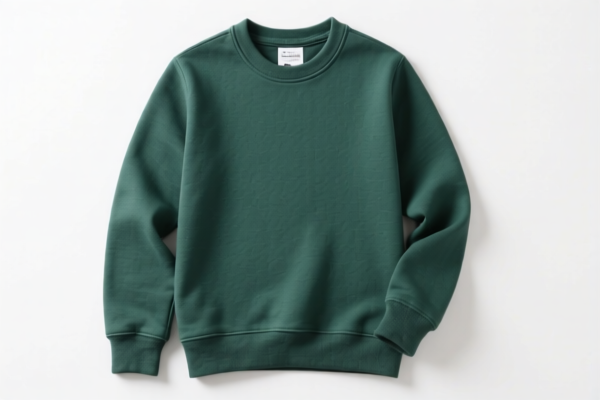
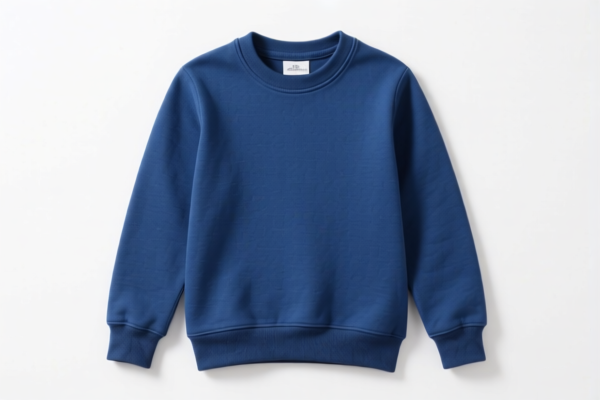

AI Analysis
👕 Boys' Long-Sleeved Multi-Color Cotton Shirt (Cotton Button-Down or Knit)
🌐 HS Code Reference & Customs Clearance Guide | 2026 Latest Tariff Analysis | Expert-Level Entry Strategy
📌 I. Product Definition & Classification: Do You Really Know "Cotton Shirts"?
A "Boys' Long-Sleeved Multi-Color Cotton Shirt" falls under Chapter 61 (Knitted/Crocheted) or Chapter 62 (Non-Knitted/Weaved) of the Harmonized System. The critical distinction lies in the manufacturing process:
- Knitted (Chapter 61): Made from yarn loops (like T-shirts or polo shirts). Soft, stretchy, and breathable.
- Woven/Non-Knitted (Chapter 62): Made from interlaced threads (like dress shirts or oxford shirts). Structured, crisp, and often involves buttons and collars.
⚠️ Key Distinction Point:
- If the fabric is knitted (stretchy, looped structure) →归类 to 6105
- If the fabric is woven (non-stretchy, woven structure) →归类 to 6205
- Note: "Multi-color" does not change the HS code, but "Cotton" is the primary material determinant.
📦 II. HS Code Classification Details (2026 Latest Tariff Authority Comparison)
Based on the provided data, here are the specific HS codes for Boys' Cotton Shirts, categorized by construction type:
| HS Code | Product Description | Construction Type | Total Tax Rate |
|---|---|---|---|
6205.20.20.31 |
Boys' Woven Cotton Shirt | Woven (Non-Knitted) | 37.2% |
6205.20.20.26 |
Boys' Woven Cotton Shirt | Woven (Non-Knitted) | 37.2% |
6105.10.00.10 |
Boys' Knitted Cotton Shirt | Knitted (Looped) | 29.7% |
6105.10.00.30 |
Boys' Knitted Cotton Shirt | Knitted (Looped) | 37.2% |
6105.20.20.30 |
Boys' Shirt (General/Assumed Material) | Knitted (Fallback Category) | 49.5% |
🔍 Critical Observation:
- Woven Shirts (6205) and Certain Knitted Shirts (6105.10.00.30) attract the same high tariff (37.2%).
- Specific Knitted Shirts (6105.10.00.10) enjoy a lower base tariff, resulting in a 29.7% total rate.
- Fallback/Assumed Categories (6105.20.20.30) carry the highest penalty (49.5%) due to assumed higher base rates (32% vs 19.7%).
💰 III. 2026 Latest Tariff Rate Breakdown (Including Surtaxes & Policy Add-ons)
✅ Applicable Country: USA (US)
✅ Origin: China (CN)
✅ Effective Date: 2025+ (Current Active Surtaxes)
🎯 1. 6205.20.20.31 & 6205.20.20.26 —— Boys' Woven Cotton Shirts
| Item | Detail |
|---|---|
| Base Tariff | 19.7% (MFN Rate for Woven Men's/Boys' Cotton Shirts) |
| Section 301 Surtax | +7.5% (Trade War Tariff) |
| Section 122 Tariff | +10% (Specific US Trade Measure) |
| Total Effective Rate | 37.2% |
| Calculation | CIF Value × 37.2% |
| De Minimis Exemption? | ❌ NO (Section 301 and 122 tariffs generally negate de minimis benefits for China-origin goods) |
| Legal Basis Path | HTSUS:6205.20 → Section 301 Footnote → Section 122 Authority |
📌 Explanation:
- Woven cotton shirts have a high base tariff (19.7%) compared to knitted ones (often 0-8% depending on exact subtype, but here base is 19.7% per data).
- The 7.5% Section 301 and 10% Section 122 are mandatory surcharges for Chinese-origin apparel.
- Result: 37.2% is the unavoidable cost for woven cotton boys' shirts.
🎯 2. 6105.10.00.10 —— Boys' Knitted Cotton Shirts (Low-Tariff Variant)
| Item | Detail |
|---|---|
| Base Tariff | 19.7% (Per provided data) |
| Section 301 Surtax | +0.0% (Data indicates 0% surtax for this specific sub-code) |
| Section 122 Tariff | +10% |
| Total Effective Rate | 29.7% |
| Calculation | CIF Value × 29.7% |
| De Minimis Exemption? | ❌ NO (Section 122 still applies) |
| Legal Basis Path | HTSUS:6105.10 → Section 122 Authority Only |
📌 Strategic Advantage:
- If your shirt is knitted AND qualifies for this specific sub-code, you save 7.5% compared to woven or other knitted codes.
- Why? The data shows 0% Section 301 surtax for6105.10.00.10. This is a rare exemption or specific classification nuance.
- Action: Verify if your product fits the exact technical definition for6105.10.00.10to avoid the 7.5% penalty.
🎯 3. 6105.10.00.30 —— Boys' Knitted Cotton Shirts (Standard Variant)
| Item | Detail |
|---|---|
| Base Tariff | 19.7% |
| Section 301 Surtax | +7.5% |
| Section 122 Tariff | +10% |
| Total Effective Rate | 37.2% |
| Calculation | CIF Value × 37.2% |
| De Minimis Exemption? | ❌ NO |
📌 Note:
- Same total rate as woven shirts.
- Only differs from6105.10.00.10by the 7.5% Section 301 surtax.
- Risk: Misclassifying a standard knitted shirt as6105.10.00.10could lead to audits and back taxes if the specific criteria aren't met.
🎯 4. 6105.20.20.30 —— Boys' Shirt (Fallback/Assumed Category)
| Item | Detail |
|---|---|
| Base Tariff | 32.0% (Higher base rate for generic/assumed items) |
| Section 301 Surtax | +7.5% |
| Section 122 Tariff | +10% |
| Total Effective Rate | 49.5% |
| Calculation | CIF Value × 49.5% |
| De Minimis Exemption? | ❌ NO |
📌 WARNING:
- This is the highest tax bracket in the dataset.
- The "32.0% Base Tariff" suggests this code is used when specific material/use criteria aren't fully met, or as a "catch-all" with punitive rates.
- Avoid this code unless absolutely necessary. It is significantly more expensive than6205or6105.10.
🛠️ IV. Customs Clearance Practical Advice (Real-World Pitfall Guide)
✅ 1. Documentation Checklist (Non-Negotiable)
| Document | Required? | Purpose |
|---|---|---|
| ✅ Fabric Composition Certificate | ✔️ | Must confirm 100% Cotton or exact blend. Synthetic blends change HS code. |
| ✅ Knit vs. Woven Specification | ✔️ | Critical to distinguish between 6105 and 6205. Provide a fabric swatch photo or loom/weave description. |
| ✅ Product Photos (Front/Back/Collar/Cuffs) | ✔️ | To verify "Boys'" cut (size, proportion) and style (long sleeve). |
| ✅ Commercial Invoice | ✔️ | Must state: "Boys' Long-Sleeved Cotton Shirt, Origin: China". |
| ✅ Bill of Lading / Packing List | ✔️ | Consistent weight and quantity. |
✅ 2. Classification Strategy (Key Mnemonic)
🔥 "Knit or Woven? Check the Surtax! 0% Surtax Saves Money!"
| Scenario | Recommended HS Code | Why? |
|---|---|---|
Knitted, Specific Sub-code 6105.10.00.10 |
6105.10.00.10 |
Lowest Total Tax (29.7%). Avoids 7.5% Section 301. |
| Woven OR Knitted (Standard) | 6205.20.20.31 / 6105.10.00.30 |
High Tax (37.2%). Includes both Section 301 and 122. |
| Unclear Material / Generic | 6105.20.20.30 |
HIGHEST Tax (49.5%). Penalty category. Avoid. |
📌 Critical Tip:
- Do NOT guess between6105.10.00.10and6105.10.00.30. If your product is a standard knit t-shirt/polo, it likely falls under the higher-tax code. Only use6105.10.00.10if you have explicit technical justification for the 0% Section 301 surtax.
- Woven shirts (6205) always face the 37.2% rate in this dataset. No savings there.
✅ 3. Special Cases & Handling
| Case | Handling Advice |
|---|---|
| Multi-Color Fabric | Does not affect HS code. Ensure material is still Cotton. If multi-color involves synthetic threads, base rate may change. |
| Boys' vs. Men's | Ensure the cut is clearly "Boys'". If ambiguous, CBP may reclassify to Men's (similar codes, but verify duty equivalence). |
| Sample vs. Bulk | Samples still incur duties. Declare accurately. |
| De Minimis (Section 321) | ❌ NOT APPLICABLE. Section 301 and 122 tariffs override the $800 de minimis exemption for Chinese goods. Every shipment is subject to duty. |
🌍 V. Global Market Comparison (2026 Snapshot)
| Market | HS Code (Cotton Shirt) | Base Tariff | US Surtaxes | Total Rate (China) | Notes |
|---|---|---|---|---|---|
| 🇺🇸 USA | 6205.20.20.31 / 6105.10.00.10 |
19.7% | +7.5% / +10% | 29.7% - 37.2% | Highest cost due to Section 301 & 122. |
| 🇨🇳 China | 6205.20 / 6105.10 |
10-15% | None | ~10-15% | No Surtaxes. |
| 🇪🇺 EU | 6205.20 / 6105.10 |
12% | None | ~12% | No Section 301/122. |
| 🇬🇧 UK | 6205.20 / 6105.10 |
12% | None | ~12% | Post-Brexit tariffs. |
📌 Conclusion:
- The US market is disproportionately expensive for Chinese cotton shirts due to Section 301 (7.5%) and Section 122 (10%) surcharges.
- No other major market applies these specific US trade law tariffs.
- Strategy: Consider sourcing from Vietnam, Bangladesh, or India to avoid Section 301/122 tariffs (if rules of origin are met).
📌 VI. Common Errors & Pitfall Guide (Lessons Learned)
❌ Error 1: Declaring a Woven Shirt as 6105.10.00.10 (Knitted)
👉 Consequence: Customs audit, reclassification to 6205, back taxes of 7.5% + penalties.
👉 Fix: Provide fabric composition and knit/woven proof.
❌ Error 2: Assuming De Minimis ($800) applies
👉 Consequence: Shipment seized or held. Section 301/122 do not apply to de minimis.
👉 Fix: File entry summary and pay duties even for small parcels.
❌ Error 3: Using 6105.20.20.30 (Fallback Code)
👉 Consequence: Paying 49.5% instead of 37.2%.
👉 Fix: Classify correctly under 6205 or 6105.10.
✅ Correct Declaration Example:
"Boys' Long-Sleeved Knitted Cotton Shirt, 100% Cotton, Multi-Color, Style #XYZ, Made in China" → HS: 6105.10.00.10 (If eligible) or 6105.10.00.30.
🎯 VII. Conclusion: Precision Saves 17.5%
🎯 Remember the Key Takeaway:
🔹 "Knit or Woven? Check the Surtax!"
🔹 "6105.10.00.10 is the Golden Ticket (29.7%)."
🔹 "6205 and 6105.10.00.30 are the Standard Tax (37.2%)."
🔹 "6105.20.20.30 is the Penalty Zone (49.5%)."
📌 Pro Tip:
- If your product is knitted, work with your supplier to verify if it qualifies for 6105.10.00.10 (0% Section 301).
- If it's woven, accept the 37.2% rate as standard.
- Never use 6105.20.20.30 unless you have no other option.
📣 Immediate Action:
📞 Consult a Customs Broker to confirm the Knit/Woven status and eligibility for
6105.10.00.10.
📄 Prepare Fabric Swatches and Product Specs for accurate classification.
🚀 Optimize Your Supply Chain: If volume is high, consider non-China sourcing to bypass Section 301/122.
✨ Precision in Classification = Profit in Your Pocket!
💼 Every 1% of Tariff Saved is 1% More Gross Margin!
Customer Reviews
About HS Code Classification
The Harmonized System (HS) is an internationally standardized nomenclature developed by the World Customs Organization (WCO) to classify traded products. Over 200 countries use the HS system as the basis for customs tariffs, trade statistics, and import/export regulations.
Each HS code follows a hierarchical structure:
- Chapter (2 digits) — Broad category of goods (e.g., Chapter 84: Machinery and Mechanical Appliances)
- Heading (4 digits) — More specific grouping within the chapter
- Subheading (6 digits) — Internationally standardized breakdown, used by all WCO member countries
- National subdivisions (8-10 digits) — Country-specific extensions for further classification, such as US HTSUS 10-digit codes
Correct HS code classification is essential for smooth customs clearance, accurate duty payment, and compliance with trade regulations. Misclassification can lead to customs delays, overpayment of duties, or penalties.
When importing from CN to US, the applicable tariff rates may include:
- Most-Favored-Nation (MFN) rate — The standard duty rate applied to WTO members
- General rate — Applied to countries without trade agreements
- Trade remedy duties — Additional tariffs such as Section 301 (anti-dumping), Section 232 (national security), or countervailing duties
The information provided on this page is for reference purposes only. For official classification, please consult with your local customs authority or a licensed customs broker.