Boys' Man made Fiber Flannel Pajamas
CN → US| HS Code | Tariff Rate | Origin | Destination | Doc |
|---|---|---|---|---|
| 6114303060 | 32.4% | CN | US | Official Doc |
| 6114303044 | 32.4% | CN | US | Official Doc |
| 6107220015 | 33.5% | CN | US | Official Doc |
| 6107220025 | 33.5% | CN | US | Official Doc |
| 6207220000 | 33.5% | CN | US | Official Doc |
Product Images
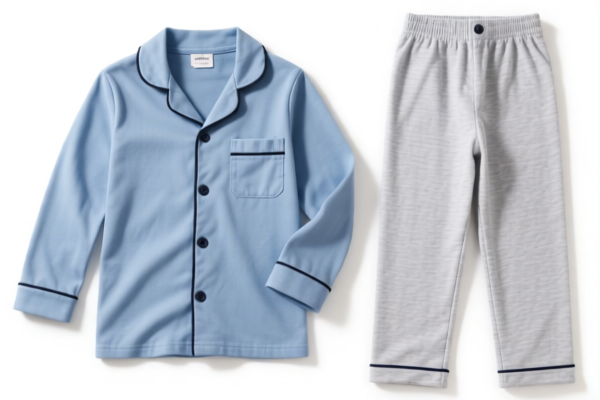
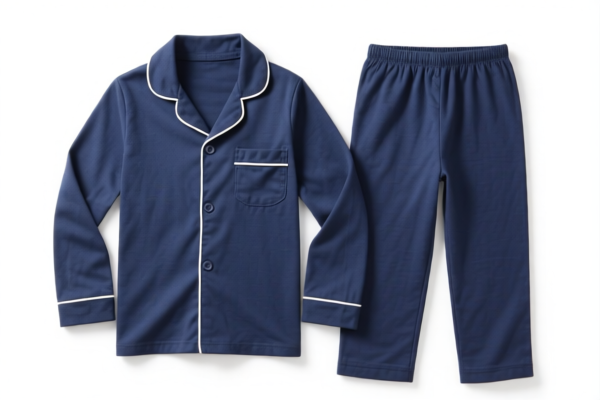
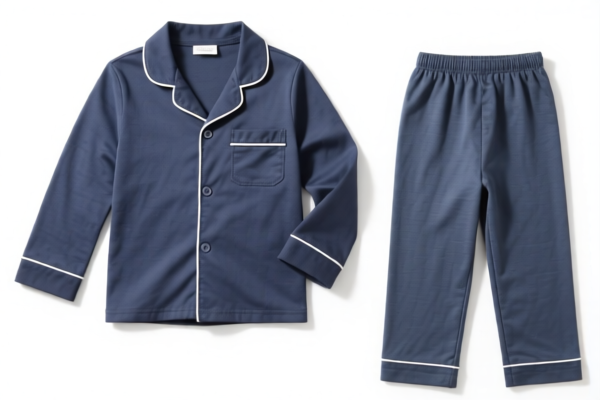
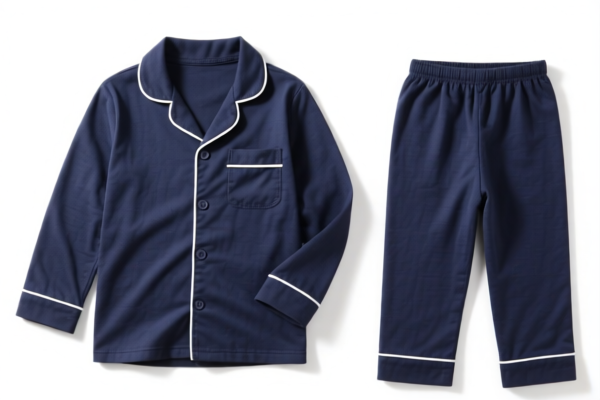
AI Analysis
👕 Boys' Man Made Fiber Flannel Pajamas
🌐 HS Code Reference & Customs Clearance Guide | 2026 Latest Tariff Analysis | Professional Clearance Strategy
📌 I. Product Definition & Classification: Decoding "Flannel Pajamas"
Boys' Man Made Fiber Flannel Pajamas are lightweight, knitted sleepwear garments primarily intended for young males. In international trade, the classification hinges on three critical factors: 1. Material: "Man Made Fiber" (typically Polyester, Rayon, etc., excluding wool or cotton). 2. Construction: "Flannel" implies a brushed or napped finish, often indicating a Knitted or Crocheted fabric structure (Chapter 61) rather than woven (Chapter 62), unless explicitly stated as woven flannel. 3. Form/Use: Designed specifically as Pajamas (sleepwear).
⚠️ Critical Distinction:
- Knitted/Crocheted (Chapter 61): Most common for flannel pajamas. Classified under 6107 (Men's/Boys' Underwear & Sleepwear) or 6114 (Other knitted garments).
- Woven (Chapter 62): If the "flannel" is actually a woven fabric (less common for traditional pajamas but possible for "robe-style" pajamas), it falls under 6207.
- "Man-Made Fiber": This excludes natural fibers like cotton. If the material is mixed, classification depends on the predominant fiber by weight.
📦 II. HS Code Classification Details (Based on Provided Data)
| HS Code | Product Description Summary | Total Tax Rate | Tax Breakdown |
|---|---|---|---|
| 6114.30.30.60 | Boys' long-sleeved man-made fiber pajamas. Material: Man-made fiber. Form: Pajamas. Use: Boys. Falls under "Other knitted/crocheted garments." | 32.4% | Base: 14.9% Additional: 7.5% Section 122: 10% |
| 6114.30.30.44 | Boys' long-sleeved man-made fiber pajamas. Material: Man-made fiber. Form/Use: Matches "Coveralls, workwear & similar garments" category. | 32.4% | Base: 14.9% Additional: 7.5% Section 122: 10% |
| 6107.22.00.15 | Boys' long-sleeved man-made fiber pajamas. Target: Boys. Long-sleeve pajamas fit sleepwear use. Man-made fiber is a reasonable material for knitted items. | 33.5% | Base: 16.0% Additional: 7.5% Section 122: 10% |
| 6107.22.00.25 | Boys' long-sleeved man-made fiber pajamas. Material, use, and target match category requirements. Not a blanket-style pajama. Fits specific subcategory. | 33.5% | Base: 16.0% Additional: 7.5% Section 122: 10% |
| 6207.22.00.00 | Boys' long-sleeved man-made fiber pajamas. Use, target, and material align completely with tariff number requirements. (Implies Woven Structure) | 33.5% | Base: 16.0% Additional: 7.5% Section 122: 10% |
🔍 Key Observation:
- Chapter 61 (Knitted) codes (6114, 6107) carry a Base Rate of 14.9% - 16.0%.
- Chapter 62 (Woven) code (6207) also carries a Base Rate of 16.0%.
- Section 122 Duties (10%) apply uniformly across all classifications for these goods from China to the US (based on the provided tax detail).
- Total Effective Rate: Ranges between 32.4% and 33.5%. The difference lies in the "Base Tariff" depending on whether it is classified as "Other Knitted Garments" (6114) vs. "Sleepwear/Underwear" (6107/6207).
💰 III. 2026 Latest Tariff Rate Breakdown (Including Surcharges)
✅ Applicable Country: United States (US)
✅ Origin: China (CN)
✅ Effective Time: Current rates including Section 301 and Section 122 surcharges.
🎯 1. 6114.30.30.60 & 6114.30.30.44 —— Other Knitted Garments (Section 61)
| Item | Content |
|---|---|
| Base Tariff | 14.9% (Ad Valorem) |
| Section 301 Surcharge | +7.5% (Standard 301 rate for this subheading) |
| Section 122 Surcharge | +10% (Specific duty on certain textile/apparel items) |
| Total Effective Rate | 32.4% |
| Tax Calculation | CIF Value × 32.4% |
| De Minimis Exemption | ❌ Not Eligible (Section 122 duties typically bypass $800 de minimis if declared separately or combined with restricted items; check current CBP enforcement on Section 122). |
| Legal Path | HTSUS:6114.30.30 → Section 301: Footnote 9903.88.01 → Section 122: 19 CFR 122.4 |
📌 Explanation:
- 14.9% is the standard MFN (Most Favored Nation) duty for "Other knitted or crocheted garments" made of synthetic fibers.
- +7.5% is the additional tariff under Section 301 for specific textile categories from China.
- +10% is the "Section 122" duty, introduced to target cross-border e-commerce shipments of apparel and textiles to ensure they pay duties comparable to traditional imports.
🎯 2. 6107.22.00.15 & 6107.22.00.25 —— Men's/Boys' Sleepwear (Knitted) (Section 61)
| Item | Content |
|---|---|
| Base Tariff | 16.0% (Ad Valorem) |
| Section 301 Surcharge | +7.5% |
| Section 122 Surcharge | +10% |
| Total Effective Rate | 33.5% |
| Tax Calculation | CIF Value × 33.5% |
| De Minimis Exemption | ❌ Not Eligible |
| Legal Path | HTSUS:6107.22.00 → Section 301 → Section 122 |
📌 Explanation:
- 16.0% is the standard MFN duty for "Man-made fiber sleepwear/underwear."
- This classification is often more specific than "Other garments," hence the slightly higher base rate.
- Note: Some importers try to classify pajamas under 6107 to avoid stricter "outerwear" rules, but customs scrutinizes the "sleepwear" definition strictly (e.g., loose fit, button/zipper front, lack of pockets).
🎯 3. 6207.22.00.00 —— Men's/Boys' Sleepwear (Woven) (Section 62)
| Item | Content |
|---|---|
| Base Tariff | 16.0% (Ad Valorem) |
| Section 301 Surcharge | +7.5% |
| Section 122 Surcharge | +10% |
| Total Effective Rate | 33.5% |
| Tax Calculation | CIF Value × 33.5% |
| De Minimis Exemption | ❌ Not Eligible |
| Legal Path | HTSUS:6207.22.00 → Section 301 → Section 122 |
📌 Explanation:
- This applies if the pajamas are woven (not knitted).
- The rate is identical to the knitted sleepwear category (16.0% base), but the chapter change affects labeling and material testing requirements.
🛠️ IV. Customs Clearance Practical Advice (Avoiding Pitfalls)
✅ 1. Documentation Checklist (Non-Negotiable)
| Document | Required? | Purpose |
|---|---|---|
| ✅ Product Specification Sheet | ✔️ | Must state: "Man-Made Fiber" (e.g., 100% Polyester), "Knitted/Woven," "Flannel Finish." |
| ✅ Fabric Composition Label | ✔️ | Photo of the inside label showing fiber content (e.g., "Polyester 100%"). |
| ✅ Product Photos | ✔️ | Front, back, and close-up of the "flannel" texture to prove it's not a blanket. |
| ✅ Commercial Invoice | ✔️ | Must clearly describe as "Boys' Pajamas, Knitted, Man-Made Fiber." Avoid vague terms like "Clothing." |
| ✅ Bill of Lading/Air Waybill | ✔️ | To prove origin and value. |
| ✅ Section 122 Certification | ✔️ | Ensure the importer is registered for Section 122 duties if applicable to their volume/type. |
✅ 2. Classification Strategy (Key Mnemonics)
🔥 "Knit to 61, Weave to 62; Sleepwear vs. Outerwear, Choose with Care!"
| Scenario | Recommended HS Code | Why? |
|---|---|---|
| Soft, brushed, stretchy fabric | 6114.30.30.60 or 6107.22.00.15 |
"Flannel" pajamas are typically knitted for comfort. 6114 is broader, 6107 is specific to sleepwear. |
| Stiff, structured, non-stretchy | 6207.22.00.00 |
If the fabric is woven (even if called flannel), it belongs in Chapter 62. |
| Blanket-style/Poncho-style | Avoid | These may be classified as "Blankets" (6301) or "Robes" (6108/6211), changing the duty rate. Ensure it's clearly "Pajamas" (top + bottom or onesie). |
✅ 3. Critical Compliance Points
| Issue | Best Practice |
|---|---|
| "Flannel" Definition | Customs may question if it's truly "flannel." Provide a fabric swatch showing the brushed surface. If it's just printed cotton-like poly, it might still be 6107/6114. |
| Section 122 Liability | Since Jan 2024, Section 122 duties (10%) apply to all textile/apparel imports from China, including de minimis shipments in some cases. Ensure your carrier (e.g., USPS, FedEx) declares duties correctly. |
| Material Accuracy | Do not list as "Cotton" if it's "Man-Made Fiber." Misdeclaration leads to fines, seizure, and back-taxes. |
| Age Appropriateness | Ensure the product is clearly for "Boys" (e.g., design, packaging, size run). If unisex, it may fall under general men's or children's categories, affecting HTSUS subheadings. |
🌍 V. Global Market Comparison (2026)
| Country/Region | Recommended HS Code | Base Tariff | Additional Duties | Notes |
|---|---|---|---|---|
| 🇺🇸 USA | 6114.30.30.60 |
14.9% | +17.5% (301+122) | Total: 32.4%. Highest cost due to Section 122. |
| 🇨🇳 China | 6114.30.30.60 |
11% - 14% | None | Export tax may apply depending on exact material. |
| 🇪🇺 EU | 6107.22.00 |
12% - 16% | None | No Section 301/122 equivalent. CETA may apply for Canadian goods. |
| 🇬🇧 UK | 6107.22.00 |
12% - 16% | None | Post-Brexit tariffs similar to EU but separate rules of origin. |
📌 Conclusion:
- The US market is the most expensive due to the combination of Base Tariff + Section 301 + Section 122.
- Section 122 (10%) is the new normal for Chinese apparel/textiles. Budget accordingly.
- No significant tariff advantages for flannel pajamas in major Western markets compared to other apparel.
📌 VI. Common Errors & Pitfalls (Lessons Learned)
❌ Error 1: Classifying "Flannel Pajamas" under 6104.43 (Women's/Girls' Dresses)
👉 Consequence: Incorrect classification → Penalty + Back Duties. Pajamas are not dresses.
❌ Error 2: Ignoring Section 122 for De Minimis Shipments
👉 Consequence: Carrier charges recipient (customer) unexpected duties → High return rate & bad reviews.
❌ Error 3: Misidentifying "Man-Made Fiber" as "Cotton"
👉 Consequence: Base tariff changes from ~16% to ~11-14%, but Section 122 still applies. The total difference is small, but material fraud is a serious offense.
❌ Error 4: Using "Robe" or "Gown" for Pajamas
👉 Consequence: May be classified under 6108.91 or 6211.43 (Nightdresses/Gowns). These have different duty rates (often higher). Be precise: "Pajamas" = Top + Bottom or Onesie.
✅ Correct Description for Invoice:
"Boys' Pajama Set, Knitted, 100% Polyester Flannel, Man-Made Fiber, for Sleepwear, Sizes 4-16, Model XYZ"
🎯 VII. Conclusion: Professional Classification, Cost Efficiency, Risk Mitigation
🎯 Remember the Rules:
🔹 "Knitted is Chapter 61, Woven is Chapter 62."
🔹 "Pajamas are Sleepwear, not Outerwear."
🔹 "Section 122 adds 10% – Budget for it!"📌 Pro Tip:
If your pajamas are blended (e.g., 50% Poly, 50% Cotton), the classification shifts based on the predominant fiber.
- >50% Man-Made → Chapter 61/62 (Man-Made).
- >50% Cotton → Chapter 61/62 (Cotton).
Cotton pajamas often have a lower base tariff (8-11%), but still face Section 122 (10%).
Calculate Total Cost:
- Poly Pajamas: 14.9% Base + 17.5% Surcharge = 32.4%
- Cotton Pajamas: 8.0% Base + 17.5% Surcharge = 25.5%
Consider material composition if cost is a major driver!
📣 Immediate Action:
📞 Consult a Customs Broker to confirm the Knitted vs. Woven structure.
📦 Label Accurately: "Man-Made Fiber" + "Knitted" (or Woven).
🚀 Plan for 32-33% Landed Cost for US imports.
✨ Professional Clearance, From Precise Classification!
💼 Every Percent of Duty Counts!
Customer Reviews
About HS Code Classification
The Harmonized System (HS) is an internationally standardized nomenclature developed by the World Customs Organization (WCO) to classify traded products. Over 200 countries use the HS system as the basis for customs tariffs, trade statistics, and import/export regulations.
Each HS code follows a hierarchical structure:
- Chapter (2 digits) — Broad category of goods (e.g., Chapter 84: Machinery and Mechanical Appliances)
- Heading (4 digits) — More specific grouping within the chapter
- Subheading (6 digits) — Internationally standardized breakdown, used by all WCO member countries
- National subdivisions (8-10 digits) — Country-specific extensions for further classification, such as US HTSUS 10-digit codes
Correct HS code classification is essential for smooth customs clearance, accurate duty payment, and compliance with trade regulations. Misclassification can lead to customs delays, overpayment of duties, or penalties.
When importing from CN to US, the applicable tariff rates may include:
- Most-Favored-Nation (MFN) rate — The standard duty rate applied to WTO members
- General rate — Applied to countries without trade agreements
- Trade remedy duties — Additional tariffs such as Section 301 (anti-dumping), Section 232 (national security), or countervailing duties
The information provided on this page is for reference purposes only. For official classification, please consult with your local customs authority or a licensed customs broker.