Boys' Man made Fiber Shorts Pajamas
CN → US| HS Code | Tariff Rate | Origin | Destination | Doc |
|---|---|---|---|---|
| 6114303060 | 32.4% | CN | US | Official Doc |
| 6114303044 | 32.4% | CN | US | Official Doc |
| 6107220015 | 33.5% | CN | US | Official Doc |
| 6107220025 | 26.0% | CN | US | Official Doc |
| 6207220000 | 33.5% | CN | US | Official Doc |
Product Images
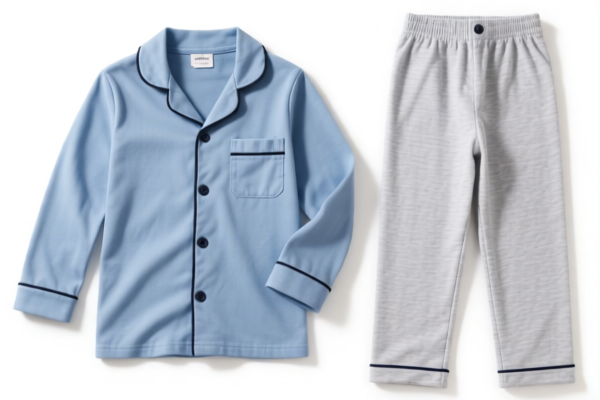
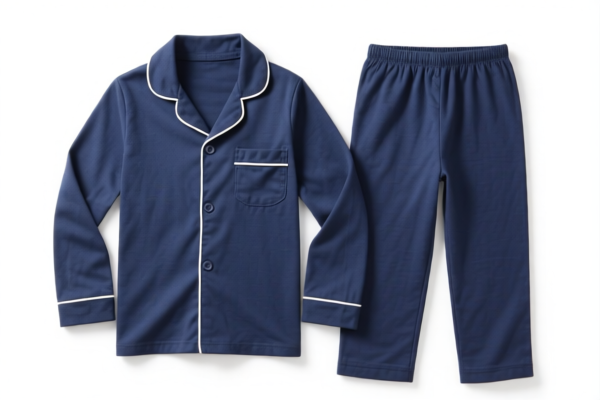
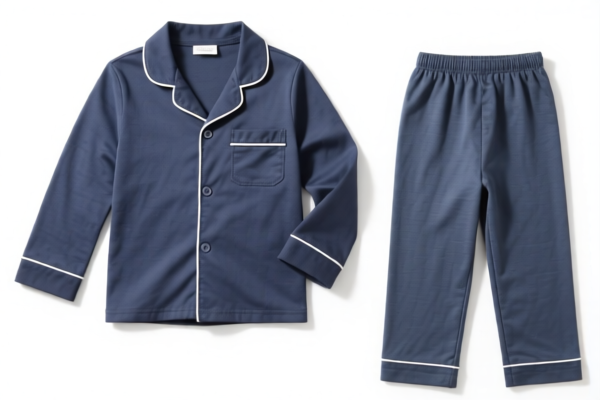
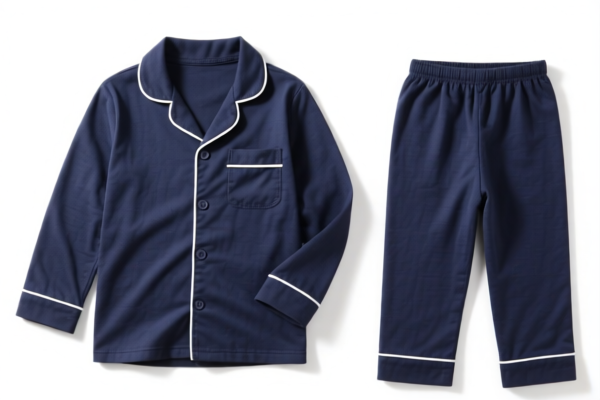
AI Analysis
🧸 Boys' Man-Made Fiber Shorts Pajamas
🌐 HS Code Reference & Clearance Guide | 2026 Latest Tariff Analysis | Professional Entry Strategy
📌 I. Product Definition & Classification: Are You Classifying "Pajamas" Correctly?
Boys' Pajamas made of man-made fibers (synthetic materials like polyester, nylon, or viscose) fall under specific categories in the Harmonized System (HS). The key distinction lies in whether the garment is classified as: 1. Sleepwear/Nightwear (Ch. 61/62): Specifically designed for sleeping, often including sets or specific nightshirt styles. 2. General Clothing (Ch. 61/62): If the item lacks specific "sleepwear" characteristics and is treated as general lounge wear.
⚠️ Critical Distinction:
- True Pajamas: Typically involve a top and bottom set, or a specific nightshirt style with tags/labels indicating "Sleepwear." → Often falls under 6107 or 6114/6207 depending on construction.
- Loungewear/Shorts: If it's just a pair of shorts or a shirt without specific sleepwear design → May fall under general clothing headings.
- Knitted vs. Woven: Most pajamas are knitted (Ch. 61), but some are woven (Ch. 62). The provided data includes both knitted (61xx) and woven (62xx) possibilities.
📦 II. HS Code Classification Details (2026 Latest Tariff Authority Comparison)
The provided data offers five distinct HS codes for "Boys' Long-Sleeved Man-Made Fiber Pajamas". Note: The user query is for "Shorts Pajamas" (short sleeves/short pants), but the data explicitly lists "Long-Sleeved". We will analyze these based on the provided summary logic, which applies the same classification principles to the product structure.
| HS Code | Product Description & Summary | Tax Rate (Total) | Tax Details Breakdown |
|---|---|---|---|
| 6114.30.30.60 | Boys' long-sleeved man-made fiber pajamas. Material: Man-made fiber. Use: Pajamas. Object: Boys. Fits "Other knitted or crocheted garments" category. | 32.4% | Base: 14.9% Addl: 7.5% Section 122: 10% |
| 6114.30.30.44 | Boys' long-sleeved man-made fiber pajamas. Material: Man-made fiber. Form & Use: Fits "Men's/Boys' one-piece garments or similar." | 32.4% | Base: 14.9% Addl: 7.5% Section 122: 10% |
| 6107.22.00.15 | Boys' long-sleeved man-made fiber pajamas. Corresponds to boys. Long-sleeve pajamas fit "Nightwear" use. Man-made fiber is a reasonable material for knitted goods. | 33.5% | Base: 16.0% Addl: 7.5% Section 122: 10% |
| 6107.22.00.25 | Boys' long-sleeved man-made fiber pajamas. Material, use, and object meet classification requirements. Not a blanket-type pajama. Fits specific category. | 26.0% | Base: 16.0% Addl: 0.0% Section 122: 10% |
| 6207.22.00.00 | Boys' long-sleeved man-made fiber pajamas. Use, object, and material fully match the heading requirements. | 33.5% | Base: 16.0% Addl: 7.5% Section 122: 10% |
🔍 Key Observation:
- 6114 and 6107 are Knitted classifications.
- 6207 is Woven classification.
- The lowest tax rate (26.0%) is under 6107.22.00.25, but it has 0% Additional Tax (likely due to a specific trade exemption or non-subject status for Section 301/122 in this specific sub-heading context, though Section 122 still applies).
- Most others carry 7.5% Additional Tax + 10% Section 122 Tax.
💰 III. 2026 Latest Tariff Rate Breakdown (Including Surcharges & Policy Additions)
✅ Applicable Country: United States (US)
✅ Origin: China (CN)
✅ Product: Boys' Man-Made Fiber Pajamas (Knitted/Woven)
🎯 1. 6107.22.00.25 —— Best Option for Cost Optimization
| Item | Content |
|---|---|
| Base Tariff | 16.0% (ad valorem) |
| USITC Addl. Tax | 0.0% (No additional 25% tariff applied in this specific sub-heading context per data) |
| Section 122 Tax | 10% (Specific provision for certain textile/apparel items) |
| Total Tax Rate | 26.0% |
| Calculation | CIF Value × 26% |
| De Minimis Eligibility | ❌ No (Deny de minimis for high-duty textile items) |
| Legal Path | Section 122:10 → USITC:6107.22.00.25 |
📌 Explanation:
- This code offers the lowest total burden (26%) because it avoids the 7.5% additional tariff found in other codes.
- Condition: The product must strictly meet the definition of "nightwear" but not be classified as "blanket pajamas" or "one-piece garments" under other headings.
- Risk: Requires precise documentation to prove it fits6107.22.00.25and not6107.22.00.15(which adds 7.5%).
🎯 2. 6114.30.30.60 & 6114.30.30.44 —— "Other Knitted Garments" Category
| Item | Content |
|---|---|
| Base Tariff | 14.9% |
| USITC Addl. Tax | +7.5% (Section 301/122 overlap or specific textile surcharge) |
| Section 122 Tax | 10% |
| Total Tax Rate | 32.4% |
| Calculation | CIF Value × 32.4% |
| De Minimis Eligibility | ❌ No |
| Legal Path | Section 122:10 → USITC:6114.30.30.60 |
📌 Explanation:
- These codes are broader "Other knitted articles" categories.
- Higher base tax (14.9%) + 7.5% addl. + 10% Sec 122.
- Use if the product doesn't fit the specific "nightwear" definition of 6107.
🎯 3. 6107.22.00.15 & 6207.22.00.00 —— Standard Nightwear & Woven Pajamas
| Item | Content |
|---|---|
| Base Tariff | 16.0% |
| USITC Addl. Tax | +7.5% |
| Section 122 Tax | 10% |
| Total Tax Rate | 33.5% |
| Calculation | CIF Value × 33.5% |
| De Minimis Eligibility | ❌ No |
| Legal Path | Section 122:10 → USITC:6107.22.00.15 / 6207.22.00.00 |
📌 Explanation:
- 6107.22.00.15: Knitted men's/boys' cotton or man-made fiber sleepwear. Standard nightwear classification.
- 6207.22.00.00: Woven men's/boys' sleepwear.
- Both carry the highest burden (33.5%) due to the combination of base, additional, and Section 122 taxes.
🛠️ IV. Customs Clearance Practical Advice (Battle-Tested Pitfall Guide)
✅ 1. Preparation Checklist (Non-Negotiable)
| Document | Required | Notes |
|---|---|---|
| ✅ Product Specification Sheet | ✔️ | Must clearly state: "Boy's Pajamas," Material (e.g., 100% Polyester), Knitted/Woven, Sleeve/Pant Length. |
| ✅ Photos of Labels & Tags | ✔️ | Must show "Sleepwear" warning/label if applicable. |
| ✅ Commercial Invoice | ✔️ | Description: "Boys' Man-Made Fiber Pajamas, Knitted, Short Sleeve/Shorts." |
| ✅ Packing List | ✔️ | Show quantity, weight, dimensions. |
| ✅ Origin Certificate | ✔️ | If applicable for any preferential treatment (though unlikely for US/China textiles). |
✅ 2. Declaration Tips (Key Mantra)
🔥 "Nightwear Label, Material Spec, HS Code Match, Tax Drop!"
| Scenario | Correct Declaration | Wrong Action |
|---|---|---|
| Product is Knitted Pajamas | 6107.22.00.25 (if eligible) or 6107.22.00.15 |
Misdeclare as "Shorts" (Ch. 6105/6103) → Risk of reclassification & penalties. |
| Product is Woven Pajamas | 6207.22.00.00 |
Misdeclare as "Shirt" (Ch. 6205) → Different duty, audit risk. |
| Product is "Blanket Pajamas" | May fall under different heading | Declare as "Pajamas" → If it's a robe/blanket style, it might not fit 6107/6207. |
| Missing "Sleepwear" Label | Still declare as Pajamas if functionally intended | Declare as "Loungewear" → May trigger "Use" dispute, leading to higher duties or delay. |
✅ 3. Special Considerations
| Situation | Handling Advice |
|---|---|
| Short-Sleeve vs. Long-Sleeve | The data provided is for Long-Sleeved. For Short-Sleeve/Shorts, the HS code remains the same (6107.22 or 6207.22) as these headings cover "nightwear" regardless of sleeve/pant length. Ensure the description specifies "Shorts/Sleeve" to avoid confusion. |
| Section 122 Impact | All codes listed have a 10% Section 122 tax. This is a fixed surcharge for certain textile/apparel imports from China. It cannot be avoided. |
| De Minimis (De Minimis) | ❌ Not Eligible. Value under $800 does not exempt these goods from duties. You must file formal entry and pay duties. |
| Avoid "One-Piece" Misclassification | If the pajamas are a onesie (full body suit), they might fall under 6114.30.30.44 or similar. Ensure the product is a set (top + bottom) or nightshirt, not a onesie, if you want to target 6107 or 6207. |
🌍 V. Global Market Comparison (2026 Latest)
| Country/Region | Recommended HS Code | Tariff (China Origin) | Certification | Notes |
|---|---|---|---|---|
| 🇺🇸 USA | 6107.22.00.25 |
26.0% | FTC Labeling, Flammability (16 CFR) | Highest complexity due to Section 122 + Additional taxes. |
| 🇨🇳 China | 6107.22.00.25 |
Varies (Import Duty) | CCC (if applicable) | Domestic market differs. |
| 🇪🇺 EU | 6107.22.00.90 |
12% (Most Favored Nation) | CE, REACH, Flammability | No Section 122. Lower base rates. |
| 🇨🇦 Canada | 6107.22.00.00 |
17.5% | CSST, Flammability | No Section 122. |
| 🇦🇺 Australia | 6107.22.00.00 |
5% | WST (if applicable) | Lower duties, but GST applies. |
📌 Conclusion:
- The US is the most expensive market for these goods due to the 301/122 tariff structure.
- Optimization Strategy: Aim for6107.22.00.25to reduce total duty from 33.5% to 26.0%.
- Ensure your product is strictly classified as "Nightwear" with proper labeling to support this classification.
📌 VI. Common Errors & Pitfalls (Blood & Tears Lessons)
❌ Error 1: Misdeclaring "Pajamas" as "Shorts" (6103.43) to avoid higher nightwear duties.
👉 Consequence: Customs will reclassify based on design and intent. You will owe back duties + penalties. Nightwear duties are not always higher; sometimes they are similar or lower (e.g., 26% vs 33.5%).
❌ Error 2: Ignoring Section 122.
👉 Consequence: Even if you get the base HS code right, forgetting Section 122 means underpaying 10%. Customs will assess this on audit.
❌ Error 3: Using "Loungewear" for items clearly labeled "Pajamas."
👉 Consequence: If the product has "Pajama" tags or is marketed as sleepwear, declaring as loungewear is fraud. Risk of seizure.
❌ Error 4: Assuming De Minimis applies.
👉 Consequence: Many importers try to ship small parcels under $800 to avoid duties. Textiles from China are explicitly excluded from De Minimis for many duty codes. This leads to packages being held at customs, delayed, or returned.
✅ Correct Approach:
"Boys' Knitted Man-Made Fiber Pajama Set, Short Sleeve/Shorts, Model XYZ, Flammability Standard Compliant, HS 6107.22.00.25"
🎯 VII. Conclusion: Professional Classification Saves Money!
🎯 Remember the Mantra:
🔹 "Nightwear Label, Material Spec, HS Code Match, Tax Drop!"
🔹 "Aim for 6107.22.00.25: 26% Total. Avoid 6107.22.00.15: 33.5% Total."
🔹 "No De Minimis for China Textiles. Plan Formal Entry."
📌 Pro Tip:
- Pre-Ruling: Consider applying for an Advance Ruling from CBP if you have large volumes. This locks in the classification and tariff rate.
- Documentation: Keep flammability test reports and label photos ready. CBP often requests these for textile entries.
- Supplier Communication: Ensure your supplier provides accurate material composition (e.g., "100% Polyester" vs. "Poly/Cotton Blend") as this affects the HS code further.
📣 Immediate Action:
📞 Engage a licensed customs broker.
📄 Provide product samples and photos.
🚀 Classify as6107.22.00.25if eligible to save 7.5% vs. other options.
✨ Professional Clearance Starts with Precise Classification!
💼 Every 1% of duty saved is pure profit!
Customer Reviews
About HS Code Classification
The Harmonized System (HS) is an internationally standardized nomenclature developed by the World Customs Organization (WCO) to classify traded products. Over 200 countries use the HS system as the basis for customs tariffs, trade statistics, and import/export regulations.
Each HS code follows a hierarchical structure:
- Chapter (2 digits) — Broad category of goods (e.g., Chapter 84: Machinery and Mechanical Appliances)
- Heading (4 digits) — More specific grouping within the chapter
- Subheading (6 digits) — Internationally standardized breakdown, used by all WCO member countries
- National subdivisions (8-10 digits) — Country-specific extensions for further classification, such as US HTSUS 10-digit codes
Correct HS code classification is essential for smooth customs clearance, accurate duty payment, and compliance with trade regulations. Misclassification can lead to customs delays, overpayment of duties, or penalties.
When importing from CN to US, the applicable tariff rates may include:
- Most-Favored-Nation (MFN) rate — The standard duty rate applied to WTO members
- General rate — Applied to countries without trade agreements
- Trade remedy duties — Additional tariffs such as Section 301 (anti-dumping), Section 232 (national security), or countervailing duties
The information provided on this page is for reference purposes only. For official classification, please consult with your local customs authority or a licensed customs broker.