Boys' Nylon Shorts Set (Non Swimwear)
CN → US| HS Code | Tariff Rate | Origin | Destination | Doc |
|---|---|---|---|---|
| 6114303060 | 32.4% | CN | US | Official Doc |
| 6114909055 | 15.6% | CN | US | Official Doc |
| 6109901009 | 49.5% | CN | US | Official Doc |
| 6211339025 | 33.5% | CN | US | Official Doc |
| 6211398090 | 20.3% | CN | US | Official Doc |
Product Images
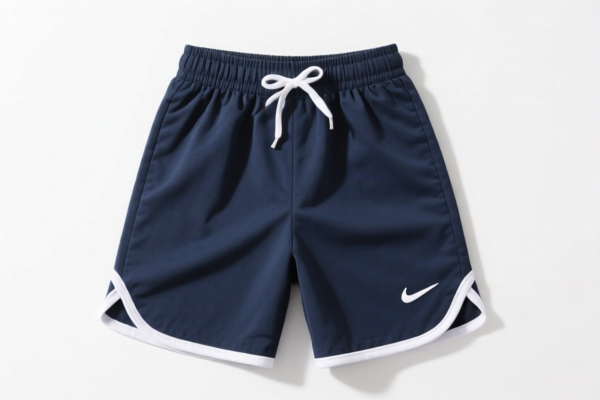
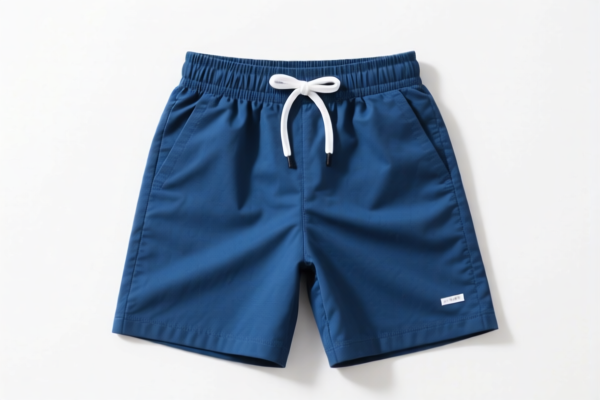
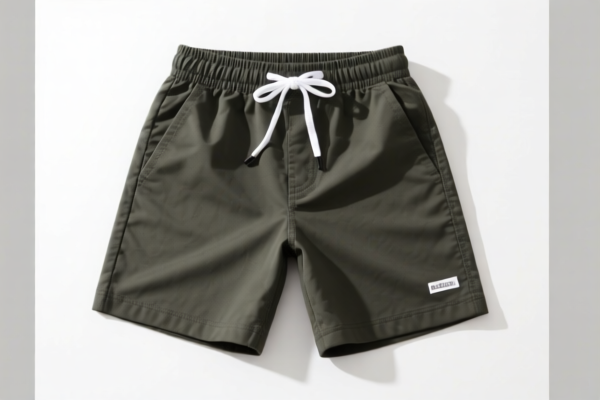
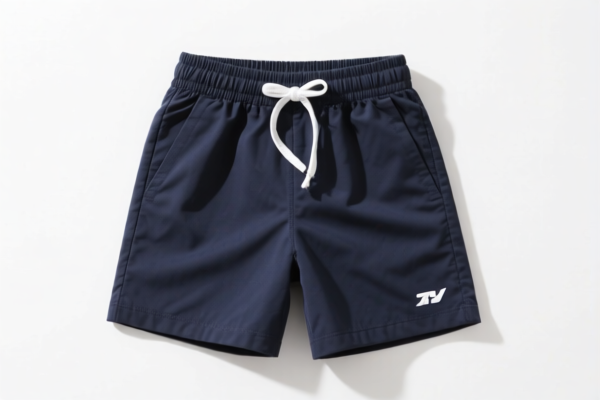
AI Analysis
👕 Boys' Nylon Shorts Set (Non-Swimwear)
🌐 HS Code Reference & Customs Clearance Guide | 2026 Latest Tariff Analysis | Professional Clearance Strategy
📌 I. Product Definition & Classification: Do You Really Understand "Nylon Shorts Sets"?
Boys' nylon shorts sets (non-swimwear) are everyday casual wear items for children, typically consisting of matching tops and bottoms made from synthetic fibers (specifically nylon/polyamide or other chemical fibers). In international trade, these items are strictly distinguished from swimwear and classified based on their knitting method and primary material.
Key Classification Logic: * Knitted vs. Woven: This is the most critical distinction. Most children's casual sets are knitted (falling under Chapter 61), but some structured sets may be woven (falling under Chapter 62). * Material Specifics: "Nylon" falls under "Artificial Fibers" or "Other Textile Materials" in HS codes. The specific sub-code depends on whether it's pure nylon or blended with other materials. * Non-Swimwear: Must be clearly declared as "non-swimwear" to avoid misclassification into Chapter 62 (Swimwear), which has different tax implications.
⚠️ Critical Distinction:
- If the set is knitted (stretchy, looped structure) → Goes to Chapter 61.
- If the set is woven (flat, structured structure) → Goes to Chapter 62.
- Swimwear vs. Casual: If it’s not designed for swimming (no lining, standard fabric weight), it is NOT Chapter 62 Swimwear.
📦 II. HS Code Classification Details (2026 Latest Tariff Authority Comparison)
Based on the provided data, here are the specific HS Codes for Boys' Nylon/Artificial Fiber Shorts Sets (Non-Swimwear):
| HS Code | Product Description | Applicable Scenario | Total Tax Rate | Tax Breakdown |
|---|---|---|---|---|
6114.30.30.60 |
Boys' Artificial Fiber Non-Swimwear Shorts Set, Knitted | Typical knitted cotton-nylon blend sets, t-shirt shorts combos | 32.4% | Base: 14.9% + Section 301: 7.5% + Section 122: 10% |
6114.90.90.55 |
Boys' Other Textile Material Artificial Fiber Non-Swimwear Shorts Set | Sets made from non-standard artificial fibers or blends not covered in 6114.30 | 15.6% | Base: 5.6% + Section 301: 0.0% + Section 122: 10% |
6109.90.10.09 |
Boys' Artificial Fiber Other Textile Materials Clothing | Individual Tops (T-shirts/Jerseys) made of artificial fibers, if sold separately or classified as tops | 49.5% | Base: 32.0% + Section 301: 7.5% + Section 122: 10% |
6211.33.90.25 |
Boys' Synthetic Fiber Non-Specific Onesies & Other Clothing | Woven nylon sets or onesies (if applicable) | 33.5% | Base: 16.0% + Section 301: 7.5% + Section 122: 10% |
6211.39.80.90 |
Boys' Other Textile Materials Non-Swimwear Clothing | Woven sets made from "other" textiles (non-synthetic/non-artificial) | 20.3% | Base: 2.8% + Section 301: 7.5% + Section 122: 10% |
🔍 Key Takeaway:
- Most Common Scenario: Knitted nylon sets usually fall under6114.30.30.60with a 32.4% total tax.
- Lowest Tax Option: If the material composition allows classification under6114.90.90.55, the tax drops to 15.6% (due to lower base and Section 301 rates).
- High Risk: Declaring individual tops separately as6109.90.10.09incurs a 49.5% tax, which is significantly higher than the set rate.
💰 III. 2026 Latest Tariff Rate Breakdown (Including Additional Taxes & Policy Surcharges)
✅ Applicable Country: United States (US)
✅ Origin: China (CN)
✅ Effective Time: Current applicable rates (2025-2026)
🎯 1. 6114.30.30.60 – Boys' Knitted Artificial Fiber Shorts Set
| Item | Content |
|---|---|
| Base Tariff | 14.9% |
| Section 301 Tariff | +7.5% |
| Section 122 Tariff | +10.0% |
| Total Tax Rate | 32.4% |
| Tax Calculation | CIF Value × 32.4% |
| De Minimis Exemption | ❌ Not Eligible (High tax rate usually triggers scrutiny) |
| Legal Basis | HTSUS 6114.30.30.60 → Subject to IEEPA/Section 301/122 |
📌 Explanation:
- This is the standard classification for knitted boys' casual sets made of artificial fibers (like nylon/polyester blends).
- The 32.4% rate is a combination of standard trade duties and multiple punitive tariffs (301 + 122).
- Cost Impact: For every $1,000 USD CIF value, expect ~$324 in tariffs.
🎯 2. 6114.90.90.55 – Other Artificial Fiber Sets (Lower Tax Variant)
| Item | Content |
|---|---|
| Base Tariff | 5.6% |
| Section 301 Tariff | +0.0% |
| Section 122 Tariff | +10.0% |
| Total Tax Rate | 15.6% |
| Tax Calculation | CIF Value × 15.6% |
| De Minimis Exemption | ❌ Not Eligible |
| Legal Basis | HTSUS 6114.90.90.55 → Subject to IEEPA/Section 122 |
📌 Note:
- This code applies if the product doesn't fit the specific "artificial fiber" definition of 6114.30 or uses alternative textile materials.
- Savings: Can save 16.8% in tariffs compared to6114.30.30.60.
- Action: Consult with a customs broker to see if your specific nylon blend qualifies for this lower category.
🎯 3. 6109.90.10.09 – Boys' Artificial Fiber Tops (High Risk)
| Item | Content |
|---|---|
| Base Tariff | 32.0% |
| Section 301 Tariff | +7.5% |
| Section 122 Tariff | +10.0% |
| Total Tax Rate | 49.5% |
| Tax Calculation | CIF Value × 49.5% |
| De Minimis Exemption | ❌ Not Eligible |
| Legal Basis | HTSUS 6109.90.10.09 |
📌 Warning:
- If you declare a set as "T-shirt" instead of "Set," you may face 49.5% tax.
- Never split a set into separate line items for top and bottom if they are sold as a unit; this is considered misdeclaration.
🛠️ IV. Customs Clearance Practical Advice (Combat Pitfall Guide)
✅ 1. Documentation Checklist (Essential)
| Document | Required | Description |
|---|---|---|
| ✅ Commercial Invoice | ✔️ | Must clearly state "Boys' Nylon Shorts Set, Non-Swimwear, Knitted" |
| ✅ Packing List | ✔️ | Show item count per set (e.g., 1 Top + 1 Short = 1 Set) |
| ✅ Product Photos | ✔️ | Clear images showing knit texture, labels, and no swimwear features |
| ✅ Material Composition Label | ✔️ | Must list % of Nylon, Polyester, Spandex, etc. |
| ✅ Declaration of Non-Swimwear | ✔️ | Explicit statement: "Not designed for swimming; not water-repellent/quick-dry specific for aquatic sports" |
✅ 2. Declaration Tips (Key Mantras)
🔥 "Set as One, Knit vs Woven, Material Specific, Tax Avoids Pain!"
| Scenario | Correct Declaration | Incorrect Action |
|---|---|---|
| Knitted Top + Short Bundle | 6114.30.30.60 (Set) |
Declaring as 2 items → Higher tax |
| Woven Nylon Set | 6211.33.90.25 |
Declaring as Knitted → Misclassification |
| Swimwear-looking Set | NOT Non-Swimwear | Declaring as Casual → Penalties |
| Individual T-shirt | 6109.90.10.09 |
Declaring as "Set" |
💡 Pro Tip:
- If the nylon content is high, emphasize "Knitted" in the description.
- If the set includes a hoodie, it still falls under 6114.30 if knitted.
- Avoid vague terms like "Clothing Set"; specify "Boys' Knitted Short Set, Artificial Fiber, Non-Swimwear."
✅ 3. Special Case Handling
| Case | Handling Advice |
|---|---|
| OEM/Custom Design | Provide design sheets to prove it's not swimwear (e.g., no mesh lining, no UV protection claims). |
| Mixed Materials | If nylon is blended with cotton, the "essential character" determines classification. Consult a broker. |
| High-Value Sets | Consider Section 301 Exclusion if eligible (rare for apparel, but check annually). |
| De Minimis (Section 321) | NOT APPLICABLE. High tax rates (32.4%-49.5%) mean these goods cannot use the $800 de minimis exemption. Formal entry is required. |
🌍 V. Global Market Clearance Comparison (2026 Latest)
| Country/Region | Recommended HS Code | Tariff | Certification | Notes |
|---|---|---|---|---|
| 🇺🇸 USA | 6114.30.30.60 |
32.4% | None required for clearance | High due to 301+122 tariffs |
| 🇨🇳 China | 6114.30.30.60 |
10-15% | CCC (if applicable) | Lower base tax |
| 🇪🇺 EU | 6114.30.30.60 |
12% | REACH + Textile Labeling | No Section 301/122 |
| 🇨🇦 Canada | 6114.30.30.60 |
17.5% | None | Lower than US punitive tariffs |
| 🇯🇵 Japan | 6114.30.30.60 |
16% | No special reqs | Stable tariff |
📌 Conclusion:
- USA is the most expensive market due to Section 301 and Section 122 tariffs.
- EU/Asia have lower tariffs but stricter textile labeling and chemical (REACH) requirements.
- Strategy: If targeting the US, ensure accurate classification to avoid over-taxing (e.g., checking if6114.90.90.55applies).
📌 VI. Common Mistakes & Pitfall Guide (Blood Lessons)
❌ Mistake 1: Declaring a "Set" as two separate items (T-shirt + Shorts)
👉 Consequence: Each item taxed separately, potentially higher total tax + penalties for misdeclaration.
❌ Mistake 2: Calling it "Swimwear" to avoid higher taxes
👉 Consequence: Customs will inspect, find it's not swimwear, and impose fines + back taxes.
❌ Mistake 3: Using "Nylon" loosely without % composition
👉 Consequence: HS Code uncertainty → Delayed clearance or audits.
❌ Mistake 4: Ignoring Section 122 Tariff
👉 Consequence: Underpaying by 10% → Customs holds shipment until payment.
✅ Correct Practice:
"Boys' Knitted Nylon/Cotton Blend Shorts Set, Non-Swimwear, Model XYZ, 100% Polyester Knit, HS 6114.30.30.60"
🎯 VII. Conclusion: Professional Declaration, Save Cost, Ensure Clearance!
🎯 Remember the Mantra:
🔹 "Knitted = 6114, Woven = 6211, Set = One Line, Non-Swimwear = Clear Label!"
🔹 "32.4% is standard, 49.5% is risk, 15.6% is rare but possible!"
📌 Pro Tip:
- If your product is not strictly "artificial fiber" (e.g., high cotton content), re-evaluate HS codes.
- Always request a Pre-Ruling (Advance Ruling) from US Customs if the classification is ambiguous.
- For US Imports, factor in the 32.4% minimum for knitted sets in your cost calculation.
📣 Immediate Action:
📞 Contact a licensed customs broker + Provide product photos + Verify material composition
🚀 Ensure your Boys' Nylon Shorts Set clears customs smoothly, cost-effectively and compliantly!
✨ Professional Customs Clearance Starts with Accurate Classification!
💼 Every cent of tariff cost should be precisely calculated!
Customer Reviews
About HS Code Classification
The Harmonized System (HS) is an internationally standardized nomenclature developed by the World Customs Organization (WCO) to classify traded products. Over 200 countries use the HS system as the basis for customs tariffs, trade statistics, and import/export regulations.
Each HS code follows a hierarchical structure:
- Chapter (2 digits) — Broad category of goods (e.g., Chapter 84: Machinery and Mechanical Appliances)
- Heading (4 digits) — More specific grouping within the chapter
- Subheading (6 digits) — Internationally standardized breakdown, used by all WCO member countries
- National subdivisions (8-10 digits) — Country-specific extensions for further classification, such as US HTSUS 10-digit codes
Correct HS code classification is essential for smooth customs clearance, accurate duty payment, and compliance with trade regulations. Misclassification can lead to customs delays, overpayment of duties, or penalties.
When importing from CN to US, the applicable tariff rates may include:
- Most-Favored-Nation (MFN) rate — The standard duty rate applied to WTO members
- General rate — Applied to countries without trade agreements
- Trade remedy duties — Additional tariffs such as Section 301 (anti-dumping), Section 232 (national security), or countervailing duties
The information provided on this page is for reference purposes only. For official classification, please consult with your local customs authority or a licensed customs broker.